

The Mid-Life Wealth Building Blueprint: Your Path to Financial Freedom After 40
Building wealth after 40 isn’t just possible—it’s often when real financial transformation happens. If you’re feeling behind, stuck, or worried it’s too late, this blueprint is for you.
“The best time to plant a tree was 20 years ago. The second best time is now.”
– Chinese Proverb
Whether you’re earning $35k or $150k, starting over financially at 40 or just ready to get serious about money, you can create financial freedom in your 40s.
Disclosure
This article contains affiliate links. If you choose to make a purchase through these links, we may earn a commission at no additional cost to you.
Why Building Wealth After 40 Is Different (And Why That’s Good)

You have advantages younger people don’t: experience, clarity, and urgency. You know what matters. You’ve learned from mistakes. And you’re done wasting time.
The reality: Most men over 40 face similar challenges—debt, limited savings, unclear financial goals. But here’s the truth: your 40s and 50s are prime wealth-building years when you combine the right strategies with consistent action.
The Foundation: Getting Your Financial House in Order
Step 1: Know Your Starting Point
Calculate your net worth (everything you own minus everything you owe). Don’t judge it—just know it. This is your baseline.
Example:
- Own: Car ($8k), savings ($2k), retirement ($15k) = $25k
- Owe: Credit cards ($5k), car loan ($3k) = $8k
- Net worth: $17k
Step 2: Build Your Emergency Fund
An emergency fund is money set aside for unexpected expenses—car repairs, medical bills, job loss. Start with $1,000, then build to 3-6 months of expenses.
Action steps by income level:
- $35k/year: Save $25-50/month = $1,000 in 12-20 months
- $60k/year: Save $100-150/month = $1,000 in 7-10 months
- $100k+/year: Save $300-500/month = $1,000 in 2-3 months
Recommended: Keep your emergency fund in a high-yield savings account. Check out books like The Total Money Makeover by Dave Ramsey for debt elimination strategies.
Step 3: Tackle Debt Strategically
List all debts smallest to largest. Pay minimums on everything except the smallest—attack that with everything extra. This is the “debt snowball” method, and it works because you see progress fast.
Debt Snowball vs Avalanche: Which Is Right for You?
Creating Multiple Income Streams in Your 40s
Income diversification means not putting all your eggs in one basket—having money coming from different sources so you’re not dependent on just one paycheck.
Side Hustles for Men Over 40
Low-skill entry:
- Rideshare driving (Uber/Lyft)
- Delivery services (DoorDash, Instacart)
- Freelance handyman work
Skill-based:
- Consulting in your field
- Online tutoring or coaching
- Freelance writing or design
Passive income ideas:
- Rental income (even renting a spare room)
- Dividend-paying stocks (money companies pay you just for owning their stock)
- Digital products or online courses
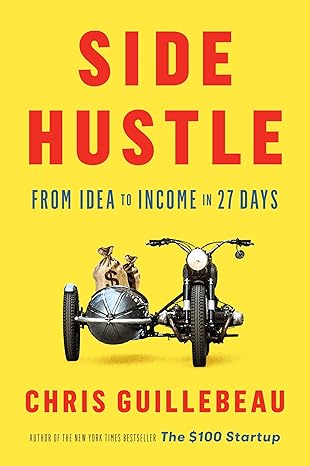

Simple Investment Strategies for Beginners Over 40
Understanding Investment Basics
Asset: Anything you own that has value or makes you money (stocks, real estate, your skills).
Compound interest: When your money makes money, and then that money makes more money. A $10,000 investment at 8% annual return becomes $21,589 in 10 years without adding another dollar.
Where to Start
Step 1: Maximize employer 401(k) match (free money)
Step 2: Open a Roth IRA (tax-free growth)
Step 3: Invest in low-cost index funds
Index funds are simple investments that track the overall stock market—think of buying a tiny piece of hundreds of companies at once, reducing risk.
Investment by Income Level
$35k/year: Start with $25-50/month in a target-date retirement fund
$60k/year: Aim for $200-300/month split between retirement and taxable accounts
$100k+/year: Target 15-20% of income across retirement, investments, and real estate


Money Management for Men Over 40
The 50/30/20 Budget Rule
- 50% Needs (housing, food, utilities, insurance)
- 30% Wants (entertainment, hobbies, dining out)
- 20% Savings and debt payoff
Example at $60k/year ($5k/month after taxes):
- Needs: $2,500
- Wants: $1,500
- Savings/Debt: $1,000
Track Your Spending
Use apps like Mint or YNAB (You Need A Budget), or grab a simple budget planner notebook from Amazon to track manually.

The Triangle of Well-being: Physical, Mental, Financial
Building wealth in middle age isn’t just about money—it’s about total life transformation. Your physical health affects your earning capacity. Your mental resilience determines your financial decisions. Everything connects.
Internal links:
- Read The Over-40 Body Reset for physical wellness strategies
- Check out The Power of Progressive Mindset for mental resilience
- Explore Mindset Mastery: Why Most Men Stay Stuck to break through mental blocks
The 90-Day Wealth Building Action Plan
Month 1: Foundation
- Calculate net worth
- Create budget
- Start $1,000 emergency fund
- List all debts
Month 2: Momentum
- Increase emergency fund contributions
- Research one side hustle
- Open investment account
- Read one money management book
Month 3: Acceleration
- Launch side hustle
- Make first investment
- Automate savings
- Review and adjust budget
Catching Up on Retirement Savings After 40
The advantage: At 50, you can contribute extra “catch-up” contributions to retirement accounts—$7,500 more to 401(k)s, $1,000 more to IRAs.
Is it too late to build wealth at 45? Absolutely not. With 20 years until 65, consistent investing can still build substantial wealth through compound interest.
Example: Investing $500/month at 8% return for 20 years = $274,571
Tools and Resources
Books (Amazon):
- The Total Money Makeover by Dave Ramsey
- The Simple Path to Wealth by JL Collins
- Rich Dad Poor Dad by Robert Kiyosaki
- The Automatic Millionaire by David Bach
Budgeting tools:
Investment platforms for beginners:
- Vanguard (low-cost index funds)
- Fidelity (no-fee trading)
- Betterment (automated investing)


Consider using budgeting tools like the Clever Fox Budget Planner to track your expenses more effectively. A physical planner can help you stay more engaged with your finances than digital apps alone.
Your Financial Reset Starts Now

Creating wealth in middle age requires three things: clarity about where you are, a realistic plan for where you’re going, and consistent action. You don’t need to be perfect. You need to start.
Financial freedom in your 40s isn’t about getting rich quick—it’s about building sustainable systems that grow wealth over time while you focus on living well.
“It’s not about having the most money. It’s about having enough money to live the life you want without constant worry.”
Action step: Choose ONE thing from this blueprint to implement this week. Just one. Then next week, add another.
Related articles:
- Creating Multiple Income Streams After 40
- The 90-Day Summer Challenge: Transform Your Life by October
- Building Unshakeable Confidence in Your 40s and Beyond
Our latest Posts
How to Pay Off Credit Card Debt Fast (Without Doing Anything Extreme)
If you’re a guy in your 40s or 50s, there’s a good chance you’ve got a lot on your plate—work, family, aging parents, a body that doesn’t bounce back like…Dumbbell-Only Home Workout for Men 40+ (30 Minutes, 3 Days/Week)
Why This Plan Works (Especially After 40) If you’re a man over 40, you’ve probably learned this the hard way: you can’t train like you’re 25 anymore.Not because you’re “old”……


Disclosure
This article contains affiliate links. If you choose to make a purchase through these links, we may earn a commission at no additional cost to you.
Important Note: The information provided in this article is for educational purposes only and should not be considered financial advice. Always consult with a qualified financial advisor before making significant financial decisions. Your situation is unique, and these general guidelines may need to be adjusted to your specific circumstances.