

Breaking Free from the Mid-Life Rut: A Complete Mental Reset Guide for Men Over 40
If you’re reading this, something’s been nagging at you. Maybe it’s the realization that you’ve been feeling stuck in life after 40—running on autopilot for months or even years. You’re not depressed, exactly. You’re just… stuck. The same patterns, the same frustrations, the same sense that you’re capable of more but don’t know where to start.
“The secret of change is to focus all of your energy not on fighting the old, but on building the new.”
— Socrates
This mental reset guide for men over 40 will show you exactly how to break free from routine and start living with purpose again. Here’s the thing: you’re not alone, and this isn’t permanent. Whether you’re a warehouse supervisor, office worker, small business owner, or somewhere in between, the strategies in this guide work because they’re built for real life—not theory.
Disclosure
This article contains affiliate links. If you choose to make a purchase through these links, we may earn a commission at no additional cost to you.
Why Men Get Stuck in Mid-Life (And Why It’s Not Your Fault)

Getting unstuck in your 40s starts with understanding why it happens in the first place. You didn’t wake up one day and decide to feel this way. It’s a gradual process that sneaks up on most men.
The Psychology Behind Feeling Stuck
Think of your brain like a well-worn path through the woods. For years, you’ve walked the same route—wake up, work, responsibilities, sleep, repeat. Your brain loves efficiency, so it creates these automatic patterns (what psychologists call “neural pathways,” but let’s just call them mental shortcuts). The problem? These shortcuts can trap you in autopilot mode—going through your daily routine without really thinking or feeling engaged.
You’re experiencing what we call mental fog: that cloudy feeling where you can’t think clearly or make decisions easily. It’s not laziness. It’s your brain running the same program it’s been running for years, even when that program no longer serves you.
Common Triggers for Men Over 40
Midlife mental health for men gets complicated because multiple factors hit at once:
- Career plateau: You’ve been doing the same job for 10-15 years. The challenge is gone.
- Physical changes: Your body doesn’t bounce back like it used to, making you feel older than you are.
- Relationship shifts: Kids growing up, marriages evolving, friendships fading.
- Financial pressure: Supporting family, aging parents, retirement worries—it all piles up.
- Lost identity: You’ve been “Dad,” “the provider,” “the reliable guy” for so long, you forgot who you are.
Here’s what you need to hear: This is normal. You’re not broken. You’re at a crossroads, and crossroads require decisions. That’s exactly what this mental reset for men over 40 is about—making the decision to change direction.
The Mental Reset Framework: 5 Core Principles for Men Over 40
Overcoming midlife crisis naturally doesn’t require therapy, expensive retreats, or quitting your job to “find yourself.” It requires a framework—a simple system you can follow regardless of your income, profession, or current situation.
Principle 1: Accept Where You Are (Without Judgment)
Stop beating yourself up. Seriously. The self-criticism loop (“I should be further along,” “I wasted my 30s,” “It’s too late”) is the single biggest obstacle to building confidence after 40.
Practical step: For one week, every time you catch yourself thinking “I should have,” replace it with “I’m starting now.” Write it down if you need to. Use a free notes app on your phone, a $2 pocket notebook from the dollar store, or the Five Minute Journal if you want something structured ($25, helps build the habit with prompts).
Principle 2: Start Small, Build Momentum
The biggest mistake men make when trying to reset? Going too big, too fast. You decide to overhaul everything—diet, exercise, career, relationships—all at once. Two weeks later, you’re back where you started, feeling like a failure.
Simple mindset changes for men work because they’re sustainable. Pick ONE area. Make ONE small change. Build ONE new habit. Once that’s solid (usually 3-4 weeks), add another.
Example for different income levels:
- Tight budget: Start with 10 push-ups every morning. Free, takes 30 seconds.
- Some flexibility: Buy a basic resistance band set for $15-25 and do 10 minutes daily.
- More investment: Consider a fitness tracker (Fitbit Inspire 3, around $100) to build awareness of daily movement.

Principle 3: Connect the Triangle
Your mental resilience doesn’t exist in isolation. It’s directly connected to your physical health and financial situation. We call this the Triangle of Well-being—think of it like a three-legged stool. If one leg is weak, the whole thing wobbles.
Mental health affects your physical health (stress causes inflammation, poor sleep, weight gain) and your financial health (can’t focus at work, miss opportunities, make poor money decisions).
Physical health affects your mental health (exercise reduces anxiety, improves mood) and financial health (medical bills, lost work days, lower energy for side hustles).
Financial stress affects your mental health (constant worry, decision paralysis) and physical health (stress eating, skipping gym to save money, can’t afford healthy food).
You don’t need to fix all three at once. But you need to acknowledge that improving one naturally supports the others. Discover how the Triangle of Well-being connects mental, physical, and financial health in our cornerstone guide.
Principle 4: Build Your Mental Strength Exercises
Mental strength exercises for men aren’t complicated meditation retreats or therapy sessions (though those can help). They’re daily practices that rewire those mental shortcuts we talked about earlier.
The 5-Minute Morning Reset (works for everyone):
- Breathe: 10 deep breaths. In through nose (4 counts), hold (4 counts), out through mouth (6 counts).
- Acknowledge: Name one thing you’re grateful for. Out loud. Even if it’s just “I woke up today.”
- Intend: State one thing you’ll accomplish today. Make it specific and achievable.
The Evening Reflection (5 minutes before bed):
- Review: What went well today? Even small wins count.
- Learn: What would you do differently tomorrow?
- Release: Write down any worries, then close the notebook. Literally close the door on them for the night.
Tools for this:
- Free: Notes app on your phone
- Budget-friendly: Any basic notebook ($3-5)
- Structured approach: The Daily Stoic Journal ($17, provides daily prompts based on Stoic philosophy—practical wisdom, not fluffy stuff)

Principle 5: Take Imperfect Action
Waiting for the “perfect time” or the “perfect plan” is just fear wearing a disguise. Building mental toughness in your 40s without therapy means accepting that you’ll make mistakes, look foolish sometimes, and not have all the answers.
Imperfect action beats perfect inaction every single time.
Start before you’re ready. Adjust as you go. This is how you build real confidence—through doing, not planning.
Practical Mental Strength Exercises You Can Start Today
Let’s get specific. Here are mental exercises for men who feel stuck that work whether you’re a truck driver, accountant, construction worker, or executive.
Exercise 1: The Pattern Interrupt (2 minutes, multiple times daily)
What it is: Breaking your automatic routines with small, deliberate changes.
Why it works: Remember those mental shortcuts? This forces your brain to wake up and pay attention.
How to do it:
- Drive a different route to work
- Brush your teeth with your non-dominant hand
- Eat lunch at a different time
- Call someone instead of texting
- Take the stairs instead of the elevator
The point: You’re training your brain that change is possible and safe. Start with one pattern interrupt daily.
Exercise 2: The Worry Window (10 minutes, once daily)
What it is: Scheduled time to worry, so it doesn’t consume your whole day.
Why it works: Your brain needs to process concerns, but breaking out of autopilot mode in life means controlling when and how long you worry.
How to do it:
- Set a specific 10-minute window (e.g., 7:00-7:10 PM)
- During that time, write down everything that’s worrying you
- When the timer goes off, close the notebook and move on
- If worries pop up during the day, tell yourself “I’ll think about that at 7 PM”
Tool recommendation: Use your phone timer (free) or get a simple kitchen timer.

Exercise 3: The Confidence Bank (5 minutes daily)
What it is: Actively collecting evidence of your competence.
Why it works: Building confidence after 40 requires proof. Your brain believes what you show it repeatedly.
How to do it:
Every day, write down three things you did well. Not major accomplishments—small wins count:
- “Made it to work on time despite traffic”
- “Helped a coworker solve a problem”
- “Cooked dinner instead of ordering out”
- “Didn’t snap at my kid when frustrated”
After 30 days, you’ll have 90 pieces of evidence that you’re capable, competent, and making progress. Read through them when you’re doubting yourself.
Exercise 4: The 10-Minute Body Scan (reduces mental fog)
What it is: Checking in with your physical body to release mental tension.
Why it works: Mental fog—that cloudy, can’t-think-clearly feeling—is often physical tension masquerading as mental confusion.
How to do it:
- Sit or lie down somewhere quiet
- Close your eyes
- Starting at your toes, mentally “scan” up your body
- Notice where you’re holding tension (jaw, shoulders, lower back are common)
- Breathe into those areas, consciously relaxing them
- Work your way up to the top of your head
No cost, works anywhere. If you want guidance, the free Insight Timer app has thousands of body scan meditations.
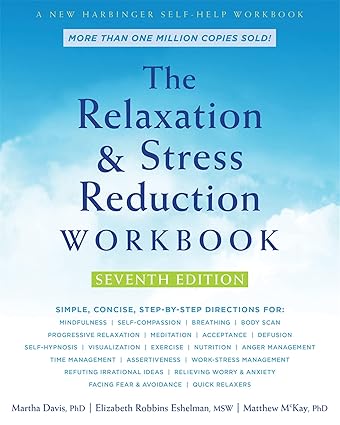
Breaking Free from Autopilot: Connecting Mind, Body, and Money
Here’s where the Triangle of Well-being becomes practical. You can’t achieve lasting mental resilience without addressing all three pillars.
How Physical Wellness Supports Mental Strength
You don’t need a gym membership or fancy equipment. You need movement. Mental health tips for middle aged men always include physical activity because it’s one of the most effective natural antidepressants available.
Starter options by budget:
Free:
- Walking 20 minutes daily (proven to reduce anxiety by 20%)
- Bodyweight exercises at home (push-ups, squats, planks)
- YouTube workout channels (Fitness Blender, HASfit)
Budget-friendly ($20-50):
- Resistance bands ($13)
- Adjustable dumbbells (starting at $25 for a pair)
- Jump rope ($16)
Investment ($100-200):
- Adjustable kettlebell ($149, replaces multiple weights)
- Used equipment from Facebook Marketplace or Craigslist
Explore our complete guide to sustainable fitness after 40 for detailed workout plans that fit your schedule and budget.

Why Financial Stress Keeps You Stuck
Let’s be real: financial stress is probably a major factor in why you’re feeling stuck in life after 40. Money worries create constant background anxiety that drains your mental energy.
You don’t need to be wealthy to reduce financial stress. You need clarity and control.
Three immediate actions:
- Know your numbers: Spend one hour this week listing all income and expenses. Use a free app like Mint, a simple spreadsheet, or pen and paper. You can’t fix what you can’t see.
- Find $50: Look at last month’s spending. Find one unnecessary $50 expense (subscriptions you don’t use, eating out, impulse purchases). Redirect it to an emergency fund. That’s $600/year—enough to handle most small emergencies that currently cause panic.
- Start a side income stream: Even an extra $200-500/month changes your mental state dramatically. Learn about creating multiple income streams after 40 in our financial independence guide.
Recommended reading:


Straightforward investing advice.

Simple tracking beats complex apps.
The Mental-Physical-Financial Connection in Action
Real example: John, 47, warehouse supervisor, felt stuck for three years.
Month 1: Started walking 15 minutes during lunch break (physical). Free.
Month 2: Used that walk time to listen to personal finance podcasts (financial). Free.
Month 3: Morning energy improved, started waking 30 minutes earlier (mental clarity). Used that time to learn basic investing.
Month 6: Lost 15 pounds, paid off one credit card, started a small side business reselling items on eBay. Most importantly—felt like himself again.
Total investment: $0 for the first three months. The confidence and momentum were priceless.
Your 30-Day Mental Reset Action Plan
How to reset your life after 40 male edition—practical, day-by-day guidance.
Week 1: Awareness (Foundation Building)
Goal: Understand your current patterns without judgment.
Daily tasks (10-15 minutes total):
- Morning: 5-minute breathing exercise
- Throughout day: Notice when you’re on autopilot (just observe, don’t change yet)
- Evening: Write down one pattern you noticed
End of week: You’ll have identified 7 patterns. Pick ONE to change in Week 2.
Week 2: Small Action (Building Momentum)
Goal: Make one small change and stick with it.
Daily tasks (15-20 minutes total):
- Morning: 5-minute breathing + state your one change for today
- Throughout day: Execute your one pattern interrupt
- Evening: Confidence Bank—write three things you did well
Examples of one small change:
- Wake up 15 minutes earlier
- No phone for first 30 minutes after waking
- 10-minute walk after dinner
- Read 10 pages before bed instead of scrolling
Week 3: Integration (Connecting the Triangle)
Goal: Add one action that connects two pillars of the Triangle.
Daily tasks (20-25 minutes total):
- Morning: Breathing + intention setting
- Midday: Your Week 2 habit + one new physical activity (even just stretching)
- Evening: Confidence Bank + Worry Window (if needed)
Physical-Mental connections:
- Walk while thinking through a problem
- Do push-ups when feeling anxious (burns off stress hormones)
- Stretch while listening to an audiobook
Financial-Mental connections:
- Review budget while in a calm state (not panicked)
- Listen to financial podcasts during commute
- Automate one bill payment (reduces mental load)
Week 4: Expansion (Building Your System)
Goal: Create a sustainable daily routine that supports all three pillars.
Daily tasks (30 minutes total):
- Morning: Full 10-minute routine (breathing, gratitude, intention, quick physical movement)
- Throughout day: Pattern interrupts + physical activity
- Evening: Reflection, Confidence Bank, plan tomorrow
By day 30: You’ll have:
- 30 days of evidence you can change
- 90+ entries in your Confidence Bank
- A sustainable routine that fits your life
- Momentum to keep going

Common Obstacles (And How to Overcome Them)
Obstacle 1
“I don’t have time”
Reality check: You have time. You’re spending it on autopilot activities that don’t serve you.
Solution: The exercises in this guide take 10-30 minutes daily. That’s less time than scrolling social media, which you probably do without thinking. Track your time for three days using your phone’s screen time feature. You’ll find the time.
Quick win: Replace 15 minutes of morning phone scrolling with your mental reset routine.
Obstacle 2
“I’ve tried before and failed”
Reality check: You didn’t fail. You tried an unsustainable approach.
Solution: This time, you’re starting smaller. One habit. One change. Build momentum before adding more. Read about breaking through mental blocks that sabotage your progress.
Mindset shift: “I’ve tried before” means you have experience. Use it. What didn’t work last time? Do the opposite.
Obstacle 3
“My family won’t understand”
Reality check: They might not, initially. Change makes people uncomfortable, even positive change.
Solution: You don’t need permission. Start with changes that only affect you (morning routine, lunch break walks, evening reflection). As they see positive results, resistance usually fades.
Communication tip: Instead of announcing “I’m changing everything,” just do it quietly. Results speak louder than declarations.
Obstacle 4
“I can’t afford it”
Reality check: The core mental reset for men over 40 costs nothing. Breathing, walking, reflection, pattern interrupts—all free.
Solution: Start with zero-cost strategies. Add tools only when you’ve proven the habit and have budget available. Every recommendation in this guide includes a free or low-cost option.
Perspective shift: Not investing in yourself is more expensive long-term. Staying stuck costs you in health, relationships, opportunities, and life satisfaction.
Obstacle 5
“What if it’s too late?”
Reality check: It’s not. Men in their 40s, 50s, 60s, and beyond make significant life changes every single day.
Solution: Stop thinking in terms of “too late” and start thinking in terms of “starting now.” You have 30-40+ years ahead of you. What you do today shapes all of them.
Inspiration: Colonel Sanders started KFC at 62. Vera Wang entered fashion design at 40. Samuel L. Jackson got his first major role at 43. Your timeline is your own.
Next Steps: Your Mental Reset Starts Today
You’ve read the guide. You understand the framework. You have the exercises and the 30-day plan. Now comes the most important part: starting.
Not tomorrow. Not Monday. Not after you “get everything organized.” Today. Right now.
Your Immediate Action (Next 10 Minutes)
- Choose one exercise from this guide. Just one. (I recommend the 5-Minute Morning Reset—simple, powerful, free.)
- Schedule it for tomorrow morning. Set an alarm 10 minutes earlier than usual.
- Prepare what you need: If you’re using a notebook, put it on your nightstand with a pen. If you’re using your phone, open the notes app and title a new note “Mental Reset Journal.”
- Tell someone (optional but powerful): Text a friend, partner, or family member: “Starting something new tomorrow. Hold me accountable.”
Resources to Support Your Journey
Free resources:
- This blog: Weekly articles on physical wellness, mental resilience, and financial independence
- Insight Timer app: Free guided meditations
- YouTube: Fitness Blender, HASfit, The Financial Diet
Budget-friendly books ($15-25):
- Atomic Habits by James Clear ($16, the definitive guide to building sustainable habits)
- Can’t Hurt Me by David Goggins ($18, intense but incredibly motivating for mental toughness)
- The Obstacle Is the Way by Ryan Holiday ($17, Stoic philosophy applied to modern challenges)
Investment tools ($25-100):
- Five Minute Journal ($25)
- Fitbit Inspire 3 ($100)
- Adjustable kettlebell ($149)
- Weekly mental reset exercises
- Success stories from men like you
- Practical tips for all three pillars of well-being
- Accountability and support
Check out stress management strategies for busy men and see how small mindset changes create major breakthroughs in our related guides.
The Bottom Line

Feeling stuck in life after 40 isn’t a life sentence. It’s a signal that something needs to change. This mental reset for men over 40 gives you the framework, exercises, and action plan to make that change—regardless of your income, profession, or current situation.
You don’t need to overhaul your entire life overnight. You need to start small, build momentum, and trust the process. The Triangle of Well-being—mental, physical, and financial health—works together to create lasting transformation.
“The best time to plant a tree was 20 years ago. The second best time is now.”
— Chinese Proverb
Remember: You’re not broken. You’re not too old. You’re not too far behind. You’re exactly where you need to be to start building the life you actually want to live.
The question isn’t whether you can do this. The question is: will you start today?
Your mental reset starts now. Take the first step.
Our latest Posts
How to Pay Off Credit Card Debt Fast (Without Doing Anything Extreme)
If you’re a guy in your 40s or 50s, there’s a good chance you’ve got a lot on your plate—work, family, aging parents, a body that doesn’t bounce back like…Dumbbell-Only Home Workout for Men 40+ (30 Minutes, 3 Days/Week)
Why This Plan Works (Especially After 40) If you’re a man over 40, you’ve probably learned this the hard way: you can’t train like you’re 25 anymore.Not because you’re “old”……


Disclosure
This article contains affiliate links. If you choose to make a purchase through these links, we may earn a commission at no additional cost to you.
Important note: The information provided in this post is for educational and informational purposes only. While we’ve spent over a decade studying health, wellness, and financial strategies, we are not a licensed healthcare provider, mental health professional, or financial advisor. Everyone’s situation is unique, so what works for one person might not work for another. For physical health matters, always consult your doctor before starting any new fitness program. For mental health concerns, please seek qualified mental health professionals. For financial decisions, consult with certified financial advisors who can assess your specific situation. The content here reflects personal research and experience but shouldn’t replace professional advice in any of these areas. By reading and using this information, you’re taking responsibility for your own decisions. Your health, mind, and money deserve professional guidance when needed. Stay awesome!