Breaking Free from Paycheck to Paycheck: Your First Steps to Financial Freedom
If you’re reading this, chances are you’re tired. Tired of watching your bank account hit zero before payday. Tired of that knot in your stomach when an unexpected bill arrives. Tired of feeling like you’re running on a financial treadmill that never stops.
“The best time to plant a tree was 20 years ago. The second best time is now.”
– Chinese Proverb
You’re not alone. Breaking free from paycheck to paycheck living isn’t just about money—it’s about reclaiming your peace of mind, your choices, and your future. And here’s the truth that nobody tells you: financial freedom over 40 is not only possible, it’s actually easier than you think once you know the right steps.
This isn’t about becoming a millionaire or mastering complex investment strategies. This is about paycheck to paycheck solutions that work in the real world, for real people, with real bills and real responsibilities. Whether you’re making $35,000 or $85,000 a year, these first steps will work for you.
Let’s break the cycle together.
Disclosure
This article contains affiliate links. If you choose to make a purchase through these links, we may earn a commission at no additional cost to you.
Why Men Over 40 Stay Stuck in the Paycheck to Paycheck Cycle

Before we dive into solutions, let’s understand why so many capable, hardworking men find themselves trapped in this exhausting pattern.
The paycheck to paycheck cycle is when all your income is spent before the next paycheck arrives, leaving no cushion for emergencies or savings. It’s a stressful way to live that keeps you stuck, constantly reacting to financial emergencies instead of planning for your future.
Here’s what keeps the cycle spinning:
The Lifestyle Creep Trap
As your income increased over the years, so did your expenses. That nicer apartment, the newer car, the subscription services you forgot you have—they all add up. You’re making more than you did at 25, but somehow you have less left over.
The “I’ll Start Tomorrow” Mindset
You’ve been meaning to create a budget, pay down debt, or start saving. But life keeps happening. The car needs repairs. The kids need school supplies. There’s always something, right? This is the money mindset that keeps you stuck.
The Knowledge Gap
Nobody taught you this stuff in school. Personal finance for beginners sounds simple until you’re drowning in credit card statements and wondering where to start. The financial world uses complicated terms that make you feel like you need a degree just to understand your own money.
The Income Illusion
You think, “If I just made $10,000 more a year, everything would be fine.”
But here’s the hard truth: paycheck to paycheck stress isn’t always about how much you make—it’s about how you manage what you have. We’ve seen guys making six figures living the same way as guys making $40k.
The good news? Once you understand these traps, you can avoid them. And that starts with three fundamental steps.
Step 1
Debt Elimination Basics
Your First Step to Financial Freedom
Let’s talk about debt. Not the scary, shame-filled conversation you’ve been avoiding, but an honest, practical look at what you owe and how to handle it.
Debt elimination is simply a step-by-step plan to pay off what you owe—credit cards, loans, medical bills—so more of your paycheck stays in your pocket instead of going to interest payments. Think of it like clearing the clutter from your garage: overwhelming at first, but freeing once you start.
Get Crystal Clear on What You Owe
First, you need to know exactly what you’re dealing with. Grab a notebook (or use your phone) and list every debt:
- Credit card balances
- Car loans
- Personal loans
- Medical bills
- Any money you owe to family or friends
For each debt, write down:
- Total amount owed
- Minimum monthly payment
- Interest rate (the percentage the lender charges you to borrow money)
This might feel uncomfortable. Do it anyway. You can’t fix what you won’t face.
Choose Your Debt Payoff Strategy
There are two proven debt elimination strategies that work for regular people:
The Snowball Method (Recommended for Beginners)
Pay off your smallest debt first, regardless of interest rate. Once it’s gone, take that payment amount and add it to the next smallest debt. It’s like rolling a snowball downhill—it gets bigger and faster as it goes.
Why it works: Quick wins keep you motivated. Paying off that $500 medical bill in two months feels amazing and gives you momentum to tackle the bigger stuff.
Example: John, a 47-year-old warehouse supervisor, had five debts totaling $18,000. He started with his smallest ($350 credit card) and paid it off in six weeks. That psychological win kept him going through the tougher debts.
The Avalanche Method (Best for Saving Money)
Pay off the debt with the highest interest rate first. Mathematically, this saves you the most money over time.
Why it works: High-interest debt (like credit cards at 18-24%) costs you a fortune in interest. Eliminating it first stops the bleeding.
Choose the method that fits your personality. Need motivation? Go snowball. Prefer logic and math? Go avalanche. Either way, you’re moving forward.
Make It Automatic
Here’s a game-changer: set up automatic payments for your debt elimination plan. Most banks and credit card companies let you schedule automatic payments.
Find Extra Money (Without Getting a Second Job)
You don’t need a massive income boost to start eliminating debt. Here are realistic ways to find an extra $100-300 per month:
- Cut one subscription service you rarely use ($10-50/month)
- Pack lunch twice a week instead of buying ($40-80/month)
- Negotiate your car insurance (call and ask for discounts—seriously, just ask) ($20-50/month)
- Sell stuff you don’t use on Facebook Marketplace (one-time boost of $200-500)
- Use cash-back apps for groceries you’re already buying ($15-30/month)
That’s not deprivation—that’s being intentional with your money. Every dollar you redirect toward debt is a dollar working for your freedom instead of the credit card company’s profit.

Step 2
Building Your Emergency Fund on Any Income
Here’s a statistic that should make you uncomfortable: 60% of Americans couldn’t cover a $1,000 emergency without going into debt. If your car breaks down or you need an emergency dental procedure, what happens?
An emergency fund is your financial safety net—money set aside for unexpected expenses like car repairs, medical bills, or job loss, so you don’t go into debt when life happens. It’s the difference between a crisis and an inconvenience.
Start Small: The $1,000 Challenge
Forget what you’ve heard about needing 6 months of expenses saved. That’s the goal, but it’s not the starting line. Your first target is $1,000.
Why $1,000? Because it covers most common emergencies:
- Car repair: $300-800
- Urgent care visit: $150-300
- Broken appliance: $200-600
- Emergency vet bill: $200-500
This is building emergency fund on tight budget territory—totally doable, even if money is tight.
The 12-Week Emergency Fund Plan
Let’s break down how to save $1,000 in 12 weeks, regardless of your income level:
If you can save $85/week:
- Skip eating out twice ($40)
- Cancel one unused subscription ($15)
- Bring coffee from home ($20)
- Sell one item you don’t need ($10)
If you can only save $40/week:
- Extend the timeline to 25 weeks (6 months)
- Focus on one small habit change at a time
- Celebrate every $100 milestone
If you can save $200/week:
- You’ll hit $1,000 in just 5 weeks
- Then immediately start building toward 3-6 months of expenses
The amount doesn’t matter as much as the consistency. This is about building the money habits that will serve you for life.
Where to Keep Your Emergency Fund
Don’t keep it in your regular checking account—that’s too easy to spend. But don’t lock it in investments either—you need quick access in emergencies.
Best option: A high-yield savings account separate from your main bank. Look for:
- No monthly fees
- No minimum balance requirements
- Easy online access
- FDIC insured (this means the government protects your money up to $250,000)

The “No-Touch” Rule
Once you put money in your emergency fund, it’s invisible. It doesn’t exist for wants, only for true emergencies.
Not for:
- A sale on something you’ve been wanting
- Vacation
- Upgrading your phone
Only for:
- Unexpected medical expenses
- Critical car or home repairs
- Job loss
- True emergencies you couldn’t predict
This is where financial discipline separates those who break free from those who stay stuck.
Step 3
The Money Mindset Shifts That Change Everything
Here’s what nobody tells you about starting financial journey at 40: the biggest obstacle isn’t your income, your debt, or your age. It’s the story you tell yourself about money.
Money mindset is simply how you think and feel about money—your beliefs, habits, and emotional reactions to earning, spending, and saving. Change your mindset, and you change your financial future.
Shift #1: From “I Can’t Afford It” to “How Can I Afford It?”
The first phrase shuts down possibilities. The second opens them up.
When you say “I can’t afford it,” you’re done thinking. When you ask “How can I afford it?” your brain starts problem-solving.
Example: You want to take a weekend trip that costs $400.
- Old mindset: “I can’t afford that. I’m broke.”
- New mindset: “How could I afford that? Maybe I could pick up one extra shift, sell some stuff I don’t use, or save $100/month for four months.”
See the difference? One is a dead end. The other is a roadmap.
Shift #2: From Shame to Strategy
If you’re in your 40s or 50s and still struggling financially, you might feel embarrassed. Like you “should” have figured this out by now.
Stop. That shame is useless and it’s keeping you stuck.
Financial freedom over 40 isn’t about where you should be—it’s about where you’re going. Some of the most successful financial turnarounds I’ve seen have been from men who decided at 45, 50, or even 55 that enough was enough.
Your past doesn’t define your future. What you do starting today does.

Shift #3: From Scarcity to Abundance
Scarcity mindset says: “There’s never enough. I have to hold tight to every dollar.”
Abundance mindset says: “There are always opportunities to earn, save, and grow. Money flows.”
This doesn’t mean being reckless. It means believing that financial security is possible for you, not just for “other people.”
Real-world example: Mike, 52, spent years afraid to spend a dime on himself, even for necessary things like new work boots. His scarcity mindset made him miserable. When he shifted to abundance thinking, he realized he could budget for both necessities AND occasional treats without guilt. His finances didn’t change overnight, but his stress level dropped dramatically.
Shift #4: From Victim to Owner
“The economy is terrible.”
“My job doesn’t pay enough.”
“I never learned about money.”
All of those might be true. But they’re also excuses that keep you powerless.
Ownership mindset says: “Regardless of circumstances, I’m responsible for my financial future. I might not control everything, but I control my choices.”
This is the foundation of changing money mindset after 40. You’re not a victim of your past decisions or current circumstances. You’re the author of your next chapter.
Shift #5: From Instant Gratification to Delayed Gratification
This is the hardest shift, but it’s also the most powerful.
We live in an instant-everything culture. Want something? Click “buy now” and it’s at your door tomorrow. But financial independence for men over 40 requires playing the long game.
Delayed gratification means choosing future freedom over present comfort. It means:
- Paying off debt instead of upgrading your phone
- Packing lunch instead of hitting the drive-thru
- Saving for a vacation instead of putting it on a credit card
The payoff: In 6 months, 12 months, 24 months, you’ll have financial breathing room that most people never experience. You’ll sleep better. You’ll stress less. You’ll have choices.

Your 30-Day Action Plan to Escape Paycheck to Paycheck
Okay, enough theory. Let’s get practical. Here’s your step-by-step roadmap for the next 30 days. Follow this, and you’ll be further ahead than 90% of people who just read and never act.
Week 1: Get Clear (Days 1-7)
Day 1-2: List every debt you owe. Total it up. Yes, it might hurt. Do it anyway.
Day 3-4: Track every dollar you spend for two days. Every coffee, every snack, every bill. Use your phone’s notes app or a small notebook.
Day 5: Calculate your monthly income (after taxes) and your monthly expenses. What’s left over? If the answer is “nothing” or “negative,” you’ve found your problem.
Day 6: Identify three expenses you could reduce or eliminate this month. Be honest but realistic.
Day 7: Set your first financial goal: “I will save $1,000 for emergencies in the next [X] weeks.”
Week 2: Take Action (Days 8-14)
Day 8: Open a separate savings account for your emergency fund. Many online banks offer high-yield savings with no minimums.
Day 9: Set up automatic transfer of $25-50 (or whatever you can) to your emergency fund every payday.
Day 10: Choose your debt payoff method (snowball or avalanche) and list your debts in the order you’ll attack them.
Day 11: Call one creditor and ask about lowering your interest rate. Seriously, just ask. Many will do it.
Day 12: Cancel one subscription you don’t use regularly. Transfer that monthly amount to debt payoff.
Day 13: Sell one item you don’t need. Put that money directly into your emergency fund.
Day 14: Celebrate your progress. You’ve taken more action in two weeks than most people take in a year.
Week 3: Build Systems (Days 15-21)
Day 15: Create a simple budget. Don’t overcomplicate it. Income minus expenses equals what’s left for debt and savings.
Day 16: Set up automatic payments for all bills. Late fees are wealth killers.
Day 17: Start a “found money” jar. Every time you get unexpected money (rebate, cash back, birthday money), it goes straight to debt or savings.
Day 18: Pack your lunch for the next three days. Calculate how much you’re saving.
Day 19: Review your subscriptions. Keep only what you actually use weekly.
Day 20: Research side income opportunities that fit your skills. (We’ll cover this more in Creating Multiple Income Streams After 40—one of our cornerstone articles on financial independence.)
Day 21: Update your debt payoff tracker. Seeing progress is motivating.

Week 4: Momentum (Days 22-30)
Day 22: Check your emergency fund balance. Even if it’s only $100, that’s $100 more than you had a month ago.
Day 23: Make an extra payment on your smallest debt, even if it’s just $20.
Day 24: Read or listen to one chapter of a personal finance book. Knowledge builds confidence.
Day 25: Talk to someone you trust about your financial goals. Accountability matters.
Day 26: Calculate your net worth (assets minus debts). It might be negative. That’s okay—you’re tracking progress now.
Day 27: Plan next month’s budget before the month starts. This is how you get ahead of expenses instead of reacting to them.
Day 28: Review what worked this month and what didn’t. Adjust your plan.
Day 29: Set your goal for month two. Maybe it’s saving another $200, or paying off that smallest debt completely.
Day 30: Reflect on how you feel compared to 30 days ago. Less stressed? More in control? That’s the beginning of financial freedom.


The Tools That Make It Easier
You don’t need expensive software or complicated systems. Here are the simple tools that actually work for breaking free from paycheck to paycheck:
Physical Tools
1. Cash Envelope System Wallet
Old-school but effective. Allocate cash for categories like groceries, gas, and entertainment. When the envelope is empty, you’re done spending in that category. This is especially helpful if you struggle with overspending on cards.
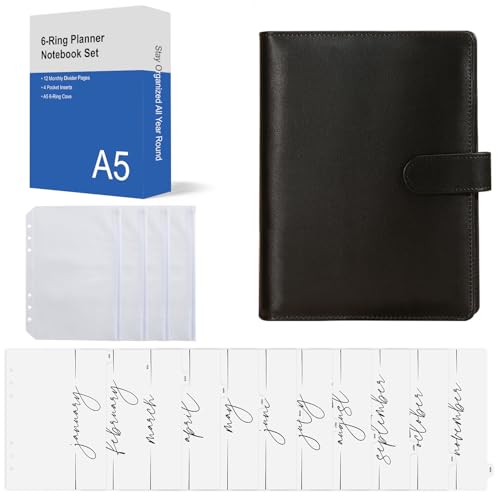
2. Financial Planning Notebook
A dedicated notebook for tracking goals, debts, and progress. The act of writing engages your brain differently than typing. Many guys find this more effective than apps.
3. Portable Safe Box
Keep your emergency fund cash somewhere secure but accessible. Seeing physical cash grow is incredibly motivating for some people, especially when starting out.
Digital Tools (Free Options)
1. Mint or YNAB (You Need A Budget)
These apps connect to your bank accounts and track spending automatically. YNAB costs money but teaches budget planning better than any other tool.
2. Debt Payoff Planner Apps
Free apps that calculate your payoff timeline and show you how extra payments accelerate your progress.
3. High-Yield Savings Account
Not a tool exactly, but essential. Online banks like Ally, Marcus, or Discover offer 4-5% interest (as of 2025) with no fees. Your emergency fund should work for you.
Common Obstacles (And How to Overcome Them)
Let’s be real: escape paycheck to paycheck lifestyle isn’t a straight line. You’ll hit obstacles. Here’s how to handle the most common ones:
Obstacle 1
Unexpected Expenses (Before Your Emergency Fund Is Built)
Solution: If you get hit with an emergency before your fund is ready, handle it, then get right back on track. One setback doesn’t erase your progress. Consider a small personal loan with a fixed payment rather than putting it on a high-interest credit card.
Obstacle 2
“My Family Doesn’t Support My Goals”
Solution: You don’t need their permission or understanding. Keep your financial goals to yourself if needed. Find support in online communities or forums for people on the same journey. (Check out our article on Building Unshakeable Confidence in Your 40s and Beyond for more on handling external pressure.)
Obstacle 3
Feeling Overwhelmed
Solution: Focus on just one action per day. Not ten. One. Paid an extra $25 on debt today? That’s a win. Transferred $10 to savings? Win. Small actions compound into massive results.
Obstacle 4
Income Fluctuation (Irregular Paychecks)
Solution: Base your budget on your lowest typical month. Anything above that goes to debt or savings. This creates a buffer for lean months. For more strategies, read The Mid-Life Wealth Building Blueprint, which covers cash flow management for irregular income.
Obstacle 5
Old Habits Creeping Back
Solution: This is normal. Breaking bad money habits middle age is hard because they’re deeply ingrained. When you slip, acknowledge it without shame, and restart immediately. The difference between success and failure is how quickly you get back on track.

What Financial Freedom Actually Looks Like
Let’s get specific about what you’re working toward, because financial freedom means different things to different people.
Level 1: Financial Stability (6-12 months)
- $1,000 emergency fund
- No new debt
- Bills paid on time
- Basic budget in place
- You sleep better at night
Level 2: Financial Security (1-3 years)
- 3-6 months expenses saved
- High-interest debt eliminated
- Consistent savings habit
- Some discretionary spending without guilt
- You stop checking your bank balance obsessively
Level 3: Financial Independence (3-10 years)
- No consumer debt
- Retirement accounts growing
- Multiple income streams
- Money working for you through investments
- You make choices based on what you want, not what you can afford
You’re aiming for Level 1 right now. That’s enough. Master that, and Level 2 becomes inevitable.
Resources for Continued Learning
Books:
- The Total Money Makeover by Dave Ramsey – The debt snowball method explained in detail
- Your Money or Your Life by Vicki Robin – Transforms your relationship with money
- I Will Teach You to Be Rich by Ramit Sethi – Practical, no-BS financial advice
Related Articles on Our Site:
- The Mid-Life Wealth Building Blueprint – Deep dive into wealth building after 40
- The Triangle of Well-being – How physical, mental, and financial health connect
- Mindset Mastery: Why Most Men Stay Stuck – More on money mindset transformation
- The Over-40 Body Reset – Physical wellness supports financial discipline
Your Next Steps Start Now

Here’s the truth: reading this article changes nothing. Acting on it changes everything.
You now have paycheck to paycheck solutions that work. You know the three foundational steps: eliminate debt, build an emergency fund, and shift your mindset. You have a 30-day action plan that breaks it all down into manageable daily actions.
The question is: will you start?
Not tomorrow. Not next Monday. Not when you “feel ready.”
Today. Right now. Pick ONE action from the Week 1 list and do it in the next hour.
“A journey of a thousand miles begins with a single step.”
– Lao Tzu
Breaking free from paycheck to paycheck isn’t about making perfect decisions. It’s about making better decisions, consistently, over time. It’s about choosing your future over your comfort. It’s about believing that financial freedom over 40 is possible for you—because it absolutely is.
You’ve spent years living one way. Give yourself at least 90 days to try something different. Track your progress. Celebrate small wins. Adjust what doesn’t work. Keep moving forward.
Three months from now, you could be in the exact same financial situation, or you could have $500 in emergency savings, one debt paid off, and a plan that’s actually working.
The choice is yours. The time is now.
What’s your first step today?
Disclosure
This article contains affiliate links. If you choose to make a purchase through these links, we may earn a commission at no additional cost to you.
Important Note: The information provided in this article is for educational purposes only and should not be considered financial advice. Always consult with a qualified financial advisor before making significant financial decisions. Your situation is unique, and these general guidelines may need to be adjusted to your specific circumstances.