Budget Planning for Men Over 40: A Simple, Step-by-Step Guide
Why Budget Planning Matters After 40
Ever found yourself at the end of the month wondering, “Where did my money go?” You’re not alone. For men over 40, juggling work, family, and life’s curveballs, budget planning can feel overwhelming—or even pointless if you’ve never done it before. But here’s the truth: it’s never too late to take control of your finances.
Whether you’re a shift worker, a business owner, or somewhere in between, personal finance basics are for everyone. Budgeting isn’t about pinching every penny or giving up things you love. It’s about creating a simple plan so your money works for you—not the other way around.
Disclosure
This article contains affiliate links. If you choose to make a purchase through these links, we may earn a commission at no additional cost to you.
Related Article
Check out our Mid-Life Wealth Building Blueprint for more on taking charge of your financial future.

Busting Budgeting Myths (and Why Most Men Over 40 Skip It)
Let’s get real. Most guys over 40 never learned how to build a budget. Maybe you think it’s too late, or that budgeting is only for people with big incomes or lots of debt. Or maybe you tried and it felt too complicated, so you gave up.
- “I don’t make enough to need a budget.”
- “Budgeting is too technical.”
- “I’ll never stick to it anyway.”
Reality: Budget planning is for everyone, no matter your income, job, or background. The key? Keep it simple and start small.
Step 1: Track Your Income (The Simple Way)
Let’s break this down. Before you can plan your budget, you need to know what’s coming in.
Micro-Action:
Grab a sticky note or your phone and write down every source of income you have. That’s your paycheck, side hustles, social security, or any money that comes in regularly.
Example:
Mike, a self-employed contractor, realized he was forgetting to count small weekend jobs. Once he tracked those, he saw an extra $200/month he hadn’t noticed before.

Step 2: List Your Expenses (Fixed & Flexible)
Here’s where most people get stuck. Expenses come in two flavors:
- Fixed Expenses: These are the same every month (like rent, mortgage, car payment).
- Flexible Expenses: These change (groceries, gas, eating out).
Micro-Action:
Pull up your last bank statement or credit card bill. Write down every payment you made last month. Don’t worry about categories yet—just get it all on paper.
Example:
John, a father of two, realized his “occasional” takeout was adding up to over $150/month. Just seeing it in black and white was eye-opening.
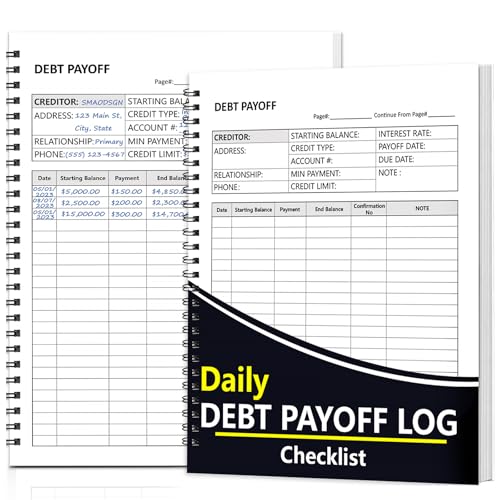

Step 3: Create Your First Simple Budget
Now that you know what’s coming in and what’s going out, it’s time to build your first budget. Don’t worry about perfection—just focus on getting something down.
Micro-Action:
Subtract your total expenses from your total income. If you have money left over, great! If not, don’t stress. The goal is to see where you stand and make small changes.
Example:
Let’s say your monthly income is $3,000, and your expenses add up to $2,900. That leaves $100 to put towards savings or paying off debt.
Tip: Even if your numbers don’t balance at first, you’re already ahead of most men over 40—just by knowing your numbers.

Related Article
For more on getting started, check out:

Step 4: Adjust for Real Life (and Don’t Stress Mistakes)
Life happens—unexpected bills, a last-minute trip, or just a rough month. Your budget isn’t set in stone. It’s a tool you can adjust anytime.
Micro-Action:
Pick one expense to reduce this month. Maybe it’s eating out, streaming subscriptions, or grabbing coffee on the go. Even saving $10 is a win!
Example:
Dave, a shift worker, swapped his daily $3 coffee for a thermos from home and saved $60 in a month—enough to cover his gym membership.

Related Article
Need ideas for sustainable changes?

Tools, Apps, and Resources for Easy Budget Planning
You don’t need fancy spreadsheets or a finance degree to manage your money. There are plenty of simple tools and apps designed for beginners.
- EveryDollar: A free, user-friendly app that walks you through budget setup step by step. Great for men over 40 who want no-fuss tracking.
- Goodbudget: Uses the “envelope method” to help you divide your money into categories. Super visual and easy to use.

Related Article
Want more ways to grow your financial skills? Check out our Triangle of Well-being article for mindset, money, and health tips.

Common Budgeting Mistakes (and How to Avoid Them)
Even the best plans hit bumps. Here are some mistakes men over 40 often make when starting out—and how to sidestep them:
Mistake 1
Trying to be perfect
Budgeting is a skill, not a test. If you overspend, just adjust next month. Progress over perfection!
Mistake 2
Forgetting “once-in-a-while” expenses
Things like car maintenance, birthdays, or yearly renewals can sneak up. Create a “miscellaneous” category to cover surprises.
Mistake 3
Not involving your partner or family
If others share your finances, loop them in. Teamwork makes sticking to a budget easier.
Mistake 4
Making it too complicated
Start simple. Track just 3-5 categories at first (like groceries, bills, and fun money).
Related Article
See our Personal Success Ecosystem post for tips on building supportive habits and routines.

Real-World Budget Examples for Men Over 40
Let’s look at two sample budgets—one for a single guy working shifts, another for a father supporting a family. These show how budget planning can fit any lifestyle.
Example 1: Mike, Single Shift Worker
- Income: $2,500/month
- Fixed Expenses: $1,200 (rent, utilities)
- Flexible Expenses: $900 (food, gas, fun)
- Savings: $200
- Leftover: $200 (emergency fund or debt)
Example 2: John, Father of Two
- Income: $4,200/month
- Fixed Expenses: $2,000 (mortgage, bills, insurance)
- Flexible Expenses: $1,500 (groceries, kids’ activities, fuel)
- Savings: $400
- Leftover: $300 (vacation or investments)


FAQ: Budget Planning for Men Over 40
Final Thoughts: Start Small, Win Big
Budget planning for men over 40 doesn’t have to be complicated. Start with these simple steps, use the tools that fit your life, and remember—every small win adds up.
Ready to take control? Try one micro-action today, like jotting down your income or picking a budget app.
“A budget is telling your money where to go instead of wondering where it went.”
– Dave Ramsey
Related: Next, read our 90-Day Summer Challenge for more ways to build momentum in your life.
Disclosure
This article contains affiliate links. If you choose to make a purchase through these links, we may earn a commission at no additional cost to you.
Important Note: The information provided in this article is for educational purposes only and should not be considered financial advice. Always consult with a qualified financial advisor before making significant financial decisions. Your situation is unique, and these general guidelines may need to be adjusted to your specific circumstances.