Creating Your First Emergency Fund (Even on $50/Month)
Think you can’t build an emergency fund because you’re living paycheck to paycheck? Think again. If you’ve got $50 a month—less than the cost of a couple of takeout meals—you can start building the financial safety net that’ll give you peace of mind and real security.
“The best time to plant a tree was 20 years ago. The second best time is now.”
– Chinese Proverb
This isn’t about becoming rich overnight. It’s about creating a financial cushion that protects you when life throws curveballs. And trust me, life will throw curveballs.
Disclosure
This article contains affiliate links. If you choose to make a purchase through these links, we may earn a commission at no additional cost to you.
What Exactly Is an Emergency Fund? (Let’s Keep It Simple)

An emergency fund is your “life happens” money—cash you set aside specifically for unexpected expenses like car repairs, medical bills, home emergencies, or sudden job loss. It’s not for vacations, new gadgets, or impulse purchases. It’s your financial buffer between you and disaster.
Think of it as insurance you create for yourself. When your car breaks down or your water heater dies, you won’t need to panic, max out credit cards, or borrow money. You’ll have cash ready to handle it.
Why Men Over 40 Need This More Than Ever
Here’s the reality: if you’re in your 40s or 50s, you’ve probably already experienced a few financial emergencies. Maybe you handled them, maybe they set you back. Either way, you know that feeling of financial stress—and you know you don’t want to experience it again.
The good news? Starting an emergency fund on a budget is completely doable, even if you’re starting from zero. This is a core part of achieving financial independence, one of the three pillars we focus on at “Uh oh, what now?”
How Much Do You Really Need?
Financial experts typically recommend saving 3-6 months of expenses. If you spend $3,000 per month on rent, food, bills, and other necessities, that means you’d eventually want $9,000-$18,000 saved.
But don’t let that number scare you off.
That’s your ultimate goal, not your starting point. Right now, your first milestone is much simpler: $500-$1,000. That’s your starter emergency fund, and it’ll cover most common emergencies like:
- Flat tire or minor car repair: $150-$300
- Urgent dental work: $200-$500
- Broken phone or laptop: $200-$400
- Emergency vet visit: $150-$400
- Unexpected medical co-pay: $100-$300
At $50 per month, you’ll hit $600 in one year. That’s real money that can handle real emergencies. And once you hit that first milestone, you keep building.
The $50/Month Strategy: Your Step-by-Step Plan
Step 1: Open a Separate Savings Account
Don’t keep your emergency fund in your regular checking account. You’ll spend it. Trust me on this.
Open a high-yield savings account—that’s just a savings account that pays you extra money (called interest) for keeping your cash there. It’s like getting a small bonus for saving.
Look for accounts with:
- No monthly fees
- No minimum balance requirements
- Easy online access
- FDIC insured (this means your money is protected)
Popular options include Marcus by Goldman Sachs, Ally Bank, or your local credit union. Many offer interest rates around 4-5%, which means your money actually grows while sitting there.
Step 2: Set Up Automatic Transfers
This is the secret sauce. Set up your bank to automatically move $50 from your checking account to your emergency savings account every month—preferably right after payday.
Why automatic? Because it removes the decision-making. You’re not relying on willpower or remembering to transfer money. It just happens, like paying a bill. You’re paying yourself first.
Most banks let you set this up in minutes through their app or website. If you need help, call customer service—they’ll walk you through it.
Step 3: Track Your Progress
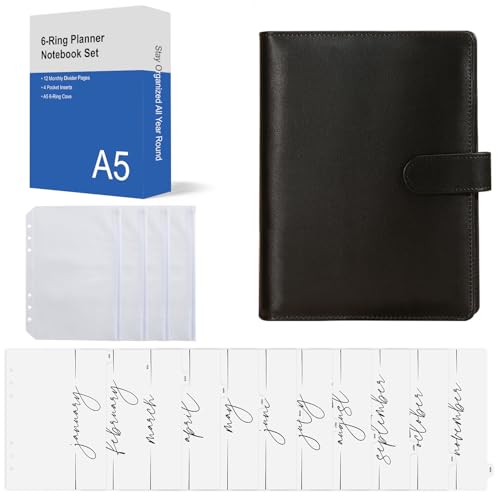
There’s something powerful about watching your emergency fund grow. Grab a simple notebook or use a budgeting app to track your balance monthly.
Celebrate milestones:
- First $100 saved
- First $250 saved
- First $500 saved (your initial goal!)
- First $1,000 saved

Step 4: Find Your $50 (It’s Easier Than You Think)
If you’re thinking “I don’t have an extra $50,” I hear you. But let’s get creative.
Here are real ways to find that money:
Cut one expense:
- Cancel one unused subscription ($10-$15)
- Make coffee at home 3 days/week instead of buying it ($15-$20)
- Pack lunch twice a week ($20-$30)
- Skip one takeout meal per month ($20-$40)
Earn a little extra:
- Sell stuff you don’t use on Facebook Marketplace
- Pick up one extra shift if possible
- Do a side gig like DoorDash for 3-4 hours monthly
Related Article
Check out more ideas on boosting your income:

Step 5: Protect Your Fund (Don’t Touch It!)
This is only for emergencies. Not for:
- Holiday shopping
- Concert tickets
- A “good deal” you found
- Helping out a friend
Real emergencies only. If you’re not sure whether something qualifies, ask yourself: “If I don’t handle this now, will it cause serious harm or cost me more later?” If yes, it’s an emergency.
What If $50 Is Still Too Much?
Start with $25. Or $20. Or even $10. The amount matters less than the habit of saving regularly. Building an emergency fund slowly is infinitely better than not building one at all.
Here’s the math:
- $10/month = $120/year
- $25/month = $300/year
- $50/month = $600/year
Any of those numbers can cover unexpected expenses that would otherwise go on a credit card at 20%+ interest. You’re not behind—you’re just getting started.
Where to Keep Your Emergency Fund
Your emergency fund needs to be in liquid assets—that’s financial-speak for “money you can access quickly without penalties.” Here’s where it should go:
✅ Good Options:
- High-yield savings account (best choice)
- Money market account
- Regular savings account at your bank
❌ Bad Options:
- Invested in stocks (too risky, value goes up and down)
- Locked in a CD (you can’t access it quickly)
- Under your mattress (no interest, risk of loss/theft)
- In your checking account (too tempting to spend)


Real-World Example: Meet Dave
Dave is 47, works in retail management, and makes about $3,200/month after taxes. He always felt like he was living paycheck to paycheck with no room to save.
He started by cutting his daily energy drink habit (saving $30/month) and bringing lunch from home twice a week (saving $25/month). That gave him $55/month.
He set up an automatic transfer of $50 to a new high-yield savings account. In 10 months, he had $500 saved.
Then his car needed a $350 repair. Instead of panicking or putting it on a credit card, he paid cash from his emergency fund. He felt proud, not stressed. He kept saving and rebuilt that $500 within a few months.
Two years later, Dave has $2,400 in his emergency fund and sleeps better at night knowing he’s covered.

Common Mistakes to Avoid
Mistake 1
Waiting until you “have more money”
The Solution: There will never be a perfect time. Start now with what you have.
Mistake 2
Dipping into it for non-emergencies
The Solution: A sale on a TV is not an emergency. Stick to the rules.
Mistake 3
Giving up after using it
The Solution: If you use your emergency fund for an actual emergency, that’s what it’s for! Just start rebuilding it immediately.
Mistake 4
Keeping it too accessible
The Solution: Don’t link your emergency fund to your debit card or keep it in checking. Make it slightly inconvenient to access so you won’t spend it impulsively.
Mistake 5
Comparing yourself to others
The Solution: Someone else might save $500/month. Good for them. You’re saving $50/month, and that’s exactly what you need to be doing right now.

Level Up: What Comes After Your First $1,000
Once you hit that first $1,000 milestone, don’t stop. Keep that $50/month going and aim for your next goal: one month of expenses. Then two months. Then three.
As your income grows or expenses decrease, increase your monthly contribution. Even bumping it to $75 or $100/month makes a huge difference over time.
This is part of building long-term financial stability and working toward the bigger picture outlined in our Mid-Life Wealth Building Blueprint.
The Mental Shift: From Scarcity to Security
Building an emergency fund isn’t just about money—it’s about changing your relationship with financial stress. It’s about moving from “What if something bad happens?” to “I’m prepared if something happens.”
This is a key part of developing mental resilience, another pillar we focus on. Financial security directly impacts your mental health, confidence, and overall well-being.
Every $50 you save is a vote of confidence in your future self. It’s proof that you’re taking control, making smart decisions, and building a better life—even if progress feels slow.
Your Action Plan (Do This Today)
- Open a high-yield savings account (30 minutes)
- Set up automatic transfer of $50/month (10 minutes)
- Identify where your $50 will come from (20 minutes of honest budget review)
- Mark your calendar to check your balance in 30 days
- Tell someone you’re starting this—accountability helps
Don’t overthink it. Don’t wait for the “right time.” Just start.
Final Thoughts: You’ve Got This

“You don’t have to be great to start, but you have to start to be great.”
– Zig Ziglar
Look, we know $50/month doesn’t sound like much. In a world where people talk about six-figure incomes and million-dollar portfolios, saving $600 a year might feel insignificant.
But here’s the truth: most people don’t have even $400 saved for emergencies. By committing to this simple plan, you’re already ahead of the curve. You’re building something real, something that protects you and gives you options.
This is how you start building financial independence—not with a windfall or a lottery ticket, but with consistent, intentional action. $50 at a time.
And remember: it’s never too late to start. Whether you’re 40, 50, or beyond, today is the day you begin creating financial security for yourself.
What’s your biggest obstacle to starting an emergency fund?
Ready to take control of your financial future? Start your $50 challenge today. Your future self will thank you.
Disclosure
This article contains affiliate links. If you choose to make a purchase through these links, we may earn a commission at no additional cost to you.
Important Note: The information provided in this article is for educational purposes only and should not be considered financial advice. Always consult with a qualified financial advisor before making significant financial decisions. Your situation is unique, and these general guidelines may need to be adjusted to your specific circumstances.