December Budget Reality Check: Avoiding Holiday Debt Disaster
It’s mid-December, and your bank account is looking thinner than you expected. The holiday parties, the “perfect” gifts, the spontaneous dinners with friends—they all seemed reasonable in the moment. But now? Now you’re staring at your credit card statement wondering how you’re going to make it to January without drowning in debt.
“A budget is telling your money where to go instead of wondering where it went.”
– Dave Ramsey
If this sounds familiar, you’re not alone. Holiday spending men over 40 face unique pressures: providing for family, maintaining social appearances, and dealing with the guilt of saying no. But here’s the truth—overspending in December doesn’t just hurt your wallet. It damages your path toward financial independence, creates stress that affects your mental and physical health, and sets you up for a miserable start to the new year.
The good news? It’s not too late. This December budget check is your lifeline. We’re going to walk through a three-step process to assess where you are, course-correct before it’s too late, and learn how to say no without guilt. Let’s turn this around before January hits.
Disclosure
This article contains affiliate links. If you choose to make a purchase through these links, we may earn a commission at no additional cost to you.
Step 1
The Mid-Month Spending
(The Reality Check)
Before you can fix the problem, you need to see it clearly. A mid-month budget assessment isn’t about shame—it’s about gathering facts so you can make smart decisions.
What Is a Budget Assessment?
Simply put, it’s looking at what you’ve spent versus what you planned to spend. Think of it like checking your gas tank mid-road trip. If you’re burning through fuel faster than expected, you need to adjust your route or refuel strategy.
How to Do Your December Budget Check
Step 1: Gather Your Numbers
Pull out your bank statements, credit card statements, and any cash spending you can remember. Use a simple notebook, spreadsheet, or a budgeting app like YNAB (You Need A Budget) to track everything.
Step 2: Calculate Your Holiday Spending So Far
Add up everything holiday-related:
- Gifts purchased
- Holiday parties and dinners
- Decorations
- Travel expenses
- Extra groceries for hosting
- Charitable donations
This is your discretionary spending—money spent on “wants” rather than “needs.”
Step 3: Compare to Your Original Plan
What did you budget for the holidays? If you didn’t set a specific number, use this rule of thumb: holiday spending shouldn’t exceed 1.5% of your annual income.
Practical examples for varying income levels:
- $30,000/year income: Holiday budget = $450. If you’ve spent $650, you’re $200 over.
- $75,000/year income: Holiday budget = $1,125. If you’ve spent $1,600, you’re $475 over.
- $150,000/year income: Holiday budget = $2,250. If you’ve spent $3,200, you’re $950 over.
Understanding Cash Flow
Cash flow is simply money coming in versus money going out. During the holidays, most of us experience negative cash flow—more going out than coming in. The danger zone is when you’re covering that gap with credit cards you can’t pay off in January.
Ask yourself: Can I pay off my December credit card bill in full when it arrives in January?
If the answer is no, you’re heading toward holiday debt—and that’s what we’re here to prevent.
The Sunk Cost Trap
Here’s a term you need to understand: sunk cost. This is money you’ve already spent that you can’t get back. Many men fall into the trap of thinking, “Well, I’ve already spent $1,000, what’s another $200?”
That’s dangerous thinking. The money is gone. Don’t let it justify more spending. Every dollar you save from this point forward is a dollar that won’t haunt you in January.

Step 2
Course Correction Strategies
(Getting Back on Track)
Now that you know where you stand, it’s time for holiday budget course correction. Think of this as adjusting your sails mid-voyage. The destination (a debt-free January) hasn’t changed, but your route needs tweaking.
The Freeze Strategy
What it means: Stop all non-essential purchases immediately. Create a 48-hour rule—if you want to buy something, wait 48 hours before purchasing.
How to implement:
- Remove saved credit card info from online shopping sites
- Unsubscribe from promotional emails
- Delete shopping apps from your phone temporarily
- Leave credit cards at home when going out
This isn’t forever. It’s a strategic pause to regain control.
Priority Spending: What Matters Most
Priority spending means focusing your remaining budget on what truly matters. Not everything deserves equal weight.
Tier 1 (Must-Have):
- Gifts for your children or spouse
- Committed travel plans (already booked)
- Food for hosting immediate family
Tier 2 (Nice-to-Have):
- Gifts for extended family
- Office parties or group dinners
- Decorations or upgrades
Tier 3 (Can Skip):
- Gifts for acquaintances
- Multiple holiday events
- Expensive wrapping or presentation
- Impulse purchases
Look at your remaining December plans. What can move from Tier 1 to Tier 2, or Tier 2 to Tier 3?
Downgrade Without Downgrading Thoughtfulness
You can reduce spending without reducing meaning. Here are real-world swaps:
Instead of $50 gift cards → Give $20 gift cards with a handwritten note
Instead of expensive restaurant dinner → Host a potluck at home
Instead of store-bought decorations → DIY with family (makes memories)
Instead of new books → Give your favorite used book with a personal inscription

The One-Cut Rule
Identify one expensive event or purchase you can eliminate. This is your power move.
Examples:
- Skip the $200 group dinner and meet friends for coffee instead
- Cancel the $150 premium gift basket and make a homemade version
- Decline the weekend trip and do a local day activity
One strategic cut can save you hundreds of dollars and massive stress.
Income-Level Specific Strategies
If you earn $30-50k/year:
Focus on homemade gifts, free activities, and honest conversations about budget limits. Your circle likely faces similar pressures—be the one who starts the conversation.
If you earn $50-100k/year:
You have more flexibility but also more social pressure. Set firm boundaries on group gifts and expensive outings. Suggest budget-friendly alternatives.
If you earn $100k+:
Your challenge is lifestyle creep and keeping up with peers. Remember: wealth is built by spending less than you earn, not by matching others’ spending. Model financial discipline.
For more on building sustainable wealth regardless of income, check out The Mid-Life Wealth Building Blueprint, where we break down strategies for men over 40 at every income level.
Step 3
The Art of Saying No
(Without Guilt or Awkwardness)
This is where most men struggle. We don’t want to look cheap. We don’t want to disappoint people. We don’t want to be “that guy” who ruins the fun.
But here’s what nobody tells you: boundary setting around your money is one of the most mature, responsible things you can do. It’s not about being cheap—it’s about being smart.
Understanding Social Pressure
Social pressure is that feeling that you “should” spend because everyone else is. It’s the voice that says, “Everyone’s going to the expensive steakhouse, so I have to go too.”
That voice is costing you your financial independence.
Financial Authenticity
Financial authenticity means being honest about your budget without shame. You don’t need to announce your bank balance, but you can set boundaries confidently.
The truth? Most people respect honesty more than they respect overspending to impress them.
Scripts for Saying No
Declining an expensive group dinner:
“Hey, I’m watching my budget this month, but I’d love to grab coffee with you guys next week instead.”
Suggesting budget-friendly alternatives:
“That restaurant sounds great, but it’s a bit out of my range right now. What about [cheaper option]? My treat for suggesting it!”
Explaining gift limits to family:
“This year I’m focusing on meaningful gifts rather than expensive ones. I’m setting a $25 limit per person. Hope that works for everyone!”
Declining a holiday event:
“I appreciate the invite, but I’m being more selective about events this year. Let’s catch up in January when things calm down!”
The Power of the Alternative Offer
Never just say no—offer an alternative. This shows you value the relationship while respecting your budget.
- “Can’t do dinner, but coffee on me?”
- “Can’t make the party, but let’s do a movie night at my place?”
- “Can’t exchange gifts, but let’s do a fun experience together in January?”
Handling Pushback
Some people won’t like your boundaries. That’s their problem, not yours.
If someone says: “Come on, it’s just one dinner!”
You say: “I hear you, but I’m committed to my financial goals. Let’s plan something in the new year.”
If someone says: “You’re being cheap.”
You say: “I’m being intentional. There’s a difference.”
Remember: anyone who pressures you to overspend doesn’t have your best interests at heart.
For more on building the mental resilience to stick to your decisions, explore Mindset Mastery: Why Most Men Stay Stuck, where we tackle the psychological barriers that keep men from achieving their goals.
The Connection to Your Overall Well-Being
This isn’t just about money. Holiday financial stress affects every area of your life—and that’s where The Triangle of Well-being comes into play.
Physical Impact: Financial stress raises cortisol levels, disrupts sleep, and can trigger overeating or drinking. Men over 40 are especially vulnerable to stress-related health issues.
Mental Impact: Money worries create anxiety, irritability, and relationship tension. January depression is often rooted in December overspending.
Financial Impact: Obviously, holiday debt derails your long-term wealth building. Every dollar spent on interest is a dollar not invested in your future.
By doing this December budget reality check now, you’re protecting all three pillars of your well-being.
Your Action Plan for the Rest of December
Here’s your step-by-step plan to finish December strong:
Week of December 15-21:
- Complete your mid-month spending assessment
- Identify your one big cut
- Have honest conversations about gift expectations
- Implement the 48-hour purchase rule
Week of December 22-28:
- Stick to your revised budget
- Practice your “no” scripts
- Focus on free or low-cost activities
- Track every purchase
Week of December 29-31:
- Calculate your final holiday spending
- Plan your January budget
- Set up automatic savings for next year’s holidays
- Celebrate staying on track

Planning Ahead: Avoiding This Mess Next Year
The best time to prepare for next December is right now. Here’s how:
January Action: Open a separate savings account called “Holiday Fund”
Monthly Action: Deposit 1/12 of your holiday budget every month. If you want to spend $1,200 next December, save $100/month starting in January.
Recommended account: Look into high-yield savings accounts like Ally Bank or Marcus by Goldman Sachs (not affiliate links, just solid options) that earn interest while you save.
October Action: Finalize your gift list and start shopping early to spread costs
For a comprehensive approach to building multiple income streams that can fund your holidays without stress, check out Creating Multiple Income Streams After 40.
The Bottom Line

You’re standing at a crossroads right now. One path leads to January regret, debt, and stress. The other leads to financial peace, pride in your discipline, and a strong start to 2026.
The choice is yours, but the time to act is now.
“The best gift you can give your family is financial peace.”
– Unknown
Avoiding holiday debt isn’t about being a Scrooge. It’s about being smart enough to enjoy the holidays without paying for them until March. It’s about modeling financial responsibility for your family. It’s about choosing long-term financial independence over short-term social pressure.
You’ve got this. Do your December budget check today. Make your course corrections. Practice saying no. And walk into January with your head held high and your wallet intact.
Take Action Now
Read Next: January Financial Reset: Starting 2026 Debt-Free (coming soon)
Recommended Resources:
- YNAB (You Need A Budget) App – Digital budget tracking made simple
- Clever Fox Budget Planner – Physical planner for hands-on accountability
- “The Total Money Makeover” by Dave Ramsey – Simplified debt strategies for real people
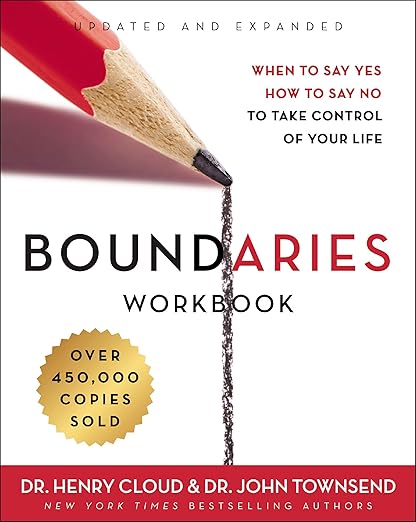
- “Boundaries” by Dr. Henry Cloud – Learn to say no with confidence
- Rocketbook Smart Reusable Notebook – Eco-friendly expense tracking
Disclosure
This article contains affiliate links. If you choose to make a purchase through these links, we may earn a commission at no additional cost to you.
Important Note: The information provided in this article is for educational purposes only and should not be considered financial advice. Always consult with a qualified financial advisor before making significant financial decisions. Your situation is unique, and these general guidelines may need to be adjusted to your specific circumstances.