Financial Foundation Reset: Budgeting & Saving for Men 40+
Ever feel like your money is running you instead of the other way around? If you’re a man over 40, juggling work, family, and maybe even a side hustle, you’re not alone. Life gets complicated—and so does money. But here’s the good news: A financial reset isn’t about perfection or starting over from zero. It’s about making small, practical changes—right now—that add up to a strong, sustainable foundation.
“It’s never too late to reset your financial foundation. Every step counts, no matter where you’re starting.”
In this guide, we’ll break down budgeting, debt, and savings into simple, back-to-basics steps. No jargon. No judgment. Just real-world examples, micro-actions, and tools you can use—whether you’re living paycheck to paycheck, supporting a family, or just looking for a fresh start.
Ready to take control? If you’re looking for a deeper dive into building wealth after 40, check out our cornerstone guide: The Mid-Life Wealth Building Blueprint.
Disclosure
This article contains affiliate links. If you choose to make a purchase through these links, we may earn a commission at no additional cost to you.
Why a Financial Reset?

Let’s be honest—money can get messy. Maybe you’ve tried budgeting apps that felt too complicated, or you’ve been hit by surprise expenses that set you back. Maybe you’re just tired of feeling stuck or overwhelmed. That’s where a financial reset comes in.
Think of a financial reset as hitting the “refresh” button on your money habits. It’s not about blaming yourself for past choices. It’s about taking stock, getting clear, and building a foundation that works for your life—no matter your income, job, or background.
- Back-to-basics budgeting: Simple steps to see where your money goes and how to make it work for you.
- Debt: Breaking it down into manageable pieces, with strategies for paying it off—even on a tight budget.
- Savings: Building a buffer, one small step at a time, so you’re ready for whatever life throws your way.

Back-to-Basics Budgeting: Make Your Money Work for You
Budgeting doesn’t have to mean spreadsheets, complicated apps, or feeling deprived. At its core, a budget is simply a plan for where your money goes each month. Think of it as a map. If you’ve ever gotten lost on a road trip, you know how helpful a map can be—even if you’re not sure of your final destination.
A financial reset starts with seeing your money clearly. Here’s how to break it down:
- Write down every expense for one week. Use a notebook, your phone, or even sticky notes. Don’t judge—just write it all down, from groceries to coffee to that random late-night Amazon buy.
Example: Joe, a night-shift worker, realized he was spending $50/month on vending machine snacks at work. That small insight helped him swap to healthier, cheaper options. - Sort your spending into simple categories. Think “Needs” (rent, food, bills), “Wants” (takeout, hobbies), and “Savings/Debt.” No need for fancy terms—just what makes sense to you.
- Add up your income. Include your paycheck, side hustle, or any other money coming in. If your income changes month to month, use an average.
- Compare your totals. Are you spending more than you earn? Is there anything that surprises you? This isn’t about guilt—it’s about awareness.
Micro-Action: Start today by tracking just one day of spending. No need to wait for Monday or the first of the month. Every step forward counts!

Related Article
Looking for more simple money management tips? Check out this article for ideas on boosting your income alongside your new budget.
Debt: Breaking It Down (Without the Overwhelm)
If you’re carrying debt—credit cards, car loans, medical bills—you’re not alone. For a lot of men over 40, debt feels like a heavy backpack you can’t take off. Here’s the truth: you don’t have to tackle it all at once. A financial reset means breaking debt down into bite-sized, manageable steps.
What is debt? Simply put, debt is money you owe. It can be big (like a mortgage) or small (like a store credit card). The important thing isn’t how much you owe—it’s having a plan to pay it down, one step at a time.
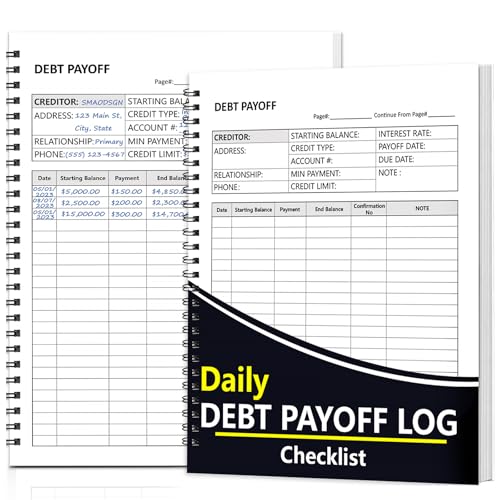
- List every debt you have. Don’t worry about the total yet. Just write down what you owe, the interest rate (if you know it), and the minimum payment. If you’re not sure, check your statements or call your lender.
Example: Mike, a busy dad, started with just two debts: a $1,200 credit card and a $900 medical bill. Seeing the numbers on paper made it feel less overwhelming. - Pick one debt to focus on first. Some people start with the smallest balance (“snowball” method), others with the highest interest rate (“avalanche” method). There’s no wrong answer—just pick what feels doable for you.
- Make one extra payment (even a small one). Even $10 or $20 extra a month can make a difference over time. Progress, not perfection!
Micro-Action: List your debts today—even if it’s just on a sticky note. Clarity is the first step toward freedom.
Related Article
Savings Made Simple: Building Your Safety Net (One Step at a Time)
Let’s talk savings. If the word “savings” makes you think, “I don’t have enough left over each month,” you’re not alone. Many men over 40 feel like saving is out of reach, especially with bills, debt, and family expenses. But here’s the thing: savings isn’t about big, dramatic moves—it’s about small, steady steps that build a safety net over time.
What is savings? In simple terms, savings is money you set aside for future needs—emergencies, opportunities, or even just peace of mind. Even $5 or $10 a week adds up over time.
- Start with a small, automatic transfer. If you can, set up your bank to move a set amount (even $10) from checking to savings each payday. Out of sight, out of mind—but growing in the background.
Example: Sam, a shift worker, started saving $10 per week. After a year, he had over $500—enough to cover unexpected car repairs without going into debt. - Use a “round-up” app or feature. Some banks/apps round up your purchases to the nearest dollar and save the change. It’s an easy, no-stress way to build your savings without feeling the pinch.
- Celebrate every milestone. Whether it’s $50, $100, or your first $1,000, every bit counts. Remember, it’s about progress—not perfection.
Micro-Action: Set up an automatic transfer—even if it’s just $5. The hardest part is getting started!

Related Article
Want to supercharge your savings? Try our 90-Day Summer Challenge for micro-action ideas that boost your financial foundation and your confidence.
FAQ: Financial Reset, Budgeting, and Savings for Men 40+



Bringing It All Together: Your Financial Reset Game Plan

“You don’t need a perfect plan to start—just the courage to take the first step. Your future self will thank you.”
You’ve made it this far—not by chasing perfection, but by taking real, doable steps. A financial reset isn’t a one-time event; it’s a series of micro-actions that build a stronger foundation, no matter your starting point or income level.
Every journey starts with a single step. Whether you’re tracking your spending for the first time, paying off your smallest debt, or starting a tiny savings habit, you’re building a new financial foundation—one that supports your goals, your family, and your peace of mind.
Here’s your back-to-basics, no-nonsense action plan for building money basics for men:
- Track your spending for one week. Awareness is the first step to change. Use whatever method feels easiest—pen and paper, your phone, or a simple budget planner.
- List your debts and pick one to focus on. Don’t worry about the total. Just start somewhere. Every payment, no matter how small, brings you closer to freedom.
- Set up a small, automatic savings transfer. Even $5 a week adds up. The goal is to make saving a habit, not a chore.
- Check in with yourself each month. What’s working? Where can you tweak things? Celebrate every win—big or small.
- Keep learning and connecting. Money is just one part of the bigger picture. For more on health, mindset, and building confidence, explore our Triangle of Well-being series.
Micro-Action: Pick one step from this list and do it today. Progress starts with action, not intention.
Disclosure
This article contains affiliate links. If you choose to make a purchase through these links, we may earn a commission at no additional cost to you.
Important Note: The information provided in this article is for educational purposes only and should not be considered financial advice. Always consult with a qualified financial advisor before making significant financial decisions. Your situation is unique, and these general guidelines may need to be adjusted to your specific circumstances.