First Steps to Financial Independence: Simple Money Moves
If you’ve ever felt overwhelmed by money talk or unsure where to even begin, you’re not alone. For many men over 40, the world of investing, saving, and financial independence can feel like a foreign language. Maybe you’ve heard terms like “compound interest” or “diversified portfolio” and thought, “That’s not for me.” But here’s the truth: financial independence steps don’t have to be complicated or reserved for Wall Street types. Anyone—yes, anyone—can start with just a few simple actions.
“It’s never too late to start—Mike was 45 when he took his first step toward financial independence. It all began with a single notebook and a promise to himself: ‘I just want to feel in control of my money for once.'”
This guide is for the absolute beginner. No jargon, no complex formulas—just real, practical steps and relatable stories. Whether you’re a shift worker, a busy dad, or a professional juggling bills and dreams, these are money basics for men that actually work. And if you’re ready to start investing (even with just a few dollars), you’re in the right place.
Disclosure
This article contains affiliate links. If you choose to make a purchase through these links, we may earn a commission at no additional cost to you.
Why Financial Independence Matters (And How Anyone Can Start)

Let’s get real—financial independence isn’t about becoming a millionaire overnight. It’s about having choices. Maybe it’s the freedom to take a job you enjoy, travel more, or simply stop stressing about unexpected bills. For most of us, it’s about feeling secure and knowing we have options, no matter what life throws at us.
What is financial independence?
In plain English, it means having enough money saved and invested so you can make decisions based on what you want, not just what you need. It’s not about a magic number—it’s about progress, confidence, and control.
Real-life example:
Take Mike, for instance. He started by tracking his daily spending with a basic budget planner notebook. No fancy apps, no spreadsheets—just a pen and paper. Within a month, he was shocked at how much he spent on snacks and coffee. That simple awareness was his first step toward financial independence.
Why does it matter for men over 40?
Life gets busy. Responsibilities grow. But it’s never too late to take control of your financial future. Whether you’re starting from scratch or getting back on track, these financial independence steps are for you.
“You can’t improve what you don’t measure. The first step to financial independence is simply knowing where your money goes.”
Let’s face it: most of us have had that “where did my paycheck go?” moment. Tracking your spending is the foundation of every financial independence journey. For men just starting out, this step isn’t about judgment—it’s about awareness and taking back control.
Why track your spending?
Think of it like checking your fitness progress. You wouldn’t expect to get stronger without knowing how much you’re lifting. The same goes for your finances. By writing down every dollar you spend—even just for a week—you’ll spot patterns and opportunities to save that you never noticed before.
How to do it (no tech skills required):
- Grab a simple budget notebook or use the notes app on your phone.
- For one week, write down every expense—coffee, groceries, gas, even that $2 snack.
- At the end of the week, group your spending into categories: needs, wants, and surprises.

Consider using budgeting tools like the Clever Fox Budget Planner to track your expenses more effectively. A physical planner can help you stay more engaged with your finances than digital apps alone.
Real-life example:
Mike, from our intro, discovered he was spending $30 a week on vending machine snacks at work. By switching to bringing snacks from home (he recommends this healthy snack pack), he saved over $100 a month—money he could start investing.
Pro tip: If you want a digital option, try a user-friendly app like Mint or EveryDollar. But honestly, pen and paper works just fine, especially for beginners.
“Investing isn’t just for the rich or the experts—it’s for anyone who wants their money to work for them, even if you’re starting small.”
When most guys hear “start investing” or “build wealth,” it can sound intimidating—like you need a finance degree, a big salary, or a fancy suit. The truth? You can start with what you have, right now. The key is to keep things simple and focus on small, steady steps.
What does it mean to start investing?
Think of investing like planting seeds. You don’t need a whole field—just a few seeds and a little patience. When you invest, you’re putting your money somewhere it can grow, like a savings account, retirement plan, or a beginner-friendly investment app.
Money basics for men:
- Savings first: Before you invest, build a small “emergency fund.” This is just a stash of cash (even $500–$1,000 to start) for unexpected bills. You can use a basic cash box at home or a separate savings account.
- Start small with investing: Many apps let you invest with as little as $5. Look for “robo-advisors” or apps that guide beginners step by step. You don’t need to pick stocks—just get in the habit of investing something, no matter how small.
- Understand the basics: Investing means your money is working for you, not just sitting in a bank account. Over time, even small amounts can grow thanks to “compound interest”—that’s when your money earns money, and then you earn interest on that, too.

Real-life example:
Mike started by putting $20 a week into a beginner investment app. Over a year, he saved over $1,000—just by automating small transfers he barely noticed.
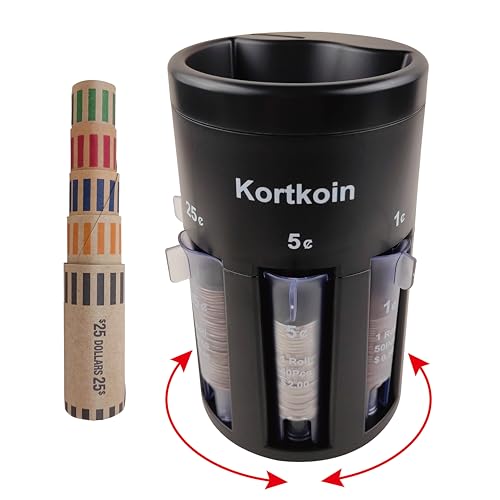
Want to make saving automatic? Try a digital coin jar for your spare change, or set up automatic transfers in your banking app.
Keep it simple:
Don’t get lost in investment jargon. Start with what you understand, and don’t be afraid to ask questions or look up terms. The goal is progress, not perfection.
“Big changes start with small victories. Every step you take toward financial independence is worth celebrating.”
Let’s be real—building new habits around money can feel overwhelming, especially if you’re just starting out. That’s why it’s crucial to celebrate every bit of progress, no matter how small. These micro-wins are what keep you moving forward, even when the journey feels slow.
Why celebrate small wins?
Our brains love rewards. When you acknowledge a win—like tracking your spending for a week or making your first investment—you build confidence and motivation. This is how you turn good intentions into real, lasting habits.
How to celebrate (without breaking the bank):
- Mark your progress in a journal or use a habit tracker app.
- Share your win with a friend, partner, or in the comments section of this blog.
- Treat yourself to a low-cost reward, like a favorite coffee or a relaxing walk.
- Set a tiny, achievable goal for next week—like saving $5 or reading one article about investing.

Real-life example:
Mike, who started with just a notebook, celebrated his first month of tracking expenses by writing himself a note: “You did it.” That small act kept him motivated to keep going.
Progress, not perfection:
You don’t have to be perfect. If you miss a day or spend a little extra, don’t beat yourself up. Focus on what went right and keep moving forward. Every step counts.
FAQ: First Steps to Financial Independence
Final Thoughts

Financial independence isn’t a finish line—it’s a journey filled with small, meaningful steps. Whether you’re just learning the money basics for men, starting to invest with your spare change, or simply tracking your spending for the first time, you’re already on your way.
“You don’t have to have it all figured out. The most important step is the first one you take.”
Remember, every man’s path looks different. Some start with a notebook, others with an app, and some by reading guides just like this. The key is to start where you are, use what you have, and keep moving forward—one micro-action at a time.
Want more support?
- Dive deeper with our 40+ Optimization Blueprint.
- Explore the Triangle of Well-being: How Health, Mind, and Money Connect.
- Check out our Book Recommendations for Men Over 40 for extra inspiration.
Progress, not perfection. Every small win counts.
What’s the first step you’re taking toward financial independence?
Disclosure
This article contains affiliate links. If you choose to make a purchase through these links, we may earn a commission at no additional cost to you.
Important Note: The information provided in this article is for educational purposes only and should not be considered financial advice. Always consult with a qualified financial advisor before making significant financial decisions. Your situation is unique, and these general guidelines may need to be adjusted to your specific circumstances.