Side Hustle Taxes 101: What to Track So You Don’t Get Smoked in April
If you’re building a side hustle—driving deliveries, freelancing, selling online, doing handyman work, coaching, creating content—here’s the part nobody gets excited about:
Side hustle taxes.
Not because taxes are “bad,” but because they punish chaos. When you have a regular job, taxes usually come out of your paycheck automatically. With a side hustle, you often get paid in full… and then April shows up like a surprise bill.
This is Side Hustle Taxes 101 in plain English. No jargon. No scary accounting talk. Just what to track, what to save, and how to keep your side hustle income from turning into a stress bomb.
Quick note: We are not a tax professionals, and this isn’t legal or tax advice. Think of this as a practical tracking system you can use, then hand clean numbers to a tax pro (or use tax software) with confidence.
Disclosure
This article contains affiliate links. If you choose to make a purchase through these links, we may earn a commission at no additional cost to you.
Why tracking matters (the simple goal)
You’re tracking side hustle taxes for three reasons:
- So you don’t overpay
If you track legit business expenses, you may lower the amount of income you’re taxed on. - So you don’t underpay
If you don’t set money aside, you can end up short when taxes are due. - So you’re not stressed
Clean tracking means you’re not digging through bank statements and faded receipts at the last minute.
Think of it like fitness: you don’t need perfection. You need consistency.
What counts as side hustle income? (Yes, more than you think)
A common question is: “Do I need to pay taxes on side hustle income?”
In many cases, if you earned money, it counts as income—even if it feels small or “just extra.”
Side hustle income can include:
- Payments from clients (cash, check, Zelle, Venmo, PayPal)
- App payouts (Uber, DoorDash, Instacart, Etsy, Fiverr, Upwork)
- Tips
- Referral or affiliate income
- Selling products online (physical or digital)
Plain-English term: 1099 (1099 taxes explained)
A 1099 is basically a “you got paid” form. It’s a document that reports income you earned.
- If you get a 1099, the IRS usually gets a copy too.
- Even if you don’t get a 1099 (because you were paid in cash or didn’t meet a platform threshold), the income may still be taxable.
What to track for side hustle taxes (income)
Keep a simple income log with:
- Date you got paid
- Who paid you / which platform
- Amount received
- Any fees taken out (platform fees, payment processing fees)
Simple example:
You made $1,200 delivering food in a month. The app paid out $1,200, but it also took $45 in fees.
Track:
- Income: $1,200
- Fees: $45 (often an expense)
That one habit alone can save you time and money.

What expenses should you track? (Side hustle tax deductions made simple)
When people say “write-off,” they usually mean a business expense that can lower your taxable income.
Plain English: if you spent money to earn side hustle income, you may be able to count it.
Below are common side hustle expenses to track. You don’t need to memorize everything. Just start tracking what applies to your hustle.
1) Supplies and materials
Examples:
- Tools and equipment
- Materials for jobs (wood, paint, hardware)
- Packaging supplies (boxes, tape, labels)
- Cleaning supplies if you do cleaning gigs
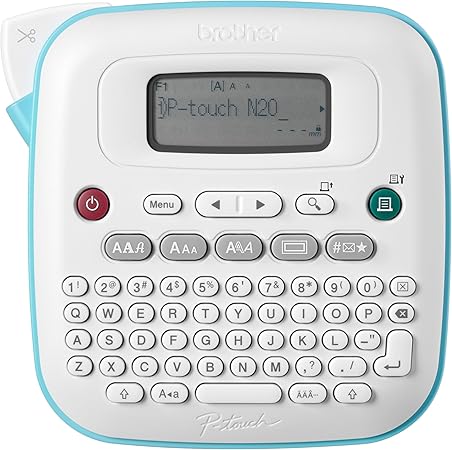
A label maker for folders (“W-2,” “1099s,” “Home,” “Kids,” etc.). It sounds silly until you try it.
2) Software and apps (subscriptions)
Examples:
- Bookkeeping apps
- Design tools
- Website hosting and domain
- Cloud storage used for the business
![QUICKEN CLASSIC BUSINESS & PERSONAL FOR NEW SUBSCRIBERS| 1 Year [PC/Mac Online code]](https://m.media-amazon.com/images/I/51sQsom78CL._AC_SX385_.jpg)
3) Fees (the sneaky ones)
These are easy to miss, and they add up.
Examples:
- Payment processing fees (PayPal, Stripe)
- Platform fees (Etsy, Fiverr)
- Bank fees (especially if you open a separate account)
Tracking tip:
If you get paid $500 but the platform takes $25, track both. The fee is part of the cost of doing business.
4) Phone and internet (the “percentage” game)
If you use your phone/internet for both personal and business, you often track the business-use portion.
Simple example:
If you estimate you use your phone about 30% for side hustle work (calls, navigation, client messages, posting content), you track 30% of the bill.
You don’t need to be perfect. You need to be reasonable and consistent.
5) Mileage tracking for side hustle (big one)
If you drive for your side hustle, mileage is often one of the biggest deductions.
What to track:
- Date
- Start and end mileage (or total miles)
- Where you went (quick note)
- Purpose (delivery, client visit, supply run)

6) Home office deduction (simple explanation)
The home office deduction is basically: if you have a dedicated space used regularly for your side hustle, you may be able to deduct some home costs.
Plain-English rule of thumb:
It generally needs to be a real work space—not the couch where you watch Netflix.
If you’re unsure, track the basics and ask a tax pro.
7) Education and training
If you buy books, courses, or training that helps your side hustle, it may count.

Atomic Habits by James Clear breaks down how tiny mindset changes compound into major transformations. It's written in plain English—no psychology degree needed.

If you want to deepen your knowledge, grab, "The Simple Path to Wealth" by JL Collins. It breaks down money management for regular guys without the jargon.

The simplest tracking system that actually works (3 buckets)
If you do nothing else, track these three buckets weekly:
- Income (what came in)
- Expenses (what you spent to earn)
- Mileage / work notes (if driving or traveling is part of it)
That’s it.
Beginner-friendly setup options
Option A: A simple spreadsheet
You can use Google Sheets and create columns like:
- Date
- Income source
- Income amount
- Expense category
- Expense amount
- Notes
Option B: A separate bank account + a folder
Even if you don’t use an app, separating business spending makes tracking easier.
Option C: A “receipt habit” + monthly review
Take photos of receipts and do a 10-minute review once a month.

What receipts should I keep for my side hustle?
Keep receipts for anything you claim as an expense.
Rule of thumb:
If you’d feel weird explaining it to a reasonable adult, don’t claim it.
Examples of receipts to keep:
- Supplies and tools
- Software subscriptions
- Phone/internet bills (note your business-use portion)
- Equipment purchases
- Shipping costs
- Platform fee summaries
Pro move:
Take a photo of the receipt the same day. Receipts fade, get lost, and turn into mystery paper.
How much should I set aside for taxes? (simple rule of thumb)
This is the big question behind “how much should I set aside for taxes side hustle?”
A simple, practical approach many people use:
- Set aside 20–30% of your side hustle profit (income minus expenses)
- If your income is higher, or you already have a full-time job, you might need more
Simple example:
- You made $2,000 this month.
- You spent $500 on expenses.
- Profit = $1,500.
- Set aside 25% = $375.
Put it in a separate savings account so you’re not tempted to spend it.

Quarterly taxes for side hustle (plain English)
Plain-English term: quarterly estimated taxes
Quarterly estimated taxes are like pre-paying your taxes during the year so you don’t owe a giant bill later.
Not everyone needs to do this right away. But if your side hustle grows and you’re making consistent profit, it becomes more likely.
Simple way to think about it:
- If you’re making a little extra here and there, you may just handle it at tax time.
- If you’re making steady money month after month, you may want to ask a tax pro whether quarterly payments make sense.
The key is this: tracking gives you the numbers you need to make the call.
Real-life examples by hustle type (so this makes sense)
Example 1: Delivery driver
Income to track:
- Weekly payouts
- Tips
Expenses to track:
- Mileage (big one)
- Car supplies (phone mount, charger)
- Portion of phone bill used for work
Example 2: Freelancer (design, writing, consulting)
Income to track:
- Client payments
- Platform payouts (Upwork, Fiverr)
Expenses to track:
- Software subscriptions
- Home office basics (if you qualify)
- Portion of internet/phone
Example 3: Selling online (eBay/Etsy/Amazon resale)
Income to track:
- Sales totals
- Refunds/returns
Expenses to track:
- Cost of goods (what you paid for items)
- Shipping supplies
- Platform fees
Common mistakes that get people smoked in April
These are the big ones:
- Not tracking anything and trying to rebuild the year in one weekend
- Mixing personal and business spending in one account with no notes
- Forgetting about fees
- Not tracking mileage (leaving money on the table)
- Spending the tax money because it felt like extra cash
- Guessing instead of using real numbers
If you want to build confidence fast, fix just one thing this week:
Track income and expenses in one place.
Side hustle taxes checklist (weekly routine)
Use this as your simple system:
- Track all income (date, source, amount)
- Track all expenses (what, why, amount)
- Save receipts (photo + folder)
- Track mileage (if you drive)
- Set aside a tax percentage (20–30% of profit)
- Review once a month (10 minutes)

Tools that make tracking easier
You don’t need to buy a bunch of stuff. But the right tool can remove friction.
Expense tracking / filing
Receipt scanning
Mileage tracking
Organization
FAQ (Side Hustle Taxes 101)
Final word: keep it boring, keep it consistent
Side hustle taxes don’t have to be scary. They just punish chaos.
Track income, track expenses, track mileage, save receipts, and set aside a percentage.
Do that, and April becomes a normal month—not a financial punch in the face.
For more on taxes for side hustles, be sure to check out Tax Deductions for a Side Hustle: The Beginner List (2026)
Disclosure
This article contains affiliate links. If you choose to make a purchase through these links, we may earn a commission at no additional cost to you.
Important Note: The information provided in this article is for educational purposes only and should not be considered financial advice. Always consult with a qualified financial advisor before making significant financial decisions. Your situation is unique, and these general guidelines may need to be adjusted to your specific circumstances.