Sinking Funds Explained: The Trick That Stops “Surprise” Expenses
“Surprise” expenses have a special talent for showing up at the worst possible time.
- The car needs tires.
- The dentist says you need a filling.
- The kid’s school fees hit.
- Your annual subscription renews.
- The dog decides it’s vet day.
And suddenly you’re thinking, How am I supposed to plan for this stuff?
Here’s the good news: most “surprise” expenses aren’t actually surprises. They’re predictable… just not monthly.
That’s exactly what sinking funds are for.
In this guide, you’ll get sinking funds explained in plain English, with simple examples, starter categories, and an easy setup you can use whether you’re saving $5 a week or $500 a month.
Disclosure
This article contains affiliate links. If you choose to make a purchase through these links, we may earn a commission at no additional cost to you.
What is a sinking fund? (Simple definition)
A sinking fund is a small pot of money you set aside over time for a specific upcoming expense.
Think of it like a labeled envelope (or a labeled account):
- “Car repairs”
- “Christmas”
- “Annual bills”
- “Home maintenance”
Instead of getting hit with a $600 bill all at once, you save a little each week or month so the money is ready when you need it.
If you’ve ever wondered about sinking funds meaning, it’s basically this:
Sinking funds = planned mini-savings buckets for known expenses.
Why “surprise” expenses keep wrecking your budget
Most budgets are built around monthly bills:
- rent/mortgage
- utilities
- groceries
- gas
- phone
But real life includes a whole second category of expenses:
Known expenses that don’t happen every month.
That’s where people get blindsided.
When you don’t plan for irregular expenses, you usually end up doing one of these:
- putting it on a credit card
- pulling from your emergency fund
- skipping another bill
- stressing out and feeling like you can’t get ahead
Sinking funds fix this by turning irregular expenses into planned expenses.
Sinking funds vs emergency fund (not the same thing)
A common question is sinking funds vs emergency fund.
Emergency fund: for true surprises (job loss, urgent medical issue, sudden travel)
Sinking funds: for expenses you can reasonably expect (car maintenance, birthdays, annual renewals, back-to-school)
A simple way to remember it:
- If you can predict it, it’s probably a sinking fund.
- If you can’t predict it, it’s probably an emergency fund.

Sinking funds explained with examples (real-life math)
Let’s keep this simple and practical. Here are a few sinking fund example scenarios.
Example 1: Car repairs
You estimate you’ll spend about $600 this year on oil changes, tires, and random fixes.
You’d save $50/month into a “Car repairs” sinking fund.
If $50/month is too much right now, scale it:
- $25/month is still $300/year
- $10/week is about $520/year
- $5/week is about $260/year
Even a partial sinking fund reduces the damage when the bill hits.
Example 2: Christmas
You want $400 for gifts.
If it’s 10 months away:
Save $40/month.
Example 3: Annual bills
Let’s say you have:
- $120 annual membership
- $180 annual auto registration
- $60 yearly subscription
Total: $360
Monthly: $30
Save $30/month into an “Annual bills” sinking fund.
That’s how sinking funds explained for beginners should feel: simple math, simple buckets.
How to set up sinking funds (3 beginner-friendly options)
If you’re searching “how to set up sinking funds,” pick the method that fits your life. The best system is the one you’ll actually use.
Option A: Cash envelopes (simple and visual)
This is great if you:
- overspend with cards
- like seeing the money physically
- want hard boundaries
How it works:
- You create envelopes labeled by category.
- You add cash each payday.
- When the expense happens, you use that envelope.
Option B: One savings account + a simple tracker (low effort)
This is great if you:
- don’t want a bunch of accounts
- prefer digital banking
- want less hassle
How it works:
- You keep sinking fund money in one savings account.
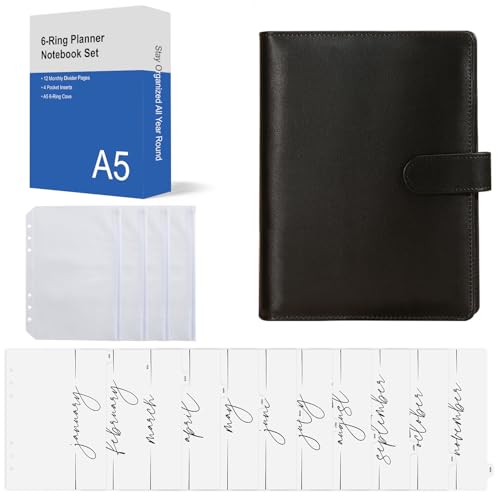
- You track category balances in a notebook, spreadsheet, or budget planner.

The Debt Payoff Tracker with Stickers makes tracking fun and keeps your goal visible every day.

Consider using budgeting tools like the Clever Fox Budget Planner to track your expenses more effectively. A physical planner can help you stay more engaged with your finances than digital apps alone.
Option C: Separate “buckets” or multiple savings accounts
Some banks let you create multiple savings goals (sometimes called buckets, vaults, or goals).
How it works:
- Each category is its own bucket.
- You auto-transfer into each bucket.
If your bank doesn’t offer buckets, don’t overthink it. Option B works perfectly.
Best sinking fund categories (start small)
You don’t need 15 categories on day one. Start with the stuff that keeps popping up.
Here are practical sinking fund categories most people can use.
Transportation
- Car repairs/maintenance
- Tires
- Registration/inspection
- Insurance deductibles
Home + life
- Home repairs/maintenance
- Appliances replacement
- Clothing/shoes
- Haircuts/personal care
Family + fun
- Birthdays
- Holidays/Christmas
- Back-to-school
- Family trips/weekends
Bills that aren’t monthly
- Annual subscriptions
- Membership renewals
- Professional fees/licenses (if applicable)
Health (and pets)
- Dental/vision
- Prescriptions
- Vet bills
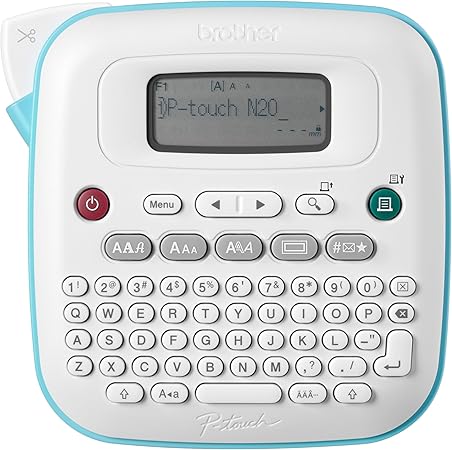
A label maker for folders (“W-2,” “1099s,” “Home,” “Kids,” etc.). It sounds silly until you try it.
How many sinking funds should I have?
A good rule: 3–7 sinking funds is plenty.
If you’re overwhelmed, start with just three:
- Car repairs
- Holidays/birthdays
- Annual bills
Once those feel normal, add others.

Where should I keep sinking fund money?
Keep it somewhere safe and easy to access:
- Savings account (common)
- Separate checking account (if you want strict separation)
- Cash envelopes (if cash keeps you disciplined)
What matters most:
- It’s not mixed with spending money.
- You can access it when needed.
- You won’t accidentally spend it.
Sinking funds for paycheck-to-paycheck living (yes, you can still do this)
If money is tight, sinking funds can feel like a luxury.
But here’s the mindset shift:
Sinking funds aren’t about having extra money. They’re about reducing damage.
If you can only do $5–$10 per paycheck, start there.
Try this “tiny start” approach:
- Pick one category that keeps hurting you (car repairs is a common one).
- Set a small automatic transfer.
- Let it build quietly.
Even $10/week is about $520/year. That’s not nothing.
And if you’re thinking, But I need that $10 for groceries, that’s real. In that case:
- start with $5/week
- or do $10 every other week
- or save spare change / round-ups
The goal is to build the habit first.
A simple 20-minute setup (do this today)
If you want a quick win, here’s a simple setup you can do in one sitting.
- List your top 5 “surprise” expenses from the last year
- Circle the top 2 that hurt the most
- Estimate a yearly amount for each
- Divide by 12 (or by number of paychecks)
- Set an auto-transfer for even a small amount
Micro-action: start with $5–$25 per paycheck. That’s enough to build momentum.


Common mistakes to avoid (so your system actually works)
Mistake 1
Making too many categories
The Solution: More categories = more tracking = more quitting.
Start with 3. Add later.
Mistake 2
Guessing wildly
The Solution: Use last year’s spending as your guide. If you don’t know, start with a conservative estimate and adjust every 90 days.
Mistake 3
Raiding sinking funds for random spending
The Solution: This is where labeling helps.
If you’re using cash envelopes, keep them separate. If you’re using a bank account, keep a simple tracker so you don’t “forget” what the money is for.
Mistake 4
Not reviewing and adjusting
The Solution: Life changes. Prices change.
Put a reminder on your calendar to review your sinking funds every 3 months.
FAQ: Sinking funds explained
Wrap-up: turn “surprises” into planned expenses
Sinking funds are one of the simplest ways to stop feeling like your budget is always under attack.
You don’t need perfect numbers. You need a system that’s realistic.
Start with one sinking fund this week—car repairs or annual bills—and put something in it. Small wins stack fast.
Disclosure
This article contains affiliate links. If you choose to make a purchase through these links, we may earn a commission at no additional cost to you.
Important Note: The information provided in this article is for educational purposes only and should not be considered financial advice. Always consult with a qualified financial advisor before making significant financial decisions. Your situation is unique, and these general guidelines may need to be adjusted to your specific circumstances.