What to Do With Your Tax Refund: The 5-Step Plan (Debt, Savings, Investing)
If you’re wondering what to do with your tax refund, you’re not alone. For a lot of people, a refund feels like “extra money” — until it disappears on random stuff and you’re back to normal life two weeks later.
This post gives you a simple, no-jargon tax refund plan you can follow whether your refund is $200 or $5,000. The goal is to use your refund to reduce stress now and make life easier later.
If you want a clean money baseline first, start here: Financial Foundation Reset.
Disclosure
This article contains affiliate links. If you choose to make a purchase through these links, we may earn a commission at no additional cost to you.
Part 1: Set the foundation (Steps 1–3)
The 5-step tax refund plan (quick overview)
- Cover essentials (so you don’t fall behind)
- Pay down high-interest debt (the kind that grows fast)
- Build a starter emergency fund (small but real)
- Catch up on overdue needs (health, car, home, work)
- Start investing (even if it’s a small first step)
If you’re living paycheck to paycheck, Steps 1–3 are your “stability stack.” They keep you from sliding backward.
Step 1: Cover essentials first (protect your month)
The best way to spend a tax refund isn’t always exciting. Sometimes it’s using it to stop the “money leak.”
Use part of your refund to cover:
- Rent/mortgage if you’re behind
- Utilities
- Groceries
- Gas/transportation
- Minimum debt payments you might miss
Why this matters: When essentials are covered, you avoid late fees, overdraft charges, and stress spirals.
Simple rule: If your refund is small, use it to buy breathing room.
Related Article
Helpful habit tie-in: If you struggle with consistency, pair this with this article:


Step 2: Pay off high-interest debt (the debt that grows fast)
If you have credit card debt, payday loans, or high-interest personal loans, this is usually the highest-impact place to put your refund.
High-interest debt (plain English): Debt that charges a lot each month. Credit cards can be 20%+ APR, which means your balance can grow fast even if you’re trying.
What to do with tax refund if you have debt:
- Keep paying minimums on everything
- Put extra refund money toward one high-interest balance
Two simple methods (pick one):
- Avalanche: Pay extra on the highest interest rate first (saves the most money)
- Snowball: Pay extra on the smallest balance first (builds motivation)
If you need the “keep it simple” version, choose snowball. Progress beats perfection.

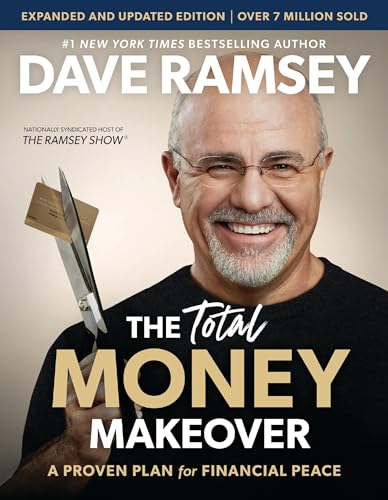
The Total Money Makeover by Dave Ramsey provides a step-by-step approach to building emergency funds and achieving financial stability. Ramsey's baby steps method makes large financial goals feel manageable and achievable.
Mindset support: If debt feels heavy and you’re stuck in “what’s the point” thinking, read Mindset Mastery: Why Most Men Stay Stuck and How to Break Free.
Step 3: Build a starter emergency fund (small but powerful)
A lot of people skip savings because it feels impossible. But an emergency fund doesn’t need to start big.
Emergency fund (plain English): Money set aside for surprises — car repairs, a medical bill, reduced work hours, a broken phone.
Starter targets:
- $250 (if you’re paycheck to paycheck)
- $500 (if you have some breathing room)
- $1,000 (if your refund allows)
This step answers the question: should I save my tax refund? For most people, yes — at least a starter amount.
Where to keep it: a separate savings account so you don’t accidentally spend it.


Consider using budgeting tools like the Clever Fox Budget Planner to track your expenses more effectively. A physical planner can help you stay more engaged with your finances than digital apps alone.
Part 2: Fix the leaks and reduce future stress (Step 4)
Step 4: Catch up on overdue needs (the stuff you’ve been delaying)
This is the step most people forget. If you only do debt and savings, you might still be stuck with a problem that keeps draining your money.
Examples of “overdue needs”:
- Car maintenance (oil, brakes, tires)
- Work essentials (boots, tools, uniforms)
- Health basics (dental visit, new glasses)
- Home fixes that prevent bigger costs
This is part of a smart tax refund budgeting plan because it prevents future emergencies.
Quick test: Ask yourself, “If I ignore this for 3 months, will it cost me more?” If yes, it belongs in Step 4.
Related Article
If you want a simple daily structure that supports money + health + mindset, check out:


Part 3: Build the future (Step 5 + refund split examples)
Step 5: Start investing (even if you’re new)
This is where people get intimidated. So let’s simplify it.
Investing (plain English): Putting money into something that can grow over time. You’re not trying to “get rich quick.” You’re trying to build future options.
If you’re asking should I invest my tax refund, here’s the simple answer:
- If you’re drowning in high-interest debt, do Step 2 first.
- If essentials are covered and you have a starter emergency fund, investing can be a smart next move.
Easy first options (examples, not financial advice):
- Contribute to a workplace retirement plan (like a 401(k))
- Open a Roth IRA if you qualify
- Use a low-fee index fund approach (simple, diversified)
Related Article
Longer-term thinking: Once your foundation is stable, consider building income beyond your paycheck. Start here:


How to split your refund (3 simple examples)
This section helps with how to split a tax refund between debt and savings and gives you a practical “do this, then this” roadmap.
Example A: Small refund ($300)
- $150 essentials (Step 1)
- $100 starter emergency fund (Step 3)
- $50 debt extra payment (Step 2)
Example B: Medium refund ($1,000)
- $200 essentials buffer (Step 1)
- $400 debt extra payment (Step 2)
- $300 emergency fund (Step 3)
- $100 overdue need (Step 4)
Example C: Larger refund ($3,000)
- $300 essentials buffer (Step 1)
- $1,200 debt extra payment (Step 2)
- $800 emergency fund (Step 3)
- $400 overdue needs (Step 4)
- $300 investing (Step 5)
Common mistakes that make refunds disappear
- Spending the refund before it hits your account
- Paying off debt but keeping the same spending habits
- Skipping savings entirely
- “Treating yourself” with the whole refund
You can enjoy some of your refund — just decide the amount on purpose.
Simple rule: Keep a small fun percentage (like 5–10%) after Steps 1–3.
Your next micro-action (do this today)
- Write your refund amount (even an estimate)
- Pick your starter emergency fund target ($250, $500, or $1,000)
- Choose one debt to attack (or one overdue need to fix)
That’s it. You now have a real plan.
Want a simple checklist you can follow while you’re doing your taxes? Use this: Tax Checklist 2026.
Final Thoughts

If you’ve been stressing about what to do with your tax refund, remember this: the “best” plan is the one you’ll actually follow. You don’t need perfect math or a fancy system. You just need a simple order of operations—cover essentials, knock down high-interest debt, build a starter emergency fund, handle overdue needs, then start investing when you’re ready. Even a small refund can create real momentum when you give every dollar a job.
Most importantly, don’t let this be a one-time win. Use your refund as a reset button—proof that you can make a smart decision and build from it. Pick one micro-action today (save $250, pay off one card, or fix one overdue problem), then keep stacking small wins. Progress over perfection always wins.
Disclosure
This article contains affiliate links. If you choose to make a purchase through these links, we may earn a commission at no additional cost to you.
Important Note: The information provided in this article is for educational purposes only and should not be considered financial advice. Always consult with a qualified financial advisor before making significant financial decisions. Your situation is unique, and these general guidelines may need to be adjusted to your specific circumstances.