Building Unshakeable Confidence in Your 40s and Beyond
If you’re a man in your 40s or beyond, you’ve likely noticed something interesting: while your hairline might be receding, your wisdom is advancing. Yet despite decades of life experience, many of us still struggle with confidence. Whether you’re navigating a career transition, stepping into leadership roles, or simply wanting to feel more assured in daily interactions, building confidence after 40 men face unique challenges and opportunities.
“Confidence is not ‘they will like me.’ Confidence is ‘I’ll be fine if they don’t.”
– Christina Grimmie
The good news? Your 40s and beyond can be the most confident decades of your life. You have something younger men don’t: perspective, experience, and the hard-won knowledge that comes from weathering life’s storms. Let’s explore how to transform these assets into unshakeable confidence.
Disclosure
This article contains affiliate links. If you choose to make a purchase through these links, we may earn a commission at no additional cost to you.
Why Confidence Matters More After 40

Self confidence in middle age isn’t just about feeling good – it’s about maximizing your potential during what should be your peak performance years. Research shows that confident individuals earn more, have better relationships, and experience greater life satisfaction.
For men over 40, confidence becomes even more crucial as we often face:
- Career pivots or advancement opportunities
- Increased family and financial responsibilities
- Physical changes that can impact self-image
- The need to mentor younger colleagues
- Dating or relationship challenges
The key is understanding that confidence through competence – building assurance through skill development and experience – is far more sustainable than surface-level confidence tricks.
Related Article
Explore our comprehensive guide on How Health, Mind, and Money Connect.

Foundation 1
Leveraging Life Experience as Your Confidence Base
Your decades of experience aren’t just memories – they’re your confidence foundation. Using life experience for confidence means recognizing that every challenge you’ve overcome, every skill you’ve developed, and every relationship you’ve navigated has built your capability.
The Experience Audit Exercise
Take inventory of your accomplishments using this simple framework:
Professional Wins: List 10 work-related challenges you’ve successfully handled. Include projects completed, problems solved, and people you’ve helped or led.
Personal Victories: Document times you’ve overcome adversity, learned new skills, or supported family/friends through difficult periods.
Skill Development: Catalog abilities you’ve gained over the years – from technical skills to emotional intelligence improvements.
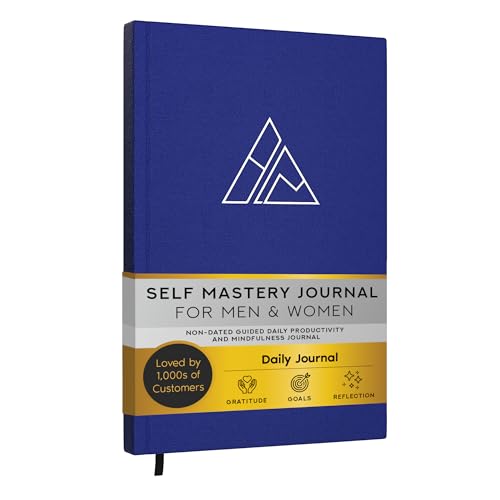
For tracking this process, we recommend using a journal like the Five Minute Journal which helps you document daily wins and build awareness of your capabilities.
Reframing Your Story
Many men dismiss their experiences as “just doing my job” or “anyone would have done that.” This is confidence sabotage. Instead, practice confidence building exercises for men that reframe your narrative:
- Replace “I got lucky” with “I was prepared when opportunity came”
- Change “It wasn’t that hard” to “I developed the skills to handle it”
- Transform “I just did what needed doing” into “I took responsibility and delivered results”
Related Article
For more improvement strategies check out this article.

Foundation 2
Body Language and Presence Optimization
Body language confidence tips can immediately impact how others perceive you and, more importantly, how you feel about yourself. Your physical presence sends signals to both your brain and others about your confidence level.
The Confidence Posture Protocol
Power Positioning: Stand with feet shoulder-width apart, shoulders back, and chest open. This isn’t about puffing up – it’s about taking up your rightful space.
Eye Contact Mastery: Maintain eye contact for 3-5 seconds at a time during conversations. This shows engagement without being aggressive.
Vocal Presence: Speak from your diaphragm, not your throat. Lower, slower speech conveys authority and calm confidence.
Handshake Excellence: Firm (not crushing) grip, full palm contact, 2-3 pumps maximum.
Practice these techniques using resources like Presence: Bringing Your Boldest Self to Your Biggest Challenges by Amy Cuddy, which provides science-backed methods for improving your physical presence.
The 2-Minute Confidence Boost
Before important meetings or social situations, spend 2 minutes in a private space doing “power poses” – hands on hips, chest out, chin up. Research shows this can increase confidence hormones and reduce stress hormones.


Foundation 3
Overcoming Imposter Syndrome in Career Transitions
Overcoming imposter syndrome at work becomes particularly challenging during career transitions common in your 40s and beyond. You might be moving into senior leadership, changing industries, or starting your own business.
Understanding Imposter Syndrome
Imposter syndrome is the feeling that you’re not qualified for your role and that others will eventually “find out” you don’t belong. It’s especially common among high achievers and affects up to 70% of people at some point.
Common Triggers After 40:
- Promotions to leadership roles
- Industry changes or new technologies
- Working with younger, tech-savvy colleagues
- Starting entrepreneurial ventures
The Competence-Confidence Loop
Career transition confidence builds through what I call the competence-confidence loop:
- Skill Assessment: Honestly evaluate your current abilities
- Gap Identification: Determine what you need to learn
- Strategic Learning: Acquire new competencies systematically
- Application: Use new skills in real situations
- Reflection: Acknowledge your growth and capability
The Evidence File
Combat imposter syndrome by maintaining an “evidence file” – a document containing:
- Positive feedback from colleagues, clients, or supervisors
- Successful project outcomes you’ve led or contributed to
- Problems you’ve solved that others couldn’t
- Times when your experience proved valuable
Review this file before challenging situations to remind yourself of your proven capabilities.
Related Article
For more insights on building financial resilience as part of your overall well-being, check out our article on Creating Multiple Income Streams After 40.


Foundation 4
Building Confidence Through Competence Development
Building self esteem after 40 requires a different approach than in your younger years. It’s less about discovering who you are and more about becoming who you want to be through deliberate skill development.
The Competence Pyramid
Base Level – Core Competencies: These are skills fundamental to your field or role. Stay current through continuous learning.
Middle Level – Differentiating Skills: Abilities that set you apart from peers. These might include leadership, communication, or specialized technical knowledge.
Peak Level – Unique Value: The combination of skills, experience, and perspective that only you bring.
Strategic Skill Development
The 1% Rule: Improve just 1% daily in key areas. This compounds over time into significant capability increases.
Cross-Training Benefits: Develop skills outside your primary area. A finance professional learning public speaking, or an engineer developing emotional intelligence.
Mentoring Others: Teaching reinforces your own knowledge while building leadership confidence.
For structured learning, platforms like MasterClass offer expert instruction across diverse fields, allowing you to develop new competencies at your own pace.
Four Common Challenges and Solutions

Challenge 1
“I’m Too Old To Change”
The Problem: Believing that significant personal or professional growth isn’t possible after 40.
The Solution: Reframe age as an advantage. Your maturity, patience, and life experience actually make you better at learning and changing than younger people. Focus on confidence building strategies for middle aged men that leverage your accumulated wisdom.
Action Step: Choose one small change to implement this week. Success builds momentum for larger transformations.
Challenge 2
“Younger Colleagues Are More Capable”
The Problem: Feeling intimidated by younger coworkers’ technical skills or energy.
The Solution: Recognize that capability isn’t just about technical skills. Your experience, judgment, and ability to see the bigger picture are invaluable. Combine your wisdom with their energy through mentoring relationships.
Action Step: Offer to mentor a younger colleague. You’ll discover how much you have to offer while building mutually beneficial relationships.
Challenge 3
“I Don’t Look the Part Anymore”
The Problem: Physical changes affecting self-image and confidence.
The Solution: Focus on what you can control – fitness, grooming, and style. Professional presence tips include investing in well-fitting clothes, maintaining good posture, and developing a signature style that reflects your personality.
Action Step: Upgrade one aspect of your appearance this month. Consider resources like Dressing the Man for style guidance.
Challenge 4
“I’ve Made Too Many Mistakes”
The Problem: Past failures undermining current confidence.
The Solution: Reframe mistakes as education. Every failure taught you something valuable. How to build confidence in your 40s includes accepting that mistakes are proof you’ve been taking risks and growing.
Action Step: Write down three major “failures” and identify what each taught you. You’ll discover they were actually investments in your current wisdom.
Related Articles
For more strategies on building professional success after 40, check out these articles.


Building Your Confidence Action Plan
Week 1-2: Foundation Building
- Complete your experience audit
- Start maintaining an evidence file
- Practice power postures daily
- Choose one skill to develop
Week 3-4: Implementation
- Apply new body language techniques in meetings
- Share your experience with a younger colleague
- Take on a small challenge outside your comfort zone
- Begin reading one confidence-building book
Month 2-3: Expansion
- Seek feedback on your presence and communication
- Take on a leadership role or project
- Join a professional organization or networking group
- Consider public speaking opportunities
Ongoing: Maintenance
- Regular skill development
- Continuous evidence file updates
- Monthly confidence challenges
- Quarterly goal reassessment
The Confidence Multiplier Effect
As you build unshakeable confidence in your 40s and beyond, you’ll notice a multiplier effect. Confidence in one area spreads to others. Professional assurance improves personal relationships. Physical presence enhances career prospects. This interconnected growth creates momentum that compounds over time.
Remember, confidence isn’t about being perfect or never feeling doubt. It’s about trusting your ability to handle whatever comes your way. Your 40s and beyond offer the perfect combination of experience, wisdom, and remaining potential to build the strongest confidence of your life.
Related Articles
For additional support on your confidence journey, consider exploring our related articles on building mental foundations and overcoming comfort zone limitations. These resources provide complementary strategies for comprehensive personal development.


final Thoughts

Your Next Steps
Confidence building is a practice, not a destination. Start with one technique from this article and implement it consistently for a week. Notice how it affects your interactions and self-perception. Then gradually add more strategies until they become natural parts of your daily routine.
“The way to develop self-confidence is to do the thing you fear and get a record of successful experiences behind you.”
– William Jennings Bryan
Your experience, wisdom, and potential are your greatest assets. It’s time to let your confidence reflect their true value.
Disclosure
This article contains affiliate links. If you choose to make a purchase through these links, we may earn a commission at no additional cost to you.
Important Note: The information in this post is meant to educate and inform, not to replace professional mental health care or psychological advice. While we’ve spent years studying mental resilience and personal development, we’re not licensed mental health professionals or therapists. Everyone’s life circumstances and mental health journey are unique, so what works for one person might not work for another. If you’re experiencing serious mental health challenges, please reach out to a qualified mental health professional. Some of the strategies discussed may not be suitable for everyone, and it’s important to assess your own situation carefully. By reading and using this information, you’re taking responsibility for your own decisions. Remember, seeking help is a sign of strength, not weakness. Stay resilient!