Negative Thought Patterns Men Over 40: Break Free Today
Let’s be real—that voice in your head can be brutal. You know the one. It tells you you’re too old to start over, too far behind to catch up, or too stuck to change. And if you’re a man over 40, that voice might be louder than ever, especially when you look around and wonder how you got here.
“Even the darkest night will end and the sun will rise.”
– Victor Hugo
Here’s the truth: you’re not alone, and that voice is lying to you.
Take Mark, a 47-year-old warehouse manager who spent years thinking he’d “missed his shot” at a better career. Every time an opportunity came up, his mind flooded with reasons why he wasn’t qualified. Sound familiar? Mark’s not unique—most men over 40 have a mental highlight reel of limiting thoughts playing on repeat.
For many men in your situation, these negative thought patterns become so deeply ingrained that they feel like facts instead of thoughts. They create invisible barriers to success, fulfillment, and the life you actually want to build. But here’s the good news: these patterns aren’t permanent. You can identify them, challenge them, and break free from them—starting today.
Disclosure
This article contains affiliate links. If you choose to make a purchase through these links, we may earn a commission at no additional cost to you.
Understanding Negative Thought Patterns That Hold Men Back
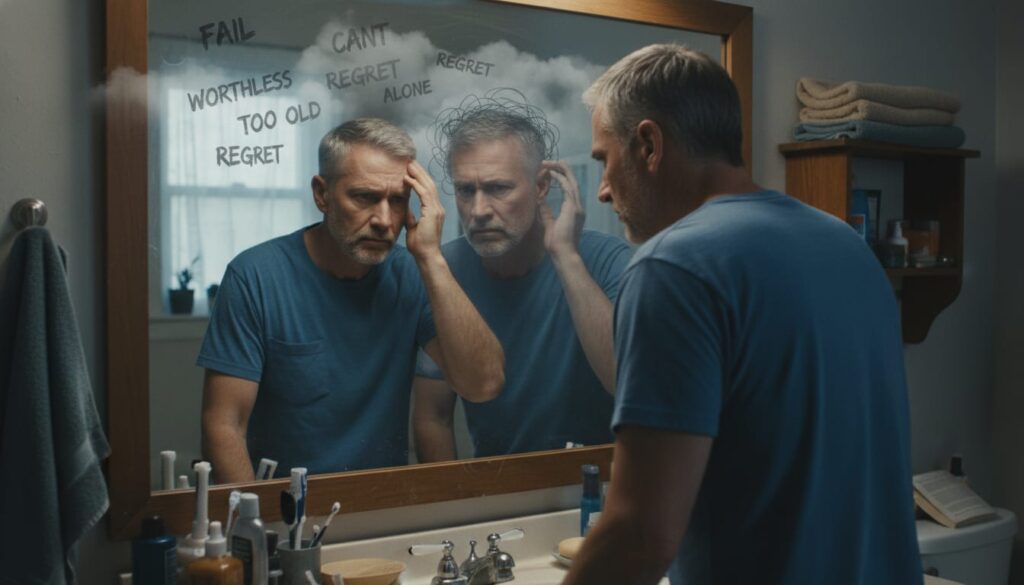
Your brain is a pattern-recognition machine—and it’s really good at its job. That’s great when you’re learning to drive or spotting a good deal. But it’s not so great when your brain starts recognizing patterns like “I always fail” or “Nothing ever works out for me.” That’s when those patterns become traps.
Before we dive in, let’s get something straight: having these thoughts doesn’t mean you’re weak, broken, or behind. It means you’re human. Your brain is literally designed to protect you from risk—which sometimes means protecting you from growth. The difference between men who stay stuck and men who break through isn’t the absence of negative thoughts; it’s what they do when those thoughts show up.
Common Limiting Thought Patterns Men Over 40 Face
“I’m too old to start over”
What it sounds like: “I’m 45. Everyone else in that field is younger. I’ve missed my window.”
Why it matters: This thought keeps you playing small and watching opportunities pass by.
“I don’t have enough experience/education/money”
What it sounds like: “I never finished college” or “I don’t have the right connections.”
Why it matters: It becomes an excuse before you even try, blocking you from taking the first step.
“I’m not smart/fit/successful enough”
What it sounds like: “Look at what other guys my age have accomplished. I’m way behind.”
Why it matters: Constant comparison kills motivation and keeps you stuck in self-doubt.
“I always mess things up”
What it sounds like: “I’ve tried this before and failed. Why would this time be different?”
Why it matters: One or two failures become a permanent identity instead of just learning experiences.
“It’s too late to change”
What it sounds like: “I’ve been doing this for 20 years. I can’t teach an old dog new tricks.”
Why it matters: It removes all sense of agency—the belief that you can actually control your future.
“Nobody takes me seriously”
What it sounds like: “People don’t respect me because of my age, my background, my past mistakes.”
Why it matters: It creates a victim mentality instead of an empowered mindset.
The Real Cost of Negative Thinking
These thought patterns don’t just affect your mental state—they influence every single aspect of your life. As explored in our article on breaking through mid-life mental blocks, negative thinking impacts:
Your Career & Income
When you believe you’re not qualified, you don’t apply for promotions. When you think you’re too old to change careers, you stay in a job that drains you. That belief costs you thousands in lost income and decades of unfulfilling work.
Your Relationships
Negative self-talk makes you withdraw from people. You assume they don’t like you, so you don’t reach out. You think you’re not good enough, so you don’t show up fully in relationships. These thoughts create the very isolation you fear.
Your Health & Fitness
“I’m too out of shape to start exercising” keeps you on the couch. “My body’s too old to change” becomes a self-fulfilling prophecy. These beliefs literally prevent you from taking the actions that would transform your health.
Your Financial Future
“I’m bad with money” stops you from even looking at your bank account. “I can’t afford to invest” keeps you broke. “I’ll never be wealthy” ensures you stay that way. Your thoughts about money directly determine your financial reality.
Your Overall Happiness
When your inner voice is constantly critical, you can’t enjoy your wins. You minimize your progress and maximize your failures. Life becomes a series of disappointments instead of opportunities.
Why This Matters for Men Over 40 Specifically

What makes midlife different? You’ve got decades of evidence now. Every failure, every mistake, every time someone said “no”—your brain has filed it away as proof that you’re limited. That’s a lot of mental baggage to carry.
But here’s what’s also true: you’ve got wisdom, experience, and perspective that younger guys don’t have. You know what actually matters. You’ve learned what doesn’t work. You understand consequences. These are superpowers if you can get your mind out of the way.
The Midlife Mindset Transformation Framework
Breaking free from limiting thoughts requires a systematic approach. You can’t just think positive and expect everything to change. You need actual techniques—tools you can use the moment a negative thought shows up.
That’s where the strategies in our article on the power of progressive mindset come in. Real transformation happens when you combine small, consistent actions with a mindset shift. Let’s look at the specific techniques that work.
Pattern Interrupt Techniques: Stop Negative Thoughts in Their Tracks
Pattern interrupt techniques are ways to stop negative thoughts in their tracks—think of them as circuit breakers for your mind. When you catch yourself spiraling into negativity, these tools help you hit pause and choose a different direction.
The 5-Second Rule
This is the simplest and most powerful technique you can use right now.
How it works:
When you catch a negative thought, you have about 5 seconds before it takes root in your brain and starts influencing your behavior. In those 5 seconds, you interrupt the pattern by doing something physical.
Example: You wake up thinking, “I’m too old to start a new fitness routine.”
Instead of dwelling on this thought:
- Second 1: Notice the thought (don’t judge it, just notice it)
- Second 2: Take a deep breath
- Second 3: Stand up or move your body
- Second 4: Say out loud: “That’s not true. I’m starting today.”
- Second 5: Take one small action—put on workout clothes, do 5 pushups, or take a 10-minute walk
This technique prevents the thought from taking root and replaces it with immediate action. The physical movement interrupts your brain’s default pattern.
Why it works: Your brain can’t simultaneously spiral in negativity and take purposeful action. Movement breaks the cycle.

The 5 Second Rule: Transform your Life, Work, and Confidence with Everyday Courage
Cognitive Reframing: See the Situation Differently
Cognitive reframing is simply changing the way you look at a situation—like putting on different glasses that help you see things more clearly. Instead of viewing a challenge as a dead-end, you learn to see it as a detour with new possibilities.
Example: When facing a job change at 45:
Original thought: “I’m too old to switch careers now. Everyone will think I’m crazy.”
Reframe: “I have 20+ years of valuable experience that makes me uniquely qualified for new opportunities. I’ve learned what doesn’t work, so I can make smarter choices this time.”
How to do it:
- Write down the negative thought exactly as it appears in your head
- List three pieces of evidence that contradict this thought
- Write a new thought that’s more accurate and empowering
- Take one action based on the new thought
Evidence: List three times your experience gave you an advantage
- You solved a problem a younger person wouldn’t have known how to handle
- You negotiated something because you understood the bigger picture
- You stayed calm in a crisis because you’ve been through tough situations before
Action step: Update your LinkedIn profile highlighting your transferable skills. Whether you’re pivoting from construction to project management or from retail to sales, your experience matters. Update your resume or LinkedIn (free), talk to people in your target field (free), or take a low-cost online course to bridge skill gaps.
Question Your Assumptions
Self-limiting beliefs are the stories we tell ourselves that hold us back—like “I’m too old” or “I’m not smart enough.” These aren’t facts; they’re just thoughts we’ve repeated so many times we started believing them. When you question them, they often fall apart.
Example: When thinking “I’ll never get back in shape”:
Ask yourself:
- Is this always true? (No—you’ve been in shape before, or you know people who have)
- Who do I know that’s done it? (List examples of men over 40 who transformed their fitness)
- What’s the smallest step I could take? (Walk 10 minutes, do one workout, eat one healthy meal)
- What evidence supports or contradicts this belief? (List facts, not feelings)
Real example: You think “I’m too out of shape to start exercising.” But then you remember your friend Tom, who was completely sedentary at 48 and now runs 5Ks at 52. That one example proves your belief isn’t absolute truth.


Evidence Gathering: Become a Detective
Evidence gathering is becoming a detective investigating whether your negative thought is actually accurate. Most limiting beliefs fall apart when you actually look at the facts.
Example: Challenge the thought “I’m bad with money”:
List your financial wins:
- Maybe you paid off a credit card
- You negotiated a better cell phone plan
- You started a $10/week savings habit
- You successfully stuck to a grocery budget
- You avoided an impulse purchase that would have hurt you
These all count—financial wins aren’t just about big numbers. Small wins compound.
Document current positive habits:
- You pay your bills on time
- You have a job that provides income
- You’ve made at least one smart financial decision
- You’re reading this, which means you care about improvement
When you actually look at the evidence, the thought “I’m bad with money” doesn’t hold up. You’re not bad with money—you’re just learning and improving, like everyone else.
Future Self-Visualization: See Yourself Winning
This technique works because your brain doesn’t distinguish between vividly imagined experiences and real ones. When you visualize success, you’re literally training your brain for it.
Example: When doubting a business decision:
Close your eyes and imagine yourself 6 months from now, having made the decision and it working out. What does that look like? How do you feel? What did you do differently? What did you learn?
The key is making it specific and sensory—not just “I’m successful,” but “I’m sitting in my home office, looking at my bank account, seeing the extra $500 this month from my side project. I feel proud. I remember being scared to start, but I’m glad I did.”
Creating Lasting Change: The Holistic Approach

Sustainable mindset transformation happens when we address our thinking patterns alongside our actions and environment. This is where the triangle of well-being comes in—understanding how your physical health, mental resilience, and financial stability all support each other.
Physical Foundation:
When you’re tired, stressed, and sedentary, negative thoughts feel more powerful. But when you move your body, sleep better, and eat well, your mind naturally becomes more resilient. You don’t have to become a gym rat—even a simple walking routine or 15-minute daily movement makes a massive difference.
Mental Practices:
The techniques in this article work best when you use them consistently. Pick one and practice it daily for a week before adding another. Consistency beats perfection.
Environmental Design:
Your environment shapes your thoughts more than you realize. If you’re surrounded by people who reinforce your limiting beliefs, change your circle. Or if your workspace is chaotic, organize it. And if your social media feed is full of comparison, curate it. Small environmental changes create big mental shifts.
Financial Stability:
Money stress amplifies negative thinking. You don’t need to be rich, but having a basic plan—even a simple budget or emergency fund—reduces anxiety and gives you a sense of control. Check out our guide on managing your money with intention for practical steps.
Quick Win: Start Today
Right now, identify one negative thought you’ve had this week. Write it down. Then, use the 5-second rule the next time it pops up. That’s it—just one thought, one technique. Small wins build momentum.
You don’t need to fix everything at once and you don’t need to be perfect. You just need to start interrupting the pattern.
Tools to Support Your Transformation
As you work on breaking free from limiting thoughts, having the right resources can accelerate your progress. Learning about how your brain works can be incredibly validating and empowering. Here are some tools that have helped thousands of men over 40:
For Managing Stress & Mental Clarity:
If you struggle with racing thoughts or anxiety, meditation can be transformative. The Calm Premium Subscription offers guided meditations specifically designed for men, sleep stories, and breathing exercises. Even 10 minutes a day can shift your entire mindset. Alternatively, the free version of Insight Timer has thousands of free meditations.
For Tracking Your Progress:
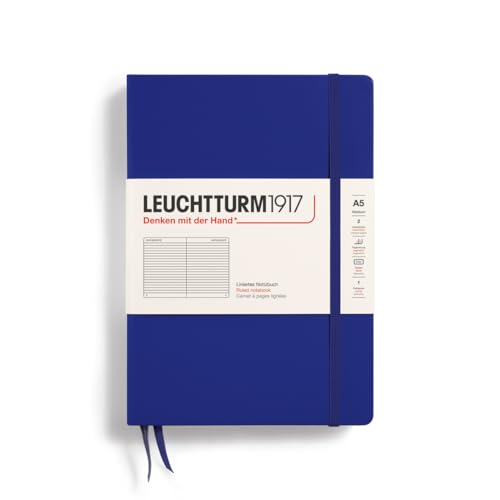
A simple journal or notebook is one of the most powerful tools for mindset work. The Leuchtturm1917 Hardcover Notebook is durable, well-designed, and gives you a dedicated space to track your thoughts, wins, and progress. Writing things down makes them real and helps you see patterns you might miss otherwise.
For Understanding Your Mind:

Atomic Habits by James Clear breaks down how small changes create big results—perfect for understanding why the techniques in this article actually work.
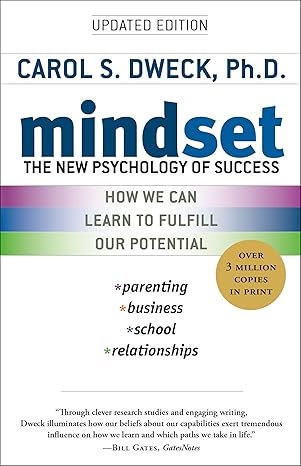
Mindset by Carol Dweck specifically addresses the difference between fixed and growth mindsets, which directly relates to breaking free from limiting beliefs.
For Building Confidence:

Sometimes you need external support to interrupt your negative patterns. A life coaching journal or workbook can guide you through structured exercises that build confidence and clarity. These are often cheaper than hiring a coach but give you similar frameworks.
For Movement & Physical Resilience:

Remember, physical health supports mental health. A simple resistance band set lets you start strength training at home with minimal cost and space.

If you prefer simplicity, a quality jump rope is one of the most effective full-body tools ever created.
Taking Action Today
Remember, identifying thought patterns is just the beginning. True transformation comes from consistent action and practice. Start with one pattern you’ve identified and apply the techniques we’ve discussed.
The techniques in this article work, but only if you actually use them. Not tomorrow—today. Pick one negative thought you’ve had this week and interrupt it using the 5-second rule. Write down one limiting belief and challenge it with evidence. Visualize yourself winning at something you’re scared of.
Your Next Move:
- Identify: Pick one negative thought pattern from the list above that resonates with you
- Choose: Select one technique that feels most doable (the 5-second rule is usually easiest to start with)
- Practice: Use that technique every single time you notice that thought for the next week
- Track: Write down what happens—does the thought lose power? Do you take action you wouldn’t have otherwise?
- Build: Once one technique becomes automatic, add another
Then, explore our complete guide to mental resilience for men over 40 to keep building on this foundation. You’ve spent years listening to that negative voice. It’s time to change the conversation.
Final Thoughts

Breaking free from limiting thought patterns isn’t about overnight transformation—it’s about consistent, mindful progress. The voice in your head has been talking to you for decades. It won’t go silent after one day. But it will get quieter. It will lose its power. And eventually, you’ll realize you’re not listening to it anymore—you’re listening to a different voice. Your own voice. The one that knows you’re capable, worthy, and absolutely not too old to build the life you want.
“The only thing worse than being stuck is pretending you’re not.”
– Unknown
As you begin to identify and challenge these patterns, you’ll find yourself naturally moving toward the opportunities, relationships, and experiences you’ve been holding yourself back from. That’s not luck. That’s what happens when you get your own mind out of your way.
You’ve got this. Now go prove it to yourself.
Disclosure
This article contains affiliate links. If you choose to make a purchase through these links, we may earn a commission at no additional cost to you.
Important Note: The information in this post is meant to educate and inform, not to replace professional mental health care or psychological advice. While we’ve spent years studying mental resilience and personal development, we’re not licensed mental health professionals or therapists. Everyone’s life circumstances and mental health journey are unique, so what works for one person might not work for another. If you’re experiencing serious mental health challenges, please reach out to a qualified mental health professional. Some of the strategies discussed may not be suitable for everyone, and it’s important to assess your own situation carefully. By reading and using this information, you’re taking responsibility for your own decisions. Remember, seeking help is a sign of strength, not weakness. Stay resilient!