Managing Family Stress: Boundaries and Self-Care During Holidays
The holidays are supposed to be joyful, right? Yet for many men over 40, managing family stress during holidays feels more like surviving a battlefield than celebrating. Between difficult relatives, endless obligations, and the pressure to keep everyone happy, you end up exhausted, frustrated, and wondering why you’re dreading what should be the “most wonderful time of the year.”
Here’s the truth: You’re not alone, and you’re not selfish for wanting some peace. Whether it’s your parents questioning your life choices, siblings stirring up old drama, or in-laws with unrealistic expectations, holiday stress management starts with one powerful realization—you have permission to protect your mental health and set boundaries.
“You can’t pour from an empty cup. Take care of yourself first.”
– Unknown
This isn’t about being cold or distant. It’s about self-preservation so you can actually enjoy the season without burnout, resentment, or emotional exhaustion. In this guide, you’ll learn practical boundary-setting strategies, stress relief techniques, and self-care tips that work for real life—no therapy degree required.
Disclosure
This article contains affiliate links. If you choose to make a purchase through these links, we may earn a commission at no additional cost to you.
Why Family Stress Hits Harder During Holidays

The Perfect Storm of Expectations
Holiday family stress doesn’t come out of nowhere. It’s the result of several factors colliding at once:
1. Old Family Dynamics Resurface
When you visit family, you often slip back into old roles—the “responsible one,” the “screw-up,” the “peacekeeper.” These patterns trigger stress because you’re not being treated like the adult you’ve become.
2. Forced Togetherness
Spending concentrated time with people you might only see once or twice a year amplifies tensions. What you could ignore over the phone becomes unavoidable face-to-face.
3. Financial Pressure
Gift expectations, travel costs, and hosting expenses create stress—especially when family doesn’t understand your budget. Setting financial boundaries during holidays is crucial but often feels impossible.
4. Emotional Labor Overload
This is the mental and emotional energy you spend managing other people’s feelings. Think about it: You’re trying to keep Mom happy, avoid Dad’s hot-button topics, prevent your brother from starting arguments, and make sure your partner feels comfortable. That’s exhausting.
5. Guilt and Obligation
Many of us were raised to believe that family comes first, no matter what. This makes saying no to family feel like betrayal, even when their requests are unreasonable.
The Real Cost of Not Setting Boundaries
When you don’t set healthy boundaries with family, the consequences extend beyond the holidays:
- Physical symptoms: Headaches, stomach issues, high blood pressure, poor sleep
- Mental health decline: Increased anxiety, depression, irritability
- Relationship strain: Taking out holiday stress on your partner or kids
- Burnout: Feeling emotionally drained for weeks after family gatherings
- Resentment: Building anger toward family members you actually love
The good news? Learning how to set boundaries with family and practicing holiday self-care can change everything.
Understanding Boundaries: What They Are and Aren’t
What Are Boundaries?
Boundaries are your personal limits—what you’re comfortable with and what crosses the line. They’re not walls to keep people out; they’re guidelines for how you want to be treated.
Examples of healthy boundaries:
- “I’ll visit for dinner, but I’m staying at a hotel, not the house.”
- “I’m happy to discuss my job, but I won’t debate my career choices.”
- “We have $50 per person for gifts this year.”
- “I need 30 minutes alone in the morning before family activities.”
- “I won’t engage in conversations about politics or religion.”
What Boundaries Are NOT
- Controlling others: You can’t make family change; you can only control your responses
- Punishment: Boundaries aren’t about getting back at someone
- Permanent: They can be adjusted as relationships and situations evolve
- Selfish: Protecting your peace is self-care, not selfishness
Common Boundary Myths
Myth 1
“If I set boundaries, my family will hate me.”
Reality: Healthy relationships respect boundaries. If someone gets angry at your limits, that’s a sign the boundary was needed.
Myth 2
“I should be able to handle anything family throws at me.”
Reality: Even the strongest people have limits. Recognizing yours is wisdom, not weakness.
Myth 3
“Setting boundaries means I don’t love my family.”
Reality: Boundaries often improve relationships by reducing resentment and creating honest communication.
Simple Boundaries That Work
Time Boundaries
The Problem: Family expects you to spend every moment of a multi-day visit together.
The Boundary:
- “I’ll be there from 2-7 PM on Christmas Day.”
- “I’m taking a walk each morning at 8 AM—I’ll be back for breakfast.”
- “We’re leaving Sunday afternoon, not Monday.”
How to Communicate It:
State it clearly and early: “Hey Mom, just wanted to let you know we’ll be arriving Saturday at noon and leaving Sunday at 3 PM. Looking forward to seeing everyone!”
Budget-Friendly Tool: Use your phone’s calendar app to block out “me time” and treat it like any other appointment. Free and effective.
Topic Boundaries
The Problem: Certain subjects always lead to arguments or judgment—your weight, your job, your relationships, politics, religion.
The Boundary:
- “I appreciate your concern, but I’m not discussing my finances.”
- “Let’s keep politics off the table this year.”
- “My health is between me and my doctor.”
How to Communicate It:
Use the “redirect” technique: “I’d rather not get into that. Hey, did you see the game last week?” If they push, repeat calmly: “Like I said, I’m not discussing that today.”
Physical Space Boundaries
The Problem: Staying in your childhood bedroom or on someone’s couch eliminates your ability to decompress.
The Boundary:
- “We’re staying at a hotel this year so we have a quiet space to recharge.”
- “I need the guest room to myself, not shared with other relatives.”
How to Communicate It:
“We’ve decided to get a hotel room this visit. It’s not about you—we just sleep better in our own space, and it’ll help us be more present during family time.”
Budget Options:
- Higher budget: Book a hotel with a gym and pool for stress relief
- Mid budget: Use Airbnb for a private space at lower cost
- Tight budget: Stay with family but schedule daily “errands” to get alone time (coffee shop, library, park)


Financial Boundaries
The Problem: Gift exchanges, expensive dinners, or travel costs strain your budget, but you feel guilty saying no.
The Boundary:
- “Let’s do a $25 gift limit this year.”
- “We’re doing a Secret Santa instead of buying for everyone.”
- “We can’t afford to fly out this year, but we’d love to video call.”
How to Communicate It:
Be direct and unapologetic: “We’re sticking to a tight budget this year, so we’re keeping gifts under $25. Hope that works for everyone!” Most people are relieved when someone else suggests limiting spending.
Money-Saving Strategy: Suggest experiences over gifts—a family game night, homemade meal together, or hiking trip costs little but creates better memories.
Related Content: Check out our article on The Mid-Life Wealth Building Blueprint for strategies on managing money pressure year-round, not just during holidays.
How to Say No Without Feeling Guilty
Why Saying No to Family Feels Impossible
Most men over 40 were raised with messages like:
- “Family always comes first”
- “Don’t be selfish”
- “What will people think?”
These beliefs create guilt when you prioritize your own needs. But here’s the reality: Saying no to one thing means saying yes to something else—your mental health, your marriage, your kids, your peace.
The “No” Formula
Step 1: Be Clear and Direct
Don’t over-explain or apologize excessively. “No, that doesn’t work for us” is a complete sentence.
Step 2: Offer an Alternative (Optional)
“We can’t host Thanksgiving this year, but we’d love to bring a dish to your place.”
Step 3: Hold Firm
When they push back (and they might), repeat your boundary calmly: “I understand you’re disappointed, but our decision is final.”
Scripts for Common Situations
When asked to host:
“We’re not hosting this year. We’re happy to attend or contribute, but we need a break from hosting duties.”
When asked to stay longer:
“We’re leaving Sunday as planned. Let’s make the most of the time we have!”
When asked about sensitive topics:
“I’m not comfortable discussing that. Let’s talk about something else.”
When asked to overspend:
“That’s outside our budget. Here’s what we can do instead…”
When guilt-tripped:
“I understand you’re upset, but this is what works for our family right now.”
Managing the Guilt
Guilt is normal, but it doesn’t mean you’re wrong. Try this:
- Acknowledge the feeling: “I feel guilty, and that’s okay.”
- Challenge the thought: “Am I actually doing something wrong, or just disappointing someone’s expectations?”
- Refocus on your ‘why’: “I’m doing this to protect my mental health and be a better husband/father/person.”

Self-Care Strategies for Every Budget
What Is Self-Care?
Self-care means taking care of your own needs so you don’t burn out. It’s not selfish—it’s necessary. Think of it like putting on your own oxygen mask first on a plane. You can’t help anyone if you’re passed out.
Self-care during family gatherings doesn’t require spa days or expensive retreats. It’s about small, intentional actions that help you recharge.
Free or Low-Cost Self-Care
1. Take Strategic Breaks
- Step outside for 10 minutes of fresh air
- Volunteer to “run to the store” for alone time in the car
- Take a longer bathroom break to breathe and reset
- Wake up 30 minutes before everyone else for quiet coffee
2. Movement
Physical activity reduces stress hormones and boosts mood.
- Morning walk or jog
- Bodyweight workout in your room (push-ups, squats, stretches)
- Offer to walk the dog
- Suggest a family walk after meals
Related Content: Our Over-40 Body Reset guide shows how even 15 minutes of movement daily transforms your stress response and energy levels.
3. Breathing Exercises
When you feel stress rising, try “box breathing”:
- Inhale for 4 counts
- Hold for 4 counts
- Exhale for 4 counts
- Hold for 4 counts
- Repeat 4 times
This activates your body’s relaxation response and works anywhere—even at the dinner table.
4. Set Phone Boundaries
Use your phone as an escape hatch:
- “I need to take this call” (step outside)
- Listen to calming music or podcasts with earbuds
- Set a timer for breaks: “I’m going to check emails for 20 minutes”
Free App Recommendation: Insight Timer offers thousands of free guided meditations and stress-relief exercises.

Pair this with the Ennora’s Binaural Beats. It’s a scientifically-backed audio technology that helps your brain achieve specific states like deep relaxation or enhanced focus.
Mid-Budget Self-Care ($20-$100)
1. Create a Comfort Kit
Pack items that help you feel grounded:
- Favorite snacks (protein bars, nuts, dark chocolate)
- Stress relief tea (chamomile, lavender, green tea)
- Essential oil roller (lavender for calm, peppermint for energy)
- Comfortable clothes (don’t sacrifice comfort for appearances)
- A good book or Kindle loaded with escapes
2. Invest in Sleep Quality
Holiday stress often disrupts sleep, which makes everything worse.
- Sleep mask to block out light
- Earplugs or white noise machine for noisy houses
- Magnesium supplement to support relaxation (check with your doctor first)
Recommended: Natural Vitality CALM magnesium powder is under $25 and helps many people sleep better and manage stress.
3. Protect Your Routine
Bring what you need to maintain healthy habits:
- Portable workout bands for quick exercises
- Meal prep containers if you need to control your diet
- Water bottle with time markers to stay hydrated
Related Content: Our article on Hydration, Nutrition & Energy: The Summer Trifecta explains how these basics dramatically affect stress resilience.



Higher-Budget Self-Care ($100+)
1. Book Your Own Space
As mentioned earlier, a hotel or Airbnb gives you a sanctuary to decompress.
2. Schedule a Buffer Day
Arrive a day late or leave a day early. Use that extra day for:
- Solo activities you enjoy
- Catching up on sleep
- Processing emotions before returning to normal life
3. Hire Help
If you’re hosting:
- Hire a cleaning service before and after
- Order catered food instead of cooking everything
- Pay for grocery delivery to save time and stress
4. Invest in Long-Term Stress Management
- Theragun or massage gun for muscle tension ($150-$300)
- Quality fitness tracker to monitor stress levels and sleep
- Therapy or coaching sessions (many offer virtual options)

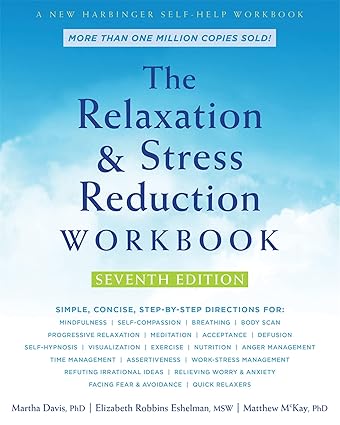
The Relaxation and Stress Reduction Workbook provides evidence-based techniques you can use year-round, not just during holidays.
Managing Expectations: Yours and Theirs
The Expectation Gap
Most holiday stress comes from mismatched expectations:
- They expect: You’ll stay for a week, attend every event, and be available 24/7
- You expect: Reasonable alone time, respect for your schedule, and adult treatment
How to Align Expectations
1. Communicate Early and Often
Don’t wait until you arrive to mention your boundaries. Give family advance notice:
- “We’re planning to visit December 23-26 this year.”
- “We’re doing a $30 gift limit—hope that works!”
- “We’ll join for Christmas dinner but need to skip the morning church service.”
2. Be Specific
Vague plans create confusion. Instead of “We’ll see how it goes,” say “We’ll be there from 2-7 PM.”
3. Manage Your Own Expectations
Accept that:
- Family might not change, even if you set boundaries
- Someone might be disappointed or angry
- The holidays might not be perfect, and that’s okay
- You can’t control others’ reactions, only your responses
When Family Pushes Back
Common Pushback:
- “You’re being selfish.”
- “We never see you anymore.”
- “Family is supposed to sacrifice for each other.”
- “You’ve changed.”
Your Response:
Stay calm and repeat your boundary: “I understand you’re disappointed. This is what works for us this year.”
Don’t JADE (Justify, Argue, Defend, Explain). The more you explain, the more ammunition you give them to argue.
Related Content: Our article on Building Unshakeable Confidence in Your 40s helps you stand firm in your decisions without second-guessing yourself.
Quick Stress Relief Techniques
In-the-Moment Strategies
When stress hits during a family gathering, try these:
1. The 5-4-3-2-1 Grounding Technique
Identify:
- 5 things you can see
- 4 things you can touch
- 3 things you can hear
- 2 things you can smell
- 1 thing you can taste
This pulls you out of anxiety and into the present moment.
2. Progressive Muscle Relaxation
Tense and release each muscle group for 5 seconds:
- Fists → arms → shoulders → face → legs → feet
Works great when you’re stuck at the dinner table.
3. The Bathroom Reset
Excuse yourself, go to the bathroom, and:
- Splash cold water on your face
- Do 10 deep breaths
- Stretch your neck and shoulders
- Give yourself a pep talk: “I can handle this. Just a few more hours.”
4. Change Your Environment
- Move to a different room
- Step outside
- Offer to help in the kitchen (gives you something to do)
- Play with kids or pets (natural stress relievers)
Daily Stress Prevention
Morning Routine:
Start each day with 15-30 minutes for yourself:
- Exercise or stretching
- Meditation or prayer
- Journaling
- Reading something inspiring

Evening Wind-Down:
End each day by releasing stress:
- Reflect on what went well (not just what went wrong)
- Write down tomorrow’s boundaries or plan
- Do a body scan meditation
- Avoid alcohol as a stress reliever (it disrupts sleep and increases anxiety)
Hydration and Nutrition:
- Drink water throughout the day (dehydration increases stress)
- Don’t skip meals (low blood sugar makes you irritable)
- Limit caffeine and sugar (they spike anxiety)
- Keep healthy snacks handy so you’re not at the mercy of family meal schedules

Aquasana’s fast-flowing Clean Water Machine removes 78 contaminants including 99% of lead & cysts, 15x more than the leading pitcher filter.
When to Step Away: Recognizing Your Limits
Warning Signs You’ve Hit Your Limit
Physical signals:
- Tension headaches
- Stomach problems
- Chest tightness
- Exhaustion despite adequate sleep
- Getting sick (stress weakens immunity)
Emotional signals:
- Snapping at people you love
- Feeling numb or detached
- Crying or anger outbursts
- Dreading the next family interaction
- Fantasizing about escape
Mental signals:
- Can’t focus or make decisions
- Obsessing over family comments
- Catastrophic thinking (“This will never end”)
- Losing perspective
It’s Okay to Leave Early
If you’ve hit your limit, you have permission to leave. Your mental health matters more than anyone’s disappointment.
How to exit gracefully:
“I’m not feeling well and need to head out. Thank you for having us—we’ll catch up soon.”
You don’t owe anyone a detailed explanation. Protect yourself first.
The 24-Hour Rule
Before making any major decisions (cutting off family, sending angry texts, etc.), give yourself 24 hours away from the situation. Distance provides clarity.
Related Content: Our article on The Power of Progressive Mindset explores how to process difficult emotions without making reactive decisions you’ll regret.
Related Articles


Creating Your Holiday Survival Plan
Before the Holidays
1. Identify Your Triggers
What situations, topics, or people cause you the most stress? Write them down.
2. Set Your Boundaries
Based on your triggers, decide your limits:
- Time boundaries (when you’ll arrive/leave)
- Topic boundaries (what you won’t discuss)
- Financial boundaries (spending limits)
- Activity boundaries (what you will/won’t participate in)
3. Communicate Your Plan
Tell family your boundaries in advance. Don’t surprise them at the door.
4. Prepare Your Self-Care Kit
Pack everything you need to manage stress (see self-care section above).
5. Arrange Your Escape Routes
- Book a hotel if needed
- Rent a car so you’re not dependent on others
- Have a friend on standby for support calls
- Plan activities outside the house
During the Holidays
1. Stick to Your Boundaries
Don’t abandon your limits because someone guilt-trips you. Stay consistent.
2. Take Regular Breaks
Schedule alone time daily, even if it’s just 15 minutes.
3. Practice Your Stress-Relief Techniques
Use breathing exercises, grounding techniques, and movement throughout the day.
4. Find Allies
Connect with family members who “get it”—a sibling, cousin, or partner who can provide support and humor.
5. Keep Perspective
Remind yourself: “This is temporary. I can handle anything for a few days.”
After the Holidays
1. Debrief
Reflect on what worked and what didn’t:
- Which boundaries were effective?
- What would you do differently next year?
- What surprised you?
2. Process Your Emotions
Don’t just “move on.” Journal, talk to a friend, or see a therapist if needed.
3. Recover
Give yourself time to recharge:
- Get extra sleep
- Return to your normal routine
- Do activities you enjoy
- Reconnect with your partner or kids
4. Plan for Next Year
While it’s fresh, write down your strategy for next holiday season. Future you will thank you.

Related Resources
From Our Blog:
- The Triangle of Well-being: How physical, mental, and financial health interconnect
- Mindset Mastery: Why Most Men Stay Stuck: Breaking free from limiting beliefs
- Building Unshakeable Confidence in Your 40s and Beyond: Standing firm in your decisions
- Stress-Proofing Your Summer: Advanced Mental Strategies: Year-round stress management techniques
Recommended Reading:
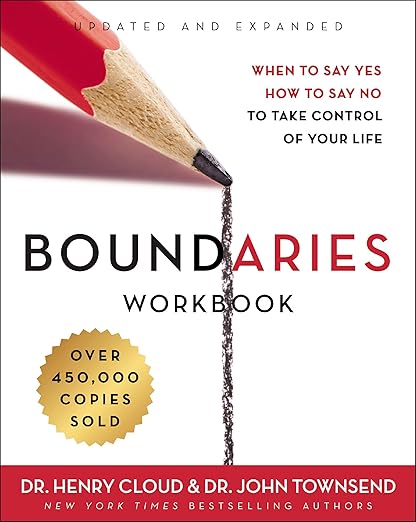
- “Boundaries” by Dr. Henry Cloud
- “The Relaxation and Stress Reduction Workbook”
- “The Daily Stoic” by Ryan Holiday
- “The Bullet Journal Method” by Ryder Carroll
Recommended Products:
- Five Minute Journal for daily reflection
- LectroFan White Noise Machine for better sleep
- Natural Vitality CALM Magnesium for stress support
- Resistance Bands Set for portable workouts
- Essential Oil Roller Set for on-the-go calm
Final Thoughts: Your Peace Matters

Managing family stress during holidays isn’t about being perfect or making everyone happy—it’s about protecting your mental health so you can actually enjoy the season and be present for the people who matter most.
Remember:
- Setting boundaries doesn’t make you selfish; it makes you healthy
- Saying no to one thing means saying yes to something better
- You can love your family and still need space from them
- Your worth isn’t determined by how much you sacrifice
“Almost everything will work again if you unplug it for a few minutes, including you.”
– Anne Lamott
The holidays will come and go, but your mental health affects every day of your life. Invest in it. Protect it. Don’t apologize for it.
Start small: Pick one boundary to implement this holiday season. Just one. See how it feels. Build from there.
You’ve got this. And if you need support along the way, that’s what we’re here for.
Ready to take control of your holiday stress? Start by identifying your biggest trigger and setting one boundary around it today. Your future self will thank you.
Disclosure
This article contains affiliate links. If you choose to make a purchase through these links, we may earn a commission at no additional cost to you.
Important Note: The information in this post is meant to educate and inform, not to replace professional mental health care or psychological advice. While we’ve spent years studying mental resilience and personal development, we’re not licensed mental health professionals or therapists. Everyone’s life circumstances and mental health journey are unique, so what works for one person might not work for another. If you’re experiencing serious mental health challenges, please reach out to a qualified mental health professional. Some of the strategies discussed may not be suitable for everyone, and it’s important to assess your own situation carefully. By reading and using this information, you’re taking responsibility for your own decisions. Remember, seeking help is a sign of strength, not weakness. Stay resilient!