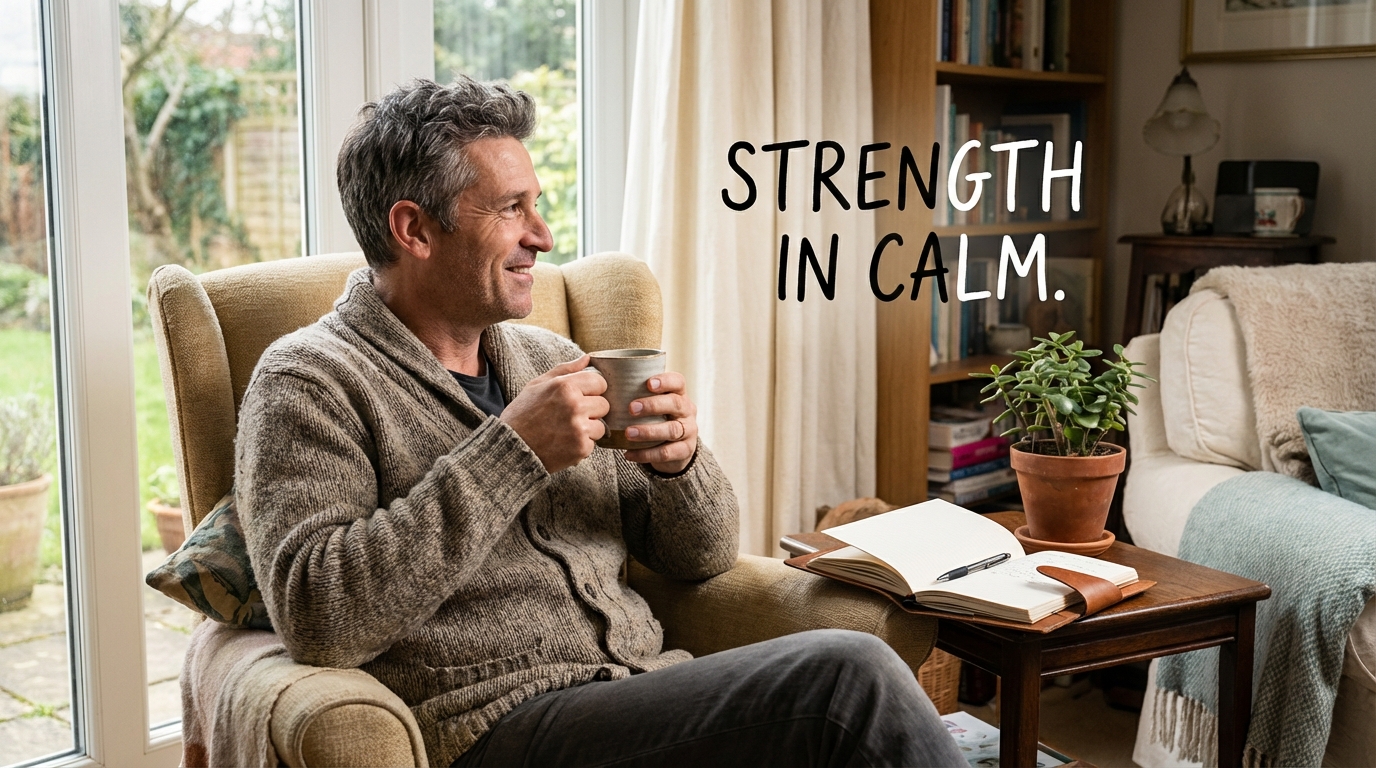
Overcoming Seasonal Depression: Winter Mental Health for Men
Winter can be tough, especially for men who are used to powering through challenges on their own. If you’ve ever felt more tired, down, or just not yourself during the colder months, you’re not alone.
“Even the darkest night will end and the sun will rise.”
– Victor Hugo
This feeling, often called the “winter blues,” could be a sign of something called Seasonal Affective Disorder (SAD). Let’s break down what that means, why it happens, and simple, practical ways to boost your winter mental health—even if you’re new to these ideas.
Disclosure
This article contains affiliate links. If you choose to make a purchase through these links, we may earn a commission at no additional cost to you.
What is Seasonal Affective Disorder (SAD)?
SAD is a type of depression that usually shows up in the winter when there’s less sunlight. You might feel low energy, have trouble getting motivated, or notice your mood slipping. If you’re curious about other ways mindset can affect your health, check out Mindset Mastery: Why Most Men Stay Stuck.
Example: John, a dad in his 40s, noticed he was sleeping more and felt less interested in things he usually enjoyed every December. He thought it was just “winter tiredness,” but it was actually SAD.
How Light Therapy Can Help

Exercise: Simple Ways to Feel Better
You don’t need a gym membership or fancy equipment to get the benefits of exercise for mental health. Even a brisk walk, some bodyweight exercises, or stretching at home can help your brain release feel-good chemicals. For easy home workouts, I recommend the Fit Simplify Resistance Loop Exercise Bands from Amazon—they’re budget-friendly and perfect for beginners.
If you’re interested in more ways to build healthy routines, see The Over-40 Body Reset.
When to Reach Out for Help
If you find that your mood isn’t improving or daily life feels overwhelming, it’s okay to ask for help. Talk to a friend, family member, or a mental health professional. There’s no shame in reaching out—everyone needs support sometimes. For more on building mental resilience, read Building Unshakeable Confidence in Your 40s and Beyond.
Extra Tips for Winter Mental Wellness
- Stick to a regular sleep schedule
- Try to get outside during daylight hours, even if it’s cloudy
- Eat balanced meals—foods rich in vitamin D can help
- Stay connected with friends and family
If you want to learn about energy management, check out Energy Management for Men Over 40: Master Your Life.
Related Articles


Winter doesn’t have to mean months of feeling down. With a few simple changes and the right support, you can overcome seasonal depression and make this season one of growth and resilience.
“You don’t have to control your thoughts. You just have to stop letting them control you.”
– Dan Millman
If you have questions or want to share your experience, drop a comment below or connect with our community—your story could help another man take his first step toward better mental health.
Disclosure
This article contains affiliate links. If you choose to make a purchase through these links, we may earn a commission at no additional cost to you.
Important Note: The information in this post is meant to educate and inform, not to replace professional mental health care or psychological advice. While we’ve spent years studying mental resilience and personal development, we’re not licensed mental health professionals or therapists. Everyone’s life circumstances and mental health journey are unique, so what works for one person might not work for another. If you’re experiencing serious mental health challenges, please reach out to a qualified mental health professional. Some of the strategies discussed may not be suitable for everyone, and it’s important to assess your own situation carefully. By reading and using this information, you’re taking responsibility for your own decisions. Remember, seeking help is a sign of strength, not weakness. Stay resilient!