Preparing for Fall: Setting Up Q3 Success (Men Over 40)
Hey there, friend. As we hit mid-year, we know you’re probably feeling that familiar tug – the realization that another year is flying by, and you’re wondering if you’re making the progress you hoped for. If you’re like most guys in their 40s and 50s, you started January with big plans, but life happened. Work got crazy, family needed attention, and somehow those goals got pushed to the back burner.
“The secret of getting ahead is getting started. The secret of getting started is breaking your complex overwhelming tasks into small manageable tasks, and starting on the first one.”
– Mark Twain
The good news: Q3 success planning for men over 40 isn’t about starting over – it’s about getting strategic with the time you have left. Fall isn’t just about pumpkin spice and football (though there’s nothing wrong with that). It’s your chance to set up systems that’ll carry you strong through the end of the year and beyond.
Disclosure
This article contains affiliate links. If you choose to make a purchase through these links, we may earn a commission at no additional cost to you.


The Power of Quarterly Reviews: Your Q3 Reset Strategy
Let’s start with something that sounds fancy but is actually pretty straightforward – a quarterly review process. Think of it like checking your car’s oil every few months. You wouldn’t drive cross-country without making sure everything’s running smoothly, right?
A quarterly review is simply taking a step back every three months to see what’s working, what isn’t, and what needs adjusting. It’s not about beating yourself up for what you didn’t accomplish – it’s about being honest and strategic moving forward.

Your Simple Q3 Review Process:
Step 1: The Reality Check
Grab a notebook (we recommend the Rocketbook Smart Reusable Notebook – you can erase and reuse it, plus scan your notes to your phone) and write down:
- What goals did you set in January?
- Which ones are you crushing?
- Which ones have you completely forgotten about?
- What unexpected opportunities showed up?

Step 2: The Why Behind the What
For each goal that’s stalled, ask yourself:
Was this really important to me, or did I think it should be important? Sometimes we set goals based on what we think we should want rather than what we actually want. There’s no shame in pivoting.
Step 3: Resource Assessment
Look at your current resources honestly:
- Time: How many hours per week can you realistically dedicate?
- Energy: When are you most focused during the day?
- Money: What’s your budget for tools, courses, or help?
- Support: Who’s in your corner?
Related Article
This connects directly to what we talk about in “The Triangle of Well-being” – you need all three pillars (physical, mental, financial) working together for sustainable success.

Fall Goal Setting: Aligning Priorities for Maximum Impact
Fall goal setting strategies are different from New Year’s resolutions. By now, you know yourself better. You know what derails you, what motivates you, and what your real constraints are.

The 3-2-1 Priority System
Instead of trying to change everything at once, focus on:
- 3 Major Goals for the quarter (think big picture)
- 2 Monthly Milestones for each goal (bite-sized progress)
- 1 Weekly Action that moves you forward (something you can do consistently)
For Example:
- Major Goal: Improve physical health
- Monthly Milestones: Walk 10,000 steps daily, meal prep twice weekly
- Weekly Action: Sunday grocery shopping and meal planning

Making Goals Stick When Life Gets Crazy
Let’s be real – you’re not 25 anymore. You’ve got responsibilities, people depending on you, and a body that doesn’t bounce back like it used to. Your Q3 goal alignment needs to account for this reality.
The Minimum Viable Progress Approach: Instead of “I’ll work out for an hour every day,” try “I’ll move my body for 15 minutes daily, even if it’s just walking around the block.”
Related Article
This connects to the principles discussed in “The Power of Progressive Mindset” – small, consistent actions compound over time.

Back-to-School Season: Hidden Opportunities for Growth
This is something most guys our age miss: back to school season opportunities aren’t just for parents and students. This time of year brings a natural energy shift that you can leverage.

The September Reset Effect
Ever notice how September feels like a fresh start, even more than January sometimes? There’s a reason for that. After the laid-back summer months, there’s a collective return to structure and routine. You can ride this wave.
Ways to Capitalize:
- Learning Opportunities: Online courses often launch new cohorts in September. Whether it’s improving a skill for work or exploring that side business idea, fall is prime time for education.
- Networking Events: Professional organizations ramp up their programming after summer break.
- Routine Building: It’s easier to establish new habits when everyone else is getting back into structured schedules.
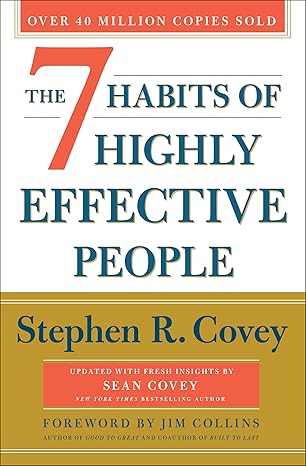
If you’re looking to expand your skills, we highly recommend checking out books like Atomic Habits by James Clear or The 7 Habits of Highly Effective People – both are game-changers for building systems that stick.

Atomic Habits by James Clear breaks down how tiny mindset changes compound into major transformations. It's written in plain English—no psychology degree needed.
Leveraging the Back-to-School Mindset for Business
If you’re working on building additional income streams (something we cover extensively in “Creating Multiple Income Streams After 40“), September is your sweet spot. People are in “investment mode” – investing in their kids’ education, their own growth, and planning for the future.
Holiday Season Preparation: Planning for Q4 Success
We know, we know – it’s barely fall and we’re talking about the holidays. But here’s the thing: holiday season preparation strategies aren’t about decorating early or buying gifts in July. They’re about setting yourself up so the holiday season enhances your year instead of derailing it.

The Holiday Survival Strategy
October Planning:
- Map out all your holiday commitments (parties, travel, family gatherings)
- Identify your biggest stress points from last year
- Create a holiday budget that won’t wreck your January finances
November Preparation:
- Batch your holiday shopping (online is your friend here)
- Plan your workout schedule around holiday disruptions
- Set boundaries around work and family time
December Execution:
- Stick to your systems, but build in flexibility
- Focus on presence over presents
- Remember that “good enough” is often perfect
The Holiday Planner and Budget Planner can be a lifesaver here – it helps you stay organized without the stress.


Your 30-Day Q3 Action Plan

Let’s make this practical. Here’s your roadmap for Q3 success planning:
Week 1: Assessment and Planning
- Complete your quarterly review
- Identify your 3-2-1 priorities
- Set up your planning system (digital or paper – whatever you’ll actually use)
Week 2: System Building
- Create your weekly routine
- Identify potential obstacles and plan workarounds
- Set up accountability (more on this below)
Week 3: Implementation
- Start your new routines
- Track what’s working and what isn’t
- Make small adjustments as needed
Week 4: Optimization
- Review your first three weeks
- Double down on what’s working
- Eliminate or modify what isn’t

Four Common Challenges and Solutions

Challenge 1
“I Don’t Have Time for All This Planning”
The Problem: You’re already stretched thin, and adding “planning time” feels like another burden.
The Solution: Start with just 15 minutes on Sunday evenings. Use this time to look at the week ahead and identify your top 3 priorities. That’s it. Planning doesn’t have to be elaborate to be effective. Think of it like checking the weather before you get dressed – a small investment that saves you trouble later.
Real-World Example: Mike, a construction foreman and father of two, spends 15 minutes every Sunday night reviewing his week. He identifies his biggest work deadline, his family commitments, and one thing he wants to do for himself. This simple practice helped him lose 20 pounds and get a promotion because he stopped feeling reactive and started being proactive.
Challenge 2
“Every Time I Set Goals, Life Gets in the Way”
The Problem: You make plans, then your kid gets sick, work explodes, or your car breaks down, and everything falls apart.
The Solution: Build flexibility into your goals from the start. Instead of rigid daily requirements, create weekly targets. Instead of “I must do X every day,” try “I’ll do X four times this week.” This gives you room to adjust when life happens without abandoning your goals entirely.
Real-World Example: Tom wanted to start exercising but kept missing his planned gym sessions due to work travel. Instead of giving up, he shifted to “I’ll get 150 minutes of movement this week, however it happens.” Some weeks it was hotel room workouts, other weeks it was walking meetings. The flexibility kept him consistent for over a year.
Challenge 3
“I Start Strong but Always Lose Momentum”
The Problem: You’re great at launching new initiatives but terrible at maintaining them long-term.
The Solution: Focus on systems, not just goals. A goal is “lose 20 pounds.” A system is “I grocery shop on Sundays and prep healthy lunches for the week.” Systems are the daily habits that make goals inevitable. Also, celebrate small wins along the way – your brain needs positive reinforcement to keep going.
Real-World Example: Dave wanted to build a side business but kept starting and stopping. He shifted from focusing on “make $1000/month” to “spend 30 minutes every weekday morning working on my business.” The system approach led to consistent progress, and he hit his income goal within 8 months.
Challenge 4
“I Don’t Know Which Goals Are Actually Worth Pursuing”
The Problem: You have too many ideas and not enough clarity about what will actually move the needle in your life.
The Solution: Use the “Future Self” test. For each potential goal, ask: “Will achieving this make my life significantly better in 12 months?” If the answer isn’t a clear yes, it’s probably not worth your limited time and energy. Also, consider the “regret minimization” approach – what would you regret NOT pursuing?
Real-World Example: James was torn between learning guitar, starting a podcast, and getting a real estate license. He used the Future Self test and realized that only real estate would significantly impact his financial future. He put guitar and podcasting on the “someday” list and focused on real estate. Within 18 months, he was earning an extra $2000/month in commissions.
Building Your Support System
This is what took us years to learn: Q3 productivity tips aren’t just about personal discipline – they’re about building systems and relationships that support your success.

The Accountability Factor
Find someone who’s also working on improving their life. It doesn’t have to be formal coaching (though that works too). It could be a weekly check-in text with a buddy, a monthly coffee with a colleague, or joining an online community of like-minded guys.
The key is consistency and honesty. Share what you’re working on, celebrate wins together, and be real about struggles. This isn’t about competition – it’s about mutual support.
Tools That Actually Help
You don’t need expensive software or complicated systems.
Here are some simple tools that can make a real difference:




The Mindset Shift That Changes Everything
The thing about fall success strategies – they’re not really about fall. They’re about recognizing that you have more control over your life than you think, and that small, consistent actions compound into significant results over time.
You have advantages now that you didn’t have at 25:
- Experience that helps you avoid obvious mistakes
- Resources (even if limited) that you can deploy strategically
- Clarity about what actually matters to you
- Less time to waste on things that don’t serve you
Related Article
This connects directly to the principles outlined in “Mindset Mastery: Building Mental Toughness in Your Prime Years“. Your 40s and 50s aren’t about slowing down – they’re about getting strategic.
final Thoughts: Your Q3 Success Starts Now

Look, we get it. Another planning article, another set of strategies to try. But here’s what we want you to remember: Q3 success planning for men over 40 isn’t about perfection. It’s about progress. It’s about being intentional with the time you have left in this year and setting yourself up for a strong finish.
You don’t need to implement everything at once. Pick one thing from this post – maybe it’s doing a simple quarterly review, or setting up that 15-minute Sunday planning session, or just buying a decent planner and using it consistently.
“You are never too old to set another goal or to dream a new dream.”
– C.S. Lewis
The goal isn’t to become a different person overnight. It’s to become a slightly better version of yourself each day, using systems that work with your real life, not against it.
Your fall planning checklist can be as simple as:
- Review where you are honestly
- Decide where you want to be by December 31st
- Identify the smallest daily action that moves you forward
- Start tomorrow
That’s it. No complicated formulas, no expensive programs, no dramatic life overhauls. Just honest assessment, clear intention, and consistent action.
The best time to plant a tree was 20 years ago. The second-best time is now. Your Q3 success story starts with the next decision you make.
Ready to dive deeper into building the life you want after 40? Check out our cornerstone articles on The Triangle of Well-being, Creating Multiple Income Streams After 40, and The Power of Progressive Mindset. Each one builds on the strategies we’ve discussed here and gives you practical frameworks for lasting change.
Disclosure
This article contains affiliate links. If you choose to make a purchase through these links, we may earn a commission at no additional cost to you.
Important note: The information provided in this post is for educational and informational purposes only. While we’ve spent over a decade studying health, wellness, and financial strategies, we are not a licensed healthcare provider, mental health professional, or financial advisor. Everyone’s situation is unique, so what works for one person might not work for another. For physical health matters, always consult your doctor before starting any new fitness program. For mental health concerns, please seek qualified mental health professionals. For financial decisions, consult with certified financial advisors who can assess your specific situation. The content here reflects personal research and experience but shouldn’t replace professional advice in any of these areas. By reading and using this information, you’re taking responsibility for your own decisions. Your health, mind, and money deserve professional guidance when needed. Stay awesome!