The Summer Success Triangle: Balancing Health, Wealth, and Happiness
Summer brings unique opportunities and challenges for men in their 40s and 50s. While the warm weather invites relaxation and outdoor activities, it’s also the perfect time to realign your goals and create momentum for the rest of the year. The Summer Success Triangle—balancing health, wealth, and happiness—provides a straightforward framework for making the most of these longer, brighter days without overwhelming yourself or your wallet.
“The key is not to prioritize what’s on your schedule, but to schedule your priorities.”
— Stephen Covey
Who This Framework Is For
This isn’t just for guys with unlimited time and money. Whether you’re working two jobs to make ends meet, climbing the corporate ladder, running your own business, or somewhere in between—this framework scales to your reality. You don’t need a gym membership, a financial advisor, or a life coach to make this work. You just need 15 minutes a day and a willingness to try something different.
The beauty of this approach? It meets you where you are. Got a tight budget? We’ve got free options. Limited time? We’ll show you how to stack activities. Feeling stuck? We’ll break it down into bite-sized pieces that actually fit into real life.
Disclosure
This article contains affiliate links. If you choose to make a purchase through these links, we may earn a commission at no additional cost to you.
Understanding the Summer Success Triangle
The Summer Success Triangle isn’t complicated. Think of it as three interconnected areas of your life that work together:
Health: Your physical energy and fitness
Wealth: Your financial security and career growth
Happiness: Your relationships and personal fulfillment
Here’s the thing most guys miss: these three areas aren’t separate. They’re like dominoes—when one area improves, it naturally supports the others through small, consistent actions that create momentum.
For example, regular summer exercise (health) reduces stress and improves your work performance (wealth), leading to better relationships and personal satisfaction (happiness). It’s a snowball effect—like a snowball rolling downhill, small wins get bigger over time. That morning walk improves your energy, which helps you focus at work, which reduces stress, which improves your relationships. One good choice creates a chain reaction.
Related Reading: The Triangle of Well-being: Balancing Work, Health, and Wealth
Why Summer is Perfect for Goal Setting

Summer’s extended daylight and relaxed atmosphere create ideal conditions for setting goals that match the season you’re in. Think of it like this: You wouldn’t wear a winter coat in July, right? Same goes for your goals. Summer’s longer days and relaxed vibe make it easier to focus on outdoor fitness and social connections, while winter might be better for indoor skill-building.
Unlike the pressure-filled New Year resolutions that fizzle out by February, summer goals feel more natural and sustainable. The season’s energy encourages outdoor activities, social connections, and a slower pace that allows for reflection and planning.
1. Setting Goals That Match Your Season

The Four Pillars of Summer Success
When facing life changes or feeling stuck, having a structured approach to assessment prevents overwhelm and helps you make better decisions. Use this structured approach to assessment to evaluate where you stand.
Step 1: Conduct a Mid-Year Reality Check
Take 30 minutes this weekend to assess where you stand on your yearly goals. Grab a notebook or use the notes app on your phone. Ask yourself:
- What’s actually working in my life right now?
- Where am I spinning my wheels?
- What would make the biggest difference if I improved it?

Step 2: Set Summer-Specific Goals
Choose 2-3 goals for each area of your triangle. Keep them realistic and tied to your actual life, not some Instagram fantasy version.
Health Goals Examples:
- Tight budget: Walk 10,000 steps daily using your phone’s built-in pedometer
- Moderate budget: Join a local rec center ($20-40/month) for pool access
- Flexible budget: Hire a trainer for 4 sessions ($200-400) to build a solid routine
Wealth Goals Examples:
- Hourly worker: Pick up 2 extra shifts per month when coworkers take vacation
- Salaried professional: Complete one online certification in your field (many are free through LinkedIn Learning or Coursera)
- Entrepreneur: Launch one small side project or test one new income stream
Happiness Goals Examples:
- Free option: Schedule weekly phone calls with an old friend you’ve lost touch with
- Low cost: Host a monthly potluck BBQ—friends bring dishes, you provide space
- Investment option: Plan a weekend camping trip ($50-150 total for campsite and supplies)
Step 3: Make Goals Season-Appropriate
Align your goals with summer’s natural rhythm instead of fighting against it. Instead of forcing yourself into a stuffy gym, consider hiking, swimming, or early morning walks before the heat kicks in. Rather than evening networking events in conference rooms, try breakfast meetings at outdoor cafes or walking meetings in the park.
The key is working with the season, not against it. Summer wants you outside, moving, and connecting with people. Use that energy instead of resisting it.
2. Managing Your Time Without Losing Your Mind

Summer’s appeal can derail productivity if you don’t have a simple system. Here’s how to balance fun with progress using what I call “daily schedule chunks.”
Picture your day as a pizza cut into three slices: morning, midday, and evening. Each slice gets one focus area—health, money, or happiness. Simple as that. You’re not trying to do everything at once; you’re just making sure each area gets some attention every day.
The Summer Schedule Framework
Morning Power Hours (6-9 AM):
- Focus on health and personal development
- Exercise before the heat hits
- Read, journal, or plan your day
- Why mornings? Your willpower is strongest, and you’ll finish before life gets chaotic

Midday Balance (9 AM-3 PM):
- Handle wealth-building activities (work, side hustles, skill development)
- Take a real lunch break—even 15 minutes away from your desk helps
- Knock out one small financial task (pay a bill, update your budget, research investments)
Evening Enjoyment (3-8 PM):
- Prioritize happiness and relationships
- Family time, hobbies, social activities
- Outdoor activities while there’s still daylight
- Meal prep for tomorrow (health meets wealth—saves money and supports fitness goals)
Action Tip: Use a simple time-blocking method—just write three things on a sticky note each morning: one for health, one for wealth, one for happiness. That’s your day. No fancy apps needed, though if you prefer digital, Google Calendar works great and it’s free.

Aquasana’s fast-flowing Clean Water Machine removes 78 contaminants including 99% of lead & cysts, 15x more than the leading pitcher filter.
3. Figuring Out What Actually Matters

Not everything can be a priority, despite what your brain tells you at 2 AM. Use what I call the “Priority Sorting System”—imagine sorting your mail into piles: urgent bills, junk mail, and things to read later. We’re doing the same with your goals, figuring out what needs attention now versus what can wait.
High Impact + Low Effort (Do These First)
These are your quick wins that create immediate momentum:
- 20-minute morning walks
- Drinking more water (aim for half your body weight in ounces—weigh 180 pounds? Shoot for 90 ounces daily)
- Packing lunch instead of buying ($5 saved daily = $100/month)
- 10-minute evening phone calls with family

High Impact + High Effort (Schedule These Strategically)
These require more time or energy but create lasting change:
- Starting a side business or freelance work
- Training for a 5K or fitness challenge
- Taking an online course for career advancement
- Having difficult but necessary conversations with family
Low Impact + Low Effort (Fill Gaps With These)
These are fine but don’t move the needle much:
- Scrolling social media for “inspiration”
- Reorganizing things that are already organized
- Reading about fitness instead of actually exercising
- Planning to plan
Low Impact + High Effort (Avoid or Delegate These)
These drain energy without meaningful returns:
- Perfectionism on tasks that just need to be “good enough”
- Attending every social event out of obligation
- DIY projects that would cost less to hire out when you factor in your time
- Arguing with strangers on the internet
Quick Self-Assessment: Rate yourself 1-10 in each area right now. Health: ___ Wealth: ___ Happiness: ___. Write it down. We’ll check back at the end.
4. Tracking Progress Without Overthinking It

Simple tracking keeps you accountable without becoming a burden. Most guys overcomplicate this and quit within a week.
Here’s what actually works:
The Weekly Triangle Check-In
Every Sunday evening, spend 5 minutes rating each area from 1-10:
- Health: How’s my energy? Am I moving my body regularly?
- Wealth: Did I make progress on financial goals? Am I earning/saving/learning?
- Happiness: Do I feel connected to people I care about? Am I doing things I enjoy?
Write these numbers down. That’s it. You’re not writing essays or tracking every calorie. Just three numbers that show you the trend over time.
Simple tracking tool: The Clever Fox Daily Planner ($24.99) has weekly review pages built in, or just use a free spreadsheet. The tool doesn’t matter—consistency does.
The Photo Progress Method
Take weekly photos of:
- Your body (same outfit, same spot, same time—tracks physical changes)
- Your workspace (shows career/business progress)
- Your surroundings (captures life quality improvements)
Photos don’t lie, and they’re incredibly motivating when you compare month 1 to month 3. You’ll see changes you didn’t notice day-to-day.
The One-Minute Journal
Each evening, write one sentence about each triangle area. This creates awareness without overwhelming detail:
- Health: “Walked 8,000 steps and felt energized all day”
- Wealth: “Spent 30 minutes learning Excel formulas for work”
- Happiness: “Had dinner with the family without checking my phone”
That’s 60 seconds total. Anyone can do 60 seconds.
Practical Summer Success Strategies
Now let’s get into the specific actions that move the needle in each area. Remember, pick what fits your budget and lifestyle—you don’t need to do everything.
Health Optimization for Men Over 40
Morning Routine Adjustments
Summer mornings are golden for men in their 40s and 50s. Your joints are looser, the temperature is manageable, and you can knock out exercise before work chaos begins.
Free/Low-Cost Options:
- Wake up 30 minutes earlier for a neighborhood walk
- Do bodyweight exercises in your backyard (pushups, squats, planks)
- Follow free YouTube channels like “FitnessBlender” or “HASfit” for guided workouts
Moderate Investment Options:
- Resistance Bands Set ($24.99) for full-body workouts anywhere
- Adjustable Dumbbells ($199-299) if you have space and budget
- Local rec center membership ($20-40/month) for pool and equipment access
Premium Options:
- Personal trainer for 4-8 sessions to build proper form ($200-600)
- Home gym setup with basics ($500-1000 one-time investment)
These age-appropriate fitness strategies work with your body, not against it. Your joints, recovery time, and hormones are different than they were at 25—your workout should reflect that.

Staying Hydrated the Smart Way
Nothing fancy here—just drinking enough water throughout the day. Dehydration affects both physical performance and mental clarity, which impacts all three areas of your triangle.
Aim for about half your body weight in ounces. Weigh 180 pounds? Shoot for 90 ounces of water daily. Add a pinch of sea salt to your morning water for better absorption (sounds weird, but it works).
Hydration tools:
- Free: Reuse a large container and refill throughout the day
- Budget-friendly: Iron Flask Water Bottle ($29.95) with time markers
- Upgrade: Hydro Flask with Straw ($39.95) for convenience
Summer Exercise Options
Free Options:
- Early morning or evening walks (avoid midday heat)
- Park workouts using benches and bars
- Swimming at public beaches or community pools
- Hiking local trails
- Pickup basketball or soccer at parks
Low-Cost Options:
- Resistance bands ($24.99) for strength training anywhere
- Jump rope ($12.99) for cardio in your driveway
- Yoga mat ($24.99) for stretching and core work
Moderate Investment:
- Fitness tracker ($49.99) to monitor activity and sleep
- Foam roller ($29.99) for recovery and flexibility
- Rec center membership for variety and air conditioning
The best exercise is the one you’ll actually do consistently. Don’t force yourself into activities you hate just because someone said they’re “optimal.”
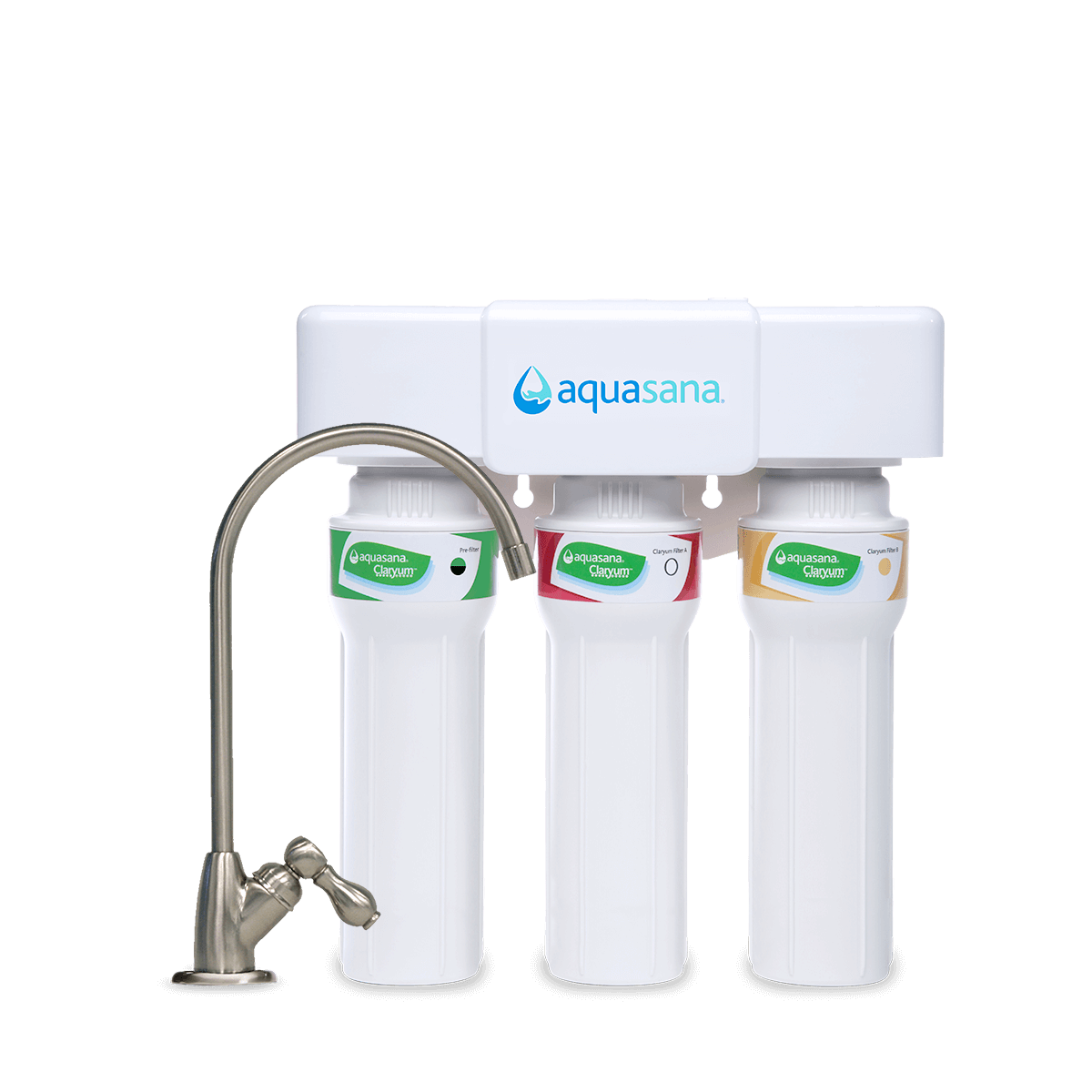
The Aquasana Claryum® 3-Stage Max Flow is a top-tier water filtration option that removes up to 99% of 78 different contaminants.
Wealth Building That Works for Real Life
Skill Development
Summer’s relaxed pace is perfect for learning. Choose one skill that directly impacts your earning potential:
For Career Advancement:
- Excel/data analysis (free through YouTube or library access to LinkedIn Learning)
- Public speaking (join free Toastmasters clubs)
- Industry certifications (many offer summer discounts)
- Leadership and management skills
For Side Income:
- Freelance writing, design, or consulting in your field
- Photography or videography (start with your smartphone)
- Handyman services or lawn care
- Online tutoring in subjects you know well
Budget-friendly learning:
- Free: YouTube, library resources, free trials of Skillshare/Coursera
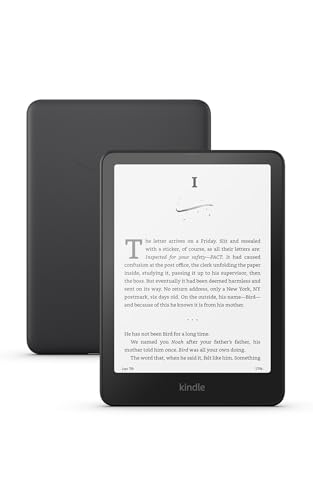
- Low-cost: Kindle Unlimited ($11.99/month) for unlimited business books
- Investment: Udemy courses during sales ($12-30 per course)
Focus on earning potential strategies that align with your current career stage, not trendy side hustles that don’t fit your skills or interests.
Financial Summer Cleaning
Use summer’s energy to tackle financial tasks you’ve been avoiding:
Free Financial Wins:
- Review subscriptions and cancel unused services ($20-100/month savings)
- Call insurance companies for better rates (30-minute call can save $300+/year)
- Organize financial documents (prevents late fees and missed opportunities)
- Check credit report for free at AnnualCreditReport.com
Low-Cost Tools:
- Budget planner notebook ($14.99) if you prefer paper
- Free apps like Mint or YNAB trial for digital tracking
- Fireproof File Organizer ($29.99) for important papers
Moderate Investment:
- Personal finance books like “The Simple Path to Wealth” ($16.99)
- One-time consultation with fee-only financial advisor ($200-500)
- Accounting software if you have side income ($50-120/year)
Side Income Opportunities
Summer creates unique earning possibilities that don’t require huge upfront investments:
Minimal/No Investment:
- Freelancing in your current skill area (writing, design, consulting)
- Pet sitting or dog walking (Rover app)
- Yard work or handyman services for neighbors
- Selling items you no longer use (Facebook Marketplace, OfferUp)
Small Investment ($100-500):
- Pressure washing equipment for driveway/deck cleaning services
- Basic tools for furniture flipping
- Photography equipment upgrades for event photography
- Lawn care equipment for neighborhood services
Moderate Investment ($500-2000):
- E-commerce inventory for Amazon FBA or Shopify
- Professional equipment for skilled trade side work
- Vehicle upgrades for delivery or rideshare services
The key is starting with what you already know and gradually expanding. Don’t quit your day job to chase a side hustle—build it slowly while maintaining stability.
Related reading: Side Hustles for Men Over 40
Happiness Enhancement
Relationship Investment
Summer’s casual atmosphere makes it easier to reconnect and strengthen relationships:
Free Relationship Builders:
- Weekly phone calls with family or old friends
- Potluck dinners where everyone brings a dish
- Free outdoor concerts or community events
- Game nights at home
- Early morning coffee with a friend before work
Low-Cost Activities:
- Camping at state parks ($15-30/night)
- Picnics at local parks or beaches
- Outdoor movie nights with a portable projector ($89.99)
- Board game nights with classic games ($15-30)
Moderate Investment:
- Weekend getaway to nearby destinations
- Concert or sporting event tickets
- Nice dinner out for anniversaries or celebrations
- Activity-based experiences (kayaking, zip-lining, cooking classes)
Quality time doesn’t need a price tag. Some of the best memories come from simple activities where you’re fully present with people you care about.
Personal Fulfillment
Make time for activities that recharge you, not just productive tasks:
Free Fulfillment:
- Reading books from the library
- Learning a new skill through YouTube
- Journaling or creative writing
- Meditation or mindfulness practice
- Volunteering in your community
Low-Cost Hobbies:
- Sketching supplies ($19.99) for creative expression
- Gardening basics ($25-50) for growing your own food
- Musical instrument starter kits ($50-150)
- Photography with your smartphone (free apps, optional $20 lens kit)
Investment Hobbies:
- Golf or tennis equipment and lessons
- Woodworking or crafting tools
- Fishing or camping gear
- Home brewing or cooking equipment
The goal is finding something that engages your mind without work pressure. Hobbies aren’t productive in the traditional sense, and that’s exactly why they’re valuable.
Stress Management
Implement these proven stress management techniques to maintain mental clarity:
Free Stress Reduction:
- Deep breathing exercises (4-7-8 technique: breathe in for 4, hold for 7, out for 8)
- Walking in nature
- Progressive muscle relaxation
- Free meditation apps (Insight Timer has thousands of free sessions)
Low-Cost Tools:
- Stress relief journal ($12.99) for processing thoughts
- Massage ball set ($16.99) for tension release
- Aromatherapy diffuser ($24.99) with essential oils
Moderate Investment:
- Monthly massage therapy ($60-100/session)
- Therapy or counseling (many insurance plans cover this)
- Noise-canceling headphones ($79.99) for focus and calm
Understanding the psychology of lasting change helps you build stress management into your daily routine instead of treating it as an emergency response.
Related Articles


Your Summer Success Action Plan
Week 1: Foundation Setting
- Complete your mid-year review (30 minutes)
- Choose 2-3 goals for each triangle area
- Set up your tracking system (notebook, app, or spreadsheet)
- Buy or gather any basic tools you need
- Schedule your first week of “daily schedule chunks”
Week 1 investment: $0-50 depending on what you already have
Week 2-4: Habit Formation
- Execute your morning, midday, evening routine daily
- Track your weekly triangle ratings
- Adjust what isn’t working (be honest with yourself)
- Add one new healthy habit per week
- Connect with at least one person weekly for happiness goals
Focus: Consistency over perfection. Missing a day doesn’t mean failure—just get back on track the next day.
Month 2-3: Optimization
- Review what’s working and double down on it
- Eliminate or modify what consistently fails
- Increase intensity or complexity gradually
- Share your progress with someone for accountability
- Celebrate small wins (seriously, acknowledge your progress)
Key principle: Success comes from understanding the psychology of lasting change and applying it consistently. You’re not trying to transform overnight—you’re building sustainable habits that last beyond summer.
Getting Started Today
Remember those numbers you wrote down earlier? Your health, wealth, and happiness ratings? Pick the lowest score. That’s where you start tomorrow. Just one small action in that area.
If Health was lowest:
- Set your alarm 20 minutes earlier tomorrow
- Walk around your block before breakfast
- Drink a full glass of water when you wake up
If Wealth was lowest:
- Spend 15 minutes reviewing your bank statements tonight
- Cancel one unused subscription tomorrow
- Research one free skill-building resource in your field
If Happiness was lowest:
- Text someone you care about right now
- Schedule a specific time this week for a hobby you enjoy
- Say yes to one social invitation you’d normally decline
That’s it. One action. Tomorrow, do it again. By next week, add a second small action. This is how real change happens—not through massive overhauls that last three days, but through small, sustainable steps that build momentum over time.
Final Thoughts

The Summer Success Triangle isn’t about perfection—it’s about progress. Small, consistent actions in each area create benefits that build on each other and extend far beyond the summer months.
You don’t need expensive tools, unlimited time, or a complete life overhaul. You need clarity about what matters, a simple system to track progress, and the willingness to show up consistently even when motivation fades.
“You don’t have to be great to start, but you have to start to be great.”
— Zig Ziglar
Summer gives you extra daylight, better weather, and a more relaxed atmosphere. Use these advantages to build habits that will serve you through fall, winter, and beyond. The foundation you build this summer determines how strong you’ll be when life gets harder again.
Start small. Stay consistent. Adjust as needed. Celebrate progress. That’s the formula.
Ready to transform your summer? Start with just one triangle area today. Pick the one that excites you most, take the first small step, and let momentum carry you forward. Your future self will thank you for the foundation you build this summer.
What area are you tackling first? Drop a comment below—I read every one and often reply with personalized suggestions.
Related Resources
- The Triangle of Well-being: How Health, Mind, and Money Connect
- The Power of Progressive Mindset: Small Wins to Major Breakthroughs
- From Overwhelm to Clarity: A Strategic Approach to Life Transitions
- Stress-Proofing Your Life: A Mid-Life Man’s Guide
- Creating Synergy Between Work and Wellness
Disclosure
This article contains affiliate links. If you choose to make a purchase through these links, we may earn a commission at no additional cost to you.
Important note: The information provided in this post is for educational and informational purposes only. While we’ve spent over a decade studying health, wellness, and financial strategies, we are not a licensed healthcare provider, mental health professional, or financial advisor. Everyone’s situation is unique, so what works for one person might not work for another. For physical health matters, always consult your doctor before starting any new fitness program. For mental health concerns, please seek qualified mental health professionals. For financial decisions, consult with certified financial advisors who can assess your specific situation. The content here reflects personal research and experience but shouldn’t replace professional advice in any of these areas. By reading and using this information, you’re taking responsibility for your own decisions. Your health, mind, and money deserve professional guidance when needed. Stay awesome!