Weekend Reflection: What’s Working and What’s Not
Here’s the truth: most men in their 40s and 50s are so busy grinding through the week that they never stop to ask the most important question—is any of this actually working?
You’re hitting the gym (sometimes), trying to eat better (mostly), working on that side hustle (when you can), and managing your finances (sort of). But when was the last time you did an honest self-assessment of what’s actually moving you forward versus what’s just keeping you busy?
“We cannot become what we want by remaining what we are.”
– Max DePree
The Weekend Check-In You’re Probably Skipping
This weekend reflection practice isn’t about beating yourself up. It’s about honest self-evaluation—taking a clear-eyed look at your progress without the BS excuses or the harsh self-criticism. Think of it like checking your bank balance. You’re not doing it to feel bad about what you spent; you’re doing it to understand where your money went so you can make better decisions next time.
Today, we’re building a simple weekend check-in routine that helps you identify what’s working, what’s not, and how to adjust your strategies without throwing everything out and starting over.
Disclosure
This article contains affiliate links. If you choose to make a purchase through these links, we may earn a commission at no additional cost to you.
Why Weekend Reflection Matters After 40

When you’re younger, you can afford to waste months or even years on strategies that don’t work. You’ve got time to course-correct. But in your 40s and 50s? Every month counts.
Weekend reflection gives you a weekly checkpoint to catch problems early, celebrate small wins, and make midlife course corrections before you’re six months down a dead-end path.
Here’s what makes this practice powerful:
- Catches drift early: You notice when you’re slipping before it becomes a crisis
- Builds self-awareness: You understand your patterns and triggers
- Prevents burnout: You adjust before you’re completely exhausted
- Maintains momentum: Small weekly adjustments keep you moving forward
The alternative? Waking up six months from now wondering why nothing’s changed.
For a deeper dive into building the right mindset for this work, check out The Power of Progressive Mindset, which covers how to think about growth without the all-or-nothing mentality that keeps most men stuck.
The Three-Part Weekend Reflection Framework
Forget complicated journaling systems or hour-long meditation sessions. This simple self-assessment takes 15-20 minutes and gives you actionable insights you can use immediately.
Part 1: What’s Working? (The Wins Audit)
Start with what’s going RIGHT. This isn’t about ego—it’s about identifying your successful strategies so you can do more of them.
Ask yourself:
- What felt easier this week than last month?
- What habit did I actually stick to?
- What decision am I proud of?
- What gave me energy instead of draining it?
Example: Maybe you noticed that working out in the morning (instead of trying to squeeze it in after work) meant you actually did it five times this week instead of your usual two. That’s a strategy adjustment that’s working—now you know to protect that morning time.

Part 2: What’s Not Working? (The Honest Look)
This is where most guys either skip the reflection entirely or go too hard on themselves. Neither helps.
The rule: Identify what’s not working WITHOUT the story about why you suck. Just the facts.
Ask yourself:
- What did I say I’d do but didn’t?
- What drained my energy this week?
- What strategy am I forcing that clearly isn’t fitting my life?
- What excuse did I use more than once?
Example: You’ve been trying to meal prep every Sunday for three months, but you’ve only done it twice. Instead of beating yourself up, just acknowledge it: “Sunday meal prep isn’t working for my schedule.” That’s not failure—that’s data.
Maybe the real solution is prepping Wednesday night for the rest of the week, or buying pre-cut vegetables to save time, or accepting that you’ll meal prep twice a month instead of weekly. Staying flexible means adjusting the strategy, not abandoning the goal.
For more on breaking through the mental blocks that keep you stuck in strategies that don’t work, read Mindset Mastery: Why Most Men Stay Stuck.
Part 3: What Needs to Adjust? (The Course Correction)
This is where flexibility in goal setting becomes your superpower. You’re not starting over—you’re making smart pivots based on real information.
Ask yourself:
- What’s one small change that would make the biggest difference?
- What’s working that I should do MORE of?
- What’s not working that I should do LESS of or differently?
- What support or tool would make this easier?
Example: Your evening workout routine isn’t happening because you’re exhausted by 7 PM. The adjustment isn’t “try harder”—it’s “switch to morning workouts” or “do 15-minute sessions instead of 45-minute ones” or “work out during lunch three days a week.”

The Weekend Reflection Routine (15 Minutes)
Here’s your practical, no-nonsense weekly reflection practice:
Saturday or Sunday morning (pick one and stick with it):
- Grab your coffee and notebook (5 minutes)
- Find a quiet spot. No phone, no TV, no distractions.
- Answer the three questions (10 minutes)
- What worked this week?
- What didn’t work?
- What’s one adjustment I’ll make next week?
- Write down ONE action (2 minutes)
- Not ten things. ONE specific adjustment you’ll test this week.
That’s it. No complicated system. No hour-long deep dive. Just honest personal accountability and a commitment to small, smart adjustments.
Real-World Examples: Adjusting Strategies That Aren’t Working
Let’s look at how this plays out across the three pillars of your life:
Physical Wellness Example
What’s not working: You planned to run three times a week but only went once in the past month.
The honest assessment: Running clearly isn’t fitting your life right now. Maybe your knees hurt, maybe you hate it, maybe the weather’s been terrible.
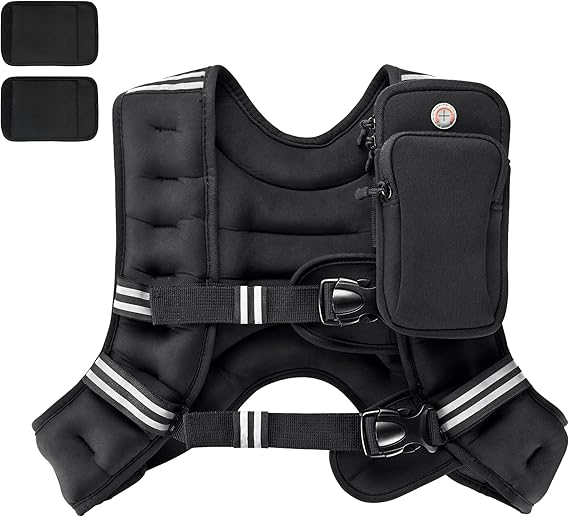
The adjustment: Switch to walking with a weighted vest (like the PACEARTH Adjustable Weighted Vest, $30-50 depending on weight). You get cardiovascular benefits, it’s easier on your joints, and you can do it in any weather. Test it for two weeks.
The result: You actually do it four times in the next week because it doesn’t feel like torture.
For more strategies on building sustainable fitness routines, check out The Over-40 Body Reset.
Mental Resilience Example
What’s not working: You keep telling yourself you’ll meditate for 20 minutes every morning, but you’ve done it twice in three months.
The honest assessment: Twenty minutes is too much of a commitment right now, and mornings are chaotic.
The adjustment: Start with 3 minutes before bed using a guided app. Or try a simple breathing exercise during your lunch break. The goal is progress tracking, not perfection.
Tool recommendation: The 5-Minute Journal (around $25-30) is perfect for guys who want the mental benefits of reflection without the time commitment. It’s structured, quick, and builds the habit of honest evaluation without overwhelming you.
The result: You actually stick with it because it’s realistic for your life.

For a more structured approach, consider using The Five Minute Journal, which includes daily gratitude and victory tracking in a format that takes literally five minutes.
Financial Independence Example
What’s not working: You’ve been saying you’ll start a side hustle for six months but haven’t taken a single action.
The honest assessment: You don’t actually have a clear idea of what the side hustle would be, so you’re stuck in analysis paralysis.
The adjustment: Spend 30 minutes this week listing skills you already have that people pay for (writing, handyman work, consulting in your field, teaching something). Pick ONE and research what it would take to get your first client. That’s it—just research, not launching a whole business.
The result: You have a concrete next step instead of a vague “someday” plan.
For a complete framework on building additional income streams, read Creating Multiple Income Streams After 40.
Common Mistakes in Self-Assessment (And How to Avoid Them)
Mistake 1
Comparing Yourself to Others
Your buddy lost 30 pounds this year while you lost 10. So what? His life, schedule, metabolism, and starting point are completely different from yours. Your only competition is the version of you from last week.
The fix: Compare yourself to YOUR past self. Are you better than you were last month? That’s the only metric that matters.
Mistake 2
All-or-Nothing Thinking
You missed three workouts this week, so you tell yourself you “failed” and the whole week was a waste. Wrong. You still worked out twice, which is twice more than sitting on the couch.
The fix: Count partial wins. Two workouts is better than zero. Eating healthy for four days is better than zero. Staying flexible means celebrating progress, not just perfection.
Mistake 3
Ignoring What’s Working
Most guys spend 90% of their reflection time beating themselves up about what’s NOT working and zero time acknowledging what IS. That’s a recipe for burnout.
The fix: Always start with wins. Always. Even small ones. “I drank more water this week” counts. “I didn’t buy that stupid thing I didn’t need” counts. Build momentum from what’s working.
Mistake 4
Making Too Many Changes at Once
Your reflection reveals ten things that need adjustment, so you decide to fix all of them next week. By Wednesday, you’re overwhelmed and back to old habits.
The fix: ONE adjustment per week. That’s it. Master that one change, then add another. This is how you build sustainable life strategy adjustments that actually stick.
For more on building systems that work with your life instead of against it, check out Creating Your Personal Success Ecosystem.
The Power of Weekly Course Corrections
Here’s what most men don’t realize: small weekly adjustments compound faster than big monthly overhauls.
Think about it like steering a ship. If you’re one degree off course and you correct it immediately, you barely notice the adjustment. But if you wait six months to correct that one degree? You’re hundreds of miles off target, and getting back on course requires a massive, exhausting effort.
Weekend reflection is your weekly course correction. It keeps you on target without the drama of constant “life overhauls” that never stick.
The 90-Day Reflection Cycle
While weekly reflections catch small issues, quarterly reflections (every 90 days) help you see bigger patterns and make larger strategic shifts.
Every three months, ask:
- What major goal did I make progress on?
- What goal did I abandon, and why?
- What surprised me about what worked?
- What do I need to let go of completely?
For a structured approach to 90-day transformations, check out The 90-Day Summer Challenge: Transform Your Life by October.

Building Your Weekend Reflection Habit
Like any habit, weekend check-ins work best when they’re tied to something you already do.
Habit stacking examples:
- “After I pour my Saturday morning coffee, I’ll do my reflection”
- “Before I check my phone on Sunday morning, I’ll answer my three questions”
- “While my family is still sleeping on Saturday, I’ll take 15 minutes for my weekly review”
Make it easy:
- Keep your journal and pen in the same spot every week
- Set a recurring calendar reminder
- Tell someone you’re doing this (accountability helps)
Start small:
- Week 1-2: Just answer the three questions, even if it’s only a sentence each
- Week 3-4: Add one specific action item based on your reflection
- Week 5+: Start noticing patterns across multiple weeks
The goal isn’t perfect journaling. It’s consistent personal inventory that helps you stay on track.


What Success Looks Like
After a few months of weekly reflection practice, here’s what you’ll notice:
- Faster problem-solving: You catch issues in days instead of months
- More confidence: You trust your ability to adjust and adapt
- Less stress: You’re not wondering if you’re on track—you KNOW
- Better decisions: You have data about what actually works for YOU
- Sustainable progress: Small adjustments compound into major changes
This isn’t about becoming perfect. It’s about becoming adaptable—and in your 40s and 50s, adaptability is more valuable than perfection.
Your Action Plan for This Weekend
Here’s what you’re doing THIS weekend:
- Pick your day and time: Saturday or Sunday morning, 15 minutes
- Grab a notebook: Doesn’t have to be fancy—any notebook works
- Answer three questions:
- What worked this week?
- What didn’t work?
- What’s one adjustment I’ll make?
- Write down ONE action: One specific thing you’ll do differently next week
- Do it again next weekend: Consistency beats intensity
That’s it. No complicated system. No expensive tools required. Just honest self-assessment for men over 40 who are ready to stop spinning their wheels and start making real progress.
Final Thoughts: Progress Over Perfection

The men who succeed in their 40s and 50s aren’t the ones who never make mistakes or choose wrong strategies. They’re the ones who notice quickly, adjust smartly, and keep moving forward.
Weekend reflection is your early-warning system. It’s how you catch drift before it becomes disaster. It’s how you celebrate small wins before they’re forgotten. It’s how you build a life that actually works instead of one that just looks good on paper.
You don’t need to overhaul your entire life. You just need to be willing to look honestly at what’s working and what’s not—and make one small adjustment at a time.
“It is not the strongest of the species that survives, nor the most intelligent. It is the one most adaptable to change.”
– Charles Darwin
The question isn’t whether you’ll face setbacks or choose strategies that don’t work. The question is: how quickly will you notice and adjust?
Start this weekend. Fifteen minutes. Three questions. One adjustment.
That’s how you build a life that keeps getting better instead of staying stuck.
Ready to Build Your Complete Success System?
This weekend reflection practice is just one piece of building a life that works. For the complete framework on integrating physical wellness, mental resilience, and financial independence, check out The Triangle of Well-being—our cornerstone guide to balanced growth after 40.
What’s one thing you’ll assess differently this weekend?
Disclosure
This article contains affiliate links. If you choose to make a purchase through these links, we may earn a commission at no additional cost to you.
Important note: The information provided in this post is for educational and informational purposes only. While we’ve spent over a decade studying health, wellness, and financial strategies, we are not a licensed healthcare provider, mental health professional, or financial advisor. Everyone’s situation is unique, so what works for one person might not work for another. For physical health matters, always consult your doctor before starting any new fitness program. For mental health concerns, please seek qualified mental health professionals. For financial decisions, consult with certified financial advisors who can assess your specific situation. The content here reflects personal research and experience but shouldn’t replace professional advice in any of these areas. By reading and using this information, you’re taking responsibility for your own decisions. Your health, mind, and money deserve professional guidance when needed. Stay awesome!