Why You Feel Stuck (And How to Break Free)
If you’re wondering why you feel stuck in life, especially in your 40s or 50s, you’re not experiencing failure—you’re experiencing a signal. That restless feeling, the sense that life is happening around you instead of to you, isn’t weakness. It’s your inner compass telling you something needs to change.
“The only thing worse than being stuck is pretending you’re not.”
– Unknown
The truth is, feeling stuck in your 40s is more common than you think. You’ve built a life—maybe a career, a family, routines that keep everything running—but somewhere along the way, momentum stopped. Days blur together. You want change but don’t know where to start. And the longer you wait, the heavier that stuck feeling becomes.
Disclosure
This article contains affiliate links. If you choose to make a purchase through these links, we may earn a commission at no additional cost to you.
Why You Feel Stuck: The Real Reasons

Here’s the good news: understanding why you feel stuck is the first step to breaking free. And breaking free doesn’t require a complete life overhaul, a trust fund, or superhuman willpower. It requires clarity, small actions, and the courage to start.
Let’s get honest about what’s really happening. Feeling stuck isn’t about laziness or lack of ambition. It’s usually a combination of invisible patterns that have built up over time.
1. You’re Trapped in Your Comfort Zone
Your comfort zone is the familiar routines and habits you stick to because they feel safe, even when they’re not making you happy. Think of it like staying at a job you don’t love because it pays the bills and changing feels risky. Or ordering the same meal at restaurants because trying something new might disappoint you.
Comfort zones aren’t evil—they protect us from constant stress. But when you stay too long, they become prisons. You stop growing, stop trying, and eventually, you stop feeling alive.
2. Limiting Beliefs Are Running the Show
Limiting beliefs are the negative thoughts you tell yourself that hold you back from trying new things. They sound like:
- “I’m too old to start over.”
- “I’m not smart enough to learn something new.”
- “People like me don’t get those opportunities.”
- “I’ve already missed my chance.”
These beliefs feel like facts, but they’re stories you’ve been telling yourself for so long that you believe them. And as long as you believe them, you’ll stay stuck.
Related Article
If you want to dive deeper into how your mindset shapes your reality, check out Mindset Mastery: Why Most Men Stay Stuck. It breaks down the mental patterns that keep men over 40 trapped and how to rewire them.

3. Decision Paralysis Has You Frozen
Decision paralysis happens when you have so many choices or fears that you end up making no decision at all. For example, you want to get fit but feel overwhelmed by all the workout options—gym memberships, home equipment, running, yoga, CrossFit—so you never start.
Or you want to improve your finances but don’t know whether to pay off debt first, start investing, build an emergency fund, or all three. So you do nothing and hope things magically improve.
The irony? Doing nothing is still a decision. And it’s usually the worst one.
4. Fear of Failure (or Success) Is Holding You Back
Fear is sneaky. Sometimes you’re afraid of failing—of trying something new and falling flat on your face. But sometimes, you’re afraid of succeeding. Success means change, responsibility, and stepping into an unknown version of yourself. That can be terrifying.
So you self-sabotage. Self-sabotage is when you unconsciously do things that work against your own goals. Like starting a new routine on Monday but “rewarding” yourself by Thursday with behaviors that undo your progress. Or finally booking that gym session, then staying up late the night before so you’re too tired to go.
5. You’ve Lost Your Sense of Purpose
When you’re younger, purpose often comes from external goals—getting the degree, landing the job, buying the house. But once you’ve checked those boxes, what’s next? Many men hit their 40s and 50s and realize they’ve been living on autopilot, chasing goals that don’t actually fulfill them.
Without purpose, life feels stagnant. You’re going through the motions, but nothing feels meaningful.
Related Article
For a holistic approach to rediscovering purpose across all areas of life, explore The Triangle of Well-being, which connects physical wellness, mental resilience, and financial independence into one integrated system.

Signs You’re Stuck in a Rut (And Don’t Realize It)
Sometimes, feeling stuck is obvious. But other times, it’s subtle. Here are the warning signs:
- Every day feels the same. You can’t remember the last time you did something new or exciting.
- You’re constantly tired but never rested. Physical exhaustion mixed with mental fog.
- You avoid thinking about the future. Planning ahead feels pointless or overwhelming.
- You’re irritable or numb. Small things annoy you, or you feel emotionally flat.
- You envy others’ progress. Seeing friends or colleagues move forward makes you feel worse about yourself.
- You make excuses instead of plans. “I’ll start Monday” becomes your mantra, but Monday never comes.
If three or more of these resonate, you’re not just tired—you’re stuck. And it’s time to do something about it.
How to Break Free: Practical Steps That Work

Breaking free from feeling stuck doesn’t require a dramatic life change. It requires clarity, small actions, and consistency. Here’s how to start.
Step 1: Name What’s Actually Wrong
You can’t fix what you won’t face. Grab a journal—something simple like the Leuchtturm1917 Notebook or even a basic spiral notebook—and write down your answers to these questions:
- What area of my life feels most stuck? (Career, health, relationships, finances?)
- When did I start feeling this way?
- What am I afraid will happen if I try to change?
- What do I actually want instead?
Writing forces clarity. It takes the swirling mess in your head and puts it on paper where you can actually see it.
Step 2: Challenge Your Limiting Beliefs
Remember those limiting beliefs we talked about? Time to question them. For every negative belief, ask yourself:
- Is this actually true, or is it just a story I’ve been telling myself?
- What evidence do I have that contradicts this belief?
- What would I tell a friend who said this about themselves?

by James Clear. It's not just about building habits—it's about changing the identity and beliefs that drive your behavior.
Related Article
For more on shifting your mindset, read The Power of Progressive Mindset, which shows how small mental shifts create massive life changes.

Step 3: Make One Small Decision
Forget the massive life overhaul. Overcoming feeling stuck starts with one tiny decision. Not ten. One.
Examples:
- Walk for 10 minutes today.
- Text one friend you’ve been meaning to reconnect with.
- Spend 15 minutes researching one thing you’re curious about.
- Throw away one item that’s been cluttering your space.
Small actions break the paralysis. They prove to your brain that change is possible. And they build momentum.
Step 4: Build a Morning Routine That Energizes You
How you start your day sets the tone for everything else. If you’re waking up rushed, stressed, and reactive, you’re already behind.
Try this simple morning routine:
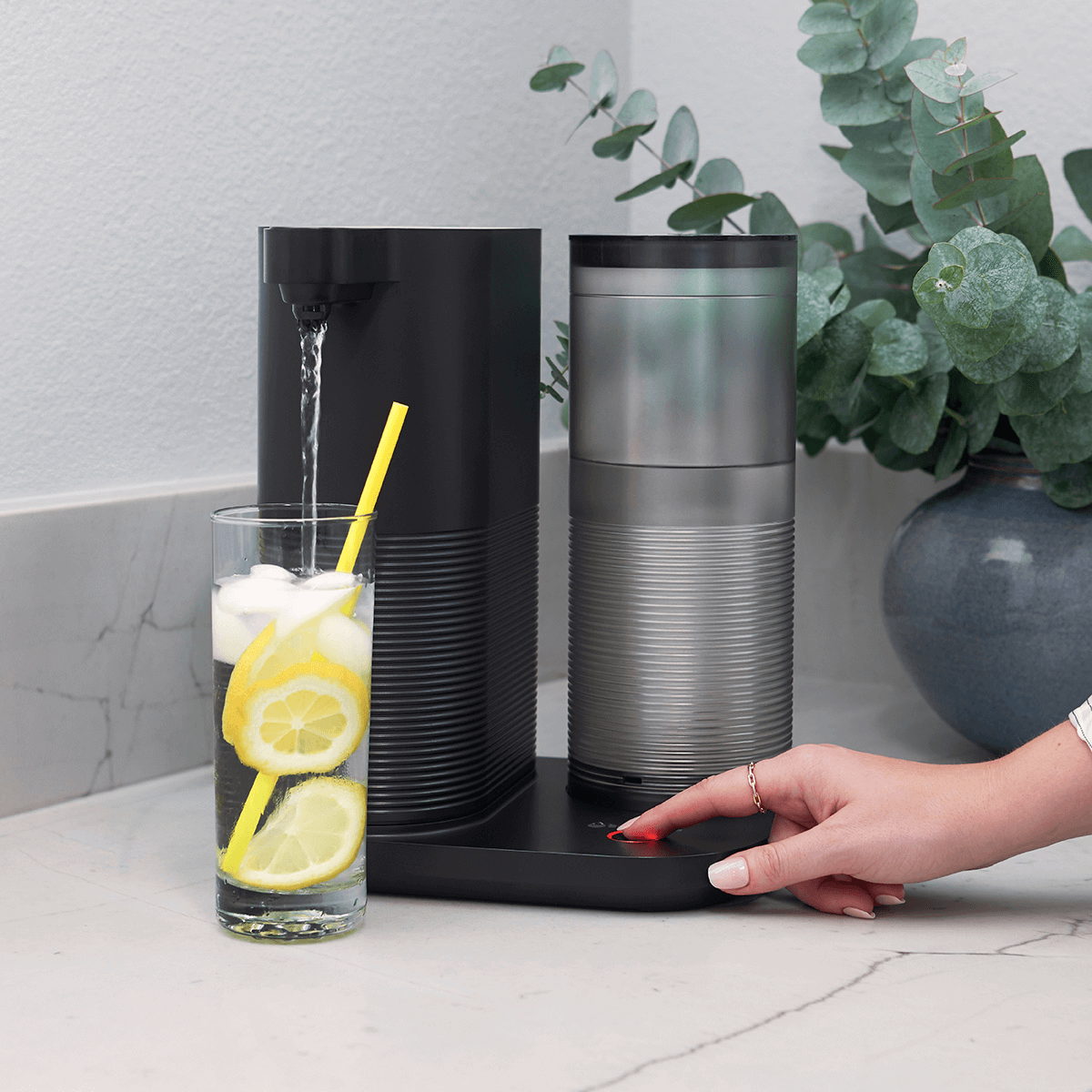
- Hydrate first. Drink a full glass of water before coffee. Dehydration kills energy and focus.
- Move your body. Even 5 minutes of stretching or light movement wakes up your system.
- Set one intention. What’s the one thing that would make today feel successful?


Related Article
For a complete guide to resetting your physical habits, check out:

Step 5: Eliminate One Energy Drain
You can’t add new things to a life that’s already overflowing with obligations and distractions. Look at your daily routine and identify one thing that drains your energy without giving anything back.
Examples:
- Scrolling social media for an hour before bed.
- Saying yes to commitments you don’t actually care about.
- Watching TV shows you’re not even enjoying.
- Staying in conversations or relationships that leave you feeling worse.
Cut one. Just one. And notice how much mental space opens up.
Step 6: Invest in Your Growth
Breaking free requires learning and growth. You don’t need expensive courses or certifications. Start with books, podcasts, or simple tools.
“Can’t Hurt Me” by David Goggins – Raw, unfiltered motivation for pushing past mental limits.
“The Obstacle Is the Way” by Ryan Holiday – Stoic wisdom for turning challenges into opportunities.
“The 7 Habits of Highly Effective People” by Stephen Covey – Timeless principles for taking control of your life.

Note: Prices and availability may vary. Always check current Amazon pricing and read recent reviews before purchasing.
Related Article
For financial growth specifically, explore:

Step 7: Get Accountability
Trying to break free alone is hard. You need someone who will check in, call you out, and celebrate wins with you.
Options:
- Find an accountability partner—a friend with similar goals.
- Join an online community or forum for men over 40.
- Hire a coach if you can afford it (even one session can provide clarity).
- Use a habit tracker app like Habitica or Streaks.

Related Article
To understand how these beliefs fit into your overall well-being, explore:

Breaking Free from Your Comfort Zone
Here’s the hard truth: breaking free from feeling stuck means leaving your comfort zone. Not forever. Not all at once. But regularly.

Your comfort zone will always try to pull you back. It whispers, “This is too hard. You’re fine where you are. Why risk it?” But growth lives on the other side of that whisper.
Start small:
- Take a different route to work.
- Try a new food or restaurant.
- Start a conversation with a stranger.
- Sign up for something that scares you a little.
Each time you step outside your comfort zone, you prove to yourself that you’re capable of more than you thought. And that’s how momentum builds.
Small Actions That Build Momentum
Momentum is everything. Once you start moving, it gets easier to keep moving. Here’s how to build it:
The 2-Minute Rule
If something takes less than 2 minutes, do it now. Make the bed. Send the text. Write the first sentence. Small completions train your brain to take action.
The 1% Improvement Method
You don’t need to be perfect. You just need to be 1% better than yesterday. Read one page. Do one push-up. Save one dollar. Tiny improvements compound over time.
Celebrate Wins
Every small action deserves recognition. Finished your morning routine? Acknowledge it. Chose the salad over fries? That counts. Celebrating wins reinforces the behavior and keeps you motivated.
What Happens When You Break Free
When you finally break free from feeling stuck, life doesn’t become perfect. But it becomes yours again.
You’ll notice:
- Energy returning to areas that felt dead.
- Excitement about the future instead of dread.
- Confidence in your ability to handle challenges.
- A sense of purpose guiding your decisions.
- Pride in the progress you’re making, no matter how small.
You’ll stop feeling like life is happening to you and start feeling like you’re actively creating it.

Final Thoughts: You’re Not Stuck Forever

Feeling stuck in your 40s or 50s isn’t a life sentence. It’s a crossroads. And crossroads require decisions.
You can stay where you are, comfortable but unfulfilled. Or you can take one small step toward something different. Then another. And another.
“You don’t have to see the whole staircase. Just take the first step.”
– Martin Luther King Jr.
Breaking free doesn’t require perfection, a big budget, or a complete personality transplant. It requires honesty, action, and the willingness to try.
So here’s your challenge: Pick one thing from this article. One belief to question. One small action to take. One energy drain to eliminate. Just one.
And do it today.
Because the life you want is waiting on the other side of that first step.
What’s the one thing you’re going to do today to start breaking free?
Disclosure
This article contains affiliate links. If you choose to make a purchase through these links, we may earn a commission at no additional cost to you.
Important Note: The information in this post is meant to educate and inform, not to replace professional mental health care or psychological advice. While we’ve spent years studying mental resilience and personal development, we’re not licensed mental health professionals or therapists. Everyone’s life circumstances and mental health journey are unique, so what works for one person might not work for another. If you’re experiencing serious mental health challenges, please reach out to a qualified mental health professional. Some of the strategies discussed may not be suitable for everyone, and it’s important to assess your own situation carefully. By reading and using this information, you’re taking responsibility for your own decisions. Remember, seeking help is a sign of strength, not weakness. Stay resilient!