Dumbbell-Only Home Workout for Men 40+ (30 Minutes, 3 Days/Week)
Why This Plan Works (Especially After 40)
If you’re a man over 40, you’ve probably learned this the hard way: you can’t train like you’re 25 anymore.
Not because you’re “old”… but because real life is different now:
– your schedule is tighter
– recovery takes longer
– joints complain faster
– motivation comes and goes
That’s why this is a dumbbell only home workout for men over 40 built around one thing that actually works long-term:
Consistency you can repeat.
This plan is:
– 30 minutes
– 3 days per week
– beginner-friendly
– joint-aware (controlled reps, no crazy moves)
Disclosure
This article contains affiliate links. If you choose to make a purchase through these links, we may earn a commission at no additional cost to you.
Related Article
If you want the joint-friendly “train smarter” mindset behind this approach, this fits perfectly with:

What You Need (No Fancy Home Gym)
You can start this home workout for men over 40 with very little.
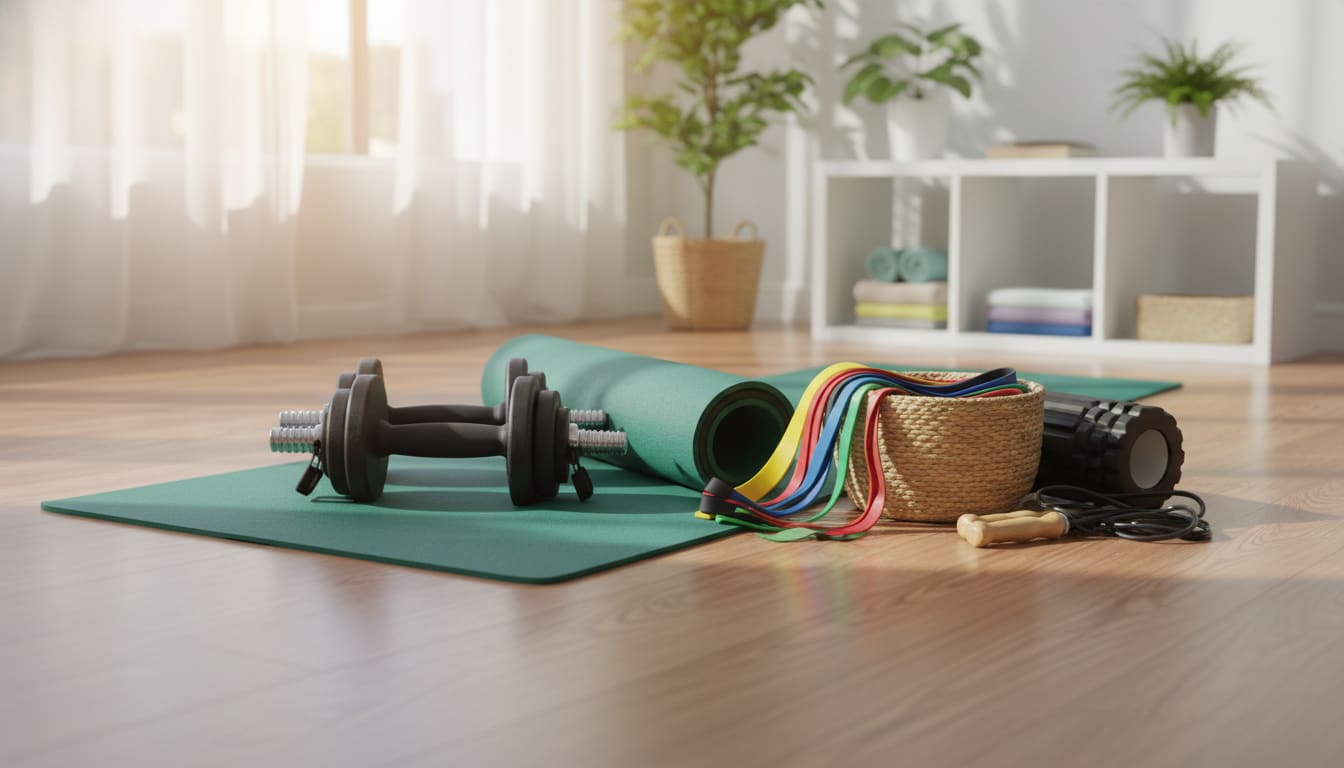
Minimum
- One pair of dumbbells you can lift with control
- A chair/couch (support + stability)
- A little floor space
Best upgrade (if you can swing it)

Cheap “high value” extras


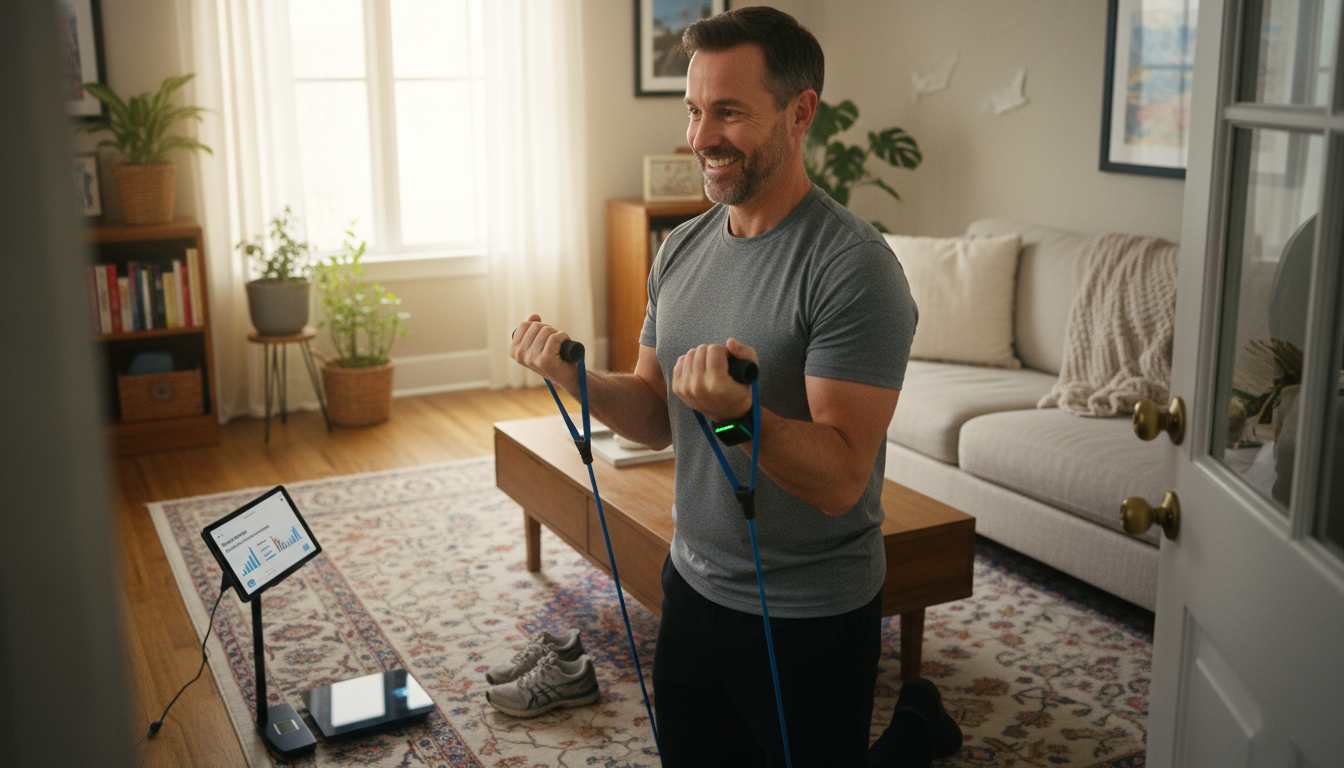
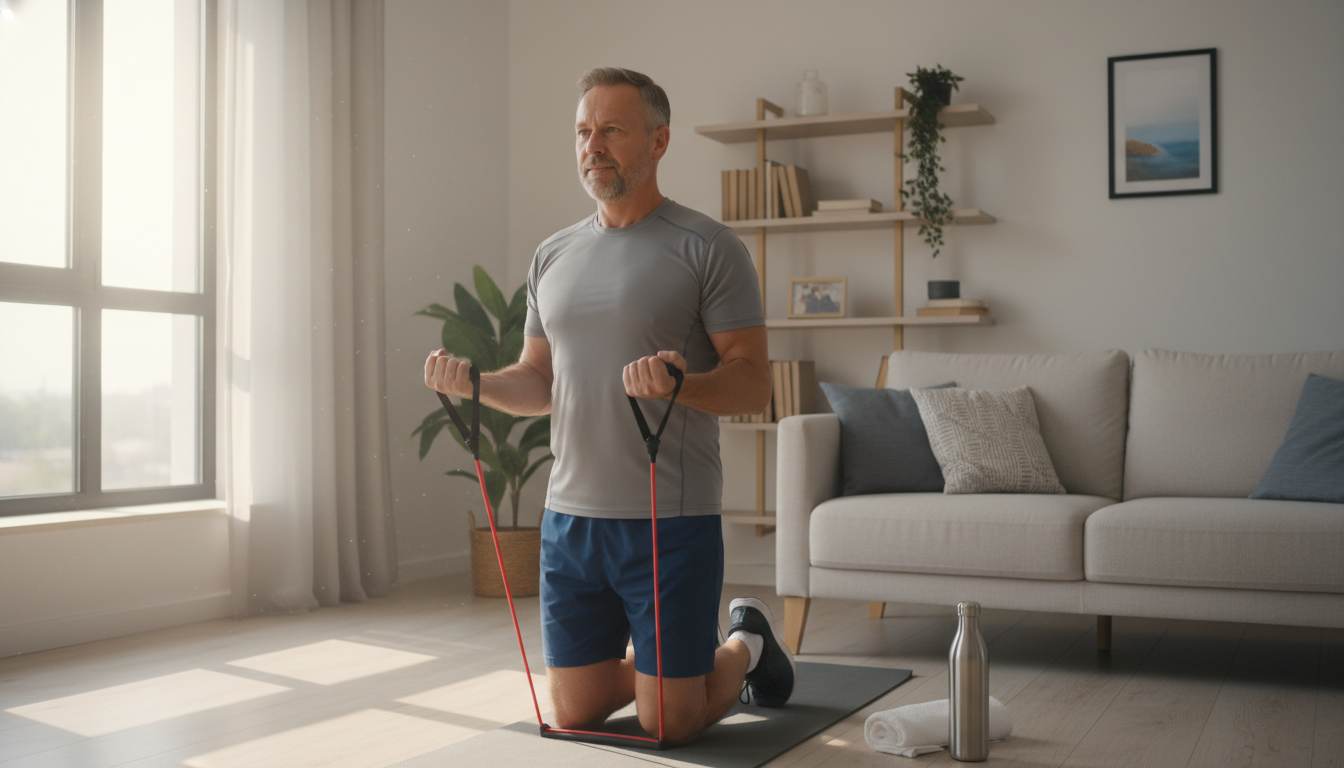
Resistance band set (warm-ups + shoulder-friendly work)
How the 3-Day Plan Works (Simple on Purpose)
This is a 30 minute dumbbell workout for men done 3 days/week:
- Day A: Squat + Push + Row + Carry
- Day B: Hinge + Push + Pull + Core
- Day C: Full-body repeat (practice + confidence + steady progress)
No complicated terms. No “muscle confusion.” Just the basics done well.
Micro-Action (Do This Today)
Don’t wait for the perfect week.
Set a timer for 10 minutes and do one round:
- 8 chair squats (or bodyweight squats)
- 8 dumbbell rows per side (use a chair for support)
- 8 incline push-ups (hands on a counter)
That’s a win. And wins stack.
The 5-Minute Warm-Up (Don’t Skip This After 40)
If you’re doing a dumbbell only home workout for men over 40, the warm-up isn’t optional. It’s how you keep your shoulders, hips, knees, and lower back happy so you can stay consistent.
Good rule: the warm-up should make you feel looser, not tired.
Warm-Up (5 minutes total)
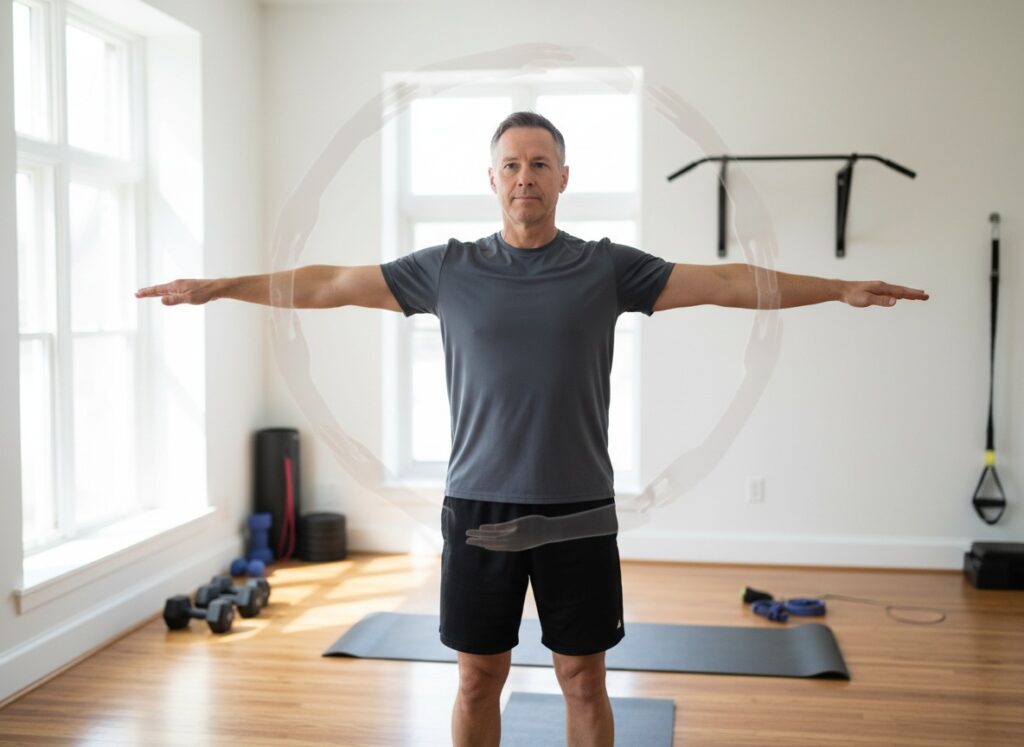
1 minute: Arm circles (30 seconds forward, 30 seconds backward)
1 minute: March in place or easy step-ups (use a stair if you have one)

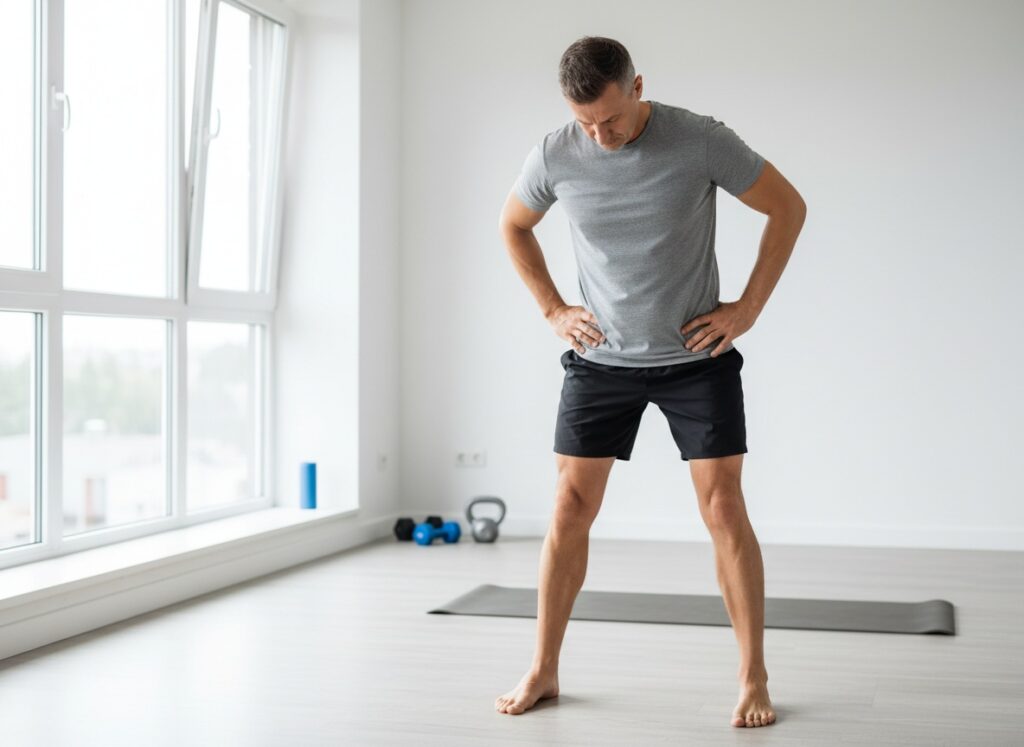
1 minute: Hip hinges (hands on hips, push your hips back like you’re closing a car door)
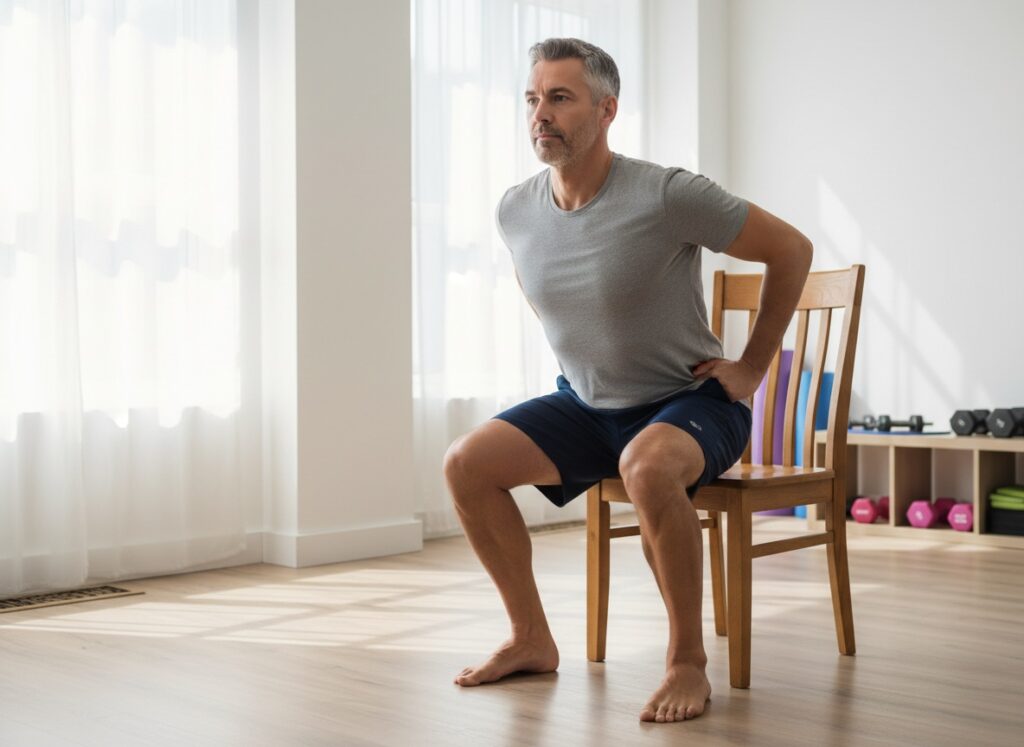
1 minute: Bodyweight squats to a chair (slow and controlled)
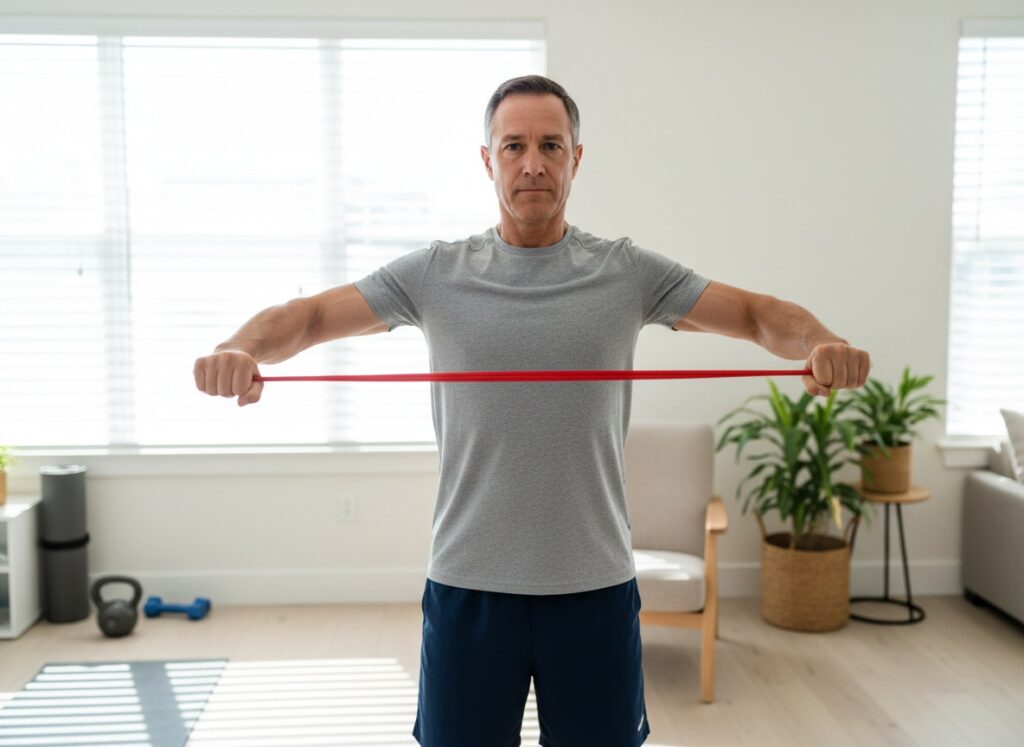
1 minute: Shoulder band pull-aparts (or towel pull-aparts if you don’t have a band)

Related Article
If you’ve been feeling stiff or tight lately, add this alongside your workouts:

The 30-Minute Structure (So You Don’t Overthink It)
This home workout for men over 40 follows the same simple structure each day. That’s on purpose. When the plan is predictable, it’s easier to follow when you’re tired, busy, or not “feeling it.”
- 5 minutes: Warm-up
- 20 minutes: Strength work (the main workout)
- 3–5 minutes: Optional cool-down
How Hard Should This Feel? (Beginner Rule)
Most sets should feel like you could do 2 more reps if you had to. That keeps your form clean and your joints safer.
Rest Times (Keep It Simple)
- Between exercises: 30–60 seconds
- Between rounds: 60–90 seconds
If you’re short on time, shorten rest a little. If you’re feeling beat up, rest longer. The goal is to finish the workout and feel better afterward, not destroyed.
Related Article
If you feel sharp pain (not normal muscle effort), stop and adjust. For more joint-friendly training principles, this is worth reading:

Optional 3-Minute Cool-Down (Worth It)
This helps you recover better and stay consistent with your 3 day dumbbell workout plan at home.
30 seconds per side: Chest stretch (forearm on a doorway, gentle lean)

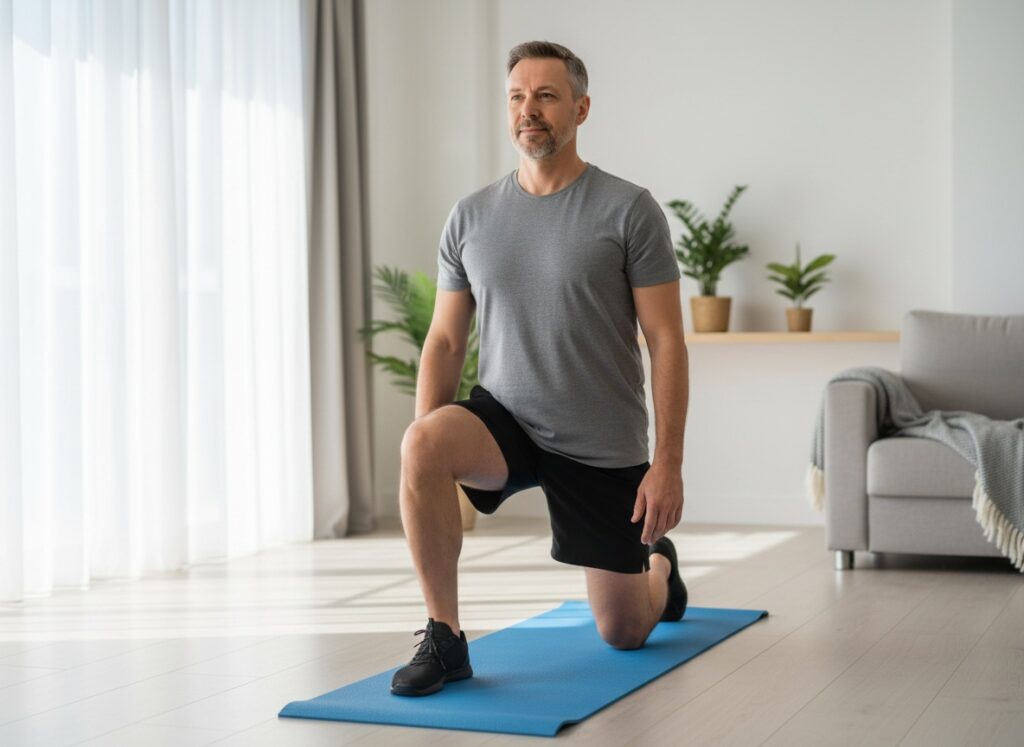
30 seconds per side: Hip flexor stretch (half-kneeling or standing)
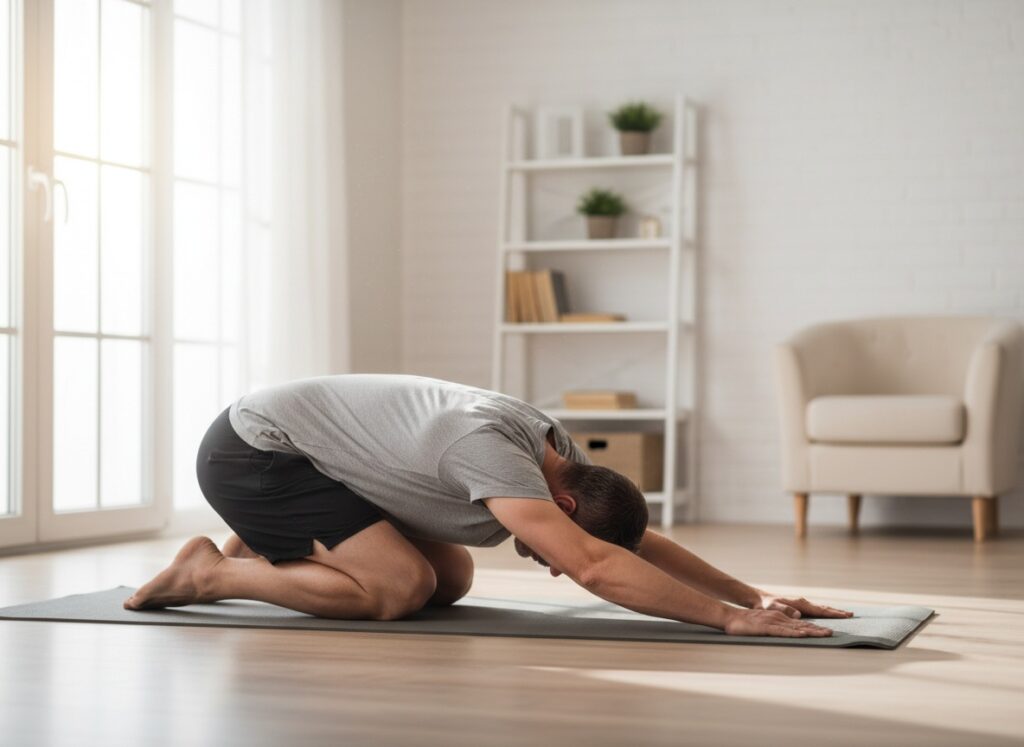
60 seconds: Child’s pose breathing (slow breaths, relax your shoulders)
Related Article
If you want a simple “keep moving” mindset for busy weeks, this article fits nicely:

The Workouts: 3 Days/Week (Beginner-Friendly)
This is the core of your dumbbell only home workout for men over 40. Three workouts. Same weekly rhythm. Simple enough to repeat, effective enough to see progress.
Schedule options:
- Mon / Wed / Fri (classic)
- Tue / Thu / Sat (also great)
How to choose your dumbbell weight: pick a weight where you can do the reps with good form, but the last 2 reps feel challenging. If you’re not sure, start lighter. You can always level up next week.

Day A (Squat + Push + Row + Carry)
Format: Do 2 rounds. Rest 60–90 seconds between rounds.
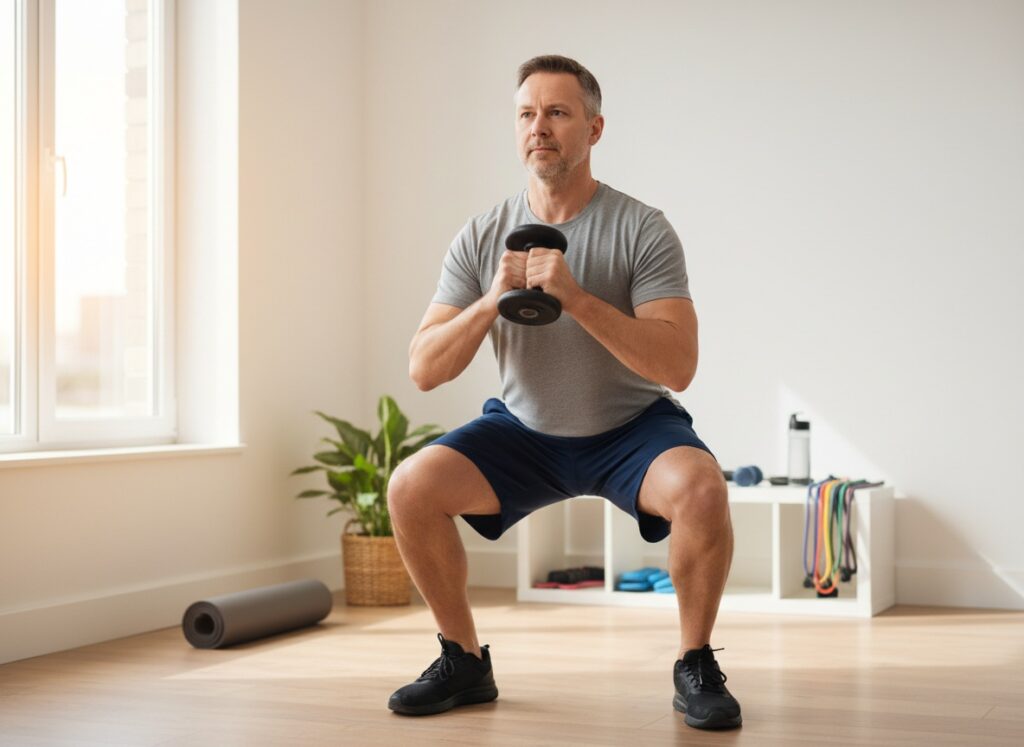
1) Goblet Squat (to a chair if needed)
- Sets/Reps: 2 x 8–10
- Simple cue: Sit back like you’re aiming for a chair. Keep your chest up.
- Beginner option: Tap a chair lightly, then stand back up.
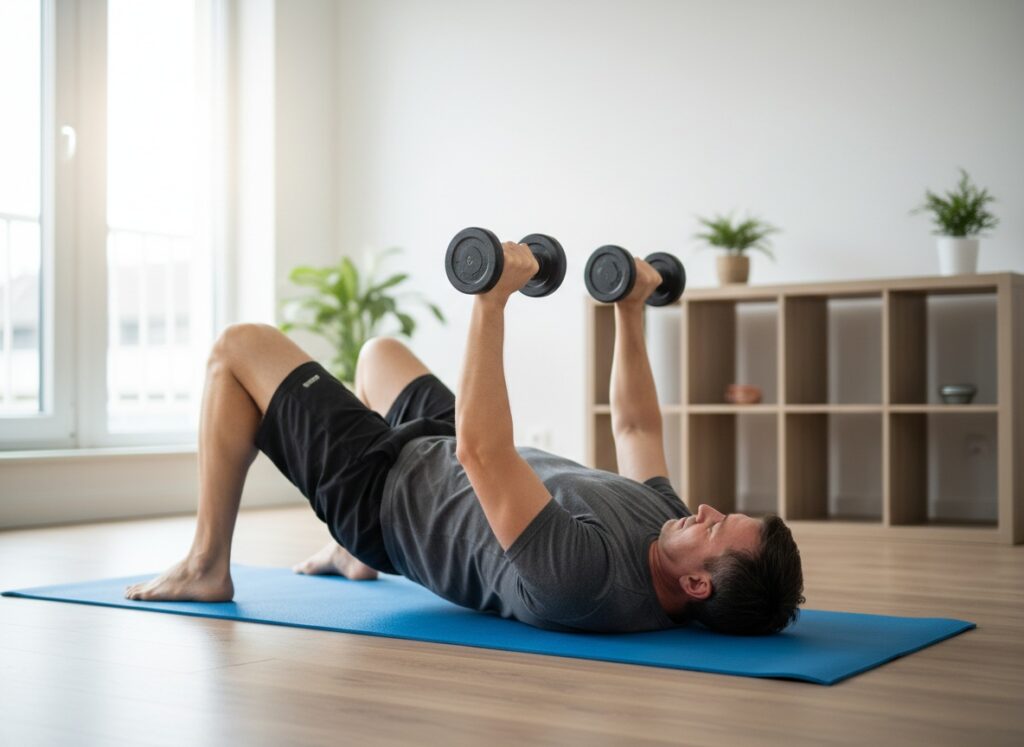
2) Dumbbell Floor Press (chest + triceps)
- Sets/Reps: 2 x 8–12
- Simple cue: Elbows about 45 degrees from your body, not flared straight out.
- Why floor press: the floor limits depth, which is often more shoulder-friendly for men over 40.

3) One-Arm Dumbbell Row (supported)
- Sets/Reps: 2 x 8–12 per side
- Simple cue: Pull the dumbbell toward your back pocket. Pause for 1 second at the top.
- Support: one hand on a chair/couch to protect your lower back.
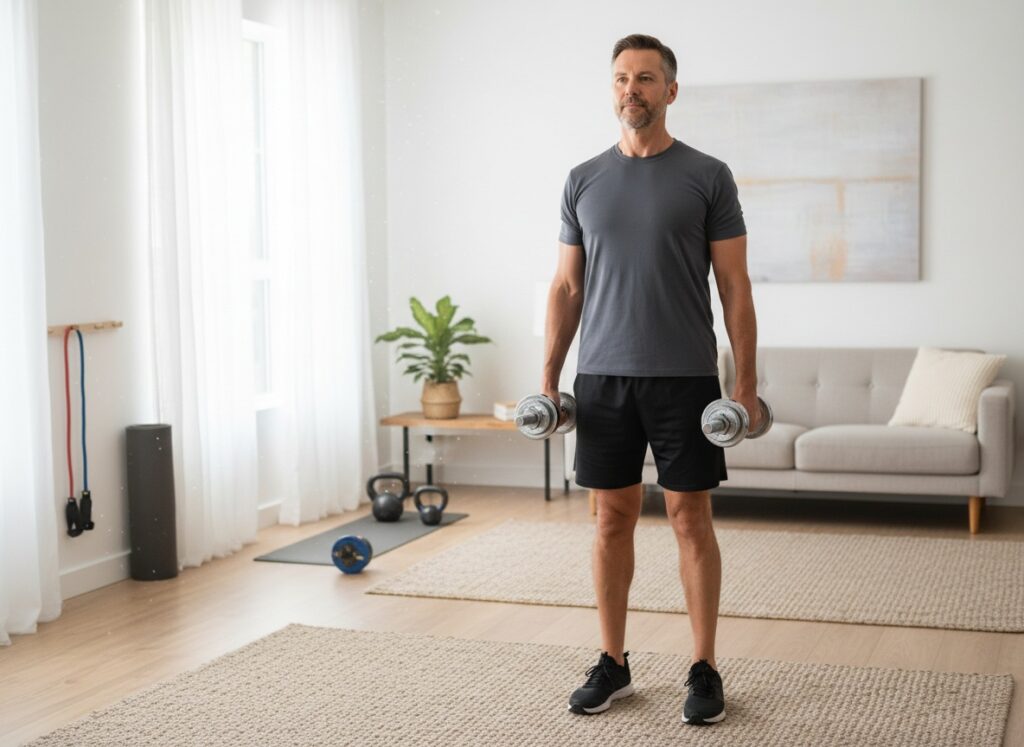
4) Farmer’s Carry (simple, powerful)
- Sets/Time: 2 x 30–45 seconds
- Simple cue: Stand tall, shoulders down, walk slow and controlled.
- Beginner option: hold the dumbbells in place (no walking) for 20–30 seconds.
If your joints tend to get cranky, this internal link fits well right after Day A: Joint Health Essentials: Supplements and Strategies to Keep Moving After 40
Day B (Hinge + Push + Pull + Core)
Format: Do 2 rounds. Rest 60–90 seconds between rounds.
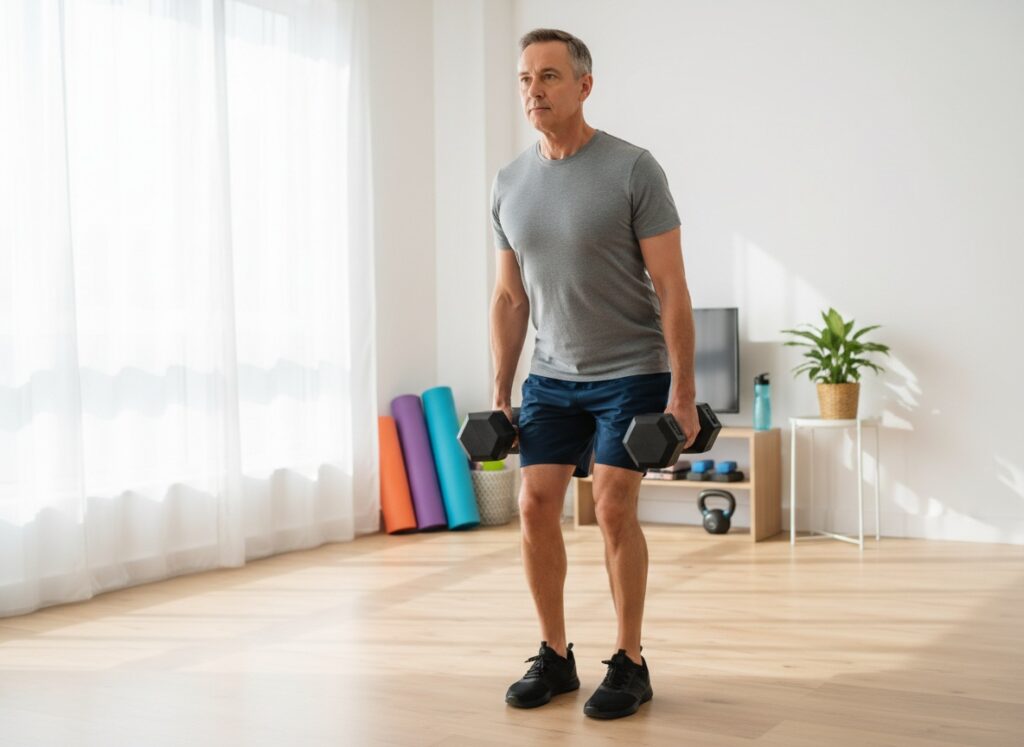
1) Dumbbell Romanian Deadlift (RDL)
- Sets/Reps: 2 x 8–10
- What it is (simple): a “hip hinge” move—your hips go back, your back stays flat.
- Simple cue: Slide the dumbbells down your legs, then stand tall by squeezing your glutes.
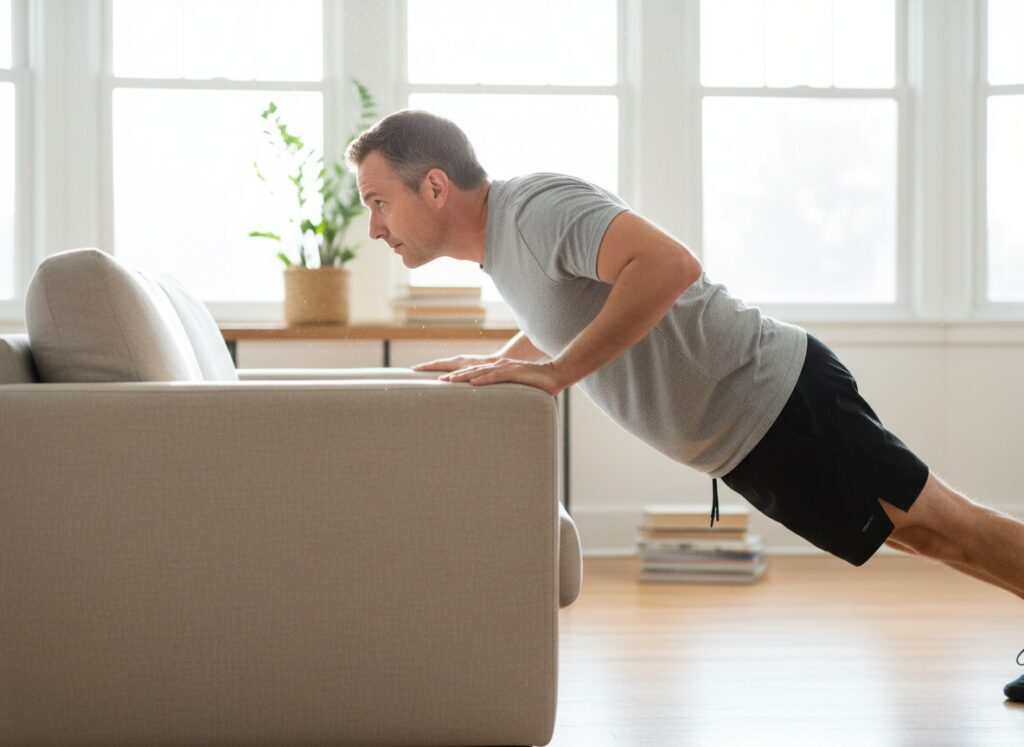
2) Incline Push-Ups (hands on counter/couch)
- Sets/Reps: 2 x 8–12
- Simple cue: body in a straight line—don’t let your hips sag.
- Beginner option: higher surface (easier). Progress by lowering the surface over time.
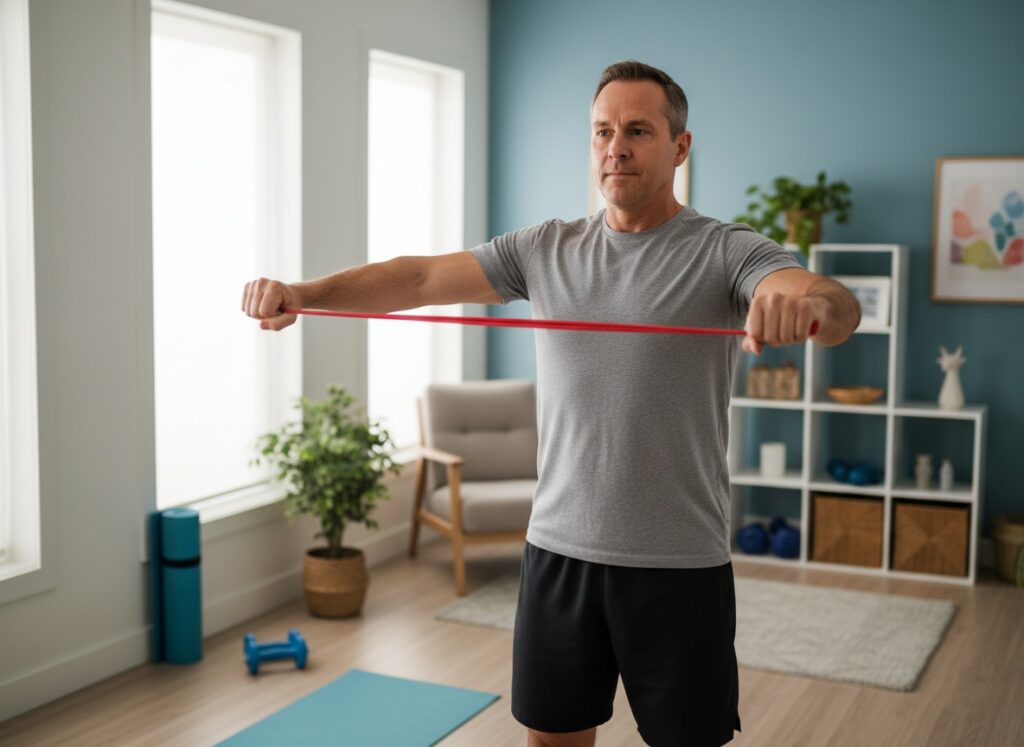
3) Dumbbell Pullover (on floor) OR Band Pull-Aparts
- Sets/Reps: 2 x 10–12
- Pick one:
- Pullover cue: keep ribs down, move slow, stop before your shoulders feel sketchy.
- Band option cue: pull band apart to your chest, squeeze shoulder blades.
Low-cost tool that makes this easier: Resistance band set (Amazon)

4) Dead Bug (core, beginner-friendly)
- Sets/Reps: 2 x 6–8 per side
- Simple cue: keep your lower back gently pressed into the floor as you move.
- Why it’s great: builds core strength without crunching your neck or back.
If you feel stiff doing hinges or core work, this internal link supports Day B well: Flexibility and Mobility: The Missing Link in Your Fitness
Day C (Full-Body Repeat: Practice + Confidence)
This day is about getting better at the basics. Most men over 40 don’t need more complexity—they need a plan they can repeat.
Format: Do 2 rounds. Rest 60–90 seconds between rounds.
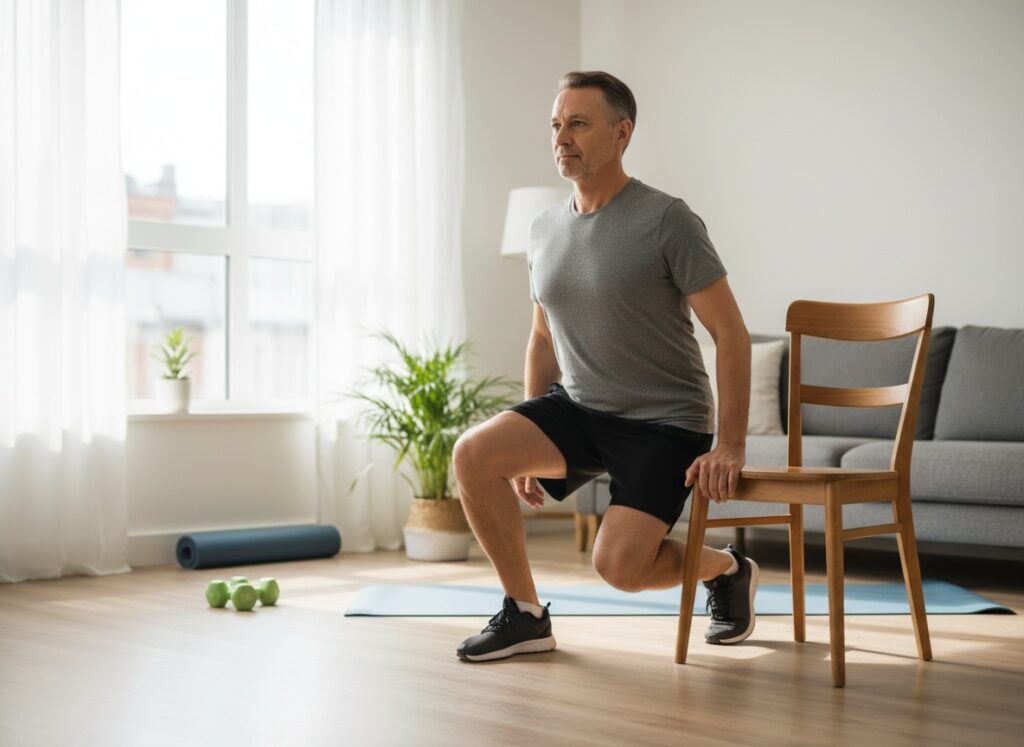
1) Split Squat (hold chair for balance)
- Sets/Reps: 2 x 6–8 per side
- Simple cue: small steps, stay tall, slow reps.
- Beginner option: bodyweight only until it feels stable.
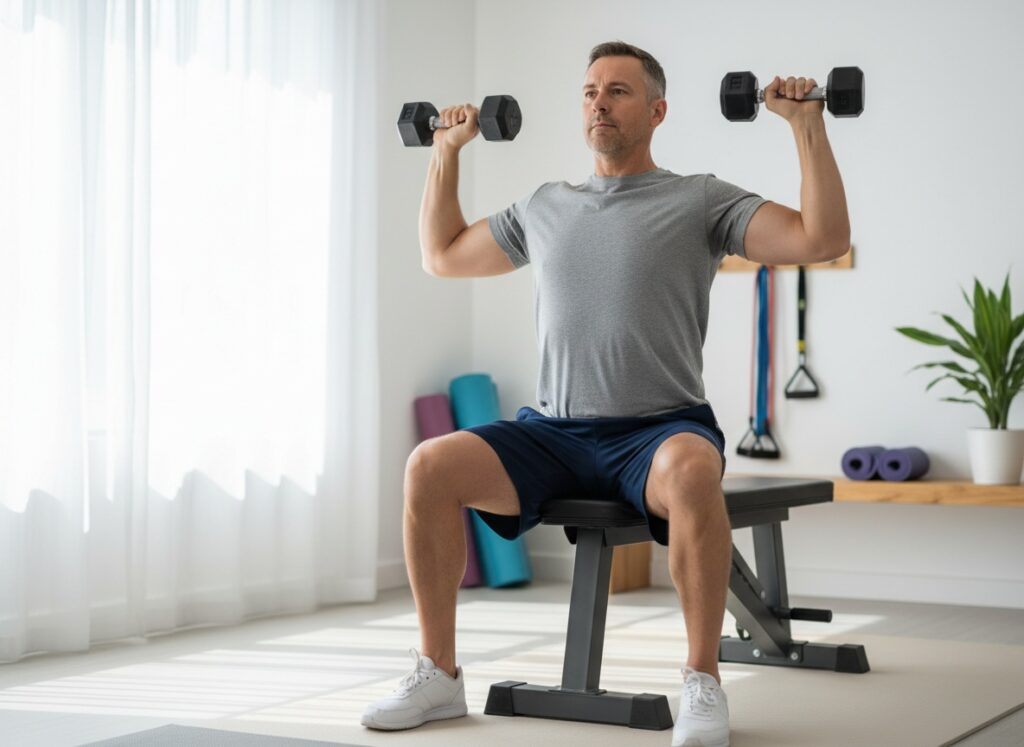
2) Dumbbell Shoulder Press (seated if needed)
- Sets/Reps: 2 x 8–10
- Simple cue: don’t arch your back—keep ribs down.
- Beginner option: seated press (more stable, often easier on the back).
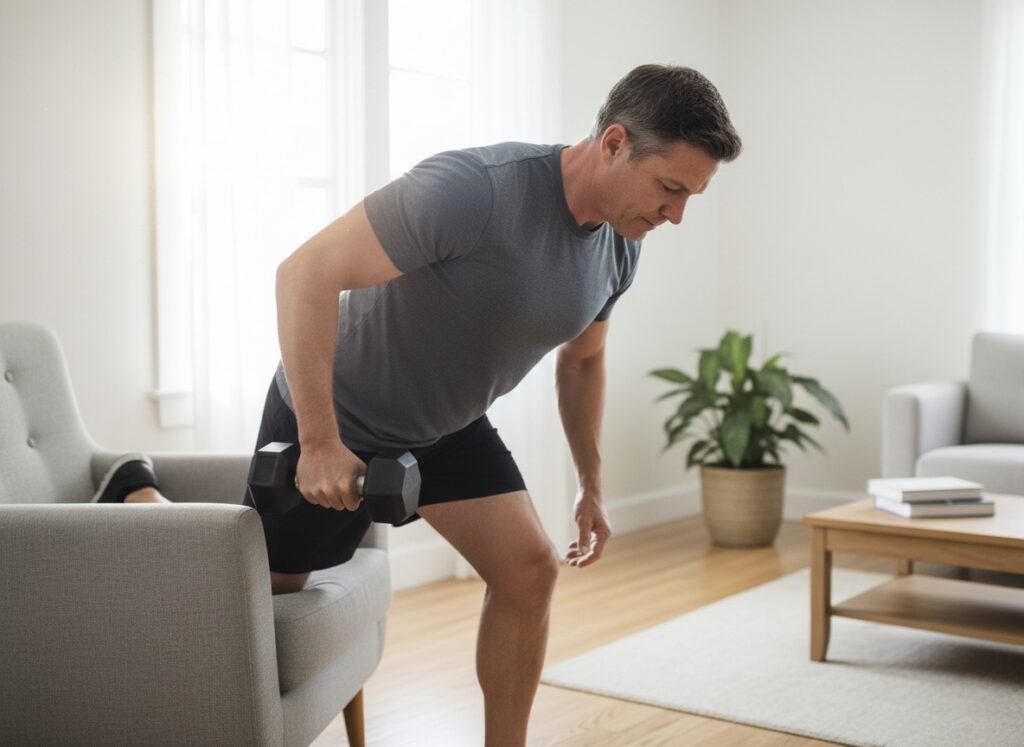
3) Dumbbell Row (same as Day A, supported)
- Sets/Reps: 2 x 8–12 per side
- Simple cue: slow pull, 1-second squeeze at the top.
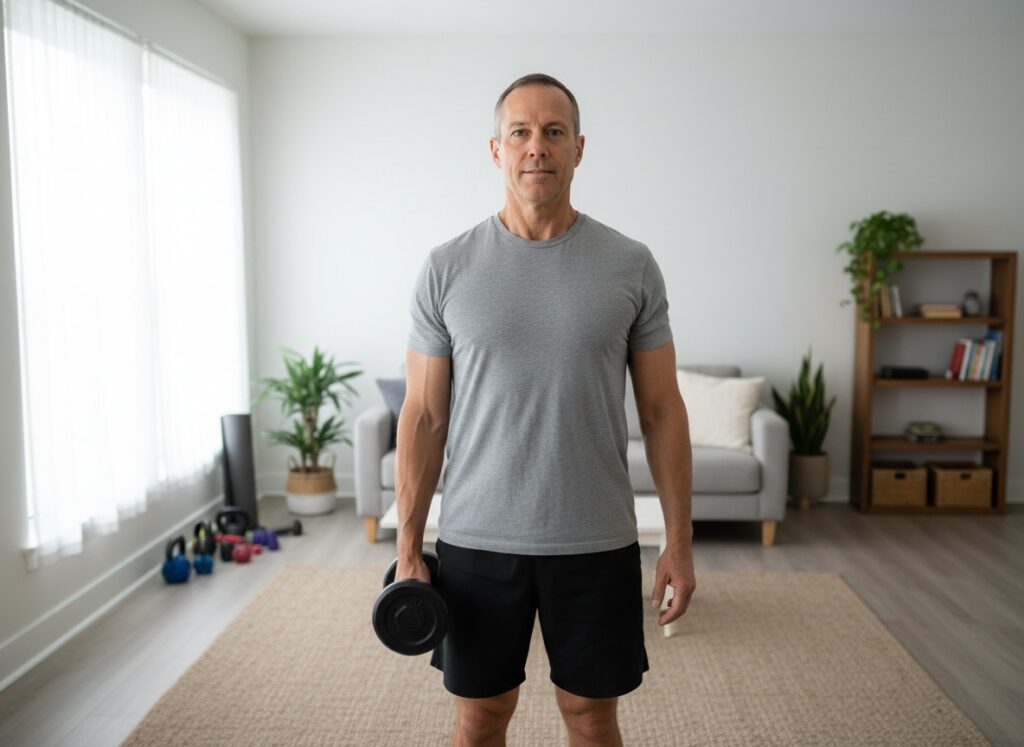
4) Suitcase Carry (one dumbbell)
- Sets/Time: 2 x 20–30 seconds per side
- Simple cue: don’t lean—stand tall like you’re balancing a glass of water on your head.
Busy week? If you can only get one workout in, do Day C. It hits the whole body and keeps the habit alive. This internal link supports that “stay consistent” mindset: Winter Fitness Motivation: Staying Consistent When It’s Cold and Dark

Flip 8 Performance Stack – FLIP 8 is a stimulant-free muscle growth, performance, and recovery formula designed to enhance strength, endurance, cellular energy, hydration, and recovery without caffeine or jitters.
How to Make Progress (Without Beating Up Your Joints)
The biggest mistake with a dumbbell only workout over 40 is going too hard too soon. The goal isn’t to “win” one workout. The goal is to build a routine you can repeat for months.
The Simple Progress Rule (Beginner-Friendly)
Use this 3-step ladder for each exercise:
- Step 1: Own the movement. Start with a weight you can control.
- Step 2: Add reps. Work up to the top of the rep range (example: from 8 reps to 12 reps).
- Step 3: Add a little weight. Then drop back to the lower reps and repeat.
Example (real life): If your dumbbell floor press is 2 sets of 8 today, your next goal is 2 sets of 10–12 with the same weight. Once you can do that cleanly, go slightly heavier.
How Many Weeks Until You Notice Results?
- 1–2 weeks: you’ll feel less stiff and more “switched on”
- 3–6 weeks: strength starts showing up (more reps, better control)
- 8–12 weeks: visible changes for most men (especially if nutrition is decent)
If you want the bigger-picture “train smarter” approach, this internal link fits perfectly here: Getting Started with Strength Training: Step-by-Step Basics for Men Over 40 at Home
Recovery Basics (The Part Most Men Skip)
Recovery is where your body actually adapts. If you’re doing a 3 day dumbbell workout plan at home, you don’t need to live like a monk—you just need a few basics.
1) Sleep (the cheapest performance upgrade)
Aim for 7+ hours when you can. If that’s not realistic every night, focus on consistency: same bedtime most nights, and a simple wind-down routine.
2) Walk on off days
On non-lifting days, a 10–20 minute walk helps soreness and keeps your energy up. It also supports fat loss without pounding your joints.
3) Light mobility when you’re stiff
If you wake up tight, do 5 minutes of easy movement (hips, shoulders, spine). This is the “maintenance” that keeps you lifting: Flexibility and Mobility: The Missing Link in Your Fitness
Related Article

Budget Options: Start Where You Are
This home workout for men over 40 works whether you’re on a tight budget or building a full setup over time.
If money is tight (still effective)
- One pair of dumbbells
- A chair/couch for support
- Use slower reps and perfect form to make lighter weights feel harder
If you can invest a little (best value)
- Adjustable dumbbells so you can keep progressing: Adjustable dumbbells (Amazon)
- Resistance bands for warm-ups and shoulder-friendly pulling: Resistance band set (Amazon)
If you want an easy recovery tool (great for tight legs/hips/back)

Quick foam roller tip: roll calves, quads, and upper back for 30–60 seconds each. You’re not trying to “torture” yourself—just loosen things up.
When Life Gets Busy (The “Don’t Break the Chain” Rule)
If you miss a day, don’t spiral. Just do the next workout. Consistency isn’t perfection—it’s returning to the plan.
If you need a mindset reset for chaotic weeks, this article fits well here: Workout Habit Stacking: Building Unstoppable Fitness Routines
FAQ: Dumbbell-Only Home Workout for Men Over 40
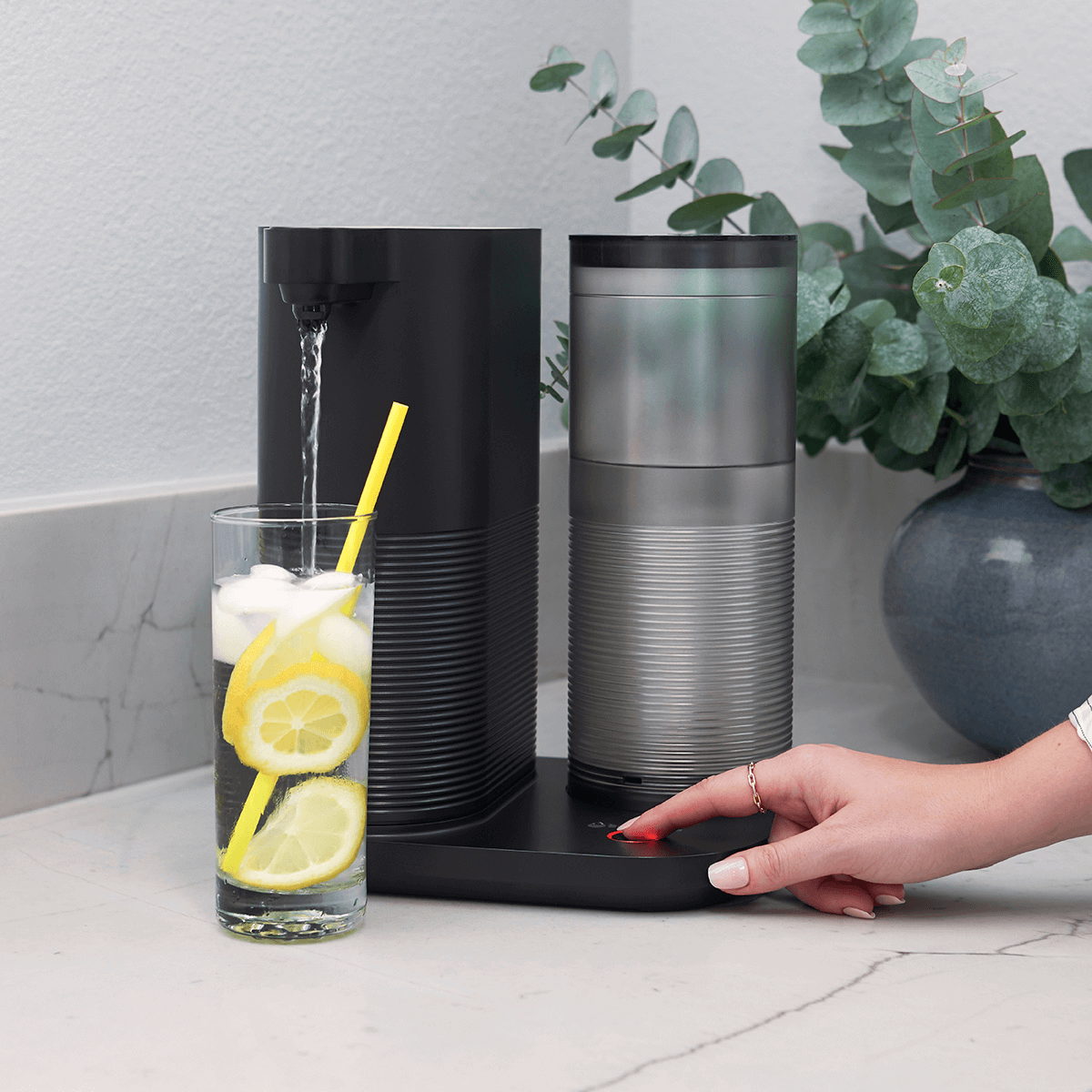
Shop Aquasana's fast-flowing Clean Water Machine that removes 78 contaminants including 99% of lead & cysts, 15x more than the leading pitcher filter.
Your Simple Action Plan (Start Today)
- Pick your days: Mon/Wed/Fri or Tue/Thu/Sat
- Do the 5-minute warm-up every time
- Finish the workout even if you go lighter than you planned
- Next week: add 1–2 reps to one exercise (that’s progress)
Remember: progress over perfection. The goal isn’t to prove something in one workout. The goal is to build strength you can keep.
Disclosure
This article contains affiliate links. If you choose to make a purchase through these links, we may earn a commission at no additional cost to you.
Important Note: The information in this post is meant to educate and inform, not to replace professional medical advice. While we’ve spent years studying health and wellness, we’re not licensed healthcare providers. Everyone’s body and circumstances are different, so what works for one person might not work for another. Always check with your doctor before starting any new exercise program or making significant lifestyle changes, especially if you have pre-existing conditions. By reading and using this information, you’re taking responsibility for your own health decisions.