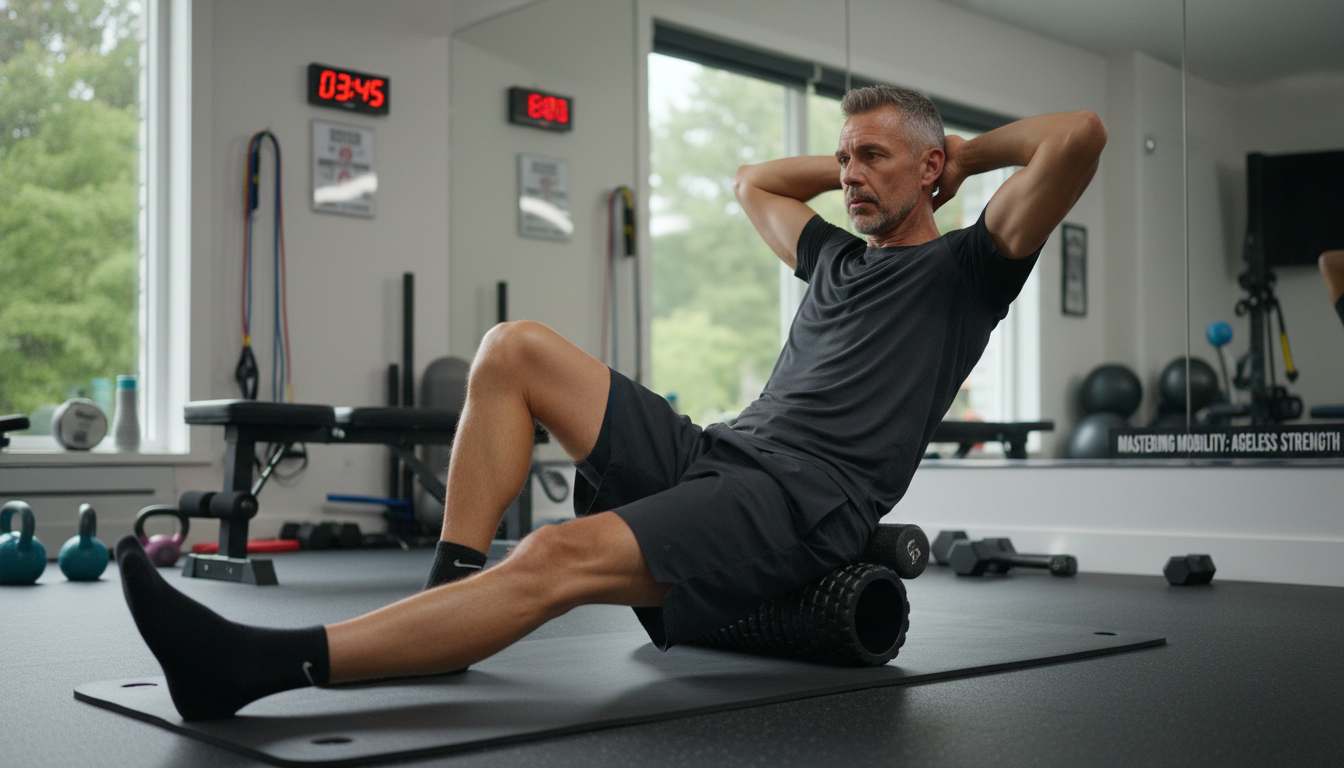
Weekend Warrior Workouts: Maximizing Limited Training Time
Let’s be honest—life gets busy. Between work, family, and everything else demanding your attention, finding time to hit the gym five days a week feels impossible. But here’s the good news: you don’t need to.
“The best workout is the one you’ll actually do. For many of us, that’s Saturday and Sunday.”
— Your Journey Starts Here
Weekend workouts for men over 40 are not just possible; they’re incredibly effective when done right. Whether you’re a construction worker on your feet all week, an office guy stuck in meetings, or somewhere in between, training on weekends can transform your fitness without derailing your life.
The secret? It’s not about how many days you train—it’s about how smart you train those days.
Disclosure
This article contains affiliate links. If you choose to make a purchase through these links, we may earn a commission at no additional cost to you.
Why Weekend Workouts Work for Men Over 40

Your body doesn’t care if you work out Monday through Friday or just Saturday and Sunday. What matters is that you’re consistent, intentional, and strategic. A 2 day workout split for busy men can deliver the same results as a five-day routine when you focus on the right exercises and recovery.
Think of it like this: if a five-day workout is like checking your email constantly throughout the day, a two-day weekend routine is like blocking off two focused power hours. You get more done in less time because you’re not wasting energy.
The Smart 2-Day Split: Upper/Lower or Full Body?
When you only have two days to train, every session counts. That’s why the structure of your weekend only workout routine matters more than anything else.
You have two main options:
Option 1: Upper/Lower Split
Saturday = Upper Body (chest, back, shoulders, arms)
Sunday = Lower Body (legs, glutes, core)
Why this works: You’re dividing your body into two focused sessions. This means more exercises per muscle group and better recovery between sessions.
Best for: Guys who want to feel like they’re getting a solid workout each day and who have time for 45-60 minutes per session.
Option 2: Full Body Both Days
Saturday = Full Body Workout A
Sunday = Full Body Workout B
Why this works: You hit every muscle group twice per week, which is ideal for building and maintaining strength. Each session is shorter (30-45 minutes) but still effective.
Best for: Busy guys who want shorter workouts or those new to training.
Both approaches work. The key is picking one and sticking with it for at least 8-12 weeks before switching.

Flip 7 Classic Combo – Feel better, fast with one shake a day. FLIP 7 is an unmatched, all-in-one meal replacement SUPER FOOD powder with the most nutrient rich balance of health extending blends formulated to support whole body and mind wellness.
Efficient Exercises That Give Maximum Results
Here’s where time-efficient strength training becomes your secret weapon.
Not all exercises are created equal. Some exercises work multiple muscle groups at once—we call these compound movements. Think of them as the “bang for your buck” exercises. A squat, for example, works your legs, glutes, core, and even your lower back all in one movement.
Compare that to a leg curl machine, which only works your hamstrings. If you’re short on time, compound movements are non-negotiable.
Your Weekend Warrior Essential Exercises:
Lower Body:

Squats (or leg press if you have joint issues)
Proper Squat Form: Keep your back straight, knees at 90 degrees, and arms extended for balance. Squats work your legs, glutes, core, and lower back all in one movement.

Deadlifts (or trap bar deadlifts—easier on the back)
Deadlift Technique: Hinge at the hips, keep your back straight, and maintain the bar close to your shins. This full-body compound movement builds serious strength in limited time.
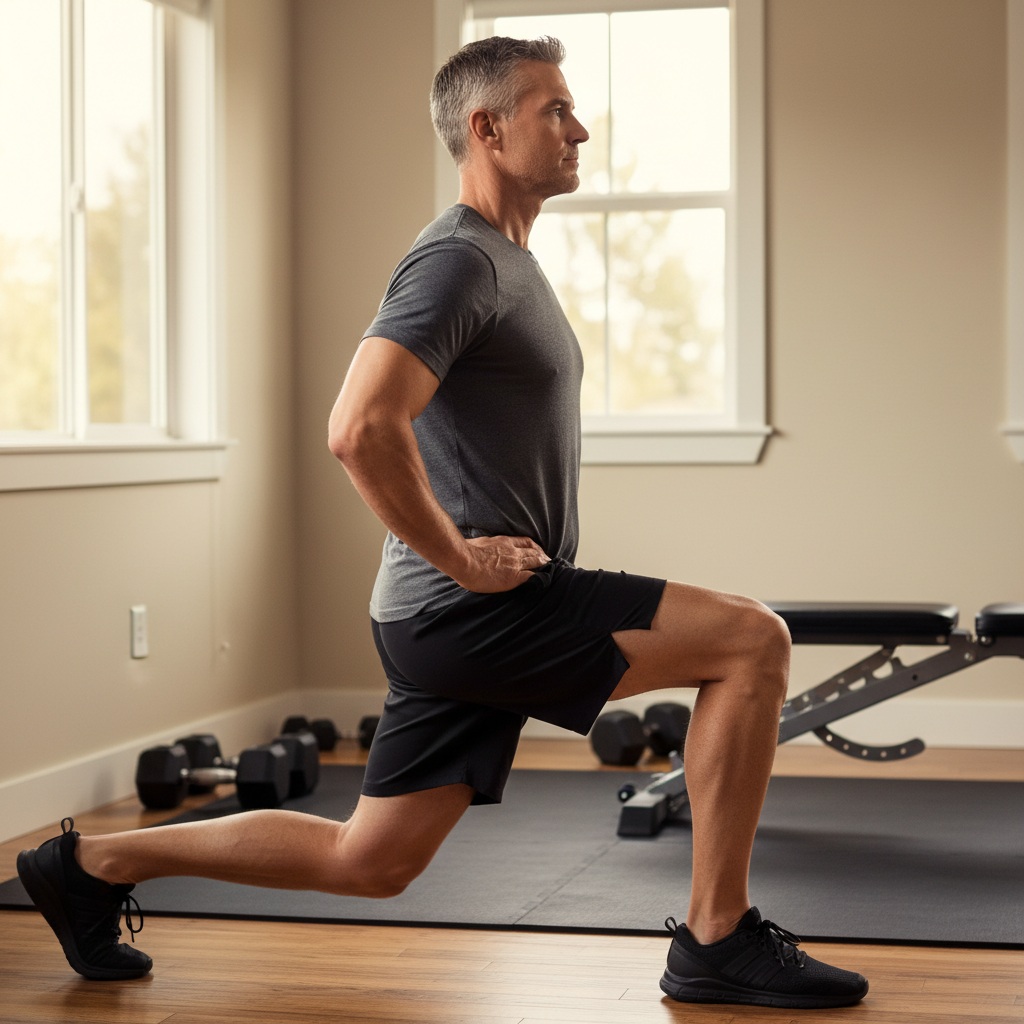
Lunges
Lunge Form: Step forward into a deep lunge with your front knee at 90 degrees and back leg extended. Lunges build single-leg strength and improve balance.
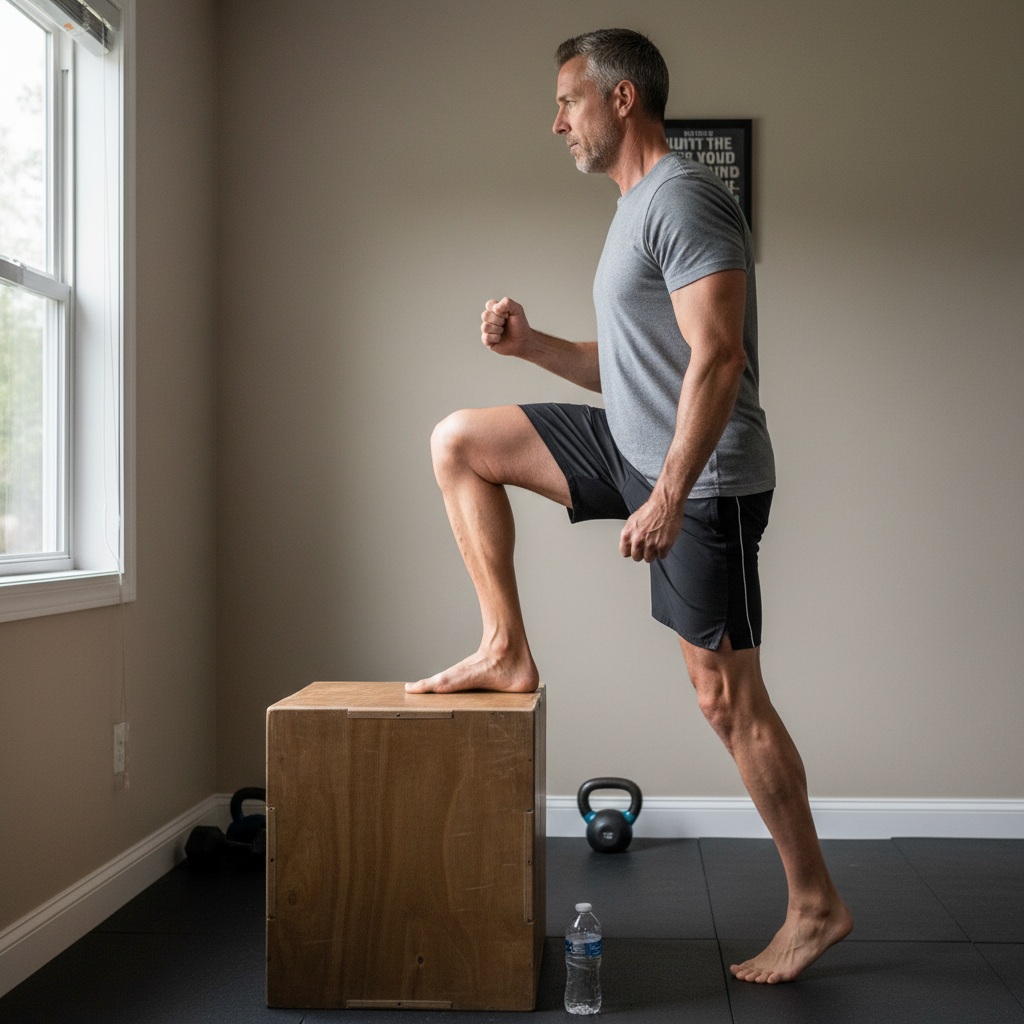
Step-ups
Step-Up Exercise: Step up onto a sturdy bench with controlled movement, driving through your front leg. Step-ups build single-leg strength and are easy on the joints.
Upper Body:

Push-ups or bench press
Push-Up Form: Keep your body straight from head to heels, hands shoulder-width apart, and core engaged. Push-ups work your chest, shoulders, triceps, and core simultaneously.

Rows (dumbbell or barbell)
Dumbbell Row Technique: Support yourself with one hand on a bench, pull the dumbbell toward your ribcage, and keep your back straight. Rows build a strong back and improve posture.

Pull-ups or lat pulldowns
Pull-Up Form: Hang from the bar with arms bent, pull yourself up until your chin clears the bar, and lower with control. Pull-ups are the ultimate back and arm builder.
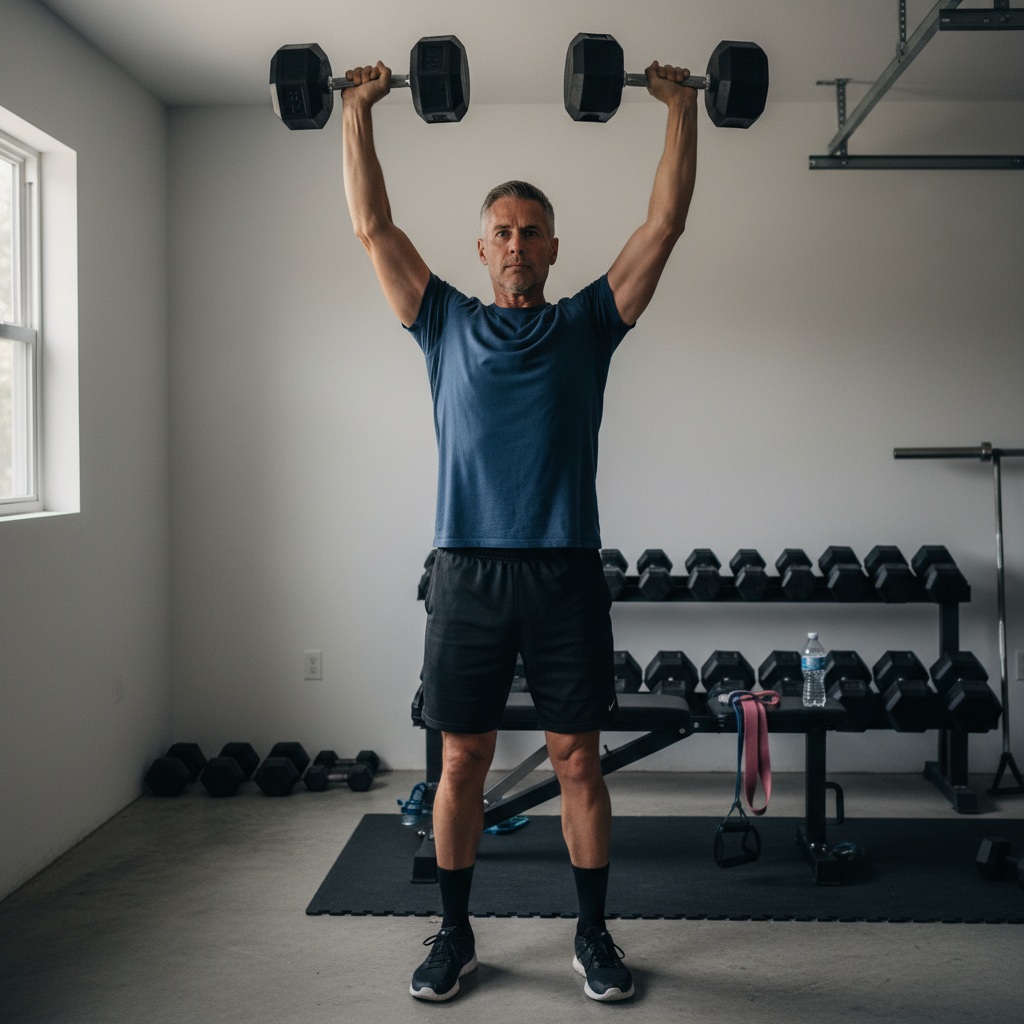
Shoulder press
Shoulder Press Form: Press dumbbells overhead with arms fully extended, elbows locked out at the top, and core engaged. This builds strong, functional shoulders.
Full Body:
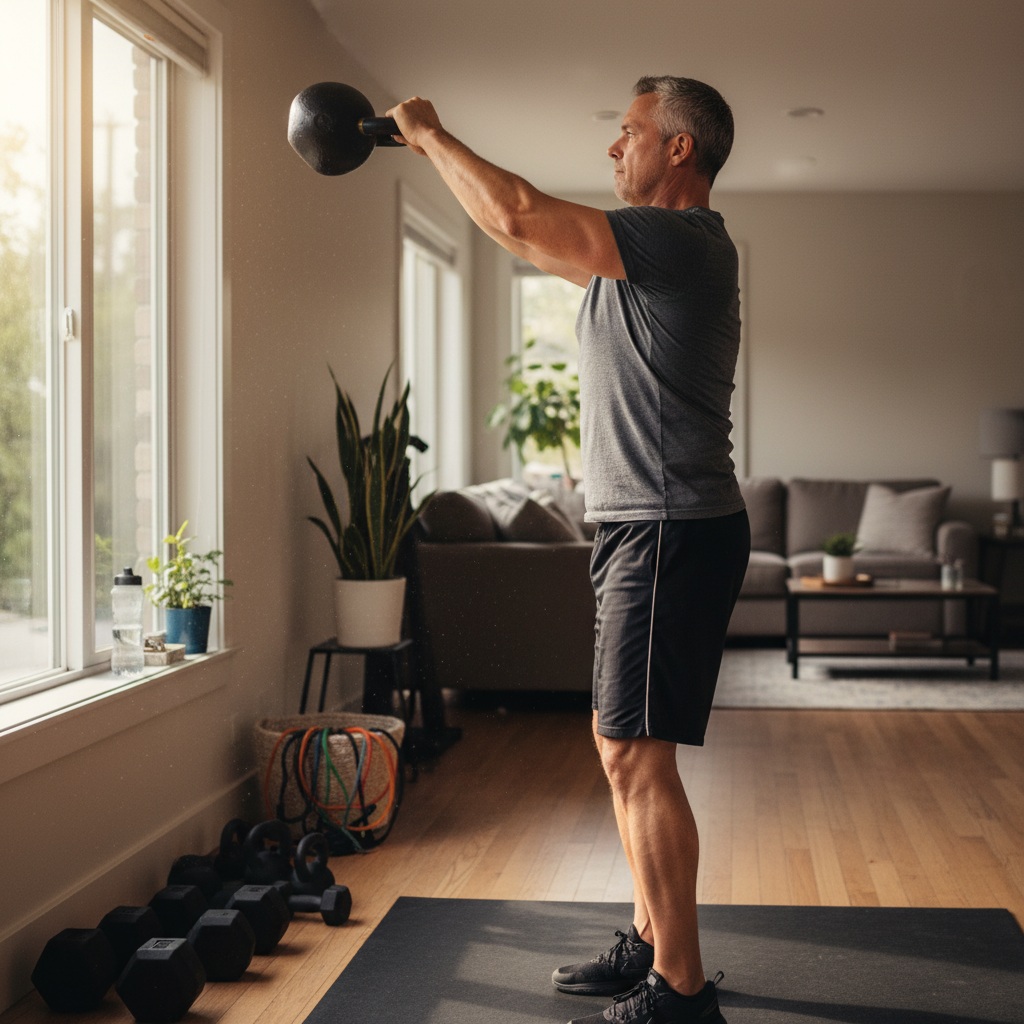
Kettlebell swings
Kettlebell Swing Form: Drive your hips forward explosively, swing the kettlebell to shoulder height with straight arms, and engage your entire body. This movement builds power and burns serious calories.

Burpees (modified if needed)
Burpee Technique: Drop to a plank, perform a push-up (optional), jump feet forward, then stand or jump up. Burpees work every muscle group and boost your heart rate fast.
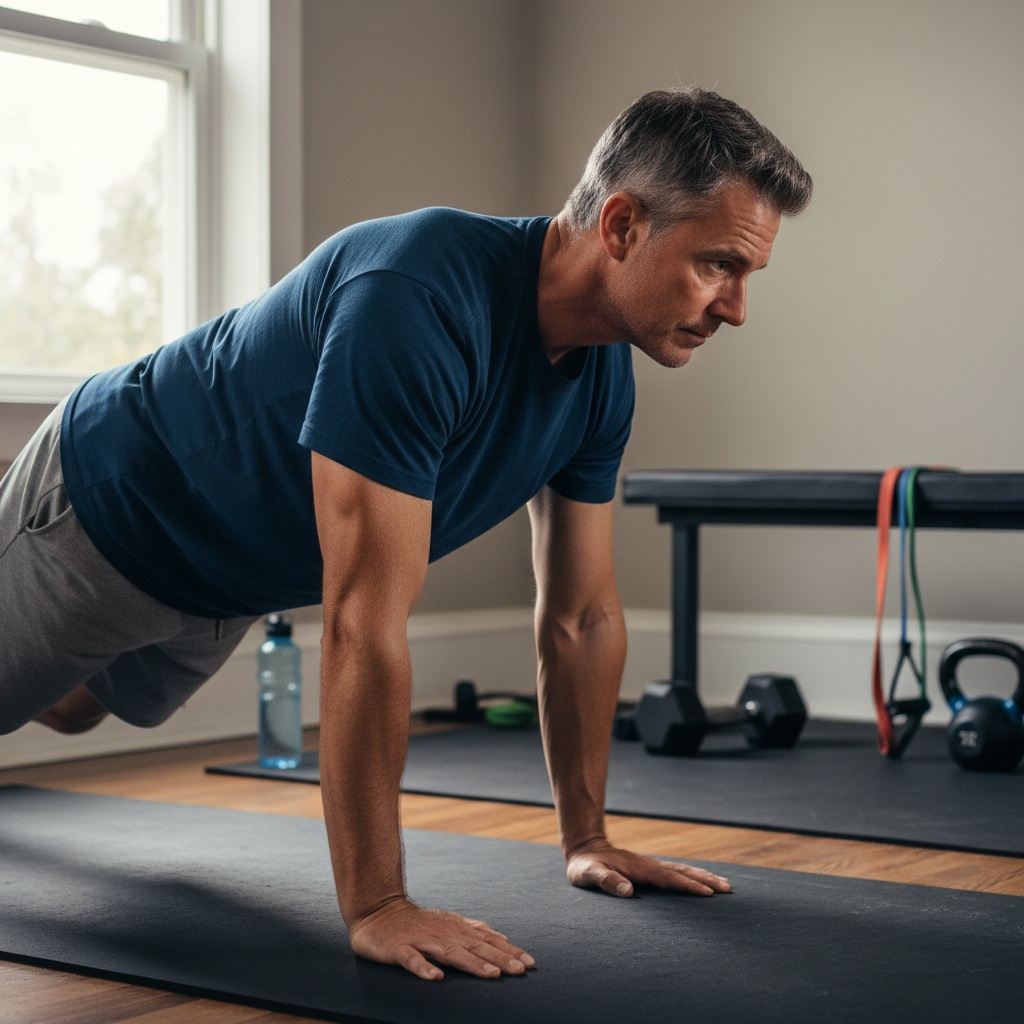
Mountain climbers
Mountain Climber Form: Start in plank position, drive one knee toward your chest, then quickly alternate legs in a running motion. This exercise builds core strength and cardiovascular endurance.
These exercises work because they demand your body use multiple muscle groups, which means more results in less time.
Related Article


Recovery Strategies for the 5 Days Between Workouts
Here’s what separates weekend warriors who see results from those who don’t: recovery tips for weekend workouts.
You’re only training two days a week, which means you have five days to recover and prepare for your next session. Don’t waste that time sitting on the couch.
Active Recovery (Monday-Friday)
Active recovery doesn’t mean doing nothing—it means doing light movement. Think of it as the difference between a rest day and a lazy day.
Examples:
- 20-minute walks (great for your joints and mental health)
- Gentle stretching or yoga
- Light swimming
- Casual bike riding
This keeps your blood flowing, helps reduce soreness, and prepares your body for the weekend grind.
Sleep and Nutrition
Your muscles don’t grow in the gym—they grow while you sleep. Aim for 7-9 hours per night. This isn’t luxury; it’s maintenance.
Eat enough protein (aim for 0.7-1 gram per pound of body weight). If you weigh 200 pounds, that’s 140-200 grams daily. Spread it across your meals.
Supplement Support
While whole foods come first, a few supplements can support recovery:
- Whey Protein Powder – Optimum Nutrition Gold Standard Whey (affordable, reliable, mixes well)
- Creatine Monohydrate – THORNE Creatine (proven to support muscle strength and recovery)
- Omega-3 Fish Oil – Nordic Naturals Omega-3 (supports joint health and inflammation)

Flip 8 Performance Stack – FLIP 8 is a stimulant-free muscle growth, performance, and recovery formula designed to enhance strength, endurance, cellular energy, hydration, and recovery without caffeine or jitters.
Making Every Rep Count: Progressive Overload
You’ve probably heard the term progressive overload, and it sounds complicated. It’s not.
Progressive overload simply means: do a little more over time.
This could mean:
- One more rep than last week
- Slightly heavier weight
- Better form
- Less rest between sets
It’s like leveling up in a video game. You’re not trying to jump from level 1 to level 50 overnight. You’re just progressing steadily.
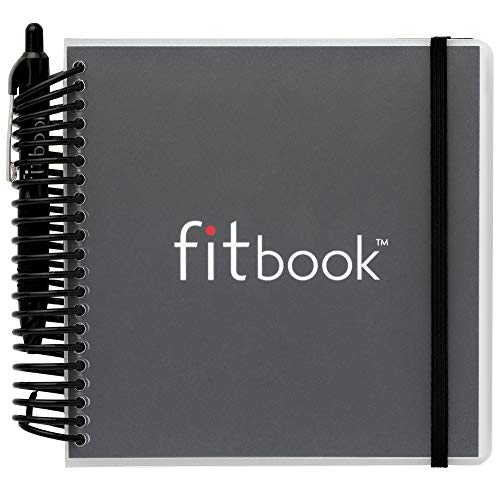
Track your workouts. Write down what you did each weekend. Next week, try to beat it by one rep or add a few pounds. That’s it. That’s the magic.
Common Weekend Warrior Mistakes (And How to Avoid Them)
Mistake 1
Going Too Hard Too Fast
You’re excited. It’s Saturday. You haven’t worked out in five days. So you destroy yourself in the gym.
The problem: You’re sore for three days, your joints hurt, and by Wednesday you’re dreading Sunday’s workout.
The fix: Start conservatively. You can always add weight next week. Consistency beats intensity every single time.
Mistake 2
Skipping Warm-ups
“I don’t have time to warm up.”
Yes, you do. A five-minute warm-up prevents injury and actually makes your workout better.
The fix: 5 minutes of light cardio + dynamic stretching. That’s it.
Mistake 3
Neglecting Recovery Between Sessions
You crush Saturday’s workout, then do nothing but sit until Sunday.
The fix: Move on Monday-Friday. Walk, stretch, stay active. Your body will thank you.
Mistake 4
Inconsistent Nutrition
You eat great Saturday and Sunday, then grab fast food all week.
The fix: Meal prep on Sunday for the week. Spend two hours cooking and you’re set.


Sample Weekend Workout Plans for Different Fitness Levels
Beginner: Full Body (45 minutes each day)
Saturday & Sunday:
- Warm-up: 5 min light cardio
- Squats: 3 sets x 8-10 reps
- Push-ups: 3 sets x 8-10 reps
- Rows: 3 sets x 8-10 reps
- Cool-down: 5 min stretching
Intermediate: Upper/Lower Split (50 minutes each day)
Saturday (Upper):
- Bench Press: 4 sets x 6-8 reps
- Rows: 4 sets x 6-8 reps
- Shoulder Press: 3 sets x 8-10 reps
- Pull-ups: 3 sets x 5-8 reps
Sunday (Lower):
- Deadlifts: 4 sets x 5-6 reps
- Squats: 4 sets x 6-8 reps
- Lunges: 3 sets x 10 each leg
- Core work: 3 sets x 15 reps

Aquasana’s fast-flowing Clean Water Machine removes 78 contaminants including 99% of lead & cysts, 15x more than the leading pitcher filter.
Is Working Out Twice a Week Enough After 40?
Short answer: Yes, absolutely.
Research shows that training each muscle group twice per week is optimal for building and maintaining strength. Whether that happens Monday-Friday or Saturday-Sunday doesn’t matter.
What does matter is that you’re consistent, you’re progressive, and you’re recovering properly.
For men over 40 specifically: You actually have an advantage with a weekend only workout routine. You have five days to recover between sessions, which means less joint stress and better overall recovery. This is why many guys in their 40s and 50s see better results with two focused days than they did with five mediocre days in their 20s.
The Weekend Warrior Mindset
Here’s the truth: weekend workouts for men over 40 aren’t about being lazy or taking shortcuts. They’re about being smart with your time.
You’re not trying to become a bodybuilder. You’re trying to be stronger, healthier, and feel better in your own skin. A 2 day workout split for busy men does exactly that.
Your body doesn’t need five days a week to transform. It needs consistency, smart exercise selection, and proper recovery. Give it those three things on Saturday and Sunday, and you’ll see results.
Related Articles You Might Find Helpful:
- The Over-40 Body Reset
- NAD+ and Longevity: The Anti-Aging Breakthrough Men Over 40 Need to Know
- Beat the Summer Slump
- Hydration Habits: The Simplest Health Upgrade
Your Next Steps
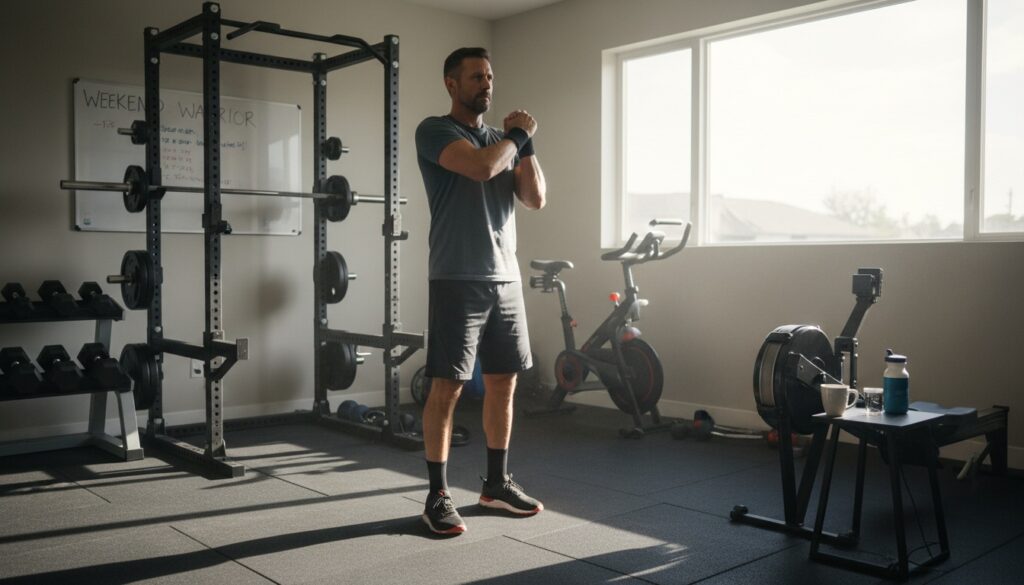
“The only bad workout is the one you didn’t do. Make your weekends count.”
- Choose your split: Upper/Lower or Full Body?
- Pick your exercises: Focus on compound movements
- Track your progress: Write it down each week
- Prioritize recovery: Sleep, nutrition, and active movement
- Stay consistent: Two focused days beats five lazy days every time
You’ve got this. Your weekend warrior journey starts now.
Disclosure
This article contains affiliate links. If you choose to make a purchase through these links, we may earn a commission at no additional cost to you.
Important Note: The information in this post is meant to educate and inform, not to replace professional medical advice. While we’ve spent years studying health and wellness, we’re not licensed healthcare providers. Everyone’s body and circumstances are different, so what works for one person might not work for another. Always check with your doctor before starting any new exercise program or making significant lifestyle changes, especially if you have pre-existing conditions. By reading and using this information, you’re taking responsibility for your own health decisions.