Winter Cardio Strategies: Staying Active When It’s Freezing
When the temperature drops and it’s dark by dinnertime, it’s easy to let your fitness goals slide. But winter is actually a great time to build momentum with your health—especially if you know how to keep moving, even when it’s freezing outside.
“Success in anything comes from consistency, not perfection.”
Whether you’re a seasoned gym-goer or just starting out, these winter cardio strategies will help you stay active, healthy, and motivated all season long.
Disclosure
This article contains affiliate links. If you choose to make a purchase through these links, we may earn a commission at no additional cost to you.
Why Cardio Matters in Winter

Cardio (short for cardiovascular exercise) simply means any activity that gets your heart beating faster. Think brisk walking, dancing in your living room, or even shoveling snow. Cardio helps boost your mood, manage weight, and keep your heart strong—important for men over 40 who want to feel their best.
Easy Indoor Cardio Options
You don’t need a fancy gym or expensive equipment to get your heart rate up at home. Here are some simple, affordable indoor cardio for winter ideas:
- Marching in place while watching TV
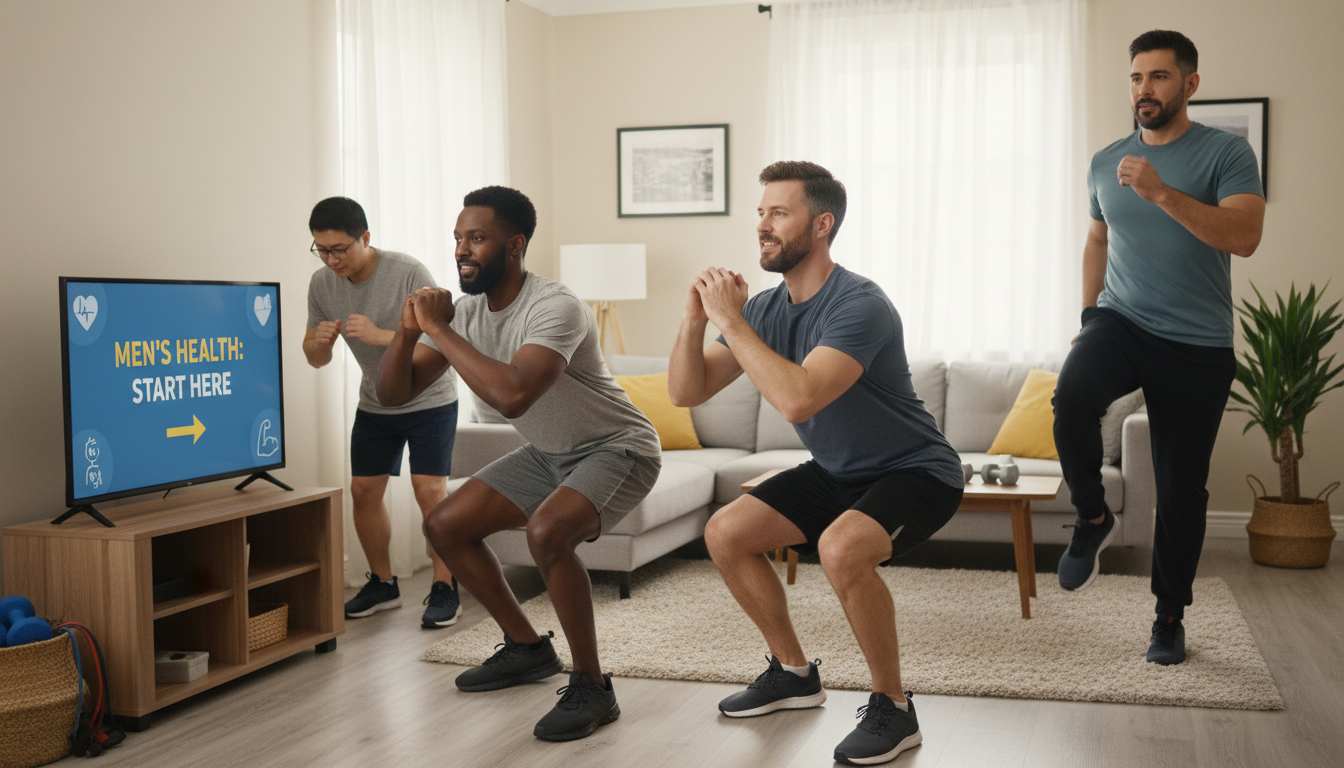
- Bodyweight circuits (like squats, push-ups, and jumping jacks)
- Stair climbing (use your own staircase)
- Follow-along YouTube workouts—search “winter cardio routines for beginners”
- Jump rope (great for small spaces)
Related Article
For more home workout ideas, check out our Over-40 Body Reset guide, packed with routines you can do anytime.

Outdoor Cardio in Cold Weather
If you enjoy being outside, winter workouts can be fun—as long as you stay safe and warm. Here’s how:
- Dress in layers: Start with a base layer (like a thermal shirt), add a sweatshirt, and finish with a windproof jacket. Don’t forget a hat and gloves.
- Start slow: Give your body extra time to warm up.
- Choose safe activities: Walking, jogging, or even shoveling snow (carefully!) all count as outdoor cardio in cold weather.
- Watch for ice: Stick to cleared paths, and consider wearing
Yaktrax Walk Traction Cleats
for safer footing.
Related Article
Want more tips on staying safe?

Safety Tips for Winter Workouts
Staying active in winter is awesome, but safety comes first. Here are some easy ways to protect yourself:
- Warm up: Do 5-10 minutes of gentle movement (like arm circles or slow walking) before you start.
- Cool down: Slow your pace at the end and stretch your muscles.
- Stay visible: Wear bright or reflective clothing if you exercise outside.
- Check the weather: Skip workouts on icy or super cold days—indoor cardio for winter is just as effective.

Budget-Friendly Cardio Gear
You don’t need to spend a lot to stay active. Here are some no-equipment cardio options:
- Dancing to your favorite playlist
- Marching or jogging in place
- Shadow boxing (pretend you’re in a Rocky movie!)
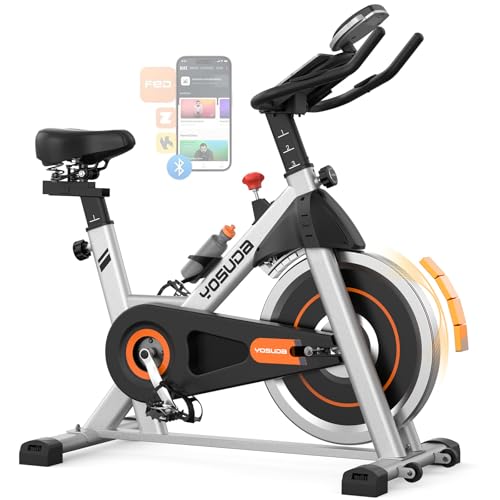
But if you want to upgrade, check out these affordable picks:


Related Article
For more on building healthy habits, visit:

Motivation to Stay Active in Winter
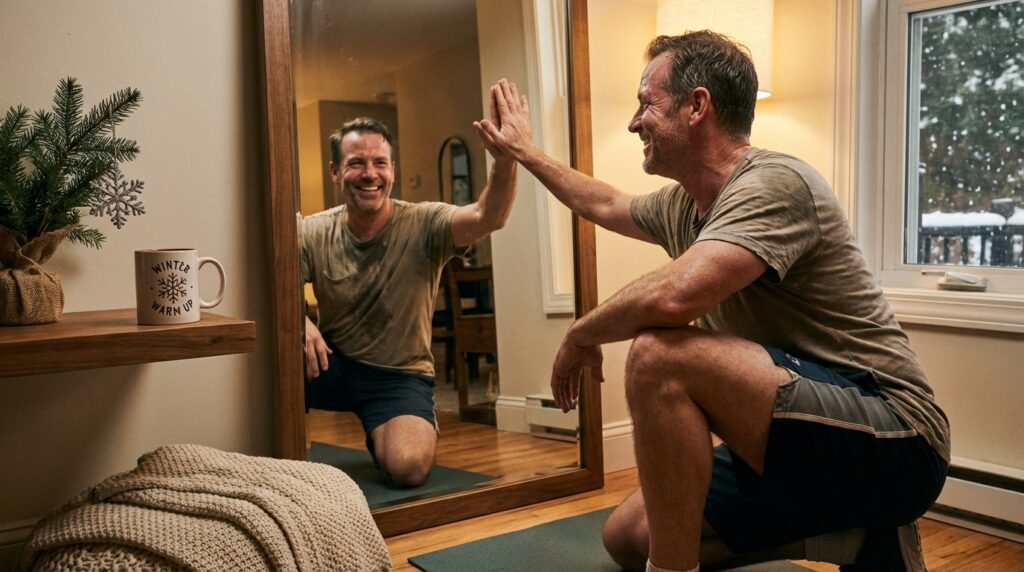
Staying active in winter isn’t about perfection—it’s about showing up for yourself, even when it’s tough. Set small goals, track your progress, and remember: every bit counts. Need more inspiration? Our Building Unshakeable Confidence in Your 40s and Beyond post is a great read.
“The journey is the reward.”
Ready to move? Try one new winter cardio strategy this week!
Disclosure
This article contains affiliate links. If you choose to make a purchase through these links, we may earn a commission at no additional cost to you.
Important Note: The information in this post is meant to educate and inform, not to replace professional medical advice. While we’ve spent years studying health and wellness, we’re not licensed healthcare providers. Everyone’s body and circumstances are different, so what works for one person might not work for another. Always check with your doctor before starting any new exercise program or making significant lifestyle changes, especially if you have pre-existing conditions. By reading and using this information, you’re taking responsibility for your own health decisions.