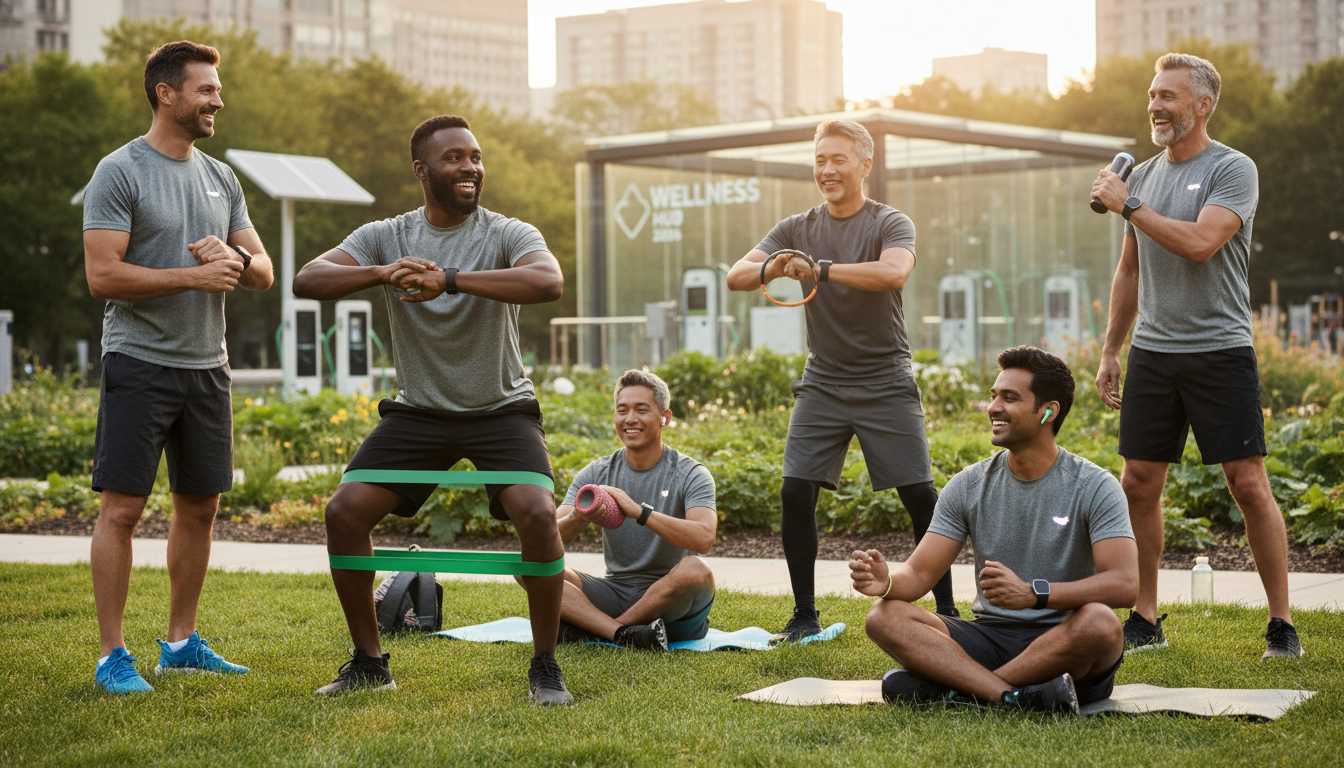
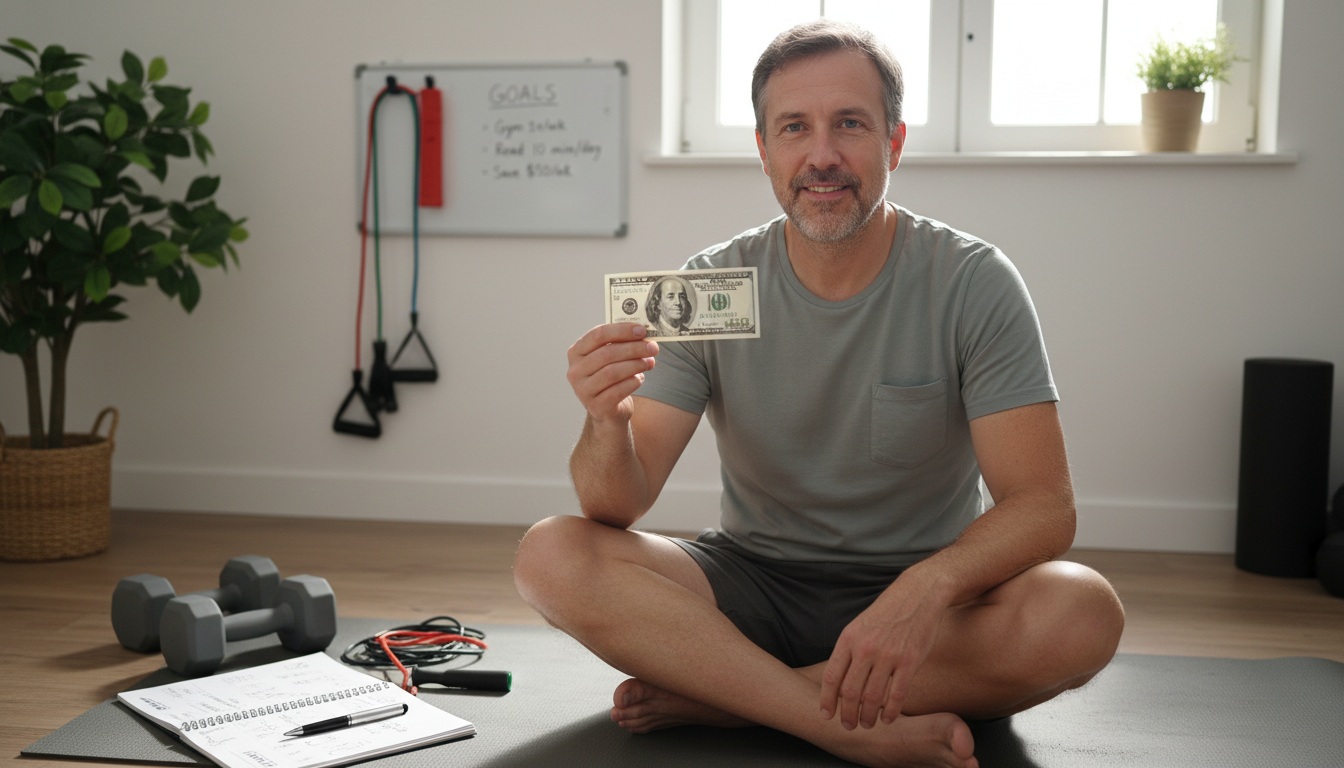
Winter Fitness Motivation: Staying Consistent When It’s Cold and Dark
If you’re struggling with winter fitness motivation, you’re not alone. For men over 40, staying consistent with indoor workouts when it’s cold and dark outside can feel impossible. The alarm goes off, it’s pitch black outside, your bed is warm, and the thought of exercising feels about as appealing as a root canal.
“The only bad workout is the one that didn’t happen.”
– Unknown
But here’s the truth: winter doesn’t have to derail your fitness progress. With the right strategies and mindset shifts, you can not only maintain your routine but actually thrive during the coldest months. This guide will show you practical indoor workouts, proven motivation strategies, and simple seasonal adjustments that work for real guys with real lives—no expensive gym membership required.
Disclosure
This article contains affiliate links. If you choose to make a purchase through these links, we may earn a commission at no additional cost to you.
Why Winter Fitness Motivation Is Harder (And What You Can Do About It)
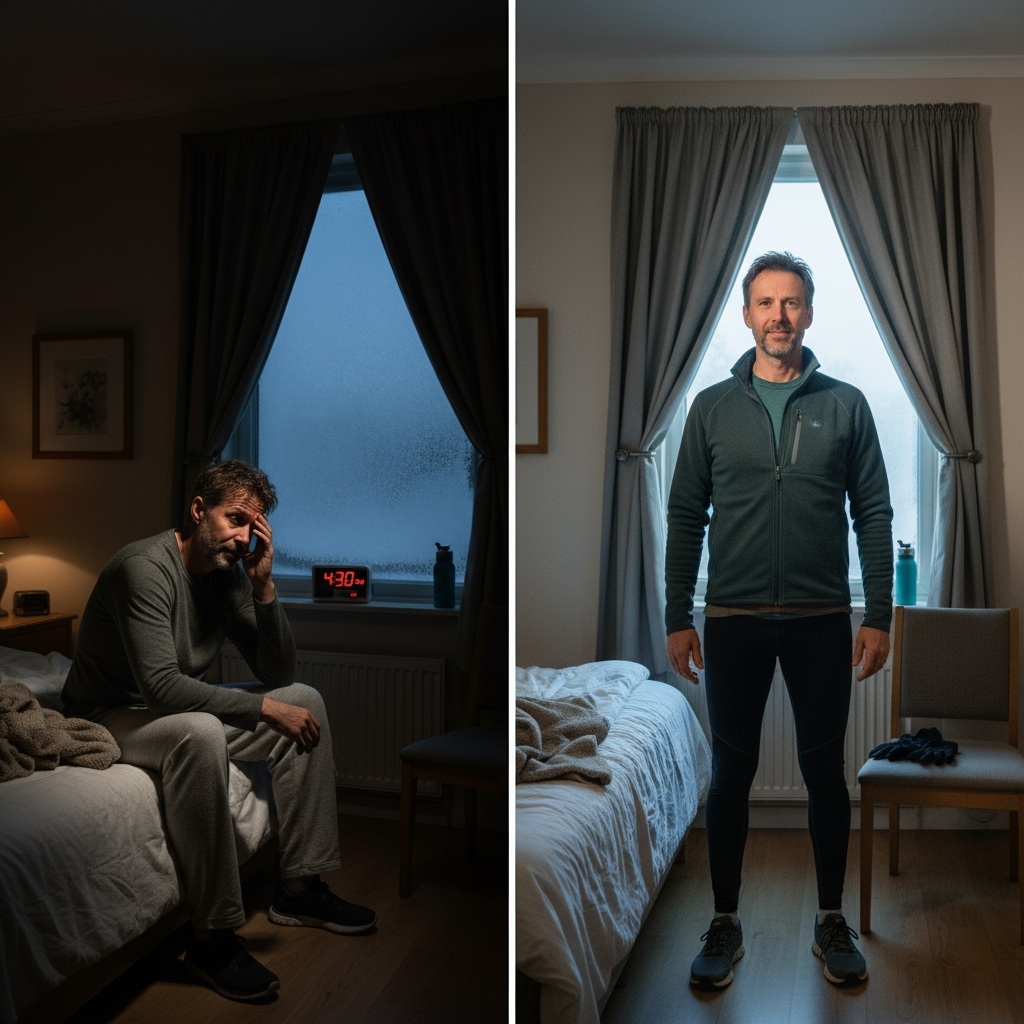
Let’s start with some good news: if staying motivated to exercise in winter feels harder, it’s not just in your head. There’s actual science behind it.
Your body produces less serotonin (the “feel-good” chemical in your brain) when there’s less sunlight. This makes you feel tired and less motivated—it’s biology, not laziness. Think of it like your phone battery draining faster in cold weather. Your motivation “battery” needs different charging strategies in winter.
Add to that:
- Shorter days mean less natural light exposure
- Cold temperatures make your muscles stiffer and joints achier
- Holiday stress and schedule changes disrupt routines
- Seasonal depression (the winter blues) affects energy levels
Understanding this helps you stop beating yourself up and start problem-solving instead. You’re not weak—you’re human, and your body is responding to environmental changes that have affected humans for thousands of years.
The solution? Adjust your approach for the season, just like you’d change from shorts to a winter coat. Speaking of adjustments, check out The Over-40 Body Reset to understand how your body’s needs change as you age and why seasonal modifications matter even more after 40.
The Best Indoor Workouts for Men Over 40 This Winter
The beauty of indoor workouts for men over 40 is that you don’t need fancy equipment or a lot of space. Here are proven options organized by budget, so everyone can find something that works.
No Equipment Needed (Free)
Bodyweight training means exercises using just your own weight—no equipment needed. These are perfect for home workouts for winter:
- Push-ups (regular, incline, or knee variations)
- Squats and lunges
- Planks (front, side, and variations)
- Stair climbing in your home
- YouTube workout videos (channels like FitnessBlender or HASfit offer free routines)
Pro tip: Start with 10-15 minutes. That’s it. A short workout is infinitely better than no workout, and it builds the habit that keeps you consistent.
Low Budget ($20-50)
A small investment can dramatically expand your workout options:

Resistance bands are game-changers for affordable indoor workout ideas for winter. For about $25, you get a full-body gym that fits in a drawer. We recommend the WHATAFIT Resistance Bands on Amazon—they come in five resistance levels and include a carry bag and exercise guide. Think of resistance bands as a gym membership that costs less than two pizzas.

A Jump rope provides excellent cardio in minimal space. The WOD Nation Speed Jump Rope is durable and adjustable for different heights.

A Yoga mat makes floor exercises more comfortable and defines your workout space mentally. The Gaiam Essentials Thick Yoga Mat offers good cushioning for guys with joint concerns.
Moderate Investment ($50-200)
If you can swing it, these items offer serious versatility:

Adjustable dumbbells are the most practical strength training tool for home use. These dumbbells adjust from 5 to 45 pounds, replacing 15 sets of weights. Yes, they're pricier, but calculate what a year of gym membership costs.

Kettlebells provide unique benefits for strength and cardio. A single 15-30 lb kettlebell like the can deliver full-body workouts.

Pull-up bar that fits in a doorframe opens up upper body and core exercises. It requires no installation and works in most doorways.
Creating Your Winter Exercise Routine (No Gym Required)
Here’s a simple weekly structure for exercising indoors during winter:
Monday: Upper body (push-ups, rows with bands, shoulder work) – 20 minutes
Tuesday: Lower body (squats, lunges, calf raises) – 20 minutes
Wednesday: Active recovery (stretching, yoga, light walk) – 15 minutes
Thursday: Full body circuit (combining exercises) – 25 minutes
Friday: Cardio (jump rope, stair climbing, YouTube cardio video) – 20 minutes
Weekend: One active day (longer workout or outdoor activity if weather permits) + one rest day
Notice these are short workouts. That’s intentional. Staying consistent with exercise during dark months is more about showing up regularly than crushing yourself with marathon sessions.
For more on building sustainable routines that actually stick, read The Triangle of Well-being, which explains how physical, mental, and financial health support each other.
Related Article


5 Motivation Strategies That Actually Work in Cold Weather
Cold weather workout tips aren’t just about the exercises—they’re about the mental game. Here are strategies that work for real guys, not just fitness influencers:
1. Morning Light Exposure
Open your curtains first thing—even winter daylight helps wake up your brain and boost that serotonin we talked about. If you live somewhere with very dark winters, consider a Verilux HappyLight ($30-60), a light therapy lamp that mimics natural sunlight. Use it for 20-30 minutes while having coffee or checking emails.
2. Accountability Partners
Text a buddy when you finish your workout. That’s it. Simple accountability works. You’re more likely to follow through when someone’s expecting to hear from you. Think of it like having a check-in system—someone’s waiting to hear you completed the task.
3. Micro-Workouts
Ten minutes counts. Seriously. On days when motivation is zero, commit to just 10 minutes. You’ll often end up doing more once you start, but even if you don’t, you’ve maintained the habit. Habit stacking (attaching your workout to something you already do, like exercising right after your morning coffee) makes this even easier.
4. Reward Systems
Track your workouts on a calendar and celebrate streaks. Every 7-day streak? Treat yourself to something small. Every 30 days? Something bigger. The visual progress is surprisingly motivating. Use a simple wall calendar or the Habit Tracker Journal on Amazon.
5. Adjust Your Definition of Success
In winter, maintenance IS success. If you’re staying active and not backsliding, you’re winning. This mindset shift is crucial for beating winter workout blues. You’re not trying to get shredded by February—you’re staying in the game so spring doesn’t find you starting from scratch.
Related Article
This connects directly to Mindset Mastery: Why Most Men Stay Stuck—understanding that your internal dialogue shapes your actions, especially when external conditions are challenging.


Seasonal Adjustments: How to Adapt Your Routine for Winter
How to adjust workout routine for winter involves some practical modifications that protect your body and boost your success:
Warm Up Longer
Cold muscles need extra time to get ready. In summer, 5 minutes might be enough. In winter, take 8-10 minutes. Do dynamic stretching (moving stretches like arm circles and leg swings) rather than static stretching (holding stretches).
Think of your muscles like cold rubber bands—they need gradual warming to become flexible and avoid snapping.
Layer Your Clothing
If you’re working out in an unheated garage or basement, start with layers you can shed as you heat up. A moisture-wicking base layer like Under Armour ColdGear keeps sweat away from your skin, preventing that clammy cold feeling.
Adjust Your Timing
Work out when you have the most energy. For many guys over 40, that’s morning or lunch break, not after a long workday in the dark. Experiment to find your sweet spot. There’s no “best” time—only what works for YOUR schedule and energy patterns.
Set Winter-Specific Goals
Instead of “lose 20 pounds,” try “complete 4 workouts per week for 12 weeks” or “master 20 push-ups without stopping.” Process goals (actions you control) beat outcome goals (results that depend on many factors) for winter workout consistency.
Address Joint Pain and Stiffness
Cold weather joint pain is real, especially for men over 40. Consider:
- Longer warm-ups (already mentioned, but worth repeating)
- Glucosamine supplements like Move Free Advanced for joint support
- Foam rolling before workouts with an TriggerPoint CORE Foam Massage Roller
- Warm showers before morning workouts to loosen up
Don’t Forget Vitamin D
Vitamin D and winter workouts are connected. The “sunshine vitamin” your body makes from sunlight is harder to get in winter, affecting energy, mood, and even muscle function. Consider a supplement like Nature Made Vitamin D3 (2000 IU) after checking with your doctor.

Flip 7 Classic Combo – Feel better, fast with one shake a day. FLIP 7 is an unmatched, all-in-one meal replacement SUPER FOOD powder with the most nutrient rich balance of health extending blends formulated to support whole body and mind wellness.
Staying Active When It’s Dark: Morning vs. Evening Workouts
Fitness motivation when it’s dark requires strategic timing. Here’s the honest breakdown:
Morning workouts:
- ✅ Get it done before life interferes
- ✅ Boost energy for the day
- ✅ Consistent schedule
- ❌ Harder to wake up in darkness
- ❌ Body is stiffer and colder
Evening workouts:
- ✅ Body is warmer and more flexible
- ✅ Stress relief after work
- ✅ No rush to get ready for work
- ❌ Easy to skip when tired
- ❌ Can interfere with sleep if too late
The verdict? Whichever time you’ll actually do consistently. Consistency beats optimization every single time.
Winter Weight Gain Prevention Through Smart Choices
Winter weight gain prevention isn’t just about workouts—it’s about the whole picture. Winter brings holiday meals, comfort food cravings, and less activity.
Combat this with:
- Protein at every meal to maintain muscle and control hunger
- Hydration (yes, winter hydration tips matter—you need water even when not sweating visibly)
- Strategic indulgences rather than all-or-nothing thinking
- Movement beyond workouts (take stairs, park farther away, do household chores actively)
This connects to your financial wellness too—cooking healthy meals at home saves money compared to takeout. Check out The Mid-Life Wealth Building Blueprint to see how small daily decisions compound in all areas of life.

Aquasana’s fast-flowing Clean Water Machine removes 78 contaminants including 99% of lead & cysts, 15x more than the leading pitcher filter.
Indoor Cardio Alternatives When You Can’t Run Outside
Indoor cardio alternatives for staying active in cold weather:
- Jump rope (mentioned earlier—seriously effective)
- Stair climbing in your home or apartment building
- Dancing (sounds silly, but 20 minutes of moving to music you love is legitimate cardio)
- Shadow boxing (no equipment needed, great stress relief)
- YouTube cardio videos (search “low impact cardio for men over 40”)
- Stationary bike if you have one or can find used (check Facebook Marketplace)
The Mental Game: Building Unshakeable Winter Motivation
Workout motivation psychology is simple: motivation follows action more often than action follows motivation. You don’t wait to feel motivated—you start moving, and motivation shows up.
This is where winter fitness accountability systems help:
- Visual tracking (mark X’s on a calendar)
- Social commitment (tell someone your plan)
- Environmental cues (lay out workout clothes the night before)
- Identity shift (“I’m someone who works out” vs. “I’m trying to work out”)
Related Article
For deeper work on this mindset, read Building Unshakeable Confidence in Your 40s and Beyond, which explores how consistent action builds both physical and mental strength.

Your 30-Day Winter Fitness Challenge
Ready to put this into action? Here’s your challenge:
Week 1: Establish the habit—10 minutes daily, any activity
Week 2: Increase to 15 minutes, add variety
Week 3: Hit 20 minutes, focus on form
Week 4: Complete 4-5 workouts of 20-25 minutes
Track it. Share it. Celebrate it.
Final Thoughts: Winter Is Your Secret Weapon
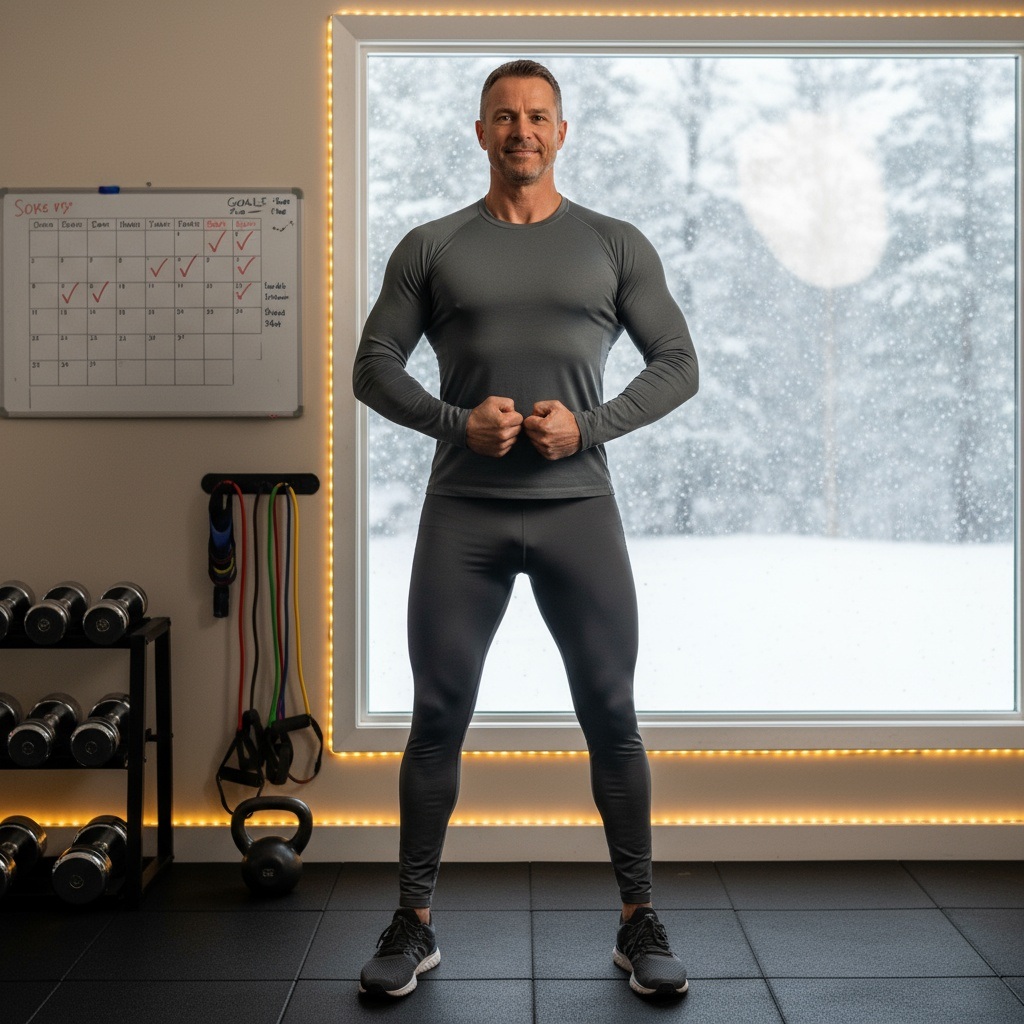
Here’s a perspective shift: while most guys let winter derail their fitness, you’re going to use it as your secret weapon. When spring arrives and everyone else is scrambling to “get in shape,” you’ll already be there. You’ll have momentum, established habits, and visible progress.
Winter fitness motivation for men over 40 isn’t about superhuman discipline—it’s about smart strategies, realistic expectations, and showing up consistently even when it’s cold and dark.
“Discipline is choosing between what you want now and what you want most.”
– Abraham Lincoln
The Triangle of Well-being teaches us that physical wellness, mental resilience, and financial independence support each other. Every winter workout builds not just your body, but your mental toughness and your identity as someone who follows through.
Take Action Today
Don’t wait for perfect conditions. Start with what you have, where you are:
- Choose ONE workout option from this article
- Schedule it for tomorrow morning (put it in your calendar)
- Prepare tonight (lay out clothes, clear space, queue up video)
- Do 10 minutes minimum
- Mark it complete and feel that win
Ready to dive deeper? Check out these related articles:
- The Over-40 Body Reset – Understanding how your body changes and how to work with it
- Mindset Mastery: Why Most Men Stay Stuck – Breaking through mental barriers
- The Triangle of Well-being – How physical, mental, and financial health connect
Winter doesn’t have to win. You’ve got this.
Disclosure
This article contains affiliate links. If you choose to make a purchase through these links, we may earn a commission at no additional cost to you.
Important Note: The information in this post is meant to educate and inform, not to replace professional medical advice. While we’ve spent years studying health and wellness, we’re not licensed healthcare providers. Everyone’s body and circumstances are different, so what works for one person might not work for another. Always check with your doctor before starting any new exercise program or making significant lifestyle changes, especially if you have pre-existing conditions. By reading and using this information, you’re taking responsibility for your own health decisions.