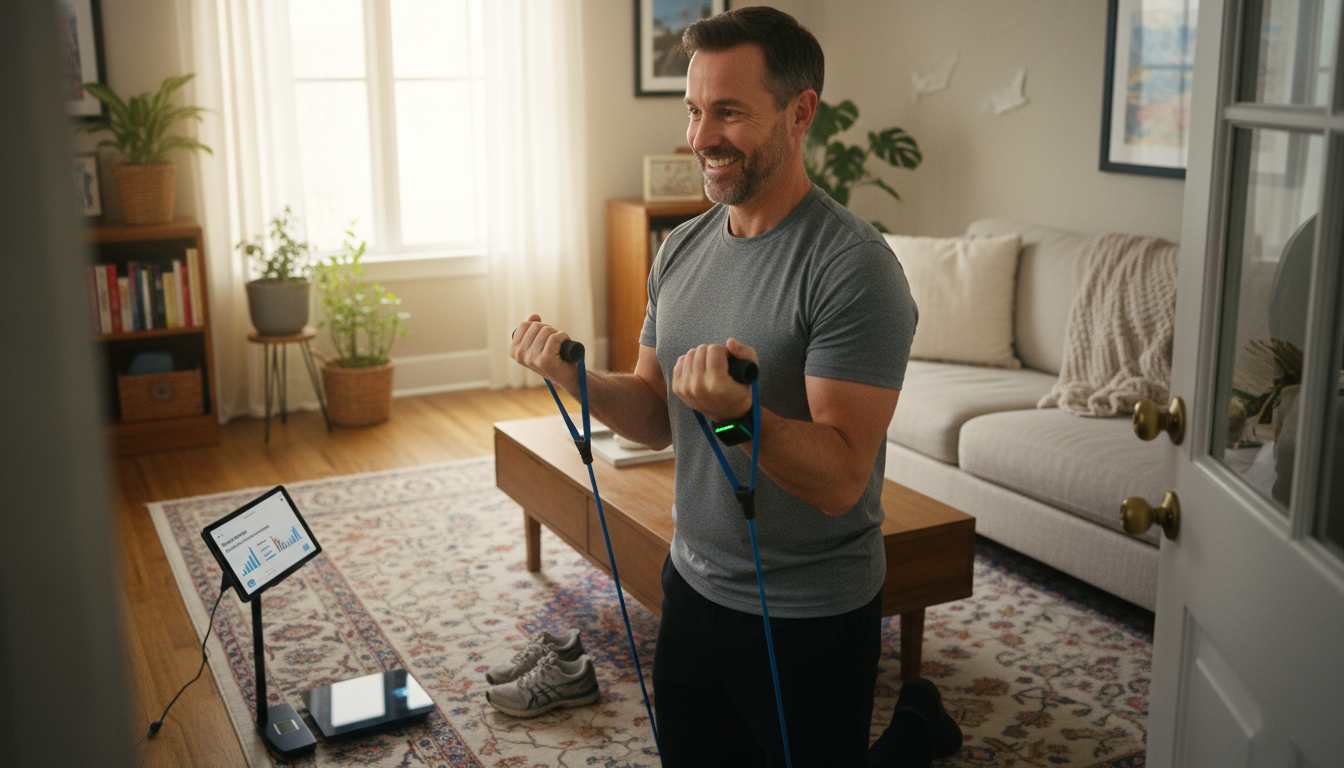
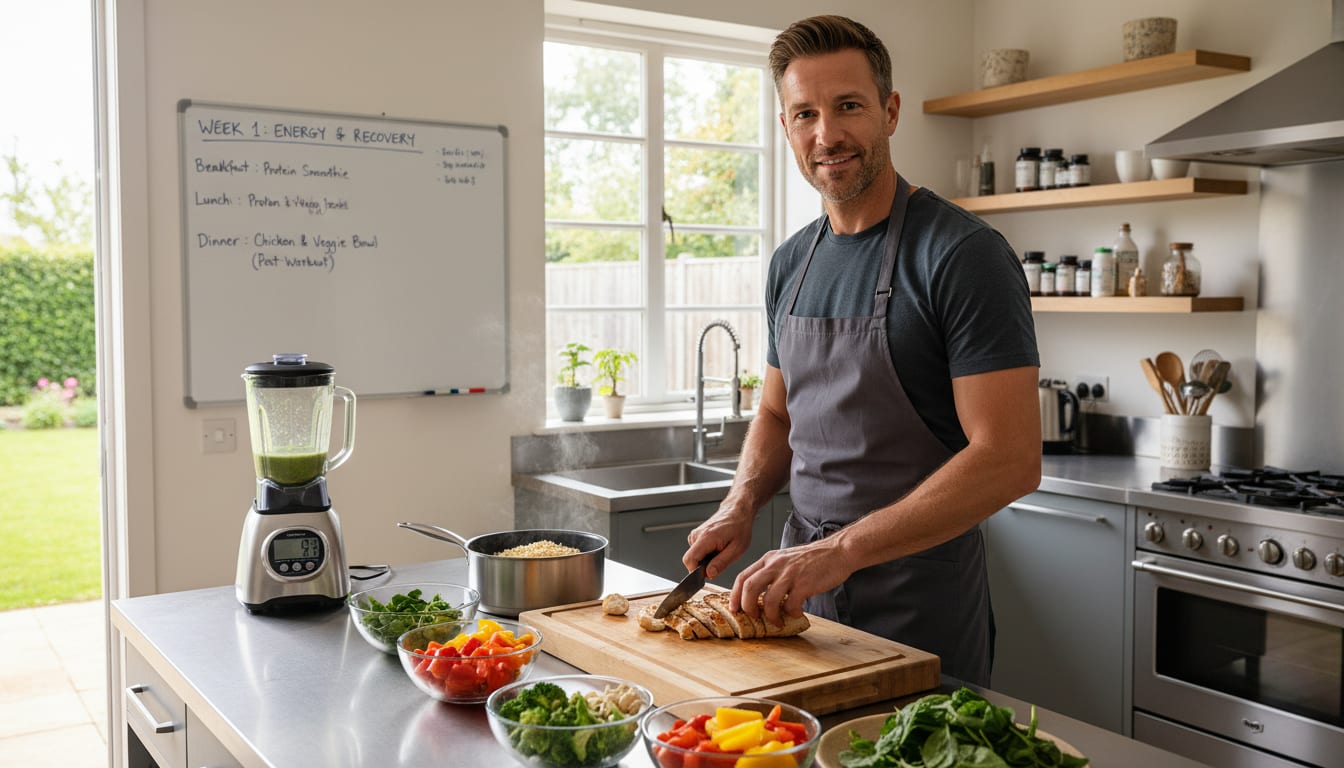
Top 5 Diet Trends for Busy Professionals in 2026: Simple, Affordable, and Effective
Let’s be real—between work, family, and the never-ending to-do list, who actually has time for complicated diets? If you’re like most busy professionals, especially men over 40, eating healthy often feels like one more thing you just can’t fit in. Maybe you’ve tried a few “diet trends” before and found them confusing, expensive, or just plain unrealistic.
“You don’t have to overhaul your life to eat better—just start with a few small changes.”
Here’s the good news: eating better in 2026 doesn’t mean you have to spend hours in the kitchen or blow your budget on fancy ingredients. In this guide, we’ll break down the top 5 diet trends for busy professionals—using plain language, real-world examples, and practical tips you can actually use. Whether you’re a shift worker, a dad, or just trying to keep up with life, there’s something here for you.
Disclosure
This article contains affiliate links. If you choose to make a purchase through these links, we may earn a commission at no additional cost to you.
Why Diet Trends Matter for Busy Men

The truth is, most of us aren’t aiming for “perfect”—we just want to feel better, have more energy, and maybe lose a few pounds without turning our lives upside down. That’s why you’ll find simple strategies, affordable options, and small, realistic steps throughout this post. If you’ve ever felt overwhelmed by nutrition advice or felt like healthy eating was out of reach, you’re in the right place.
- The latest diet trends for men’s health
- Pros and cons (no sugar-coating)
- Easy meal prep ideas
- Affordable options for every income level
- Simple micro-actions to get started
And throughout, you’ll find links to our cornerstone guides like The Over-40 Body Reset and The Triangle of Well-being, plus some Amazon finds to make healthy eating even easier.
Diet Trend #1: The 20-Minute Meal Plan (Intermittent Fasting, Simplified)
What it is: Instead of eating all day, you pick a “window” of 8–10 hours for meals. For example, breakfast at 9am, dinner by 7pm, then nothing but water or black coffee after.
Why it works for busy professionals:
- Less time spent thinking about food
- Fewer meals to prep (less stress!)
- Can save money by skipping snacks
Pros:
- Easy to fit into a work schedule
- Supports weight management for men over 40
- No special foods or supplements needed
Cons:
- Can be tough if you work night shifts
- May feel hungry at first
Real-Life Example: Mike, a warehouse supervisor, preps his lunches on Sunday. He spends 30 minutes making chicken, rice, and veggies—enough for three days. He uses these meal prep containers and keeps it simple.
Micro-action: Try prepping just two lunches this week. Use leftovers or whatever’s in your fridge. Set a timer for 20 minutes, and see what you can whip up.
For more tips, check out our Meal Prep Made Simple: Healthy Eating for Beginners guide.

Diet Trend #2: Plant-Powered on a Budget
What it is: Eating more plants—think beans, lentils, veggies, and whole grains. You don’t have to go full vegetarian; just add more plant foods to your meals.
Why it works for busy, budget-conscious men:
- Beans and lentils are super affordable
- Less meat = lower grocery bills
- Great for heart health and energy
Pros:
- Saves money
- Easy to batch-cook
- Supports long-term men’s health
Cons:
- Takes a little planning at first
- Some folks worry about getting enough protein (tip: beans, tofu, and whole grains have plenty!)
Real-Life Example: James, a busy dad, makes a big pot of chili every Sunday with canned beans and frozen veggies. He uses a slow cooker (Amazon affiliate link) to save time.
Micro-action: Swap one meat-based meal for a plant-based option this week. Try a bean burrito or veggie stir-fry.
Want more budget-friendly ideas? Read Nutrition Basics: Eating for Energy and Health.

Diet Trend #3: Low-Carb, Real-World Edition
What it is: This trend focuses on eating fewer foods with lots of sugar or starch—like bread, pasta, and sweets. Instead, you fill up on protein (like chicken, eggs, or fish), healthy fats (like olive oil or avocado), and plenty of veggies. You don’t have to go “no carb”—just cut back a bit.
Why it works for busy professionals:
- Helps keep energy steady throughout the day
- Can make weight loss easier for men over 40
- Simple swaps—like switching white bread for whole grain or cauliflower rice
Pros:
- Quick results for many people
- Flexible—easy to adjust for your lifestyle and budget
- Lots of meal options (grilled meats, eggs, salads, stir-fries)
Cons:
- Can feel restrictive if you love bread and pasta
- Some “low-carb” products are pricey—stick to basics like eggs and frozen veggies
Real-Life Example: Brian, a shift worker, keeps a hard-boiled egg maker at home for grab-and-go protein. He swaps chips for roasted chickpeas and uses olive oil spray to cook veggies quickly.
Micro-action: Swap one high-carb snack (like crackers) for a handful of nuts or a boiled egg this week.
For sustainable approaches, check out The Over-40 Body Reset and Nutrition After 40.

Diet Trend #4: Mediterranean Made Easy
What it is: The Mediterranean diet is inspired by the eating habits of countries like Greece and Italy. It’s all about whole foods—lots of veggies, fruits, beans, fish, olive oil, and a little bit of dairy and whole grains. It’s not a “diet” so much as a way of eating for life.
Why it works for busy, diverse professionals:
- Flexible—use what you have (canned fish, frozen veggies, whole grain bread)
- Good for heart health and energy
- Fits any budget—no fancy foods required
Pros:
- Great for long-term men’s health
- Easy to adapt for families
- Plenty of variety—never boring
Cons:
- May take a little time to get used to new flavors
- Some imported products can be expensive—stick to basics
Real-Life Example: Sam, a retiree, keeps his pantry stocked with canned salmon and whole grain bread. He makes quick lunches with a drizzle of olive oil and a side of fruit.
Micro-action: Add one Mediterranean-style meal this week—try a tuna salad with beans and olive oil, or a veggie omelet with whole grain toast.
For more on holistic wellness, visit The Triangle of Well-being and Joint Health 101: Protecting Your Body as You Build Strength.

Diet Trend #5: Meal Kits & Smart Shortcuts
What it is: Meal kits and smart shortcuts are all about convenience. You can order a box with pre-portioned ingredients and easy recipes, or use ready-made healthy options from the store. No need to plan or shop for every single meal.
Why it works for busy professionals:
- Saves time on shopping and meal planning
- Reduces food waste
- Great for those who want to try new foods without the hassle
Pros:
- Super convenient
- Can help you learn new recipes and cooking skills
- Portion control built in
Cons:
- Can be more expensive than cooking from scratch
- Some meal kits may not fit all dietary needs
- Not all options are equally healthy
Real-Life Example: Kevin, a busy professional, uses healthy frozen meals for quick lunches at work. He also keeps a salad spinner handy to make fresh salads in minutes.
Micro-action: Try one smart shortcut this week. Try a pre-made salad kit, a healthy frozen meal, or a meal kit delivery for one dinner.
Check out our Evening Movement Routine for ways to pair quick meals with post-work relaxation.

FAQ: Diet Trends for Busy Professionals in 2026
Related Articles


Final Thoughts

Healthy eating for men over 40 doesn’t have to be complicated, expensive, or time-consuming. Try one micro-action this week, and let us know how it goes. For more support, check out our cornerstone guides and connect with the community in the comments!
“Progress, not perfection”—one meal at a time.
Remember, every positive change—no matter how small—adds up over time. Whether you’re swapping one snack, trying a new recipe, or just being a bit more mindful at mealtime, you’re moving forward. Your journey is unique, and there’s no one-size-fits-all approach. Celebrate your wins, learn from the setbacks, and keep showing up for yourself. We’re here to support you every step of the way!
Disclosure
This article contains affiliate links. If you choose to make a purchase through these links, we may earn a commission at no additional cost to you.
Important Note: The information in this post is meant to educate and inform, not to replace professional medical advice. While we’ve spent years studying health and wellness, we’re not licensed healthcare providers. Everyone’s body and circumstances are different, so what works for one person might not work for another. Always check with your doctor before starting any new exercise program or making significant lifestyle changes, especially if you have pre-existing conditions. By reading and using this information, you’re taking responsibility for your own health decisions.