Vitamin D Deficiency in Men Over 40: Winter Wellness Essential
Winter hits differently when you're over 40. That bone-deep fatigue, the brain fog that won't lift, the nagging muscle aches—you might blame it on age or stress. But there's a good chance you're dealing with vitamin D deficiency, and winter makes it worse for men in their 40s and 50s.
Here's the reality: about 42% of American adults are vitamin D deficient, and that number jumps even higher during winter months. For men over 40, low vitamin D levels aren't just about feeling tired—they affect testosterone, bone strength, immune function, and even your mood.
The good news? This is one health issue you can tackle head-on with simple, affordable strategies. Let's break down everything you need to know about winter vitamin D needs, testing, and supplementation—in plain English.
Disclosure
This article contains affiliate links. If you choose to make a purchase through these links, we may earn a commission at no additional cost to you.
Why Vitamin D Deficiency Hits Men Over 40 Harder in Winter
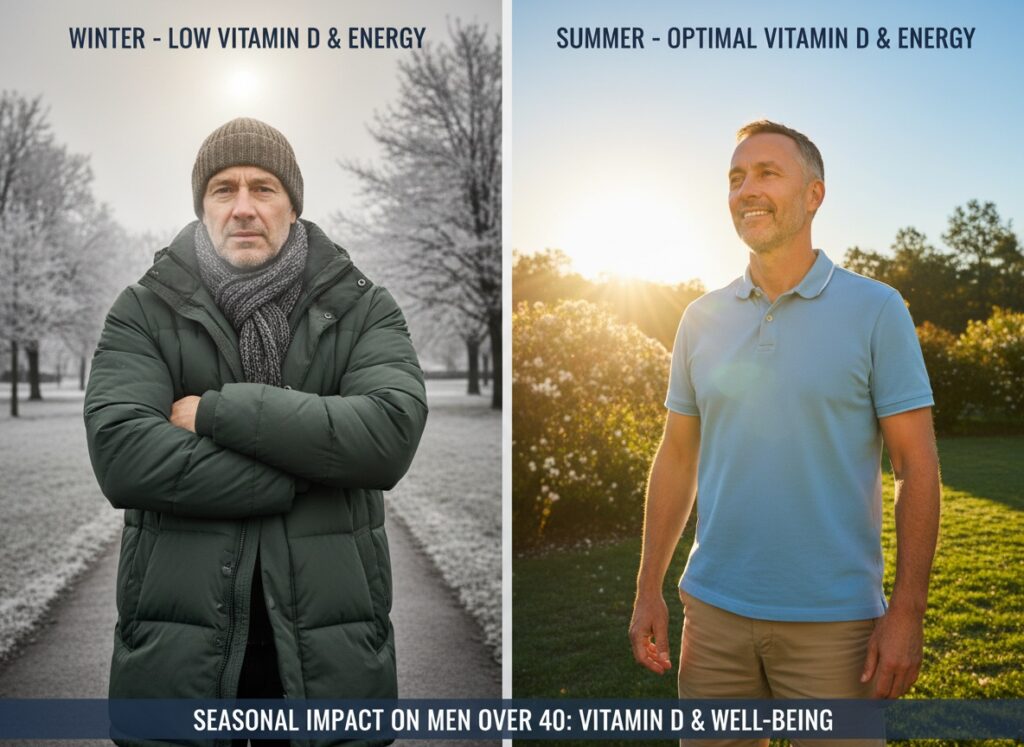
Think of vitamin D as your body's multi-tool. It's not just one vitamin—it's actually a hormone that affects nearly every system in your body. Your bones need it to absorb calcium. Your immune system needs it to fight off winter colds. Your muscles need it for strength. Even your testosterone production relies on adequate vitamin D levels.
Here's why winter is brutal for vitamin D:
- Less sunlight exposure: Your body makes vitamin D when sunlight hits your skin. In winter, the sun's angle is too low, and you're bundled up anyway.
- Indoor lifestyle: Shorter days mean less time outside, even on sunny days.
- Age factor: After 40, your skin produces 50% less vitamin D from sunlight compared to your 20s.
- Metabolism changes: Your body's ability to convert and use vitamin D decreases with age.
For men over 40, this creates a perfect storm. You're already dealing with natural testosterone decline, slower metabolism, and increased health risks. Add vitamin D deficiency to the mix, and you're fighting an uphill battle.
As we discuss in The Triangle of Well-being, your physical wellness, mental resilience, and even financial independence are interconnected. When your energy crashes from low vitamin D, everything else suffers—your workouts, your focus, your earning potential.
Common Signs of Low Vitamin D You Shouldn't Ignore
Vitamin D deficiency symptoms in men can be sneaky because they mimic other issues. Here's what to watch for:
Physical Symptoms
- Constant fatigue: Not just tired—exhausted even after a full night's sleep
- Muscle weakness: Struggling with workouts that used to be easy
- Bone and joint pain: Especially lower back pain and general achiness
- Getting sick frequently: Catching every cold that goes around
- Slow wound healing: Cuts and bruises taking forever to heal
- Hair loss: Thinning hair can be linked to severe deficiency
Mental Health Signs
- Winter blues or seasonal affective disorder: That heavy, depressed feeling from November through March
- Brain fog: Difficulty concentrating or remembering things
- Irritability: Shorter fuse than usual
- Low motivation: Can't get excited about anything
If you're nodding along to three or more of these, it's time to check your vitamin D levels. This isn't about toughing it out—it's about addressing a real deficiency that's holding you back.
Check out The Over-40 Body Reset for more on recognizing and addressing physical changes after 40.
How to Test Your Vitamin D Levels
Testing is simple and doesn't require a medical degree to understand. You're looking for your serum levels—that's just the amount of vitamin D in your blood, like checking your gas tank.
At-Home Testing Kits ($30-50)
The easiest option for most guys. You prick your finger, put a drop of blood on a card, mail it in, and get results in a few days.
Recommended options:
- Everlywell Vitamin D Test – Simple finger prick, results in 5 days, shows exactly where you stand
- LetsGetChecked Vitamin D Test – Includes nurse consultation to explain results
Budget-friendly alternative: Ask your doctor at your next physical. Many insurance plans cover vitamin D testing, especially if you have symptoms.
What Your Numbers Mean (Simplified)
- Below 20 ng/mL: Deficient (you're running on empty)
- 20-30 ng/mL: Insufficient (low but not completely out)
- 30-50 ng/mL: Adequate (the sweet spot for most men)
- Above 50 ng/mL: Sufficient (optimal for active men over 40)
Don't stress over the "ng/mL" part—that's just the measurement unit, like miles per hour. What matters is getting into that 30-50 range.

Everlywell Vitamin D + Inflammation Test - at-Home Collection Kit
Best Vitamin D Supplements for Men Over 40
Once you know your levels, it's time to supplement. Winter in most of the US means you simply can't get enough vitamin D from sunlight alone.
D3 vs. D2: What's the Difference?
Vitamin D3 comes from animal sources and sunlight—your body absorbs and uses it more efficiently. Think of it as premium fuel.
Vitamin D2 comes from plants and isn't absorbed as well. It works, but you need more of it.
Bottom line: Choose D3 supplements for better results.
Recommended Dosages
- Maintenance (if your levels are adequate): 1,000-2,000 IU daily
- Building levels (if you're deficient): 4,000-5,000 IU daily for 8-12 weeks, then retest
- Severe deficiency: Your doctor may prescribe 50,000 IU weekly
IU stands for International Units—it's just how we measure vitamin amounts, like measuring distance in miles. Most men over 40 need at least 2,000 IU daily in winter.
Budget-Friendly Options (Under $15)
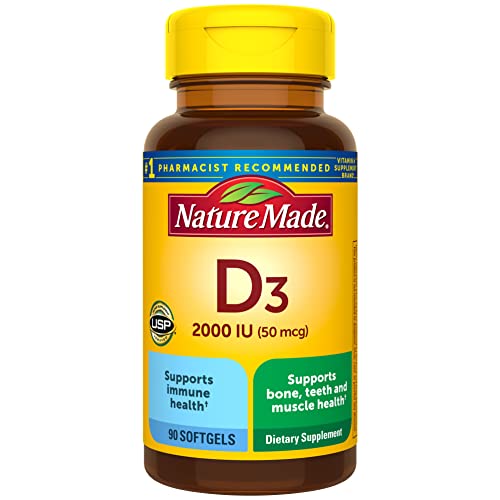
About $8 for 220 softgels (7-month supply), USP verified
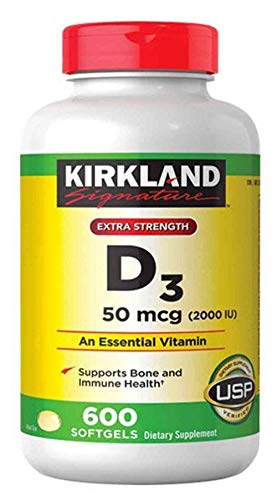
About $13 for 600 tablets (20-month supply), incredible value
Mid-Range Quality Options ($15-40)
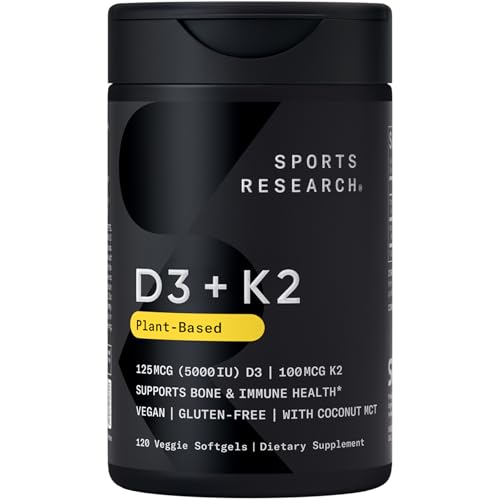
Includes K2 for better calcium absorption, coconut oil base
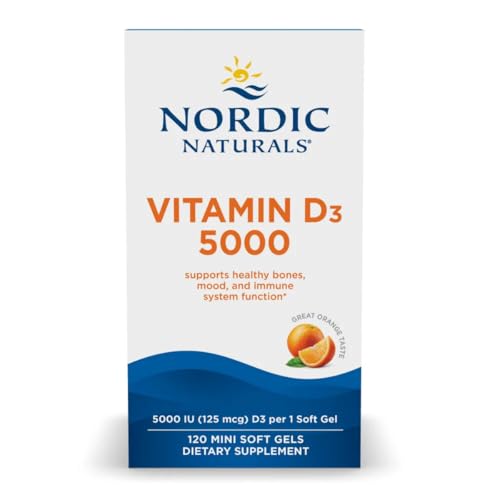
Extra virgin olive oil base, great for higher-dose needs
Premium Options (For Serious Results)

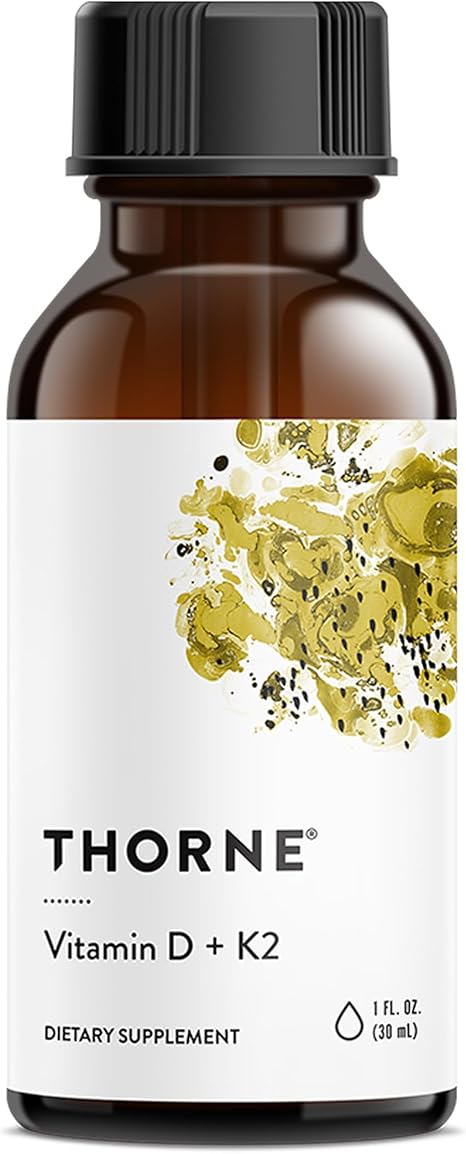
Easy-to-adjust dosing, pharmaceutical grade
Pro tip: Take vitamin D with a meal that contains fat (eggs, avocado, nuts). It's fat-soluble, meaning your body absorbs it better with dietary fat.
Natural Ways to Boost Vitamin D in Winter
Supplements are your primary tool in winter, but you can support your levels naturally:
Get Strategic Sunlight
- Midday exposure: 10-15 minutes of sun on your face and arms, 2-3 times per week
- Best time: 10 AM - 2 PM when UVB rays are strongest
- Reality check: In northern states (above 37° latitude), you can't make vitamin D from sunlight November through February
Eat Vitamin D-Rich Foods
- Fatty fish: Salmon, mackerel, sardines (3 oz of salmon = 450 IU)
- Egg yolks: One egg = 40 IU (not much, but it adds up)
- Fortified foods: Milk, orange juice, cereals (check labels)
- Cod liver oil: One tablespoon = 1,360 IU plus omega-3s
Budget option: Canned salmon or sardines ($2-4 per can) give you vitamin D, protein, and omega-3s.
Wild Planet Wild Sardines – $25 for 6-pack, sustainable, packed with D and omega-3s
Consider Light Therapy
For guys dealing with seasonal affective disorder along with low vitamin D, a light therapy lamp can help with mood (though it won't increase vitamin D levels).
Verilux HappyLight – $40, 10,000 lux, helps with winter blues


Creating Your Winter Vitamin D Action Plan
Here's your simple, actionable plan based on your situation:
If You've Never Tested (Start Here)
- Order an at-home test kit or schedule blood work
- Start taking 2,000 IU of D3 daily while waiting for results
- Take it with breakfast or lunch (with some fat)
- Retest in 8-12 weeks
If You're Deficient (Below 20 ng/mL)
- Take 4,000-5,000 IU daily for 8-12 weeks
- Eat fatty fish 2-3 times per week
- Get outside during lunch breaks when possible
- Retest after 12 weeks to confirm improvement
- Drop to maintenance dose (2,000 IU) once levels normalize
If You're In the Sweet Spot (30-50 ng/mL)
- Maintain with 1,000-2,000 IU daily through winter
- Test once per year (late winter) to confirm levels
- Focus on vitamin D-rich foods as backup
- Increase to 2,000 IU on weeks you're indoors more
Year-Round Wellness Integration
Vitamin D is just one piece of your health puzzle. As we cover in The Over-40 Body Reset, sustainable wellness comes from addressing physical, mental, and financial health together.
Connect it to your other goals:
- Physical: Better vitamin D = better workouts and recovery
- Mental: Stable mood and energy = better decision-making
- Financial: Fewer sick days and medical bills = more earning potential
This is the interconnected approach we discuss in Creating Your Personal Success Ecosystem—small health wins compound into major life improvements.
The Bottom Line

Vitamin D deficiency in men over 40 isn't something to ignore, especially in winter. Low levels drain your energy, weaken your immune system, hurt your testosterone, and make everything harder.
The fix is straightforward:
- Test your levels (at-home kit or doctor visit)
- Supplement with D3 (2,000-5,000 IU daily based on your levels)
- Eat vitamin D-rich foods (fatty fish, eggs, fortified foods)
- Get strategic sunlight when possible
- Retest in 12 weeks to confirm improvement
This isn't complicated or expensive. A quality vitamin D3 supplement costs less than $15 for a six-month supply. Testing runs $30-50 at home or is often covered by insurance. The return on investment? More energy, better mood, stronger immunity, and the physical foundation to tackle everything else in your life.
Winter doesn't have to mean feeling like garbage. Take control of your vitamin D levels, and you'll be amazed at the difference.
Ready to optimize your winter wellness? Start with testing your vitamin D levels today, grab a quality D3 supplement, and commit to 12 weeks of consistency. Your body—and your energy levels—will thank you.
For more strategies on building sustainable health habits after 40, check out Mindset Mastery: Why Most Men Stay Stuck and learn how small daily actions create massive long-term results.
Disclosure
This article contains affiliate links. If you choose to make a purchase through these links, we may earn a commission at no additional cost to you.
Important Note: The information in this post is meant to educate and inform, not to replace professional medical advice. While we’ve spent years studying health and wellness, we’re not licensed healthcare providers. Everyone’s body and circumstances are different, so what works for one person might not work for another. Always check with your doctor before starting any new exercise program or making significant lifestyle changes, especially if you have pre-existing conditions. By reading and using this information, you’re taking responsibility for your own health decisions.