Sleep Better Tonight: The Foundation of Health
If you’re reading this at 2 AM, staring at the ceiling wondering why you can’t sleep like you used to, you’re not alone. Poor sleep isn’t just frustrating—it’s sabotaging your health, your focus, and your ability to show up as your best self. The good news? You can improve sleep quality naturally starting tonight, without expensive gadgets or complicated routines.
“Sleep is the golden chain that ties health and our bodies together.”
– Thomas Dekker
Sleep is the foundation that supports everything else in your life. When you sleep better, you think clearer, move stronger, and make smarter decisions with your money and your future. Let’s fix this together.
Disclosure
This article contains affiliate links. If you choose to make a purchase through these links, we may earn a commission at no additional cost to you.
Why Sleep Matters More Than You Think

Sleep isn’t just “rest time”—it’s when your body and brain do their most important work. While you’re sleeping, your body repairs muscles, strengthens your immune system, and processes everything you learned during the day. Your brain clears out mental clutter and recharges for tomorrow’s challenges.
For men over 40, quality sleep tips become even more critical. Your body doesn’t bounce back like it did in your twenties.
Poor sleep compounds quickly, affecting:
- Physical wellness: Weight gain, slower muscle recovery, increased injury risk, weakened immune system
- Mental resilience: Brain fog, poor decision-making, increased stress and anxiety, emotional reactivity
- Financial independence: Reduced productivity, missed opportunities, impulsive spending decisions
This is what we call The Triangle of Well-being—and sleep sits right at the center, supporting all three pillars.
What’s Stealing Your Sleep?
Before we talk about how to sleep better tonight, let’s identify what’s working against you. Most sleep problems for men in their 40s and 50s come from a few common culprits:
1. Your Body’s Internal Clock Is Off
Your circadian rhythm—that’s your body’s natural sleep-wake clock—gets disrupted by irregular schedules, late-night screen time, and inconsistent bedtimes. Think of it like a factory shift schedule: when the timing is off, nothing runs smoothly.
2. Stress and Mental Overload
Your mind won’t shut off because you’re carrying the weight of work deadlines, family responsibilities, and financial worries into bed with you. This constant mental noise blocks the natural sleep process.
3. Poor Sleep Environment
Your bedroom might be working against you—too bright, too warm, too noisy, or filled with distractions like your phone, TV, or work laptop.
4. Lifestyle Habits
Late caffeine, alcohol before bed, heavy evening meals, and lack of physical activity all interfere with natural sleep solutions your body is trying to trigger.
5. Sleep Debt
Sleep debt is the accumulated hours of missed sleep that pile up over weeks and months. Just like financial debt, it compounds and becomes harder to recover from the longer you ignore it.
Simple, Natural Ways to Improve Sleep Quality Tonight
Here’s the truth: you don’t need a $3,000 smart mattress or a sleep clinic to start sleeping better. Most effective sleep improvements are free or cost very little. Let’s start with what works.
Create a Consistent Sleep Schedule
This is the most powerful sleep tip for better health you’ll ever get—and it’s completely free. Go to bed and wake up at the same time every day, even on weekends. Your body craves consistency.
Why it works: A regular schedule trains your circadian rhythm, making it easier to fall asleep and wake up naturally. Within two weeks, you’ll notice a difference.
Action step: Set a bedtime alarm 30 minutes before you want to be asleep. Use that time to wind down.
Build a Bedtime Routine
Your brain needs a signal that it’s time to sleep. A simple bedtime routine creates that signal. This is your sleep hygiene—the healthy habits that prepare your body and mind for rest.
Free bedtime routine ideas:
- Dim the lights 60 minutes before bed
- Do 5-10 minutes of light stretching
- Practice deep breathing exercises
- Write down tomorrow’s top 3 priorities to clear your mind
- Read a physical book (not on a screen)

Optimize Your Sleep Environment
Your bedroom should be a sleep sanctuary—cool, dark, and quiet. Small changes here deliver big results for better sleep for men over 40.
Free adjustments:
- Keep your bedroom between 60-67°F (your body sleeps better when it’s cool)
- Remove your phone from the bedroom or put it across the room
- Open a window for fresh air circulation
- Use a fan for white noise
Budget-friendly upgrades:
- Blackout curtains from discount stores block disruptive light
- A white noise machine like the Yogasleep Dohm Classic masks environmental noise
- Blue light blocking glasses filter screen light if you must use devices in the evening
Watch What You Consume
What you put in your body directly affects how well you sleep. This is especially true as you get older.
Caffeine cutoff: Stop caffeine intake by 2 PM. Caffeine stays in your system for 6-8 hours, blocking the natural sleep signals your brain sends.
Alcohol truth: That nightcap might help you fall asleep, but it destroys your REM sleep—the deep, restorative sleep phase where your brain recharges. You’ll wake up feeling unrested.
Evening meals: Eat dinner 3-4 hours before bed. Heavy meals force your body to focus on digestion instead of sleep preparation.

Move Your Body During the Day
Physical activity is one of the most effective natural ways to fall asleep faster. Exercise reduces stress hormones, tires your body in a healthy way, and regulates your internal clock.
The catch: Timing matters. Intense exercise within 3 hours of bedtime can actually keep you awake. Morning or afternoon workouts are ideal for sleep.
For beginners: Start with 20-30 minutes of walking daily. Check out The Over-40 Body Reset for safe, sustainable exercise strategies that support better sleep and overall wellness.
Manage Stress and Mental Clutter
Your racing mind is one of the biggest barriers to improving sleep quality naturally. You can’t force your brain to shut off, but you can give it better things to focus on.
Free techniques:
- 4-7-8 breathing: Breathe in for 4 counts, hold for 7, exhale for 8. Repeat 4 times. This activates your body’s relaxation response.
- Progressive muscle relaxation: Tense and release each muscle group from toes to head
- Brain dump: Write down everything on your mind 30 minutes before bed
Mental resilience and sleep quality are deeply connected. When you strengthen one, you strengthen the other. Learn more in Mindset Mastery: Why Most Men Stay Stuck.

What About Sleep Supplements?
Supplements can help, but they’re not magic pills. Use them as tools alongside the habits we’ve discussed, not as replacements.
Important: Always consult your doctor before adding supplements, especially if you take medications or have health conditions.
What it does: Relaxes muscles, calms the nervous system, supports deep sleep production.
Why glycinate? It's the most absorbable form and won't give you digestive issues like magnesium oxide.
Dosage: 200-400mg, 30-60 minutes before bed.
Who needs it: If you get muscle cramps, restless legs, or feel "wired but tired" at night, you're probably magnesium deficient (60% of Americans are).

What it does: Signals your brain "it's time to sleep." It's not a sedative—it's a timing cue for your circadian rhythm.
The mistake everyone makes: Taking too much. Most supplements contain 5-10mg. Research shows 0.5-3mg is optimal. Higher doses don't work better and can leave you groggy.
Dosage: Start with 0.5-1mg, 30-60 minutes before bed.
Who needs it: Shift workers, frequent travelers, or if your sleep schedule is all over the place.

What it does: Reduces cortisol (your stress hormone) by up to 30%. If your mind races at night, this helps.
Dosage: 300-500mg of KSM-66 extract, taken with dinner or before bed.
Recommendation: KSM-66 Ashwagandha by Nootropics Depot —clinically studied dose, third-party tested.
Who needs it: High-stress jobs, chronic worriers, or if you wake up at 3 AM with your brain spinning.

What it does: Promotes relaxation without sedation. Found naturally in green tea. Pairs well with magnesium.
Dosage: 200-400mg before bed.
Sleep Solutions for Every Budget
Better sleep doesn’t require wealth—it requires commitment. Here’s how to improve sleep quality without medication at any income level.
Free Solutions (Start Here)
- Consistent sleep schedule
- Bedroom darkness and coolness
- Evening wind-down routine
- Caffeine cutoff by 2 PM
- Daily physical activity
- Breathing exercises
- Brain dump journaling
Under $50
- Blackout curtains
- Blue light blocking glasses
- White noise machine or app
- Basic magnesium supplement
- Sleep journal
$50-$150
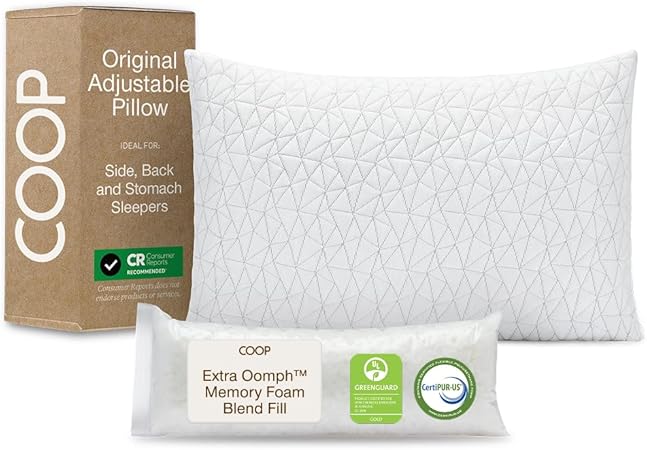
- Quality pillow (Coop Home Goods)
- Weighted blanket for anxiety relief
- Premium sleep supplements
- Comfortable, breathable bedding
- “Why We Sleep” book
$150+
- Sleep tracking device (Fitbit, Oura Ring)
- Ergonomic mattress upgrade
- Smart home sleep system (temperature control, lighting)
The truth? Most men see dramatic improvements with just the free strategies. Start there, then add tools as needed.
The 7-Day Sleep Reset Challenge
Ready to take action? Here’s your simple sleep routine for men in their 40s to implement this week:
Day 1-2: Set your consistent sleep and wake times. Stick to them no matter what.
Day 3-4: Create your 30-minute bedtime routine. Dim lights, stretch, breathe, journal.
Day 5-6: Optimize your sleep environment. Make it dark, cool, and quiet.
Day 7: Implement the caffeine cutoff and evaluate your progress. How do you feel?
Track your sleep quality, energy levels, and mood each morning. You’ll notice patterns and improvements faster than you think.
Sleep Is Your Competitive Advantage
Here’s what nobody tells you: better sleep for men over 40 isn’t just about feeling rested. It’s about reclaiming your edge.
When you sleep well, you:
- Make better financial decisions (no more impulse purchases or risky moves)
- Show up stronger in your workouts and daily activities
- Handle stress without losing your cool
- Think clearly and solve problems faster
- Build the energy and focus needed to create the life you want
This connects directly to your financial independence goals. Better sleep means better work performance, sharper business decisions, and the mental clarity to spot opportunities others miss. Learn more in The Mid-Life Wealth Building Blueprint.
Final Thoughts: Start Tonight

You don’t need to overhaul your entire life to sleep better tonight. Pick one strategy from this article—just one—and implement it today. Tomorrow, add another. Small, consistent changes create massive results over time.
This is The Power of Progressive Mindset in action: sustainable improvement through manageable steps.
“The best bridge between despair and hope is a good night’s sleep.”
– E. Joseph Cossman
Sleep is the foundation of everything else you’re trying to build—your health, your mental strength, your financial future. You can’t build a strong life on a weak foundation. Fix your sleep, and everything else gets easier.
Your action step: Tonight, set your bedtime alarm for 30 minutes before you want to be asleep. Use that time to wind down—no screens, just breathing, stretching, or reading. That’s it. That’s where transformation starts.
You’ve got this. It’s not too late. Better sleep, better health, better life—starting tonight.
Disclosure
This article contains affiliate links. If you choose to make a purchase through these links, we may earn a commission at no additional cost to you.
Important Note: The information in this post is meant to educate and inform, not to replace professional mental health care or psychological advice. While we’ve spent years studying mental resilience and personal development, we’re not licensed mental health professionals or therapists. Everyone’s life circumstances and mental health journey are unique, so what works for one person might not work for another. If you’re experiencing serious mental health challenges, please reach out to a qualified mental health professional. Some of the strategies discussed may not be suitable for everyone, and it’s important to assess your own situation carefully. By reading and using this information, you’re taking responsibility for your own decisions. Remember, seeking help is a sign of strength, not weakness. Stay resilient!