Sleep Optimization for Men Over 40: The Foundation of Everything
If you’ve noticed that sleep isn’t as easy as it used to be, you’re not alone. Sleep optimization for men over 40 isn’t just about feeling rested—it’s about protecting your testosterone levels, maintaining muscle, sharpening your mind, and giving yourself the energy to pursue the life you want.
“Sleep is the golden chain that ties health and our bodies together.”
– Thomas Dekker
Here’s the reality: after 40, your body produces less melatonin (the natural “sleep hormone” that signals bedtime), your sleep cycles become lighter, and you wake up more frequently. Poor sleep doesn’t just make you tired—it directly impacts your hormone balance, recovery time, and even your ability to make good decisions about money and health.
Disclosure
This article contains affiliate links. If you choose to make a purchase through these links, we may earn a commission at no additional cost to you.
Why Sleep Changes After 40 (And Why It Matters More Than Ever)
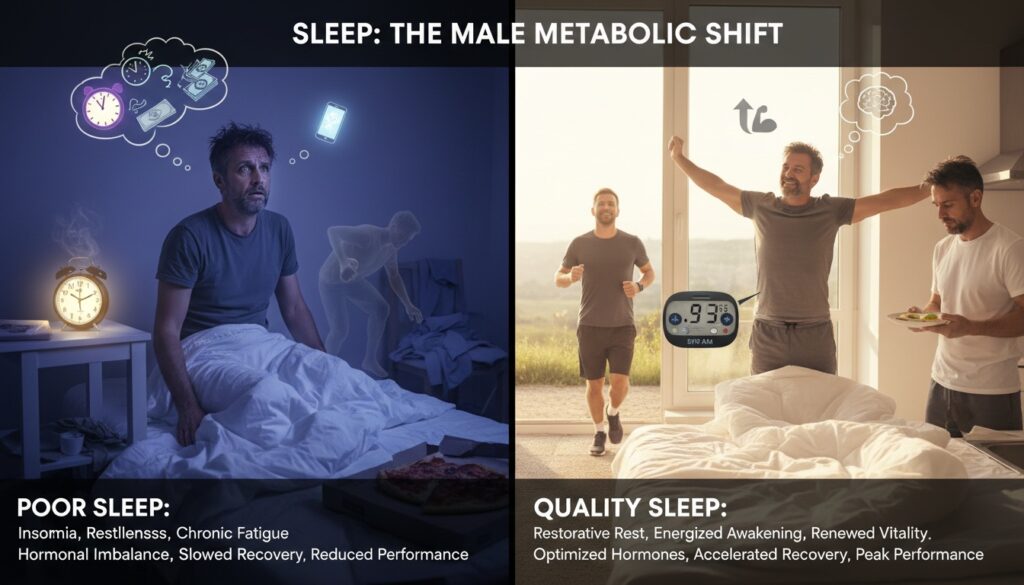
The good news? Improve sleep quality after 40 with simple, practical strategies that don’t require a medical degree or a massive budget. Whether you’re a construction worker, an office manager, or running your own business, better sleep is the foundation that makes everything else possible.
The Sleep-Hormone Connection: What’s Really Happening
Let’s break down what happens when you don’t get quality sleep:
Testosterone Takes a Hit
Testosterone—your primary male hormone that affects energy, muscle mass, mood, and sex drive—is produced mainly during deep sleep. Studies show that men who sleep less than 5 hours per night can experience up to a 15% drop in testosterone levels. That’s like aging 10-15 years overnight.
Think of it this way: if your body is a factory, testosterone is one of the most important products it makes. But the factory only runs the night shift. Cut those hours, and production plummets.
Cortisol Goes Haywire
Cortisol is your body’s “stress hormone.” It should be low at night (so you can relax and sleep) and high in the morning (to wake you up with energy). Poor sleep flips this script—cortisol stays elevated at night, making it harder to fall asleep, and stays low in the morning, making you feel groggy.
High nighttime cortisol also tells your body to store fat, especially around your midsection. So poor sleep literally makes it harder to lose weight.
Growth Hormone Production Drops
Growth hormone is released during deep sleep and helps repair muscles, burn fat, and keep your skin and tissues young. After 40, you’re already producing less of it—but poor sleep cuts production even further. This is why recovery from workouts takes longer and injuries heal slower when you’re not sleeping well.
Learn more about how recovery impacts your fitness journey in The Over-40 Body Reset.
The Real Cost of Sleep Debt
Sleep debt is like a credit card balance for rest—every hour of missed sleep adds up, and eventually, you have to pay it back. The problem? Most men over 40 are carrying weeks or even months of sleep debt without realizing it.
Here’s what sleep debt costs you:
- Physical Performance: Slower reaction times, reduced strength, longer recovery from exercise
- Mental Clarity: Poor focus, memory problems, difficulty making decisions
- Emotional Stability: Increased irritability, anxiety, and mood swings
- Metabolism: Weight gain, increased cravings for sugar and junk food
- Immune Function: Getting sick more often, slower healing
Real-World Example: John, a 47-year-old electrician, was sleeping 5-6 hours per night for years. He felt “fine” but noticed he was gaining weight, felt foggy at work, and had zero energy for his family. After prioritizing 7-8 hours of sleep for just two weeks, he lost 5 pounds without changing his diet, felt sharper on job sites, and had energy to play with his kids after work.
Related Article
Discover how sleep connects to all three pillars of wellness:

Sleep Optimization Strategies That Actually Work
Let’s get practical. Here are proven strategies for better sleep for middle-aged men, organized from free to low-cost to investment-worthy.
Free Sleep Improvements (Start Tonight)
1. Set a Consistent Sleep Schedule
Your circadian rhythm—your body’s natural 24-hour clock—thrives on consistency. Go to bed and wake up at the same time every day, even on weekends. This trains your body when to produce melatonin and when to shut it off.
Action Step: Set a phone alarm for 30 minutes before bedtime as your “wind-down” reminder.
2. Create a Dark Sleep Environment
Light tells your brain it’s daytime. Even small amounts of light from electronics, streetlights, or hallway cracks can disrupt melatonin production and prevent deep sleep.
Action Step: Cover or remove all light sources in your bedroom. Use electrical tape to cover LED lights on devices, or simply unplug them.
3. Cool Down Your Bedroom
Your body temperature needs to drop to initiate sleep. The ideal bedroom temperature is 60-67°F (15-19°C). If you’re too warm, you’ll toss and turn all night.
Action Step: Open a window, use a fan, or adjust your thermostat before bed.
4. Limit Blue Light Exposure
Blue light from phones, tablets, and TVs tricks your brain into thinking it’s daytime, suppressing melatonin production. This is especially problematic for men over 40 who already produce less melatonin.
Action Step: Stop screen time 1-2 hours before bed. If you must use devices, enable “night mode” or wear blue light blocking glasses.
5. Avoid Caffeine After 2 PM
Caffeine has a half-life of 5-6 hours, meaning half of it is still in your system 6 hours later. That afternoon coffee at 3 PM? Still affecting you at 9 PM.
Action Step: Switch to decaf or herbal tea after lunch.

Low-Cost Sleep Optimization ($20-100)
1. Invest in Blackout Curtains
If your bedroom gets light from streetlights, car headlights, or early morning sun, blackout curtains are a game-changer for restorative sleep tips.
Recommendation: Amazon Basics Faux Linen Blackout Curtains – Blackout Curtains Block 99% of light and helps regulate room temperature.

2. Upgrade Your Pillow
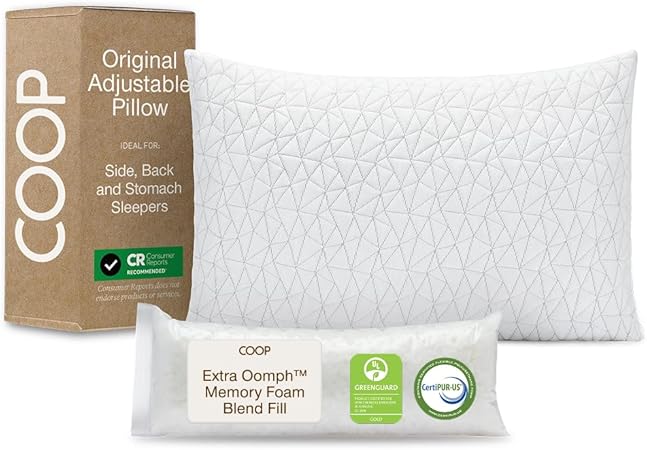
The right pillow supports your neck and spine alignment, reducing pain and improving sleep quality and health. Side sleepers need thicker pillows; back sleepers need medium support; stomach sleepers need thin pillows.
Recommendation: Memory Foam Pillow – Adjustable support for different sleeping positions.
3. Use a White Noise Machine or Fan
Consistent background noise masks disruptive sounds (traffic, neighbors, snoring partners) and helps you stay in deeper sleep stages.
Recommendation: White Noise Machine – Multiple sound options for personalized sleep environments.

4. Try Magnesium Supplementation
Magnesium is a mineral that helps relax muscles and calm the nervous system. Many men over 40 are deficient, which can contribute to sleep problems men over 40 experience.
Recommendation: Magnesium Glycinate – The most absorbable form with the least digestive side effects. Take 300-400mg 1-2 hours before bed.
Note: Always consult with your doctor before starting new supplements, especially if you take medications.


Investment-Worthy Sleep Upgrades ($100+)
1. Quality Mattress
If your mattress is over 7-10 years old, it’s likely contributing to poor sleep and back pain. A good mattress supports spinal alignment and reduces pressure points.
Budget-Friendly Option: Zinus Memory Foam Mattress ($200-400) – Excellent value for quality sleep support.
Premium Option: Tempur-Pedic or Similar ($1,000+) – Long-term investment in recovery sleep for men.

2. Sleep Tracking Device
Understanding your sleep cycles and REM sleep patterns helps you optimize your routine. You can’t improve what you don’t measure.
Recommendation: Fitbit or Oura Ring ($100-300) – Tracks sleep stages, heart rate variability, and provides actionable insights.
Budget Alternative: Many smartphones have free sleep tracking apps that use motion and sound detection.

3. Weighted Blanket
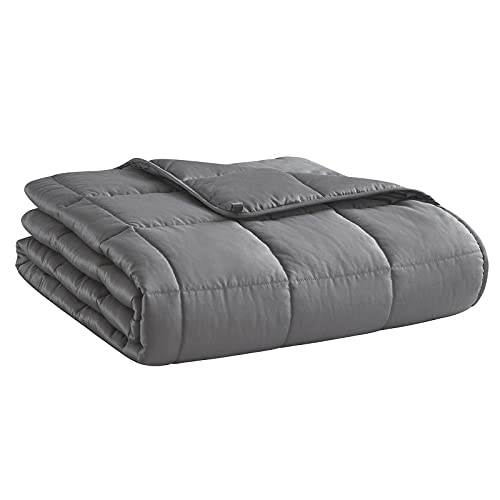
Weighted blankets provide gentle pressure that can reduce anxiety and improve sleep quality by increasing serotonin and melatonin production.
Recommendation: Weighted Blanket ($50-100) – Choose one that’s about 10% of your body weight.

Building Your Sleep Routine for Better Recovery
A consistent sleep routine for men over 40 signals your body that it’s time to wind down. Here’s a simple framework:
2 Hours Before Bed
- Finish your last meal (eating too close to bedtime disrupts sleep)
- Dim the lights in your home
- Switch to relaxing activities (reading, light stretching, conversation)
1 Hour Before Bed
- Take your magnesium supplement
- Set your bedroom temperature to 60-67°F
- Put on blue light blocking glasses if using screens
- Prepare your bedroom (blackout curtains closed, white noise on)
30 Minutes Before Bed
- Complete your sleep hygiene routine (brush teeth, wash face)
- Do 5-10 minutes of light stretching or deep breathing
- Read a physical book (not on a screen)
- Write down tomorrow’s top 3 priorities (clears your mind)
Bedtime
- Keep the same time every night
- No phones, tablets, or TV in bed
- If you can’t fall asleep within 20 minutes, get up and do a quiet activity until you feel sleepy
Discover how mental clarity from quality sleep enhances decision-making in The Power of Progressive Mindset.
The Sleep-Performance Connection
How much sleep do men over 40 need? Most research points to 7-9 hours per night, with 7.5-8 hours being the sweet spot for most men.
Here’s what proper sleep optimization delivers:
Physical Benefits
- Faster muscle recovery after workouts
- Better testosterone production
- Improved metabolism and fat burning
- Stronger immune system
- Reduced inflammation and joint pain
Mental Benefits
- Sharper focus and concentration
- Better memory and learning
- Improved emotional regulation
- Enhanced problem-solving abilities
- Reduced anxiety and stress
Financial Benefits
Yes, sleep affects your wallet! Better sleep means:
- Clearer decision-making about money
- More energy to pursue side hustles or career advancement
- Fewer sick days and medical expenses
- Better impulse control (less emotional spending)
Explore how energy and recovery fuel your financial goals in The Mid-Life Wealth Building Blueprint.
Troubleshooting Common Sleep Problems
Problem 1
“I Fall Asleep Fine But Wake Up at 3 AM”
This often indicates elevated cortisol or blood sugar issues. Try:
- Eating a small protein snack before bed (stabilizes blood sugar)
- Practicing stress management during the day
- Avoiding alcohol (disrupts sleep cycles)
- Checking with your doctor about cortisol levels
Problem 2
“I Snore Loudly or Wake Up Gasping”
This could indicate sleep apnea, a serious condition where breathing stops repeatedly during sleep. It’s more common in men over 40 and significantly impacts testosterone and heart health.
Action Step: Talk to your doctor about a sleep study. Treatment (often a CPAP machine) can be life-changing.
Problem 3
“I Can’t Fall Asleep—My Mind Won’t Shut Off”
This is common for men juggling work, family, and financial stress. Try:
- Brain dump journaling before bed (write down all your thoughts)
- Progressive muscle relaxation (tense and release each muscle group)
- The 4-7-8 breathing technique (inhale 4 counts, hold 7, exhale 8)
- Guided meditation apps (Calm, Headspace, Insight Timer)

The 30-Day Sleep Optimization Challenge
Ready to transform your sleep? Here’s your roadmap:
Week 1: Foundation
- Set consistent sleep/wake times
- Create a dark, cool bedroom
- Eliminate screens 1 hour before bed
Week 2: Environment
- Add blackout curtains
- Introduce white noise
- Upgrade your pillow if needed
Week 3: Routine
- Implement the 2-hour wind-down routine
- Start magnesium supplementation
- Begin tracking your sleep
Week 4: Optimization
- Fine-tune your routine based on tracking data
- Address remaining sleep disruptors
- Establish your long-term sleep habits
Combine this challenge with our 90-Day Summer Challenge for total life transformation.
Sleep Is Your Competitive Advantage
In a world where everyone is hustling, grinding, and sacrificing sleep for “productivity,” sleep optimization for men over 40 is your secret weapon. While others are running on fumes, you’ll have the energy, clarity, and hormone balance to actually perform at your peak.
Better sleep means:
- More effective workouts and faster recovery
- Sharper mental performance at work
- Better mood and patience with family
- Clearer financial decision-making
- Sustained energy for the things that matter
This isn’t about perfection—it’s about progress. Start with one or two strategies tonight. Track what works. Build from there.
See how sleep fits into your complete wellness ecosystem in Creating Your Personal Success Ecosystem.
Recommended Products Summary
Budget-Friendly ($15-50):
- Blue Light Blocking Glasses
- Blackout Curtains
- Magnesium Glycinate Supplement
- White Noise Machine
- Memory Foam Pillow
Investment-Worthy ($100+):
- Quality Mattress (Zinus or premium brand)
- Sleep Tracking Device (Fitbit/Oura Ring)
- Weighted Blanket
Free Resources:
- Sleep tracking apps on your smartphone
- Meditation apps (many have free versions)
- Library books on sleep optimization
Final Thoughts

Your Action Plan (Start Tonight)
- Set your sleep schedule – Choose your bedtime and wake time
- Prepare your environment – Make your bedroom dark and cool
- Order one affordable tool – Blue light glasses, magnesium, or blackout curtains
- Create your wind-down routine – Start 30 minutes before bed
- Track your progress – Use your phone or a simple journal
“The best bridge between despair and hope is a good night’s sleep.”
– Matthew Walker
Remember: every night of quality sleep is an investment in your physical wellness, mental resilience, and financial independence. You’re not just sleeping—you’re building the foundation for everything else you want to achieve.
What’s one sleep optimization strategy you’re going to implement tonight? Your future self is counting on you.
Disclosure
This article contains affiliate links. If you choose to make a purchase through these links, we may earn a commission at no additional cost to you.
Important Note: The information in this post is meant to educate and inform, not to replace professional medical advice. While we’ve spent years studying health and wellness, we’re not licensed healthcare providers. Everyone’s body and circumstances are different, so what works for one person might not work for another. Always check with your doctor before starting any new exercise program or making significant lifestyle changes, especially if you have pre-existing conditions. By reading and using this information, you’re taking responsibility for your own health decisions.