Sleep Optimization for Men Over 40: Improve Recovery & Physical Performance
If you’re a man in your 40s or 50s, you’ve probably noticed something: sleep optimization isn’t just about feeling rested anymore. Your body’s changed. The 8 hours of sleep that used to leave you refreshed now leaves you groggy. Meanwhile, younger guys seem to bounce back from anything.
“A healthy outside starts from the inside.”
– Robert Urich
Here’s what’s happening: sleep optimization for men over 40 requires a different approach because your sleep architecture (the pattern of sleep stages your body cycles through) naturally shifts after 40. You get less deep sleep, wake up more often, and your body’s internal clock gets thrown off easier.
But here’s the good news—you can fix this. Quality sleep is the foundation of physical performance, muscle recovery, and hormone balance. Without it, you’re trying to build a house on quicksand. Let’s fix that.
Disclosure
This article contains affiliate links. If you choose to make a purchase through these links, we may earn a commission at no additional cost to you.
Understanding Sleep Changes After 40
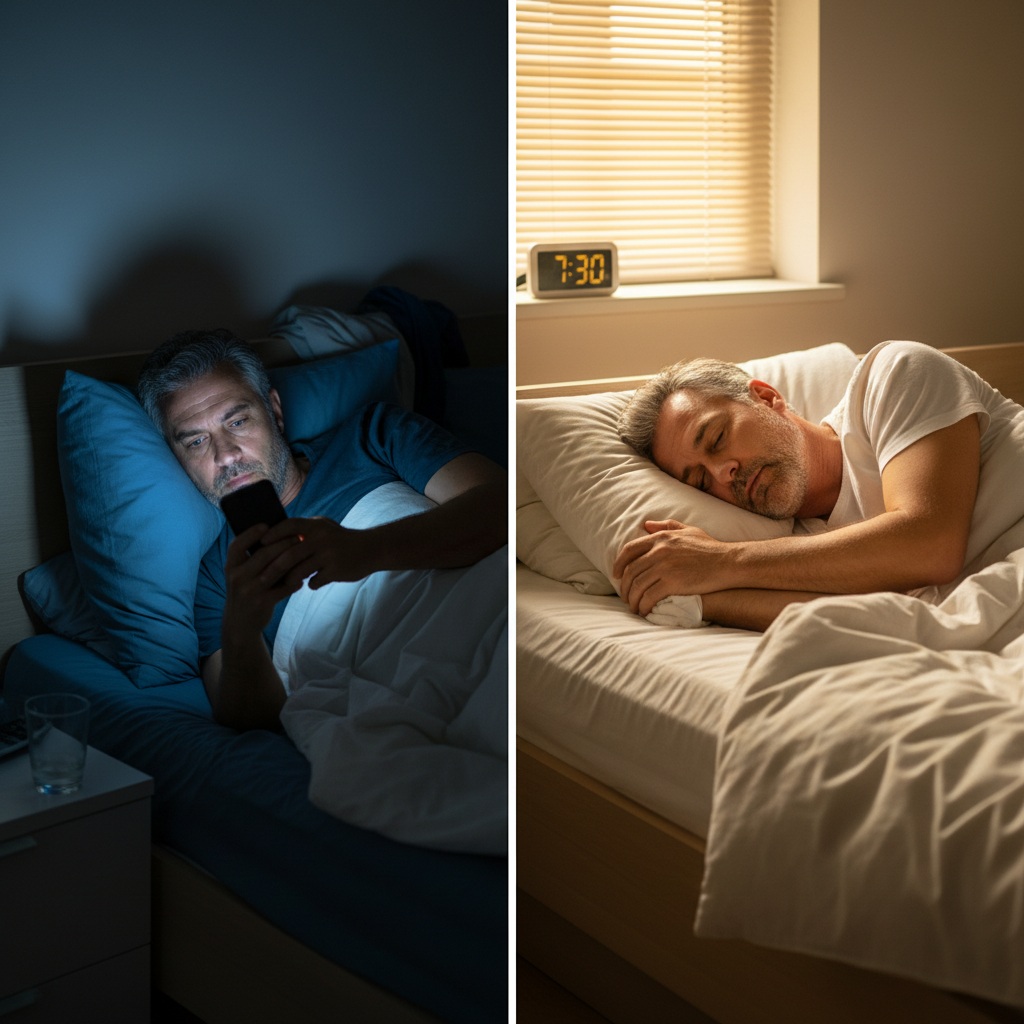
Why is sleep harder after 40? Your body goes through real, measurable changes:
Hormonal shifts: Testosterone drops about 1% per year after 40. Lower testosterone means lighter, less restorative sleep. It’s a vicious cycle—poor sleep tanks testosterone even further.
Sleep architecture changes: You spend less time in deep sleep (the stage where your muscles repair and hormones rebalance). Instead, you get more light sleep, which means more frequent wake-ups.
Increased stress: Career pressure, family responsibilities, financial concerns—your cortisol (stress hormone) stays elevated longer. High cortisol at night is like trying to sleep with your foot on the gas pedal.
Physical changes: Prostate issues mean more bathroom trips. Sleep apnea affects 30% of men over 40. Joint pain makes it harder to find comfortable positions.
Think of it like your smartphone. At 40+, your battery doesn’t hold a charge like it used to. But just like you can optimize your phone’s settings to extend battery life, you can optimize your sleep for better recovery and physical performance.
The connection between testosterone and sleep is critical for men over 40—it’s not just about feeling tired; it’s about maintaining the hormones that keep you strong, lean, and mentally sharp.
How Much Sleep Do Men Over 40 Really Need?
The standard answer is 7-9 hours, but here’s what matters more: sleep quality over quantity.
You can spend 9 hours in bed but only get 6 hours of actual sleep if you’re tossing, turning, and waking up repeatedly. That’s called sleep efficiency—how much of your time in bed is actually spent sleeping versus lying there awake.
Your goal: 85% sleep efficiency or higher. If you’re in bed 8 hours, you should be sleeping at least 6.8 hours.
How to calculate yours:
- Time you fell asleep: 11:00 PM
- Time you woke up: 7:00 AM
- Total time in bed: 8 hours
- Minus wake-ups (estimate): 1 hour
- Actual sleep: 7 hours
- Sleep efficiency: 7 ÷ 8 = 87.5% (good!)
Most men over 40 need 7-8 hours of quality sleep for optimal physical recovery, hormone production, and mental performance. Less than 6 hours consistently? You’re accumulating sleep debt—and it’s costing you.
Sleep Hygiene Tips for Men Over 40
Sleep hygiene is just a fancy term for “the habits that help you sleep better.” Think of it like dental hygiene—you brush your teeth daily to prevent problems. Sleep hygiene works the same way.
Establish a Consistent Sleep Schedule
Your body runs on a circadian rhythm—your internal 24-hour clock that tells you when to feel awake and when to feel sleepy. It’s like your body’s built-in alarm system.
The rule: Go to bed and wake up at the same time every day. Yes, even weekends.
Why? Your circadian rhythm thrives on consistency. When you stay up until 2 AM on Saturday and sleep until 10 AM, you’re basically giving yourself jet lag. By Monday, your body has no idea what time it should be sleeping.
Start here:
- Pick a wake time you can stick to 7 days a week
- Count back 7.5-8 hours for your bedtime
- Set a “wind-down” alarm 30 minutes before bed
Budget-friendly tip: Use your phone’s built-in bedtime reminders (free).

Create Your Ideal Sleep Environment
Your bedroom should be a sleep cave—cool, dark, and quiet. Here’s how to optimize it for every budget:
Creating your ideal sleep environment is one of the most effective recovery strategies for men over 40—your body repairs itself during sleep, so the environment matters.

Keep your bedroom between 60-67°F. Your body needs to cool down to trigger deep sleep. If you run hot, try the LUXEAR Cooling Pillow Cases —it uses Arc-Chill cooling fibers without needing electricity.

Even small amounts of light disrupt melatonin production (your body's "sleep signal"). Cover LED lights with black tape (free), or invest in Blackout Curtains. They block 99% of light and reduce outside noise.

For travel or if curtains aren't an option, the Manta Sleep Mask is the gold standard—100% blackout, doesn't touch your eyes, and stays in place all night.
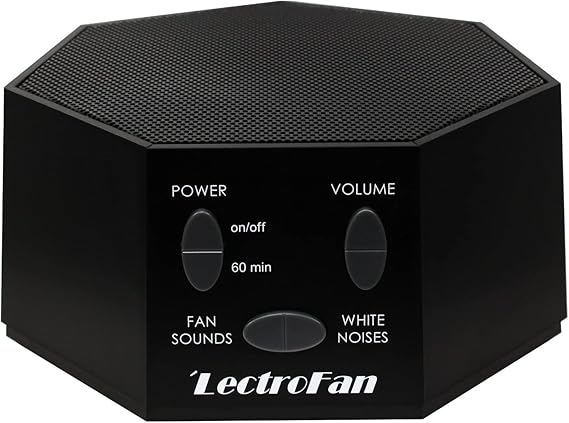
Noise disruptions fragment your sleep cycles. Free option: Download the myNoise app (customizable white noise). If you want dedicated hardware, the LectroFan White Noise Machine offers 20 non-looping sounds and drowns out snoring partners and street noise.

If your mattress is over 8 years old, it's time. You don't need to spend $3,000. The Linenspa Memory Foam Mattress Topper can transform an aging mattress for under $100.
Limit Screen Time Before Bed
Your phone’s blue light tells your brain “it’s daytime—stay awake!” This suppresses melatonin production for up to 3 hours after exposure.
The 1-hour rule: No screens 60 minutes before bed. I know, I know—that’s when you finally get to scroll in peace. But here’s the thing: that Instagram scroll is costing you 30-60 minutes of quality sleep.
Realistic alternatives:
- Read a physical book (not on a tablet)
- Listen to a podcast or audiobook
- Do light stretching or flexibility work
- Journal about tomorrow’s priorities (clears your mind)
If you must use devices: Enable Night Shift (iPhone) or Night Light (Android), or wear Blue Light Blocking Glasses.

Stylish Blue Light Blocking Glasses for Women & Men Helps Ease Digital Eye Strain & Headache from Computers, Phones w/Case
Mind Your Diet and Hydration
What you eat (and when) directly impacts sleep quality for men over 40.
The 3-hour rule: Stop eating heavy meals 3 hours before bed. Your body can’t enter deep sleep while it’s still digesting a steak dinner.
Avoid these sleep killers:
- Caffeine after 2 PM: It has a 6-hour half-life. That 3 PM coffee is still 50% active at 9 PM.
- Alcohol: It might knock you out, but it destroys REM sleep (the stage where your brain processes emotions and consolidates memories). You’ll sleep, but you won’t recover.
- High-sugar snacks: Blood sugar spikes and crashes wake you up at 2 AM.
Sleep-supporting foods:
- Magnesium-rich: Almonds, bananas, spinach, dark chocolate
- Tryptophan sources: Turkey, eggs, cheese (helps produce melatonin)
- Complex carbs: Oatmeal, sweet potato (stabilizes blood sugar)
Hydration balance: Drink enough during the day, but taper off 2 hours before bed. Waking up to pee 2-3 times per night fragments your sleep cycles.
If you’re serious about nutrition’s impact on recovery, check out our guide on healthy eating strategies for men over 40.
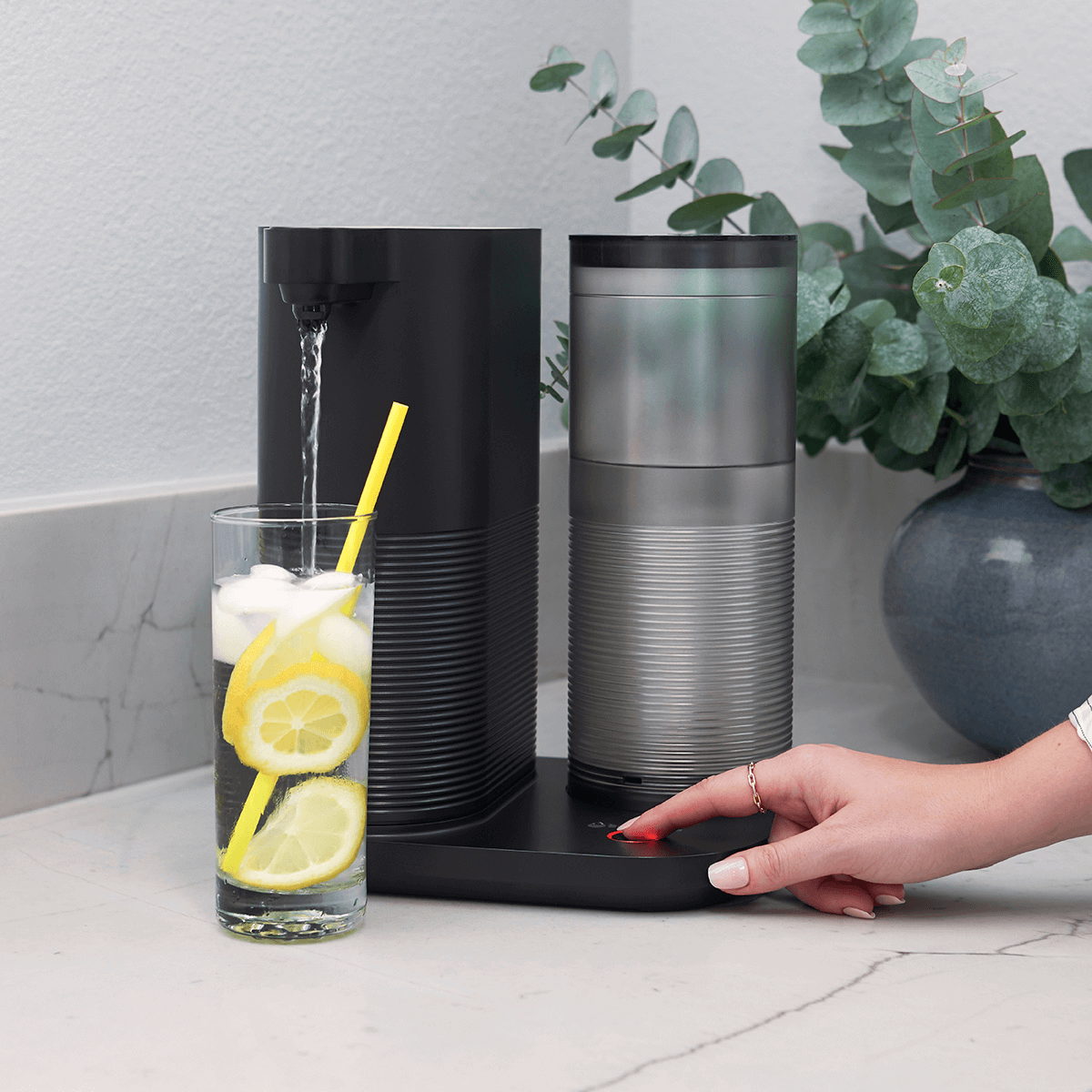
Aquasana’s fast-flowing Clean Water Machine removes 78 contaminants including 99% of lead & cysts, 15x more than the leading pitcher filter.
Sleep and Physical Recovery: Why It Matters
Here’s what most guys don’t realize: you don’t build muscle in the gym. You build it while you sleep.
During deep sleep, your body:
- Releases 70% of your daily growth hormone (critical for muscle repair)
- Synthesizes protein to rebuild damaged muscle fibers
- Clears metabolic waste from your muscles
- Restores glycogen (energy) stores
Poor sleep = poor recovery = poor performance. It’s that simple.
A study in the Journal of Applied Physiology found that men who slept 5 hours per night for one week had testosterone levels 10-15% lower than those who slept 8 hours. That’s the equivalent of aging 10-15 years overnight.
Real-world impact:
- Slower muscle growth
- Longer recovery times between workouts
- Increased injury risk (reaction time drops 300% when sleep-deprived)
- Fat gain (sleep deprivation increases hunger hormones by 20%)
If you’re putting in the work at the gym but not seeing results, your sleep is probably the missing piece. Quality sleep is as important as your workout program and nutrition combined.
Sleep Supplements: What Works for Men Over 40
Let’s cut through the BS. Most sleep supplements are overpriced placebos. But a few actually work—here’s what the research supports:

What it does: Relaxes muscles, calms the nervous system, supports deep sleep production.
Why glycinate? It's the most absorbable form and won't give you digestive issues like magnesium oxide.
Dosage: 200-400mg, 30-60 minutes before bed.
Who needs it: If you get muscle cramps, restless legs, or feel "wired but tired" at night, you're probably magnesium deficient (60% of Americans are).

What it does: Signals your brain "it's time to sleep." It's not a sedative—it's a timing cue for your circadian rhythm.
The mistake everyone makes: Taking too much. Most supplements contain 5-10mg. Research shows 0.5-3mg is optimal. Higher doses don't work better and can leave you groggy.
Dosage: Start with 0.5-1mg, 30-60 minutes before bed.
Who needs it: Shift workers, frequent travelers, or if your sleep schedule is all over the place.

What it does: Reduces cortisol (your stress hormone) by up to 30%. If your mind races at night, this helps.
Dosage: 300-500mg of KSM-66 extract, taken with dinner or before bed.
Recommendation: KSM-66 Ashwagandha by Nootropics Depot —clinically studied dose, third-party tested.
Who needs it: High-stress jobs, chronic worriers, or if you wake up at 3 AM with your brain spinning.

What it does: Promotes relaxation without sedation. Found naturally in green tea. Pairs well with magnesium.
Dosage: 200-400mg before bed.
Important: Always check with your doctor before starting supplements, especially if you take medications. These are tools, not magic pills—they work best when combined with good sleep hygiene.
Circadian Rhythm Optimization for Better Sleep
Your circadian rhythm is controlled by light exposure. Here’s how to hack it:
Morning: Get Bright Light Exposure
Within 30 minutes of waking: Get 10-15 minutes of direct sunlight (or very bright indoor light). This sets your internal clock and triggers cortisol production (which you want in the morning).
Why it works: Light exposure in the morning advances your circadian rhythm, making you naturally sleepy 14-16 hours later.
Evening: Dim the Lights
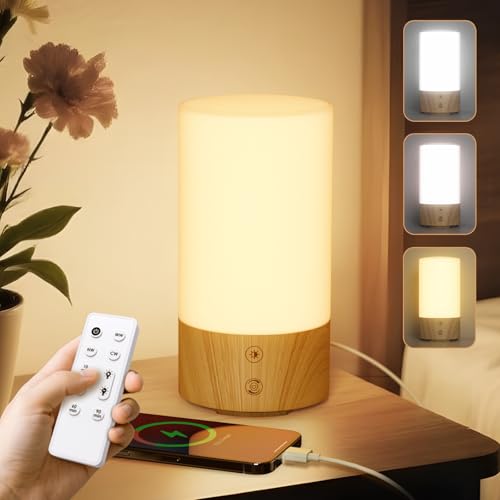
2-3 hours before bed: Start dimming lights in your home. Bright overhead lights tell your brain it’s still daytime.
Budget option: Replace bright white bulbs with warm, dim bulbs in your bedroom and bathroom.
The Power of Routine
Your brain loves patterns. When you do the same things in the same order every night, your body learns “these actions = sleep time.”
Sample wind-down routine:
- 9:00 PM: Dim lights, put phone in another room
- 9:15 PM: Light stretching or foam rolling
- 9:30 PM: Warm shower (body temperature drop afterward triggers sleepiness)
- 9:45 PM: Read or journal
- 10:00 PM: Lights out
Consistency is everything. Your circadian rhythm is trainable—but it takes 2-3 weeks of consistent timing to lock in.
Sleep Tracking for Better Recovery
You can’t improve what you don’t measure. Sleep tracking helps you identify patterns and optimize your approach.
Budget-Friendly: Free Apps
Sleep Cycle (free with premium upgrade): Uses your phone’s microphone to track movement and sleep stages. Shows sleep quality score, tracks trends over time.
Pros: Free, easy to use, decent accuracy
Cons: Must keep phone near bed, drains battery
Mid-Range: Fitness Trackers ($50-150)
Fitbit Inspire 3 ($100 on Amazon): Tracks sleep stages (light, deep, REM), sleep score, heart rate variability. 10-day battery life.
Pros: Affordable, tracks fitness + sleep, long battery
Cons: Less accurate than premium options
Premium: Dedicated Sleep Trackers ($200-400)
Oura Ring Gen 3 ($299): The gold standard for sleep tracking. Tracks body temperature, HRV, sleep stages, readiness score. Tells you when you’re recovered enough for hard training.
WHOOP 4.0 ($239 + $30/month membership): Tracks sleep, strain, recovery. Popular with serious athletes. Provides daily recommendations based on your data.
Pros: Clinical-grade accuracy, actionable insights
Cons: Expensive, requires subscription (WHOOP)
What to track:
- Total sleep time
- Sleep efficiency (time asleep ÷ time in bed)
- Wake-ups per night
- Time in each sleep stage
- Resting heart rate (should drop during sleep)
Use this data to experiment. Try magnesium for a week—does deep sleep improve? Cut caffeine after 2 PM—do you fall asleep faster? Track, adjust, repeat.
The Mental Game of Sleep
Here’s something most guys don’t realize: poor sleep doesn’t just hurt your body—it wrecks your decision-making.
When you’re running on 5-6 hours of sleep, your brain’s prefrontal cortex (the part that handles impulse control and rational thinking) basically goes offline.
This means:
- You’re more likely to skip workouts
- You make worse food choices (sleep deprivation increases hunger hormones by 20%)
- You’re irritable with family and coworkers
- Financial decisions become impulsive
Quality sleep isn’t just physical recovery—it’s mental armor. The connection between stress management and sleep quality is undeniable.
Incorporate Relaxation Techniques
If your mind races at night, you need tools to quiet it. Here are three that actually work:
4-7-8 Breathing (Free, 2 minutes):
- Breathe in through your nose for 4 seconds
- Hold for 7 seconds
- Exhale through your mouth for 8 seconds
- Repeat 4 times
This activates your parasympathetic nervous system (rest mode) and slows your heart rate.
Progressive Muscle Relaxation (Free, 5-10 minutes):
- Tense your toes for 5 seconds, then release
- Move up to calves, thighs, glutes, abs, chest, arms, face
- Notice the difference between tension and relaxation
This releases physical tension you didn’t know you were holding.
Guided Sleep Meditation (Free-$10/month):
- Insight Timer (free): Thousands of free sleep meditations
- Headspace ($13/month): Structured sleep courses, sleepcasts
- Calm ($15/month): Sleep stories narrated by celebrities (surprisingly effective)
Pick one technique and use it every night for a week. Your brain will start associating it with sleep.
Pair this with the Ennora’s Binaural Beats. It’s a scientifically-backed audio technology that helps your brain achieve specific states like deep relaxation or enhanced focus.
Sleep’s Hidden Impact on Your Finances
Let’s talk money. Poor sleep costs you in three ways:
1. Lost productivity: Studies show sleep-deprived workers lose 11 days of productivity per year. That’s $2,280 in lost wages for a $50k salary, $5,500 for a $100k salary.
2. Healthcare costs: Sleep deprivation increases risk of:
- Type 2 diabetes (5x higher risk)
- Heart disease (48% higher risk)
- Obesity (55% higher risk)
These conditions cost thousands annually in medications, doctor visits, and lost work time.
3. Impulsive spending: Ever buy something at 11 PM you regretted the next morning? Sleep deprivation kills impulse control. One study found sleep-deprived people spent 20% more on unnecessary purchases.
Investing in better sleep is investing in your financial future. A $100 investment in blackout curtains, magnesium, and a white noise machine could save you thousands in healthcare costs and lost productivity.
The connection between physical wellness and financial success is real—and sleep is the foundation of both.
Best Sleep Position for Men Over 40
Your sleep position matters more than you think, especially after 40 when joint pain and sleep apnea become concerns.
Side sleeping (Best overall):
- Reduces sleep apnea symptoms
- Minimizes acid reflux
- Better for spine alignment
- Left side specifically: Reduces heartburn, improves circulation
Back sleeping (Good with caveats):
- Neutral spine position
- Reduces facial wrinkles
- BUT: Worsens sleep apnea and snoring
Stomach sleeping (Avoid if possible):
- Strains neck and lower back
- Restricts breathing
- Increases facial wrinkles
If you can’t break the habit, use a very thin pillow or no pillow to reduce neck strain.
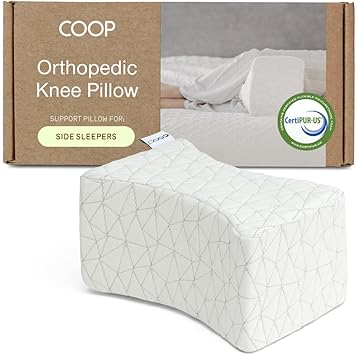
Use a pillow between your knees to keep hips aligned. The Coop Home Goods Knee Pillow is memory foam, adjustable, and stays in place.

If you back sleep, elevate your head slightly and use a pillow under your knees. The Contour Legacy Leg & Knee Pillow reduces lower back pressure.
The 7-Day Sleep Reset Challenge
Ready to take action? Here’s your week-by-week plan to improve sleep quality after 40:
Day 1-2: Set Your Schedule
- Choose a consistent wake time (even weekends)
- Count back 7.5-8 hours for bedtime
- Set wind-down alarm 30 minutes before bed
Day 3-4: Optimize Your Environment
- Make bedroom as dark as possible
- Adjust temperature to 60-67°F
- Remove or silence all electronics
Day 5-6: Cut the Sleep Killers
- No caffeine after 2 PM
- No screens 1 hour before bed
- No heavy meals 3 hours before bed
Day 7: Track and Assess
- How do you feel compared to Day 1?
- Are you falling asleep faster?
- Fewer middle-of-night wake-ups?
- More energy during the day?
Week 2-3: Add Sleep Supporters
- Try magnesium glycinate
- Implement 4-7-8 breathing
- Start morning light exposure routine
Week 4: Lock It In
- Your circadian rhythm should be stabilizing
- Sleep efficiency should be improving
- Recovery between workouts should feel better
Track your progress. Small, consistent changes compound over time—that’s the foundation of building lasting habits after 40.
When to See a Doctor
Sometimes sleep issues require professional help. See a doctor if you experience:
- Loud, chronic snoring with gasping or choking sounds (sleep apnea)
- Extreme daytime fatigue despite 7-8 hours in bed
- Difficulty falling asleep for more than 30 minutes, most nights
- Frequent night sweats (could indicate hormone imbalance)
- Restless legs that prevent sleep
- Depression or anxiety affecting sleep quality
Sleep apnea affects 30% of men over 40 and is seriously underdiagnosed. If your partner says you stop breathing during sleep, get a sleep study. Untreated sleep apnea increases heart disease risk by 140%.
CPAP machines (Continuous Positive Airway Pressure) are game-changers for sleep apnea. Yes, they look weird. Yes, they’re worth it. Most insurance covers them after a sleep study.
Final Thoughts
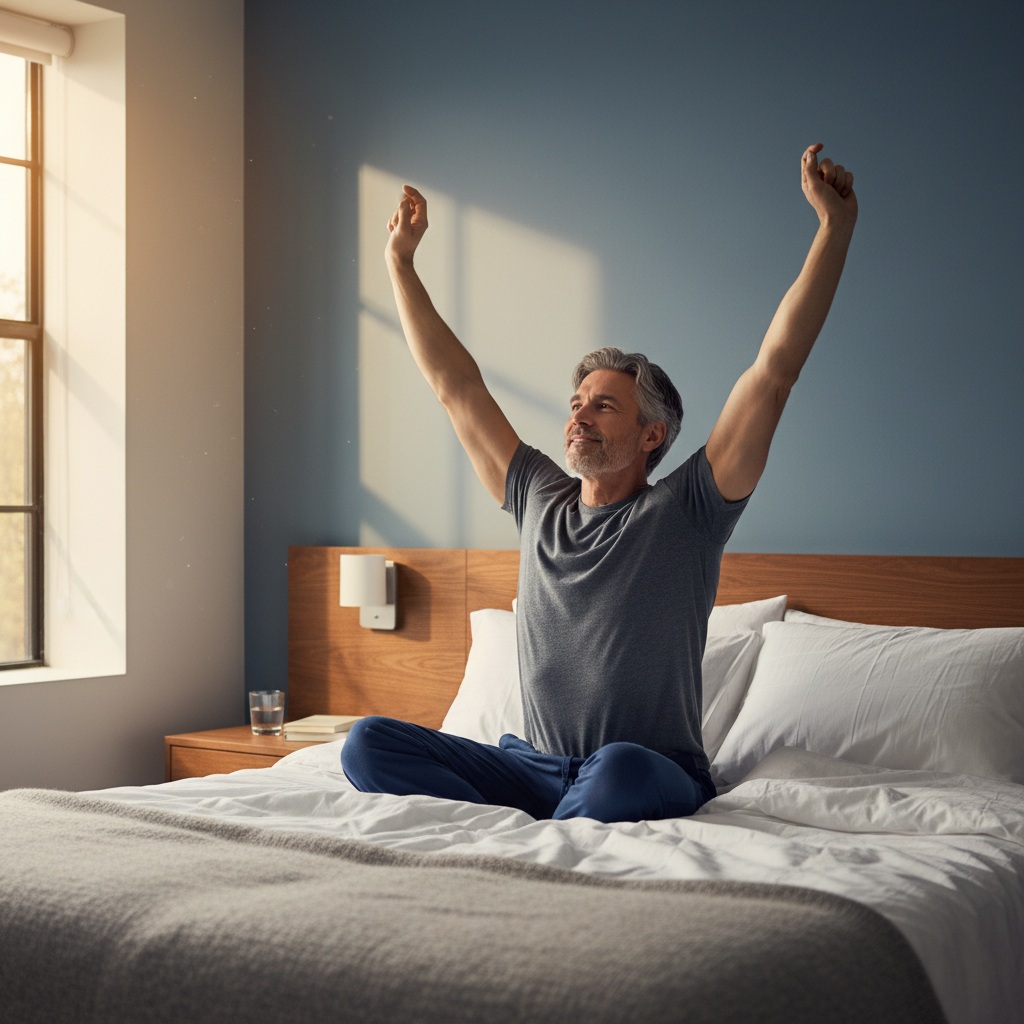
Improving sleep quality for men over 40 isn’t optional—it’s essential. Quality sleep is the foundation that everything else is built on: physical performance, mental clarity, hormone balance, and even financial success.
“The journey of a thousand miles begins with a single step—and sometimes that step costs less than you think.”
– Lao Tzu (adapted)
You don’t need to implement everything at once. Start with one change this week:
- Fix your sleep schedule
- Make your room darker
- Cut caffeine after 2 PM
- Try magnesium glycinate
Then add another change next week. Small, consistent improvements compound over time.
Remember: You’re not trying to sleep like a 25-year-old. You’re optimizing sleep for your 40+ body—and that requires a different approach. But when you get it right, everything else gets easier.
Your workouts improve. Your mood stabilizes. Your decision-making sharpens. Your energy returns. All from prioritizing 7-8 hours of quality sleep.
Ready to take the next step? Check out our comprehensive guide to physical wellness for men over 40 to see how sleep, nutrition, and training work together for optimal results.
Related Resources:
Disclosure
This article contains affiliate links. If you choose to make a purchase through these links, we may earn a commission at no additional cost to you.
Important Note: The information in this post is meant to educate and inform, not to replace professional medical advice. While we’ve spent years studying health and wellness, we’re not licensed healthcare providers. Everyone’s body and circumstances are different, so what works for one person might not work for another. Always check with your doctor before starting any new exercise program or making significant lifestyle changes, especially if you have pre-existing conditions. By reading and using this information, you’re taking responsibility for your own health decisions.