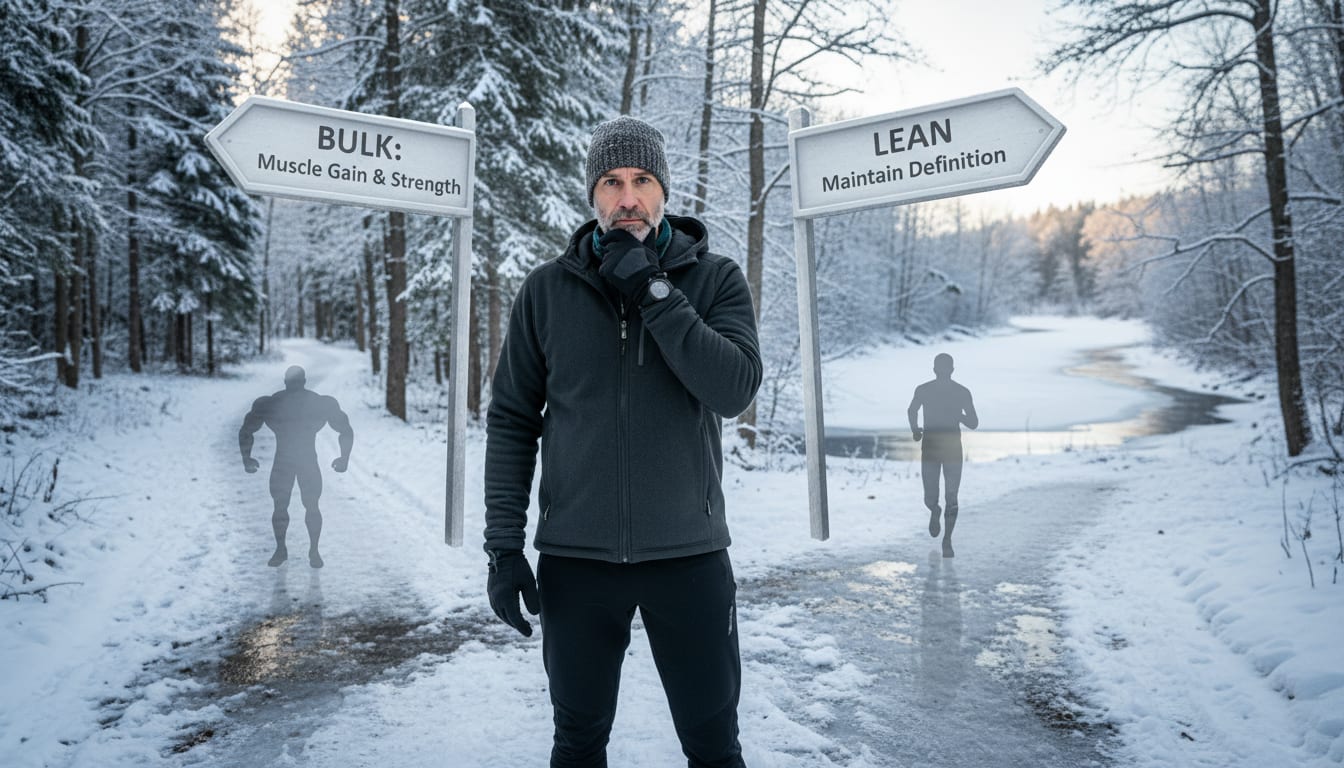
Testosterone Optimization Naturally: Science-Backed Strategies for Men Over 40
If you’ve noticed your energy isn’t what it used to be, you’re struggling to maintain muscle, or your sex drive has taken a nosedive, you’re not alone. After 40, testosterone—your body’s main male hormone that controls energy, muscle growth, and sex drive—naturally starts declining by about 1-2% each year.
“The greatest wealth is health.”
– Virgil
But here’s the good news: you can boost testosterone naturally over 40 without prescriptions or complicated medical interventions. This guide will show you science-backed strategies that actually work, regardless of your budget or fitness level.
Disclosure
This article contains affiliate links. If you choose to make a purchase through these links, we may earn a commission at no additional cost to you.
Why Testosterone Declines After 40 (And Why It Matters)
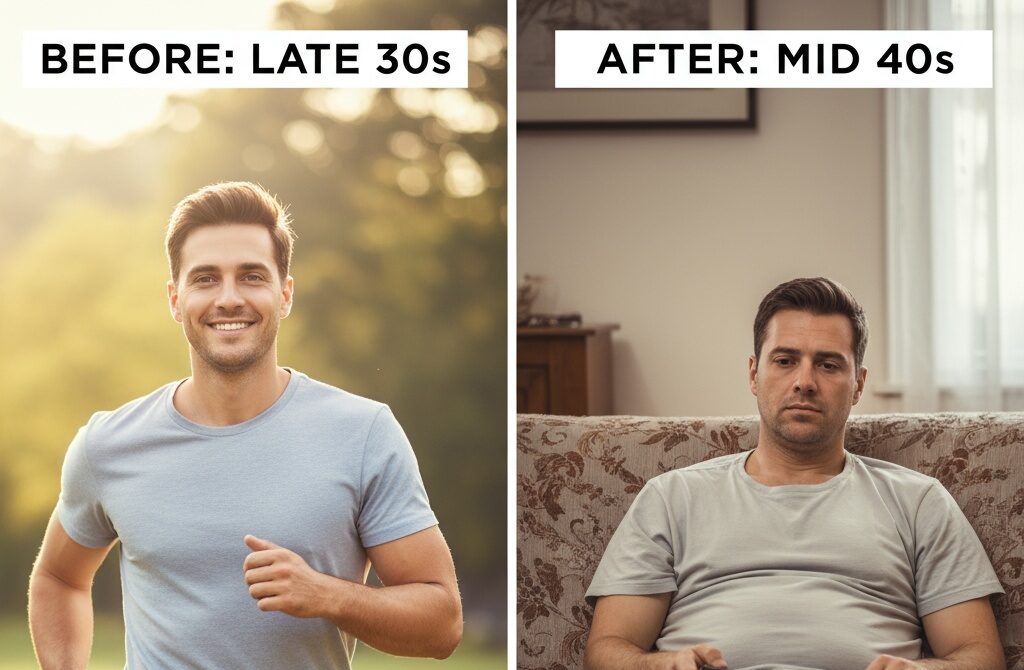
Understanding how to increase testosterone after 40 isn’t just about feeling more energetic—it affects your muscle mass, bone density, mental clarity, mood, and overall quality of life. Let’s dive into practical strategies you can start implementing today.
Signs Your Testosterone Might Be Low
Before we explore solutions, let’s identify the problem. Low testosterone symptoms in men in their 40s often include:
- Persistent fatigue even after adequate sleep
- Difficulty building or maintaining muscle despite exercise
- Increased body fat, especially around the midsection
- Reduced sex drive or libido
- Brain fog and difficulty concentrating
- Mood changes including irritability or mild depression
- Decreased motivation for activities you once enjoyed
If several of these sound familiar, the strategies below can help you naturally optimize your hormone levels and reclaim your vitality.
The Lifestyle Foundation: 5 Changes That Boost Testosterone Naturally
1. Prioritize Quality Sleep (The Non-Negotiable)
Sleep is when your body produces most of its testosterone. Studies show that men who sleep only 5 hours produce 15% less testosterone than those getting 8 hours.
Action steps:
- Aim for 7-9 hours nightly
- Keep your bedroom cool (65-68°F)
- Establish a consistent sleep schedule
- Avoid screens 1 hour before bed
Budget-friendly tip: Use blackout curtains or a sleep mask to improve sleep quality without expensive gadgets.
2. Manage Stress and Lower Cortisol
Cortisol is your stress hormone—when it’s too high, it can lower testosterone. Think of them like two kids on a seesaw: when one goes up, the other comes down.
Practical stress management:
- Daily meditation (even 5-10 minutes helps)
- Deep breathing exercises during work breaks
- Regular physical activity to burn off stress
- Time in nature on weekends
The Calm app or free YouTube guided meditations work equally well—choose what fits your budget.

Give Ennora’s Binaural Beats a try. It’s a scientifically-backed audio technology that helps your brain achieve specific states like deep relaxation or enhanced focus.
3. Maintain a Healthy Body Weight
Excess body fat, especially around your midsection, converts testosterone into estrogen. Losing even 10-15 pounds can significantly improve testosterone production naturally.
Realistic approach:
- Focus on sustainable fat loss (1-2 lbs per week)
- Combine strength training with moderate cardio
- Track your food intake using free apps like MyFitnessPal
- Prioritize protein and healthy fats
For more guidance, check out our cornerstone article on The Over-40 Body Reset for a complete approach to transforming your physique.

Flip 7 Classic Combo – Feel better, fast with one shake a day. FLIP 7 is an unmatched, all-in-one meal replacement SUPER FOOD powder with the most nutrient rich balance of health extending blends formulated to support whole body and mind wellness.
4. Limit Alcohol Consumption
Excessive alcohol directly suppresses testosterone production and increases estrogen. You don’t need to quit entirely, but moderation matters.
Guidelines:
- Limit to 2-3 drinks per week maximum
- Choose lower-sugar options (spirits over beer)
- Avoid binge drinking completely
- Have alcohol-free days throughout the week
5. Reduce Exposure to Endocrine Disruptors
These are chemicals that mess with your body’s hormone control center—your endocrine system. Common culprits include plastics, pesticides, and certain personal care products.
Simple swaps:
- Use glass or stainless steel water bottles instead of plastic
- Choose organic produce when possible (especially the “Dirty Dozen”)
- Switch to natural personal care products
- Avoid heating food in plastic containers


Aquasana’s fast-flowing Clean Water Machine removes 78 contaminants including 99% of lead & cysts, 15x more than the leading pitcher filter.
The Best Exercises to Increase Testosterone Over 40
Not all exercise is created equal when it comes to testosterone and aging men. Here’s what actually works:
Strength Training: Your #1 Tool
Resistance exercise, especially compound movements that work multiple muscle groups, triggers the biggest testosterone boost.
Most effective exercises:
- Squats (bodyweight, goblet, or barbell)
- Deadlifts (conventional or trap bar)
- Bench press or push-ups
- Overhead press
- Rows (barbell, dumbbell, or cable)
Training protocol:
- 3-4 sessions per week
- Focus on 6-12 reps per set
- Use challenging weights (you should struggle on the last 2 reps)
- Rest 2-3 minutes between sets

High-Intensity Interval Training (HIIT)
Short bursts of intense exercise followed by rest periods can boost testosterone while improving cardiovascular health.
Simple HIIT workout (no equipment needed):
- 30 seconds: Sprint or burpees
- 90 seconds: Walk or rest
- Repeat 8-10 rounds
- Total time: 15-20 minutes
Important: Quality trumps quantity. Two intense 20-minute sessions beat five mediocre hour-long workouts.
For more detailed workout strategies, visit our article on Maintaining Gains: How to Stay Consistent.
Testosterone-Boosting Foods: What to Eat (And Avoid)
Nutrition plays a massive role in natural testosterone boosters for men. Here’s your eating strategy:
Foods That Boost Testosterone
Healthy Fats (Essential for Hormone Production):
- Eggs (whole eggs, not just whites)
- Fatty fish (salmon, mackerel, sardines)
- Avocados
- Olive oil
- Nuts (almonds, walnuts, Brazil nuts)
- Grass-fed beef (when budget allows)
Cruciferous Vegetables (Help Remove Excess Estrogen):
- Broccoli
- Cauliflower
- Brussels sprouts
- Kale
- Cabbage
Zinc-Rich Foods:
- Oysters (highest source)
- Red meat
- Pumpkin seeds
- Chickpeas
- Cashews
Vitamin D Sources:
- Fatty fish
- Egg yolks
- Fortified dairy
- Mushrooms exposed to sunlight
Foods to Avoid or Limit
- Processed foods high in sugar and trans fats
- Soy products in excess (moderate amounts are fine)
- Excessive alcohol (as mentioned earlier)
- High-sugar foods that spike insulin and promote fat storage
- Mint (spearmint and peppermint can lower testosterone)
Budget-friendly meal example:
- Breakfast: 3 eggs scrambled with spinach
- Lunch: Canned tuna with mixed greens and olive oil
- Dinner: Chicken thighs with roasted broccoli
- Snacks: Handful of almonds or Greek yogurt
Science-Backed Supplements That Actually Work
While whole foods should be your foundation, certain natural testosterone supplements for men over 40 have solid research behind them.
The Essential Three (Budget-Friendly)

Most men over 40 are deficient. Vitamin D acts more like a hormone than a vitamin and directly supports testosterone production.

Magnesium supports testosterone production and helps with sleep quality—a double win.

Zinc deficiency directly correlates with low testosterone. If you don't eat much red meat or oysters, supplementation helps.
Premium Supplements (If Budget Allows)

This adaptogenic herb lowers cortisol and has been shown to increase testosterone by up to 17% in some studies.

May boost testosterone in men with low levels, though effects vary individually.

Traditional herb that may support healthy testosterone levels and libido.
Important note: Always consult with your doctor before starting new supplements, especially if you take medications.
For a comprehensive guide on supplementation, read our Supplement Guide for Men Over 40.
Sleep, Stress & Testosterone: The Connection You Can’t Ignore
We’ve touched on these individually, but their combined impact deserves emphasis. Think of testosterone optimization as a three-legged stool—remove one leg and everything collapses.
The Sleep-Testosterone Cycle
Poor sleep → Lower testosterone → Less energy → Worse workouts → More stress → Even worse sleep
Breaking the cycle:
- Establish a bedtime routine you actually enjoy
- Use magnesium supplements before bed
- Keep your bedroom exclusively for sleep (and intimacy)
- Consider a white noise machine like the LectroFan if noise disrupts your sleep
The Stress-Hormone Balance
Chronic stress keeps cortisol elevated, which directly suppresses testosterone production. This is why stress management isn’t optional—it’s foundational.
Daily stress-reduction practices:
- Morning meditation (try the Ennora or free YouTube videos)
- Evening walks without your phone
- Journaling for 5 minutes before bed
- Weekly activities you genuinely enjoy
Explore our article on The Power of Progressive Mindset for mental strategies that support hormone optimization.
Try Ennora’s Binaural Beats. It’s a scientifically-backed audio technology that helps your brain achieve specific states like deep relaxation or enhanced focus.
How Long Before You See Results?
Let’s set realistic expectations. Natural testosterone replacement alternatives work, but they’re not overnight miracles.
Timeline:
- 2-4 weeks: Better sleep quality, slightly improved mood
- 4-8 weeks: Increased energy, better workouts, improved libido
- 8-12 weeks: Noticeable muscle gains, fat loss, enhanced mental clarity
- 3-6 months: Significant body composition changes, sustained energy levels
Tracking progress:
- Take baseline measurements (weight, body fat %, strength levels)
- Track energy and mood in a simple journal
- Consider blood work at 3 and 6 months (testosterone, vitamin D, etc.)
- Progress photos monthly
Your Action Plan: Start Today
Feeling overwhelmed? Don’t be. You don’t need to implement everything at once. Here’s your 90-day testosterone optimization roadmap:
Month 1: Foundation Building
- Fix your sleep schedule (7-9 hours)
- Start basic strength training (2-3x weekly)
- Add the “Essential Three” supplements (Vitamin D, Zinc, Magnesium)
- Cut alcohol to 2-3 drinks per week maximum
Month 2: Optimization
- Add stress management practices (meditation, walks)
- Increase training intensity
- Optimize nutrition (more healthy fats, cruciferous vegetables)
- Consider adding ashwagandha if stress is high
Month 3: Fine-Tuning
- Assess progress and adjust
- Add HIIT workouts 1-2x weekly
- Eliminate remaining endocrine disruptors
- Get blood work to measure improvements
For a complete transformation strategy, check out The 90-Day Summer Challenge for structured guidance.
Recommended Resources
Essential Supplements:
- Now Foods, Niacinamide (Vitamin B-3) 500 mg
- Thorne Research Zinc Picolinate
- Doctor’s Best High Absorption Magnesium
Related Articles:
Fitness Equipment:
Sleep & Recovery:
The Bottom Line

You absolutely can boost testosterone naturally over 40 without prescriptions, expensive treatments, or complicated protocols. The strategies in this guide—quality sleep, strength training, proper nutrition, strategic supplementation, and stress management—are proven, accessible, and sustainable.
“Take care of your body. It’s the only place you have to live.”
– Jim Rohn
Remember: testosterone optimization isn’t about returning to your 20-year-old self. It’s about being the healthiest, most energetic version of your current self. Small, consistent actions compound into remarkable results.
Your body hasn’t given up on you—don’t give up on it.
For more strategies on optimizing your health after 40, explore our cornerstone article The Triangle of Well-being, which integrates physical, mental, and financial wellness into one comprehensive approach.
Disclosure
This article contains affiliate links. If you choose to make a purchase through these links, we may earn a commission at no additional cost to you.
Important Note: The information in this post is meant to educate and inform, not to replace professional medical advice. While we’ve spent years studying health and wellness, we’re not licensed healthcare providers. Everyone’s body and circumstances are different, so what works for one person might not work for another. Always check with your doctor before starting any new exercise program or making significant lifestyle changes, especially if you have pre-existing conditions. By reading and using this information, you’re taking responsibility for your own health decisions.