The 5-Minute Start: Fitness for Men Who Haven’t Exercised in Years
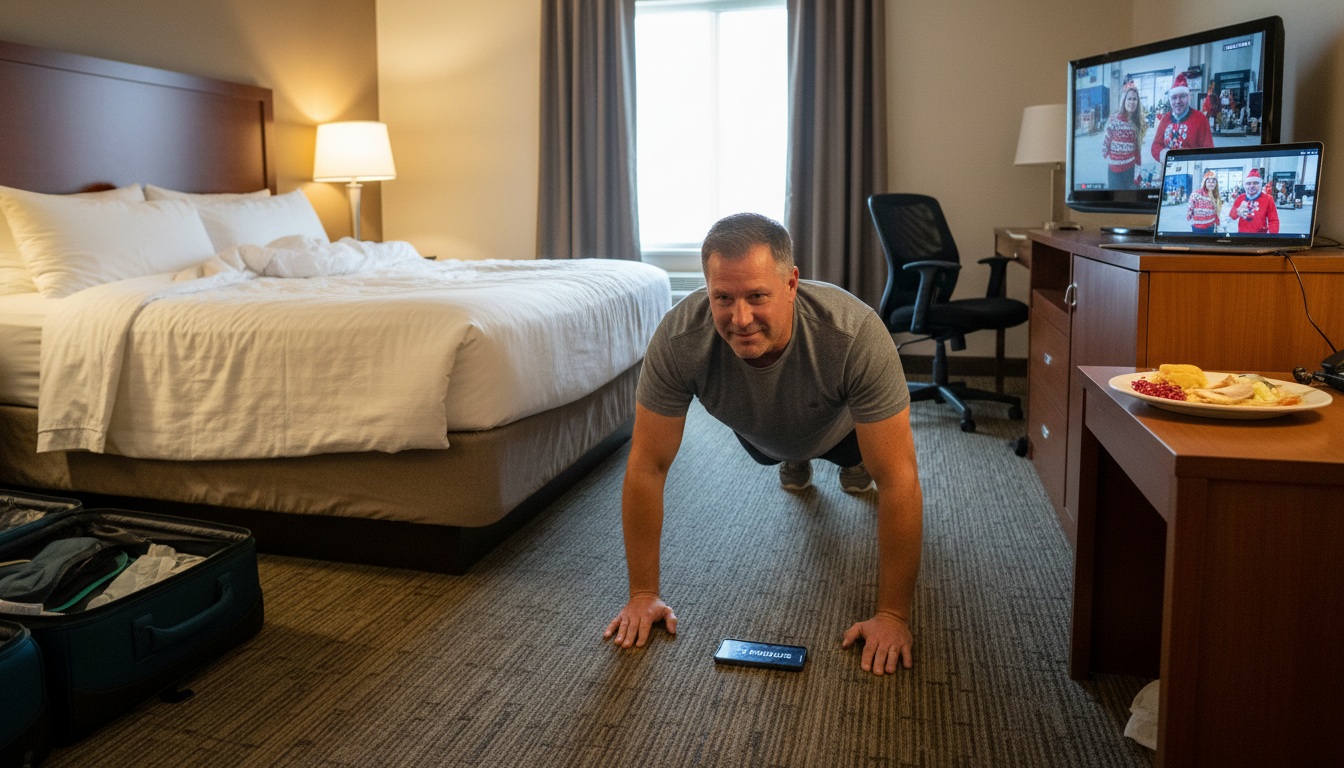
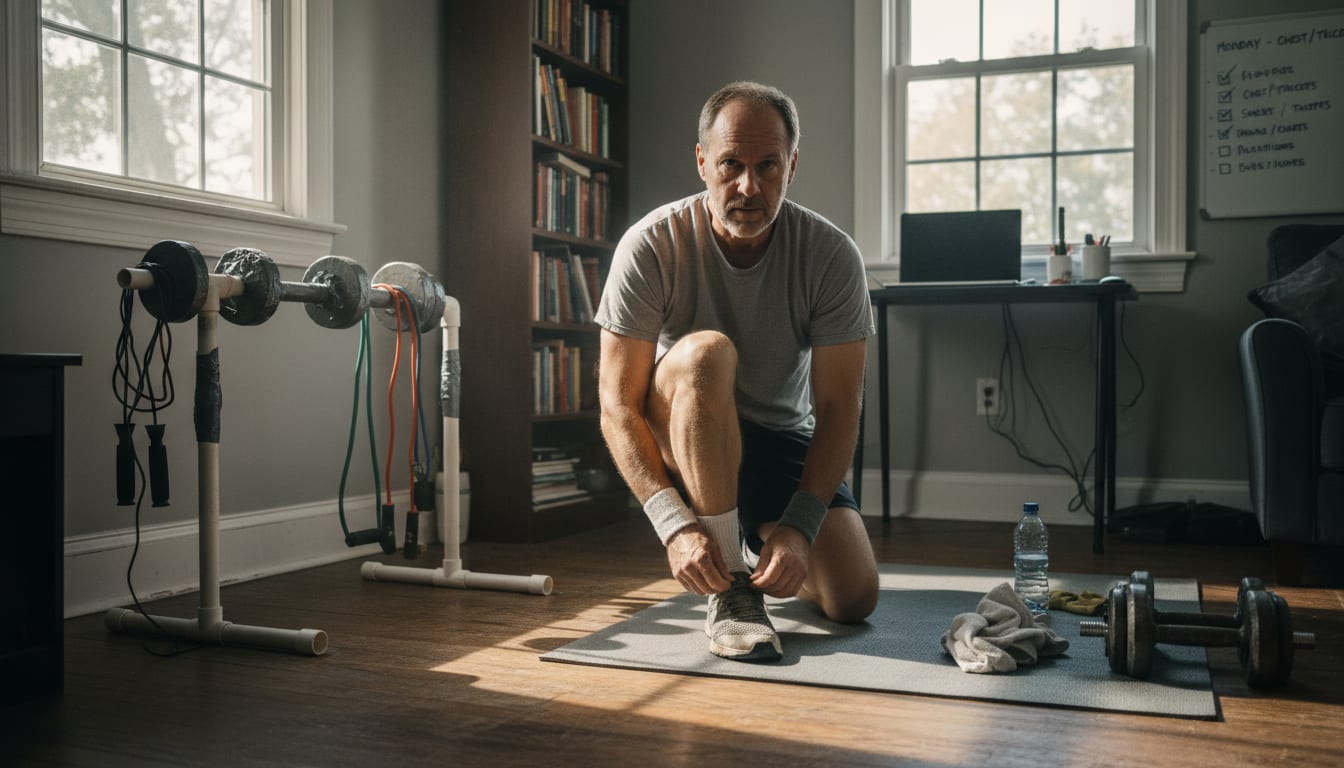
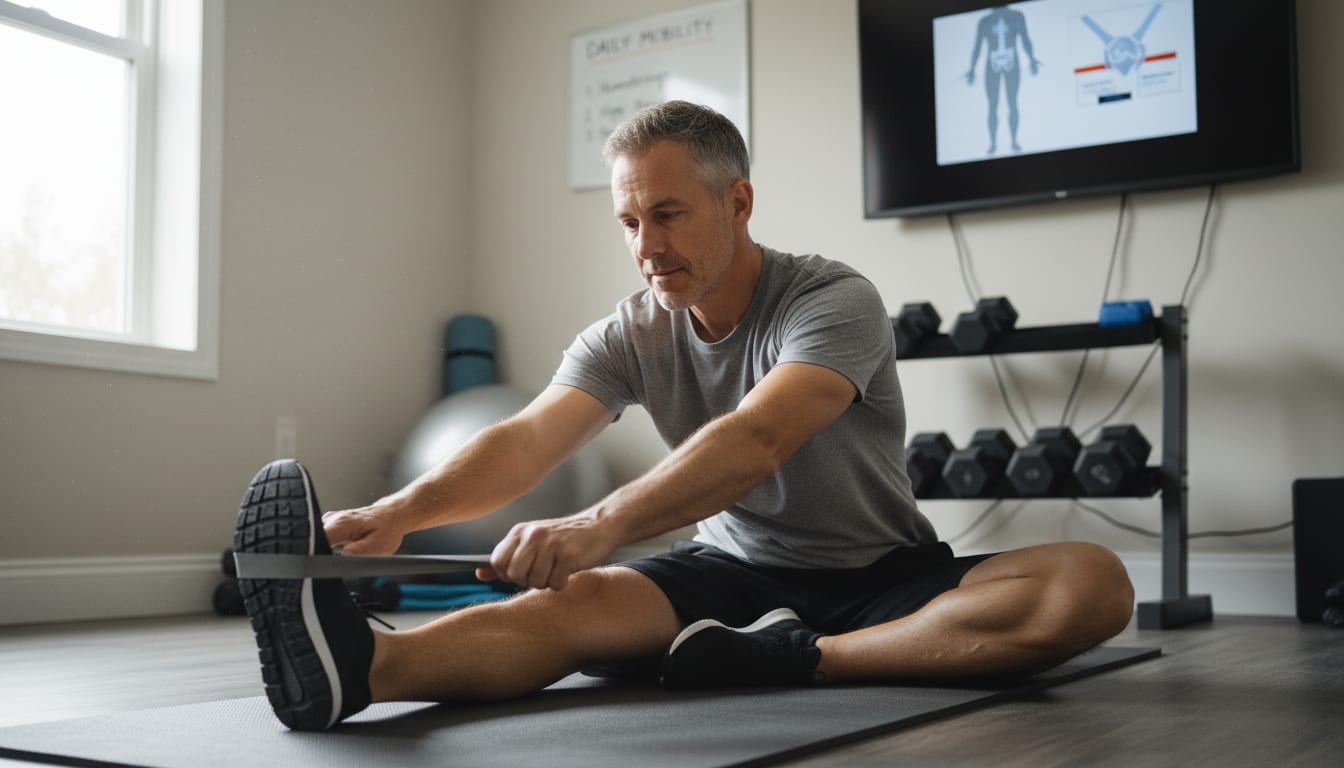
If you’re a man over 40 who hasn’t exercised in years—maybe even decades—you’re not alone. You’ve watched your energy decline, your waistline expand, and your confidence shrink. You’ve thought about starting a fitness routine countless times, but something always stops you. The fear of injury. The embarrassment of being out of shape. The overwhelming confusion about where to begin.
“The journey of a thousand miles begins with a single step.”
– Lao Tzu
Here’s the truth: fitness for men over 40 who haven’t exercised doesn’t require a gym membership, expensive equipment, or hours of your day. It starts with just five minutes and one simple activity you’ve been doing your entire life—walking.
Disclosure
This article contains affiliate links. If you choose to make a purchase through these links, we may earn a commission at no additional cost to you.
Why Walking Is the Perfect Exercise for Men Over 40 Who Haven’t Exercised
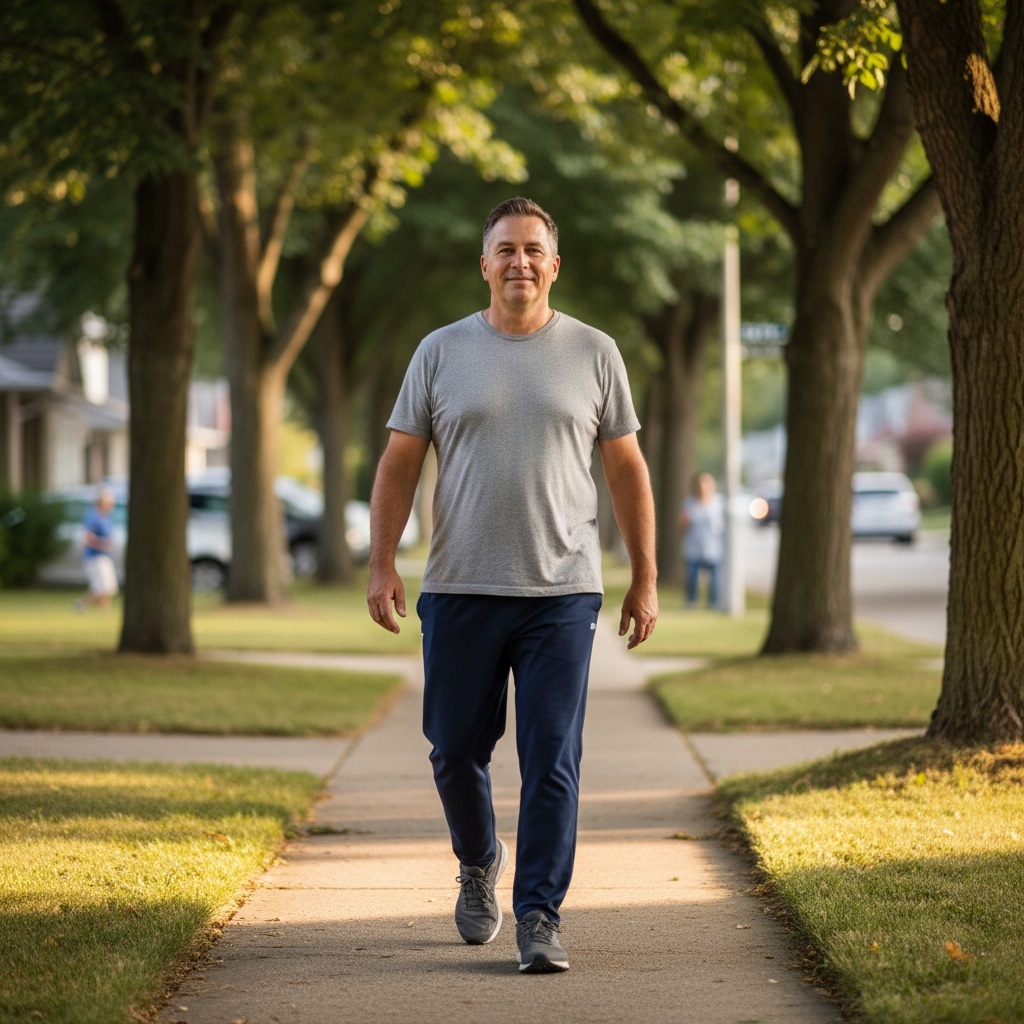
This isn’t about becoming a marathon runner or bodybuilder. This is about reclaiming your health, rebuilding your confidence, and proving to yourself that it’s not too late to change. Let’s start right now, right where you are.
When you’ve been living a sedentary lifestyle—spending most of your day sitting at a desk, in the car, or on the couch—your body needs a gentle reintroduction to movement.
Walking is the ultimate beginner workout for men over 40 because it’s:
- Low-impact exercise: Movement that’s gentle on your joints, unlike running or jumping that can stress your knees, hips, and back
- Immediately accessible: No equipment needed, no learning curve, no gym intimidation
- Naturally progressive: You can start with just five minutes and gradually build from there
- Proven effective: Walking improves cardiovascular health (keeping your heart and lungs healthy), strengthens muscles, burns calories, and boosts mental clarity
- Sustainable: Unlike intense workouts that leave you exhausted and sore, walking is something you can do every single day
The key to injury prevention is something called gradual progression—which simply means doing a little more over time, not all at once. Instead of going from zero exercise to 30-minute workouts, you’ll start with five minutes and add just one or two minutes each week. Your body adapts, strengthens, and prepares for the next small increase.
Related Article
As we discuss in The Over-40 Body Reset, your body after 40 responds differently than it did in your twenties. It needs consistency over intensity, patience over pushing, and smart progression over aggressive goals. Walking delivers all of that.

What Makes Walking Different from Other Beginner Exercises
Most exercise for men who never work out fails because it asks too much, too soon. Workout videos promise results in 30 days. Fitness programs demand six days a week. Personal trainers push you to your limits.
But when you haven’t moved your body intentionally in years, your muscles, joints, tendons, and cardiovascular system aren’t ready for that kind of demand. Walking respects where you are right now while gently preparing you for where you want to go.
Think of it like this: If your car has been sitting in the garage for five years, you wouldn’t immediately take it on a cross-country road trip. You’d start it up, let it run, drive it around the block a few times, and gradually build up to longer trips. Your body works the same way.
Understanding Your Fear: Why Injury Anxiety Is Normal (And How to Prevent It)
Let’s address the elephant in the room: you’re afraid to start exercising because of injury. This fear is completely rational, not a sign of weakness or an excuse.
You’ve heard the stories—guys your age who threw out their back lifting weights, tore their Achilles tendon playing basketball, or had a heart attack pushing too hard on a treadmill. Maybe you’ve already experienced your own wake-up call: knee pain climbing stairs, back stiffness getting out of bed, or being winded after one flight of stairs.
This anxiety about injury is actually your body’s protective mechanism trying to keep you safe. The problem is that it often keeps you too safe—completely inactive, which creates its own health risks.
The Real Injury Risks (And How Walking Avoids Them)
When starting fitness in your 40s after years of inactivity, the biggest injury risks come from:
- Doing too much, too fast: Your enthusiasm outpaces your body’s readiness
- Poor form with complex movements: Lifting weights or doing exercises incorrectly
- High-impact activities: Running, jumping, or sports that stress joints
- Ignoring pain signals: Pushing through discomfort instead of listening to your body
- Skipping warm-up: Starting intense activity with cold muscles
Walking eliminates almost all of these risks. It’s a natural movement pattern your body already knows. There’s no complex form to learn. The impact is minimal. And you can stop or slow down the instant something doesn’t feel right.
The key to injury prevention is something called gradual progression—which simply means doing a little more over time, not all at once. Instead of going from zero exercise to 30-minute workouts, you’ll start with five minutes and add just one or two minutes each week. Your body adapts, strengthens, and prepares for the next small increase.
Listening to Your Body: Pain vs. Discomfort
As you begin your walking workout for men over 40, you need to understand the difference between good discomfort and bad pain:
Normal discomfort (okay to continue):
- Mild muscle fatigue in your legs
- Slightly elevated breathing
- Light sweating
- Feeling your heart rate increase
- General tiredness after your walk
Warning pain (stop and rest):
- Sharp, stabbing pain anywhere
- Joint pain in knees, hips, or ankles
- Chest pain or pressure
- Dizziness or lightheadedness
- Extreme shortness of breath
Your body will communicate clearly if you listen. The goal isn’t to push through pain—it’s to gradually expand your comfort zone while respecting your current limitations.
Related Article
For deeper insight into overcoming the mental barriers that keep men stuck, check out Mindset Mastery: Why Most Men Stay Stuck. Fear of injury is often connected to deeper patterns of negative self-talk and limiting beliefs.

The 5-Minute Start: Your Ultra-Beginner Walking Routine
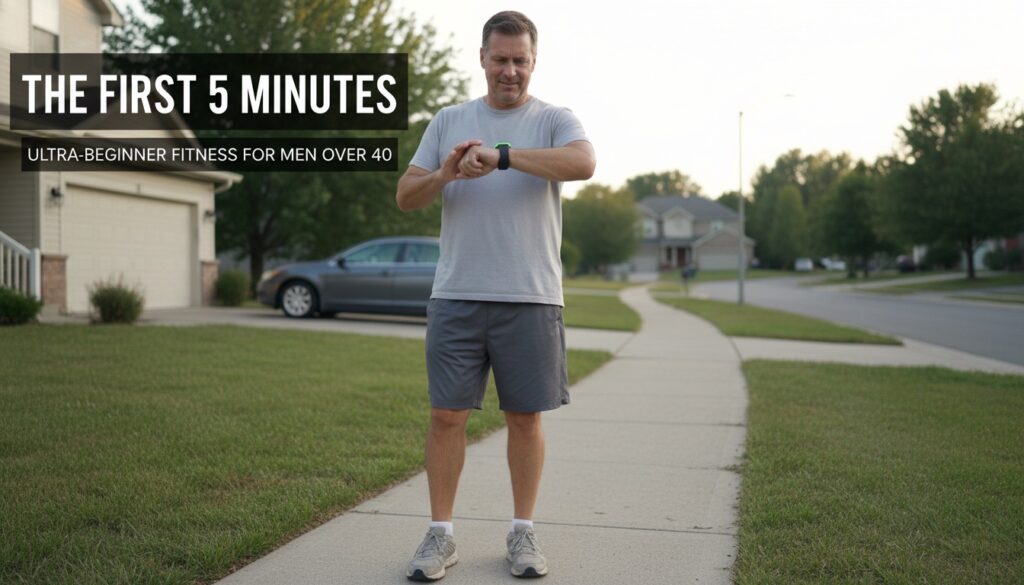
This is the easiest way to start working out for men over 40. No preparation required. No special skills needed. Just five minutes of walking.
Week 1-2: The Foundation (5 Minutes Daily)
Your only goal: Walk for 5 minutes every single day. Not 10 minutes three times a week. Not 20 minutes when you feel motivated. Five minutes. Every day.
How to do it:
- Choose the same time each day (morning, lunch break, or evening)
- Walk at a comfortable pace—you should be able to hold a conversation
- Walk anywhere: around your block, in your driveway, through your office parking lot, or on a treadmill
- Wear comfortable shoes (more on this below)
- Don’t worry about speed, distance, or form—just move
Why this works: You’re building a habit, not fitness. Your brain needs to accept this new daily routine before your body can adapt to increased demands. Five minutes is short enough that you can’t talk yourself out of it, but long enough to create real change.
What you’ll notice: By day 3-4, the walk will feel easier. By day 7, you’ll start looking forward to it. By day 14, you’ll feel restless if you skip it. This is habit formation in action.
Essential Gear: Walking Shoes for Every Budget
The only equipment you truly need is a comfortable pair of walking shoes. Your old sneakers from 2015 won’t cut it—shoes break down over time, even sitting in your closet.

Skechers Men's Go Walk series offers excellent cushioning and support without breaking the bank. Perfect for getting started without a major investment.

New Balance 997 series provides superior arch support and durability. These will last you through your entire fitness journey and beyond.

Brooks Addiction Walker is specifically designed for men who need maximum support and stability. Ideal if you have knee, hip, or back concerns.
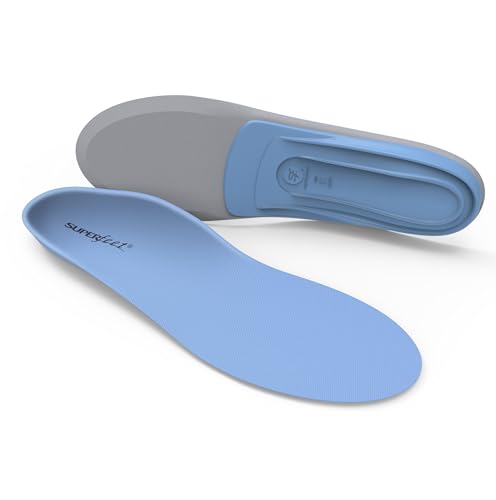
Add Superfeet insoles ($30-50) to any shoe for extra arch support and cushioning. This small investment can prevent foot, knee, and back pain.
Whatever your budget, prioritize comfort over brand names. Your shoes should feel good from day one—there’s no “breaking in” period for walking shoes.
Week-by-Week Progression: From 5 Minutes to Real Fitness
This is your walking workout plan for beginners men—a 12-week progression that takes you from completely inactive to genuinely fit. Each week builds on the last using gradual progression, so your body adapts safely.
Weeks 1-2: Building the Habit (5 minutes daily)
Focus: Consistency over everything. Walk 5 minutes every single day. Same time, same commitment.
Weeks 3-4: First Increase (7 minutes daily)
Add just 2 minutes to your walk. This 40% increase might sound small, but your body will notice. You’re now walking nearly 50 minutes per week—that’s real physical activity.
Weeks 5-6: Building Endurance (10 minutes daily)
Another 3-minute increase. You’re now at double your starting point. Notice how much easier this feels compared to week one. That’s your cardiovascular system adapting and strengthening.
Weeks 7-8: Confidence Builder (12 minutes daily)
At 12 minutes, you’re approaching the threshold where significant health benefits kick in. Your heart is stronger, your legs have more endurance, and your daily energy is noticeably higher.
Weeks 9-10: Real Fitness (15 minutes daily)
Fifteen minutes of daily walking puts you ahead of 80% of American men your age. You’re no longer a beginner—you’re someone who exercises regularly. Let that identity shift sink in.
Weeks 11-12: The New Normal (20 minutes daily)
Twenty minutes daily is the gold standard for maintaining health, managing weight, and preventing chronic disease. You’ve built something sustainable that will serve you for decades.
What Happens After Week 12?
You have several options for continued progression:
- Maintain 20 minutes daily: This is enough for lifelong health
- Increase to 30 minutes: For weight loss or enhanced fitness
- Add variety: Include hills, stairs, or intervals (faster/slower segments)
- Explore other activities: Bodyweight exercises, swimming, cycling, or strength training
Related Article
The beauty of this foundation is that it prepares you for anything. If you want to explore more comprehensive approaches to transforming your health, read The Over-40 Body Reset for strategies that integrate physical fitness with nutrition and recovery.


Common Mistakes Men Make When Starting Exercise After Years Off
Even with a simple 5 minute workout for beginners, men still find ways to sabotage themselves. Avoid these common pitfalls:
Mistake #1: Starting Too Aggressively
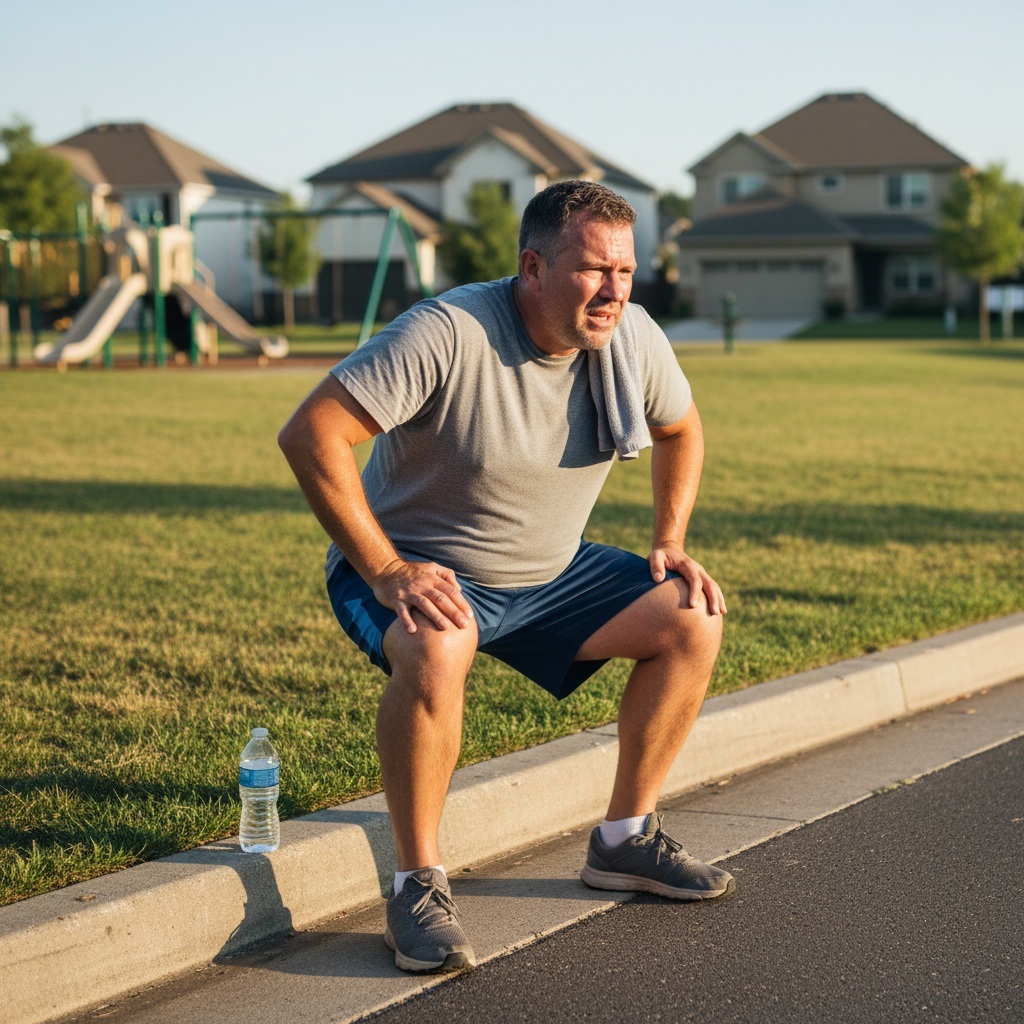
You feel motivated on day one and walk for 30 minutes. You’re sore for three days and never walk again. Start with 5 minutes even if it feels ridiculously easy. Build the habit first, fitness second.
Mistake #2: Skipping Days “To Recover”
Walking for 5-10 minutes doesn’t require recovery days. Your body can handle daily walking—in fact, it’s designed for it. Missing days breaks your habit formation and momentum.
Mistake #3: Comparing Yourself to Others
You see younger guys jogging past you and feel inadequate. Stop. Your only competition is the version of yourself from yesterday. Progress is personal, not comparative.
Mistake #4: Waiting for Perfect Conditions
“I’ll start when the weather is better.” “I’ll start after this work project.” “I’ll start when I have better shoes.” Start today, right now, with what you have. Perfect conditions never arrive.
Mistake #5: Ignoring the Mental Component
Physical fitness and mental resilience are deeply connected—this is the foundation of The Triangle of Well-being. Your walking routine isn’t just about your body; it’s about proving to yourself that you can commit to change and follow through.
Mistake #6: Not Staying Hydrated
Even short walks require proper hydration, especially if you’re over 40. Your body’s thirst signals become less reliable with age.



Aquasana’s fast-flowing Clean Water Machine removes 78 contaminants including 99% of lead & cysts, 15x more than the leading pitcher filter.
What to Expect: Realistic Results for the First 30 Days
Let’s set realistic expectations for your first month of how to start exercising after years of inactivity. Hollywood transformations are fiction—real change is slower but more sustainable.

Physical Changes You’ll Notice:
- Week 1: Mild muscle soreness (good kind), slight fatigue, improved sleep quality
- Week 2: Walking feels easier, less huffing and puffing, more energy in the afternoons
- Week 3: Noticeable improvement in stamina, clothes might fit slightly better, reduced joint stiffness
- Week 4: Visible changes in posture and how you carry yourself, measurable increase in daily energy, better mood regulation
Mental Changes You’ll Notice:
- Increased confidence: You’re proving to yourself that you can commit and follow through
- Reduced anxiety: Daily movement is a proven stress reliever
- Improved focus: Physical activity enhances cognitive function and mental clarity
- Better self-image: You’re no longer “someone who doesn’t exercise”—you’re someone who walks daily
What You Won’t See in 30 Days:
Be honest with yourself about what’s realistic:
- Major weight loss: You might lose 2-4 pounds, not 20
- Visible muscle definition: Walking tones but doesn’t build significant muscle mass
- Complete transformation: Real change takes months and years, not week
The goal isn’t dramatic transformation—it’s sustainable momentum. You’re building a foundation that will support bigger changes over time.
Supporting Your Walking Routine with Smart Nutrition
You don’t need a complicated diet, but simple nutrition improvements will amplify your results:
- Drink water before, during (if walking 15+ minutes), and after your walk
- Eat a small protein-rich snack within an hour of walking (Greek yogurt, handful of nuts, protein shake)
- Reduce processed foods and sugary drinks that undermine your efforts



Flip 7 Classic Combo – Feel better, fast with one shake a day. FLIP 7 is an unmatched, all-in-one meal replacement SUPER FOOD powder with the most nutrient rich balance of health extending blends formulated to support whole body and mind wellness.
Your Action Plan: Starting Today
You now have everything you need to begin fitness for men over 40 who haven’t exercised. No more research, no more planning, no more waiting for the perfect moment.
Your Next Steps (Complete Today):
- Choose your walking time: Morning, lunch, or evening? Pick one and commit.
- Set a daily reminder: Phone alarm, calendar notification, or sticky note on your bathroom mirror.
- Find your route: Around the block, through your neighborhood, or on a treadmill—decide now.
- Check your shoes: Do you have comfortable walking shoes? If not, order a pair today (see recommendations above).
- Walk for 5 minutes: Right now. Before you finish reading this article. Prove to yourself that you can start.
Your Commitment for the Next 14 Days:
Write this down somewhere visible:
“I commit to walking for 5 minutes every single day for the next 14 days. No exceptions, no excuses, no negotiations. This is my foundation.”
Fourteen days is enough to establish a habit but short enough to feel achievable. After two weeks, you’ll have momentum, confidence, and proof that you can do this.
Accountability and Support
Tell someone about your commitment. Your partner, a friend, a coworker, or even post it in an online community. Accountability dramatically increases your success rate.

Beyond Walking: The Bigger Picture
This 5 minute exercises for men who don’t exercise routine is just the beginning. Walking is your gateway to a complete life transformation that extends far beyond physical fitness.
As you build consistency with your walking routine, you’ll notice something interesting: other areas of your life start improving too. You’ll have more energy for your family. More mental clarity at work. More confidence in social situations. Better sleep. Improved mood.
This is the interconnected nature of well-being that we explore in The Triangle of Well-being—physical fitness, mental resilience, and financial independence all support and strengthen each other.
Your daily walk isn’t just exercise. It’s:
- A mental health practice: 5-20 minutes of stress relief and mental clarity
- A confidence builder: Daily proof that you can commit and follow through
- A foundation for bigger goals: Physical fitness that supports career ambitions and financial goals
- A life extension strategy: Adding years to your life and life to your years
Final Thoughts: It’s Not Too Late

If you’re reading this, you’re probably in your 40s or 50s, maybe even 60s. You’ve spent years—maybe decades—telling yourself it’s too late to change. That ship has sailed. You missed your chance.
That story is a lie.
The truth is that your body is remarkably adaptable at any age. Yes, you’ll progress slower than a 25-year-old. Yes, you need to be smarter about how you train. Yes, you have to respect your current limitations.
“You don’t have to be great to start, but you have to start to be great.”
– Zig Ziglar
But you can absolutely get stronger, fitter, healthier, and more capable than you are right now. The man you’ll be in six months, one year, or five years is entirely up to the choices you make today.
This starting fitness routine in your 50s male or 40s isn’t about competing with your younger self or with other men. It’s about becoming the healthiest, strongest, most capable version of yourself at this stage of life.
Five minutes. That’s all it takes to start. Not tomorrow, not Monday, not after the holidays. Today. Right now.
Put on your shoes and walk out your front door. Five minutes. You can do this!
Disclosure
This article contains affiliate links. If you choose to make a purchase through these links, we may earn a commission at no additional cost to you.
Important Note: The information in this post is meant to educate and inform, not to replace professional medical advice. While we’ve spent years studying health and wellness, we’re not licensed healthcare providers. Everyone’s body and circumstances are different, so what works for one person might not work for another. Always check with your doctor before starting any new exercise program or making significant lifestyle changes, especially if you have pre-existing conditions. By reading and using this information, you’re taking responsibility for your own health decisions.