The August Body Reset: Preparing for Fall Fitness Success
If you’re like most men over 40, summer probably threw your fitness routine a curveball. Maybe the kids’ schedules, vacation travel, or those backyard barbecues derailed your momentum. Or perhaps you crushed your summer goals but now you’re wondering how to keep that energy going when the seasons change.
Here’s the thing – August is actually the perfect month for a body reset. While everyone else is scrambling in September, you can use these final weeks of summer to set yourself up for the most successful fall fitness season of your life.
“The best time to plant a tree was 20 years ago. The second best time is now – and August is your moment to plant the seeds for fall fitness success.”
The August body reset for men over 40 isn’t about starting over from scratch. It’s about taking what worked, fixing what didn’t, and creating a sustainable bridge to fall fitness preparation that actually sticks. Whether you’re dealing with a tight budget, a crazy work schedule, or just feeling overwhelmed by all the fitness advice out there, this practical approach will meet you exactly where you are.
By the end of this article, you’ll have a clear 4-week plan to transition smoothly from summer activities to a sustainable fall fitness routine that builds lasting strength, energy, and momentum for the season ahead. No gym membership required, no complicated equipment needed – just proven strategies that work for real guys with real lives.
Disclosure
This article contains affiliate links. If you choose to make a purchase through these links, we may earn a commission at no additional cost to you.
Why August is the Perfect Reset Month

The Psychology of Seasonal Transitions
Think about it – August has this unique energy that’s different from any other month. Kids are getting ready to go back to school, the weather starts hinting at cooler days ahead, and there’s this natural “fresh start” feeling in the air. Even if you don’t have kids, you probably feel it too. It’s like nature’s way of giving us a second chance at New Year’s resolutions.
This seasonal fitness reset window is pure gold for men over 40. Your brain is already primed for change, which means you’re fighting with your psychology instead of against it. Compare that to trying to start a new routine in the middle of winter when everything feels stagnant – August gives you momentum you can actually use.
The back-to-school energy isn’t just for kids. Adults feel it too, even decades after graduation. It’s hardwired into us. Use that energy to fuel your routine adjustment instead of letting it slip by. This is your chance to tap into that “new semester” motivation and channel it into building the habits that will carry you through fall and beyond.
The 40+ Advantage in August
Here’s something most fitness advice misses – being over 40 actually gives you advantages in August that younger guys don’t have. You’ve got experience. You know what works and what doesn’t. You’re not chasing the latest fitness fad; you’re looking for what’s sustainable.
Your body also responds differently to seasonal adaptation than it did in your twenties. Your testosterone levels naturally fluctuate with the seasons (they typically start rising in fall), which means August is the perfect time for metabolic preparation. Think of it as priming the pump for when your body naturally wants to build strength and muscle.
Plus, you’ve probably learned that crash diets and extreme workout programs don’t work long-term. That wisdom is your secret weapon. While younger guys are burning out on unsustainable routines, you can build something that actually lasts.
The key is working with your body’s natural rhythms instead of against them. August gives you the perfect opportunity to assess, adjust, and prepare for a fall fitness foundation that builds on your experience rather than ignoring it.
Related Article
For more on leveraging your experience and wisdom in fitness, check out our comprehensive guide on proven reset strategies that work specifically for men in their 40s and beyond.
The August Reset Protocol: Your 4-Week Foundation
This isn’t about perfection – it’s about progress. The August Reset Protocol breaks down into four manageable weeks, each building on the last. You can start this any week in August, and if you miss a day or even a week, just pick up where you left off. Life happens, and this plan accounts for that.
Week 1
Assessment & Goal Setting
What you’re doing: Taking an honest look at where you are and where you want to be by October.
Start with a simple fitness assessment. Don’t overthink this – you’re not training for the Olympics. Can you walk up two flights of stairs without getting winded? How many push-ups can you do? (Even if it’s zero, that’s your starting point.) Can you touch your toes? These basic measurements tell you everything you need to know.
Next, identify your fall fitness goals. Maybe you want to join a recreational basketball league, go hiking with your family, or just have the energy to play with your grandkids. Write down three specific activities you want to be able to do comfortably by November. Make them real and personal to you.
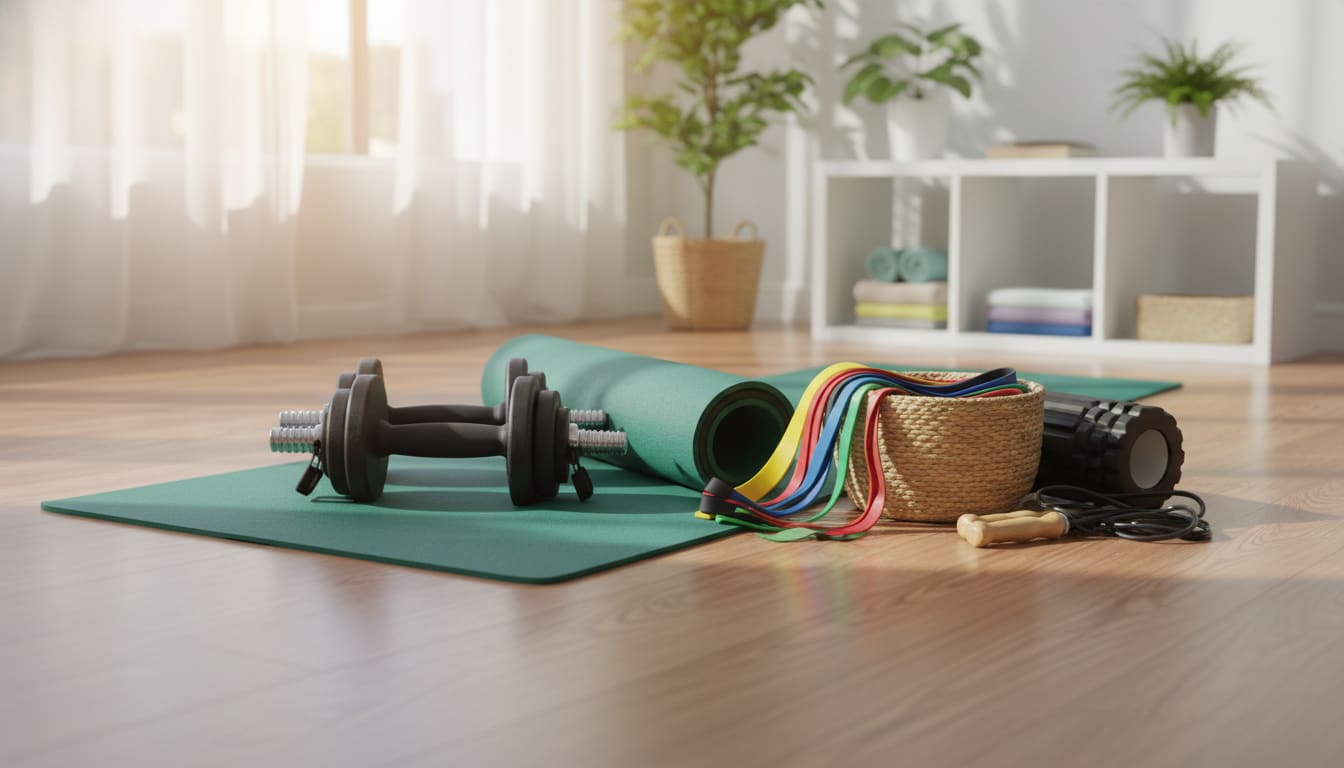
Finally, evaluate your equipment and space. You don’t need a home gym – a small corner of your living room works fine. Take inventory of what you have: resistance bands, dumbbells, a yoga mat, or even just a sturdy chair. If you’re starting from scratch, don’t worry – we’ll cover budget-friendly options throughout this plan.

Week 2
Routine Restructuring
What you’re doing: Adapting your schedule and activities for the changing season.
This is where your transitional fitness plan takes shape. Summer routines often rely on long daylight hours and warm weather. Fall routines need to work when it’s dark at 6 PM and raining
Start by mapping out your ideal weekly schedule. Be realistic about your work commitments, family time, and other responsibilities. Maybe you can’t do hour-long workouts, but you can manage 20-30 minutes most days. That’s perfectly fine – consistency beats intensity every time.
Plan your indoor/outdoor balance. If you love running outside, what’s your backup plan for rainy days? If you’ve been swimming all summer, how will you maintain that cardio base when the pool closes? The goal isn’t to replicate your summer routine exactly – it’s to maintain your fitness momentum through the transition.
Consider your schedule changes too. If you’ve been working out at lunch during flexible summer hours, but fall means back-to-back meetings, you might need to shift to early morning or evening sessions. Test different times this week to see what feels sustainable.

Related Article
Need help creating a support system for your new routine? Our guide on building your support system offers practical strategies for staying accountable without relying on expensive personal trainers or gym memberships.
Week 3
Strength & Conditioning Focus
What you’re doing: Building the physical foundation for fall activities.
This week is about strength maintenance and preparing your body for the activities you identified in Week 1. Don’t worry – we’re not talking about powerlifting or CrossFit. We’re talking about functional strength that makes everyday life easier.
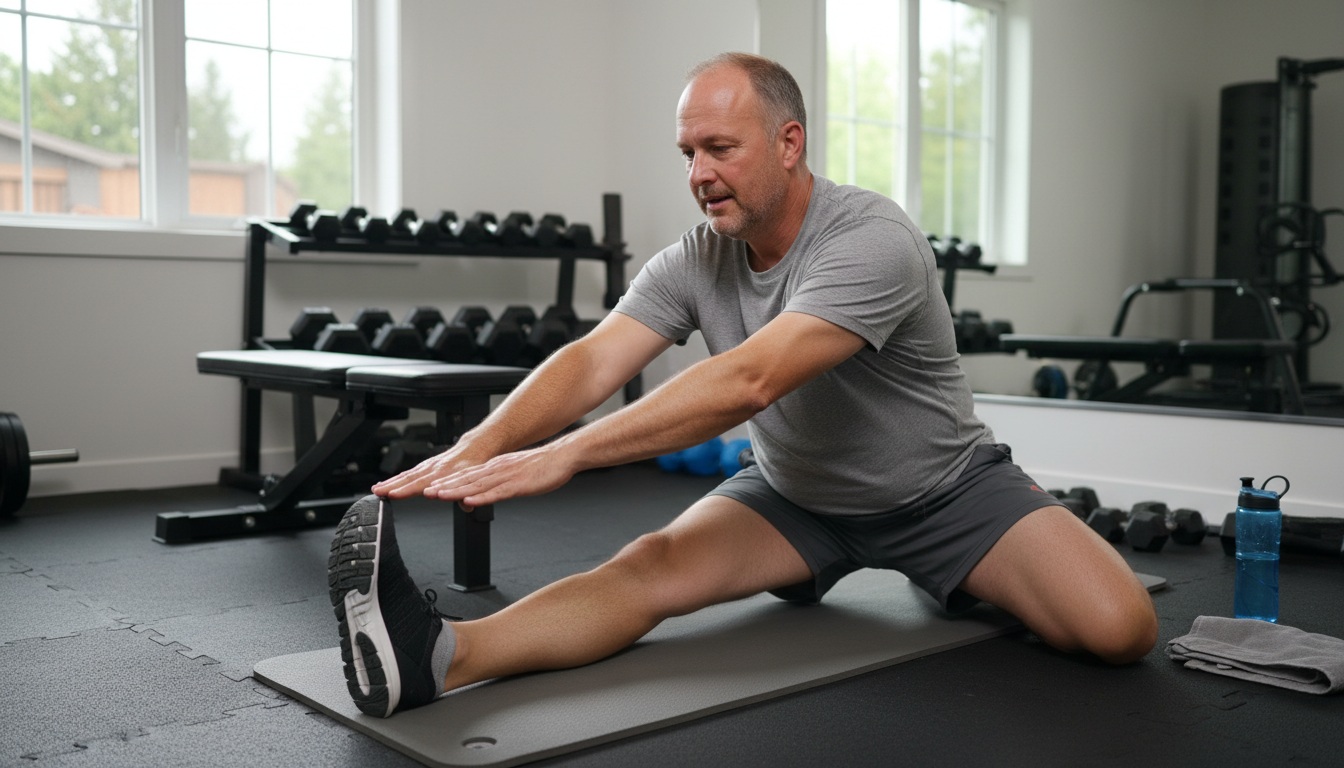
Focus on your core first. A strong core prevents back pain, improves your posture, and makes every other exercise more effective. Simple planks, modified crunches, and standing marches (lifting your knees toward your chest while standing) are perfect starting points. Aim for 10-15 minutes of core work every other day.
Add in basic strength movements that use multiple muscle groups. Push-ups (modified on your knees if needed), squats (using a chair for support if necessary), and simple rowing motions with resistance bands hit all your major muscle groups efficiently. Start with 2 sets of 8-12 repetitions and build from there.
Don’t forget about joint mobility preparation. Spend 5-10 minutes each day on gentle stretching and movement. Your shoulders, hips, and ankles need to stay flexible for fall activities like raking leaves, playing sports, or even just getting in and out of cars comfortably.

Week 4
Integration & Testing
What you’re doing: Putting it all together and fine-tuning your approach.
This is your autumn readiness system test drive. You’re going to run through your planned fall routine as if it were already September. This week reveals what works, what doesn’t, and what needs adjustment before the season officially changes.
Try your full routine for at least three days this week. Pay attention to how you feel, what’s challenging, and what feels sustainable. If 30-minute workouts leave you exhausted, maybe 20 minutes is your sweet spot. If certain exercises cause discomfort, find modifications or alternatives.
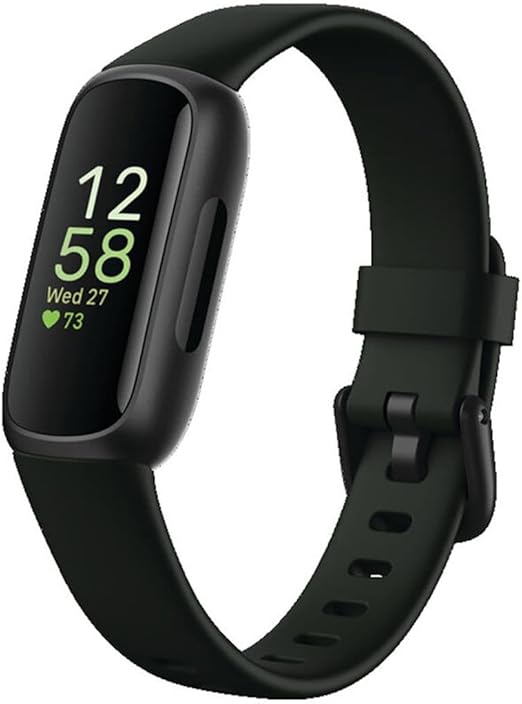
Set up your accountability system now. This might be a workout buddy, a simple tracking app on your phone, or just a calendar where you mark off completed workouts. The key is choosing something you’ll actually use consistently, not something that adds stress to your life.
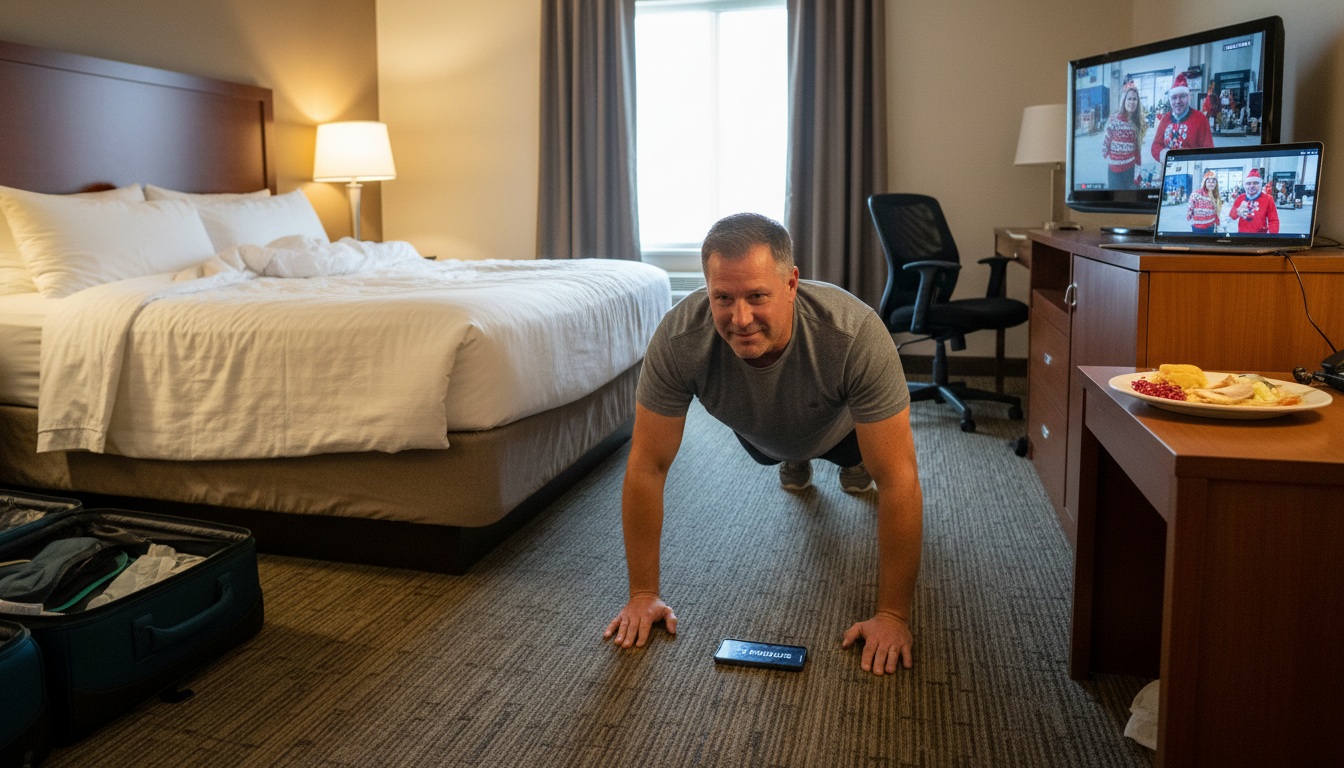
Test your backup plans too. What happens when it rains? When you’re traveling? When you’re sick? Having these scenarios figured out ahead of time prevents minor setbacks from becoming major derailments.
Related Articles
For a deeper dive into honest self-assessment strategies that actually work, check out our proven assessment techniques designed specifically for men who want real results, not just good intentions
Transitioning from Summer Activities

From Outdoor to Indoor Balance
The biggest challenge in summer to fall fitness transitions isn’t physical – it’s mental. You’ve probably gotten used to the freedom of outdoor workouts, longer daylight hours, and the energy that comes with vitamin D from sunshine. Fall doesn’t have to mean giving all that up, but it does mean having solid backup plans.
Seasonal adaptation is about flexibility, not compromise. If you’ve been running outside, you don’t have to switch to a treadmill exclusively. But you do need options for when the weather doesn’t cooperate. This might mean finding covered areas like parking garages for walking, investing in weather-appropriate gear, or having a 20-minute indoor routine ready to go.
Home gym optimization doesn’t require a big budget or dedicated room. A corner of your bedroom, basement, or even garage can work. The key is making it convenient and removing barriers. If you have to move furniture every time you want to work out, you probably won’t stick with it. Set up a space that’s ready to go with minimal preparation.
Community centers are often overlooked goldmines for exercise periodization. Many offer day passes for $5-10, giving you access to pools, tracks, and basic equipment without monthly gym fees. Libraries sometimes have community rooms you can reserve for free. Get creative with public spaces that are already available in your area.

Activity-Specific Transitions
Let’s get practical about autumn workout preparation. If you’ve been swimming laps all summer, you’re not going to find an exact indoor replacement, but you can maintain that cardiovascular base with activities that use similar muscle groups and energy systems.
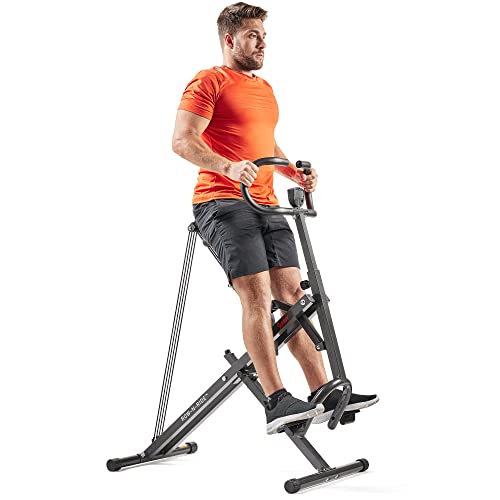
Swimming builds cardiovascular endurance and works your whole body with low impact on joints. Indoor alternatives might include rowing machines (many gyms have them, or you can find basic models for around $150), elliptical trainers, or even dancing. The key is finding something that gets your heart rate up for sustained periods without beating up your joints.
If hiking has been your thing, stair climbing and incline training can maintain those leg strength gains. Many office buildings, apartment complexes, or public spaces have stairs you can use. Start with 5-10 minutes and build up. Add a weighted backpack as you get stronger to simulate the resistance of hiking with gear.
Beach volleyball players can look into indoor recreational leagues, but if that’s not available or affordable, focus on the movement patterns: jumping, quick direction changes, and hand-eye coordination. Jump rope (a $10 investment), agility ladder drills in your living room, or even playing catch with a tennis ball against a wall can maintain those skills.
Maintaining Summer Gains
Here’s the truth about fitness transition strategies – you don’t have to maintain everything at the exact same level. That’s not realistic or necessary. The goal is to maintain enough fitness so that you don’t feel like you’re starting over in spring.
Cardiovascular endurance preservation is your priority. This is what makes daily activities feel easier and gives you energy throughout the day. You don’t need to maintain peak summer cardio levels, but you want to keep your heart and lungs conditioned. Three 20-30 minute sessions per week of moderate activity (where you can still hold a conversation) will maintain most of your gains.
Muscle mass retention becomes more important as we age, but it doesn’t require hours in the gym. Two strength sessions per week hitting all major muscle groups will maintain what you’ve built. Focus on compound movements (exercises that work multiple muscles at once) like squats, push-ups, and rows rather than isolation exercises.
Flexibility maintenance is often overlooked but crucial for injury prevention and daily comfort. Spend 10 minutes every day on gentle stretching or mobility work. This can be while watching TV, before bed, or first thing in the morning. Consistency matters more than intensity here.
Related Articles
Building on your summer nutrition success? Our comprehensive guide to summer nutrition strategies includes practical tips for transitioning your eating habits as seasons change, without complicated meal plans or expensive supplements.
Nutrition & Recovery Adjustments

Seasonal Nutrition Shifts
Seasonal body transformation isn’t just about exercise – what you eat and how you recover plays a huge role in maintaining energy and motivation as the days get shorter and temperatures drop.
Hydration needs change as the weather cools, but they don’t disappear. You might not feel as thirsty, but your body still needs adequate water for metabolic preparation and recovery. A simple rule: drink a glass of water when you wake up, before each meal, and before bed. That’s four glasses right there, and you can sip throughout the day to reach the recommended 8-10 glasses.
Your immune system needs extra support as kids go back to school and cold season approaches. This doesn’t mean expensive supplements – it means focusing on nutrient-dense foods that are naturally in season. Apples, pears, squash, and root vegetables are typically affordable in fall and packed with vitamins and fiber.
Energy level optimization becomes crucial as daylight hours shrink. Your body’s natural circadian rhythms are shifting, which can affect sleep and energy. Eating regular meals with balanced protein, carbs, and healthy fats helps maintain steady blood sugar and energy levels throughout the day.
Related Article

Flip 7 Chocolate Courage Feel better, fast with one shake a day. FLIP 7 is an unmatched, all-in-one meal replacement SUPER FOOD powder with the most nutrient rich balance of health extending blends formulated to support whole body and mind wellness.
Recovery Protocol Updates
Recovery optimization becomes even more important during seasonal transitions because your body is adapting to new routines, different activity levels, and changing environmental conditions.
Sleep schedule adjustments for changing daylight can be challenging. Your body produces melatonin (the sleep hormone) in response to darkness, so shorter days can actually help with sleep if you work with them instead of against them. Try to get some natural light exposure in the morning, even if it’s just sitting by a window while you have coffee.
Stress management for back-to-routine season is crucial. September brings schedule changes, work pressures, and family adjustments that can derail fitness plans. Simple stress management techniques like deep breathing (4 counts in, 4 counts out, for 2-3 minutes), short walks, or even just stepping outside for fresh air can make a big difference.
Active recovery planning means having low-intensity activities ready for days when you’re sore, tired, or stressed but still want to move. This might be gentle stretching, easy walking, or even household activities like cleaning or gardening that keep you moving without adding stress to your system.
Related Article
Mental Preparation & Mindset
Overcoming Seasonal Motivation Dips
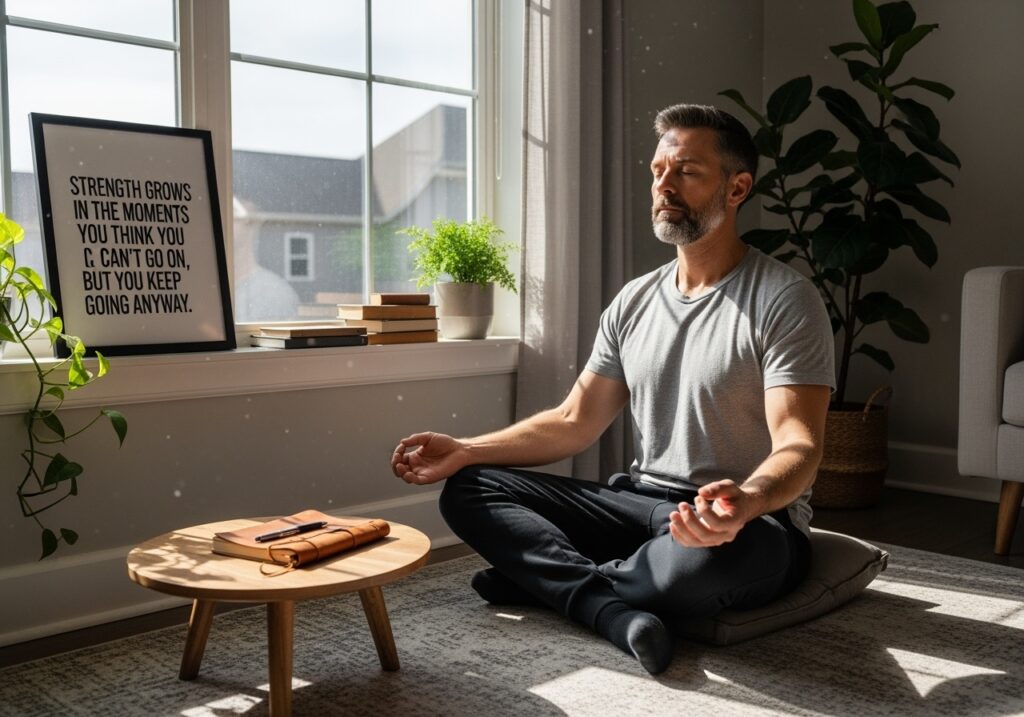
Let’s be honest – mental resilience gets tested when the seasons change. The excitement of summer activities fades, schedules get busier, and it’s easy to fall into the “I’ll start again in January” mindset. This is where mindset preparation becomes your secret weapon.
The key is reframing the seasonal transition as an opportunity, not a loss. Instead of thinking “summer’s over and now I have to exercise indoors,” try “I get to build a routine that works year-round.” Instead of “it’s getting dark earlier,” think “I have more cozy evening time to focus on my health.”
Motivation maintenance strategies that actually work are simple and don’t require willpower. Set up visual reminders of your goals – maybe it’s a photo of the hiking trail you want to tackle next spring, or just a note on your bathroom mirror. Make your workout clothes visible and easily accessible. Remove barriers instead of relying on motivation alone.
Goal visualization techniques
Spend 2-3 minutes each morning imagining how you’ll feel after completing your workout that day. Picture the energy, the sense of accomplishment, the physical sensations of being strong and capable. Your brain doesn’t distinguish between vividly imagined experiences and real ones – use that to your advantage.
Accountability partner systems work best when they’re low-pressure and mutual. Find someone who also wants to stay active – maybe a neighbor, coworker, or family member. You don’t have to work out together; just check in with each other a few times a week. A simple text saying “got my workout in today” can provide just enough external motivation to keep you consistent.

Building Fall Fitness Confidence
Confidence building in fitness isn’t about being the strongest or fastest – it’s about proving to yourself that you can stick to commitments you make. Every completed workout, no matter how short or simple, builds that self-trust.
Start with small wins that are almost impossible to fail at. Maybe it’s doing 5 push-ups every morning, or walking to the end of your driveway and back. These micro-habits build momentum and create positive associations with movement. Once these feel automatic, you can gradually increase the challenge.
Success mindset development comes from focusing on process goals rather than outcome goals. Instead of “I want to lose 20 pounds by Christmas,” try “I want to move my body for 20 minutes, 4 days this week.” You have complete control over the process, but outcomes depend on many factors beyond your control.
Progress documentation doesn’t require fancy apps or complicated tracking. A simple calendar where you mark off completed workouts works perfectly. Seeing those X’s accumulate over time provides powerful visual proof of your consistency. Take a photo of yourself once a week – not for social media, but for your own reference. Changes happen gradually, and photos help you see progress that mirrors might miss.
Community engagement can be as simple as joining online groups related to your interests, or as involved as joining local recreational leagues. The key is finding your comfort level and building connections around shared goals rather than competition.
Related Articles
For proven confidence-building strategies specifically designed for men over 40, check out our comprehensive guide on building unshakeable confidence that addresses the unique challenges and opportunities that come with this stage of life.
Equipment & Environment Setup
Fall Fitness Gear Essentials
Fall workout gear doesn’t have to break the bank, but having the right basics makes a huge difference in your consistency and comfort. The goal is removing excuses and barriers, not building a professional gym.
Weather-appropriate clothing is your first investment. You don’t need expensive athletic brands – comfortable clothes you can move in are perfect. Layers are key for fall weather that can change throughout the day. A basic moisture-wicking t-shirt (even from discount stores), a light sweatshirt, and comfortable pants or shorts give you options for different temperatures and activities.
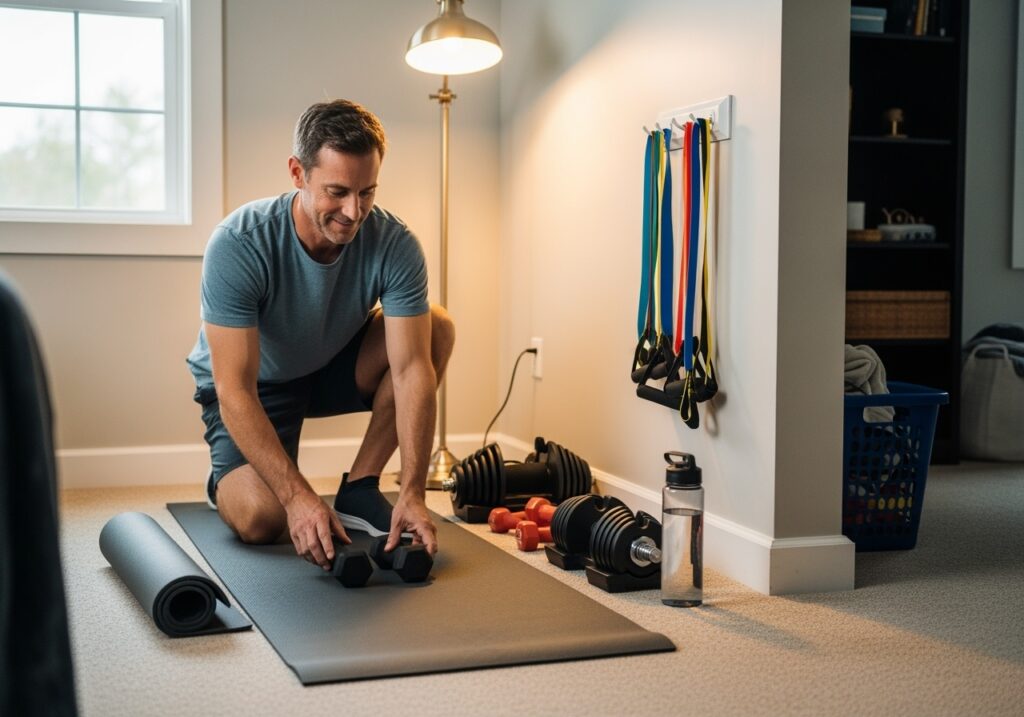
Indoor exercise equipment can be minimal and versatile. Resistance bands provide strength training for all muscle groups and cost under $20. A yoga mat creates a defined workout space and provides cushioning for floor exercises. A set of adjustable dumbbells or even gallon water jugs can provide resistance training. The key is choosing equipment you’ll actually use consistently.
Safety gear for outdoor activities becomes more important as conditions change. Reflective clothing or accessories for early morning or evening activities, proper footwear with good tread for wet conditions, and basic first aid supplies for outdoor adventures. A simple headlamp extends your outdoor activity options as daylight hours shrink.
Related Articles


Creating Your Fall Fitness Environment
Workout environment setup is about convenience and motivation, not perfection. The best home gym is the one you’ll actually use, which usually means simple, accessible, and ready to go with minimal setup.
Lighting considerations for shorter days are crucial but often overlooked. If you’re working out early morning or evening, make sure your space has adequate lighting. Poor lighting can lead to injuries and makes workouts feel less energizing. A simple floor lamp or even string lights can transform a basement or garage corner into an inviting workout space.
Temperature control strategies don’t require expensive equipment. Dress in layers you can remove as you warm up. Use fans for air circulation in warmer months, and don’t be afraid to exercise in cooler temperatures – your body will warm up quickly once you start moving.
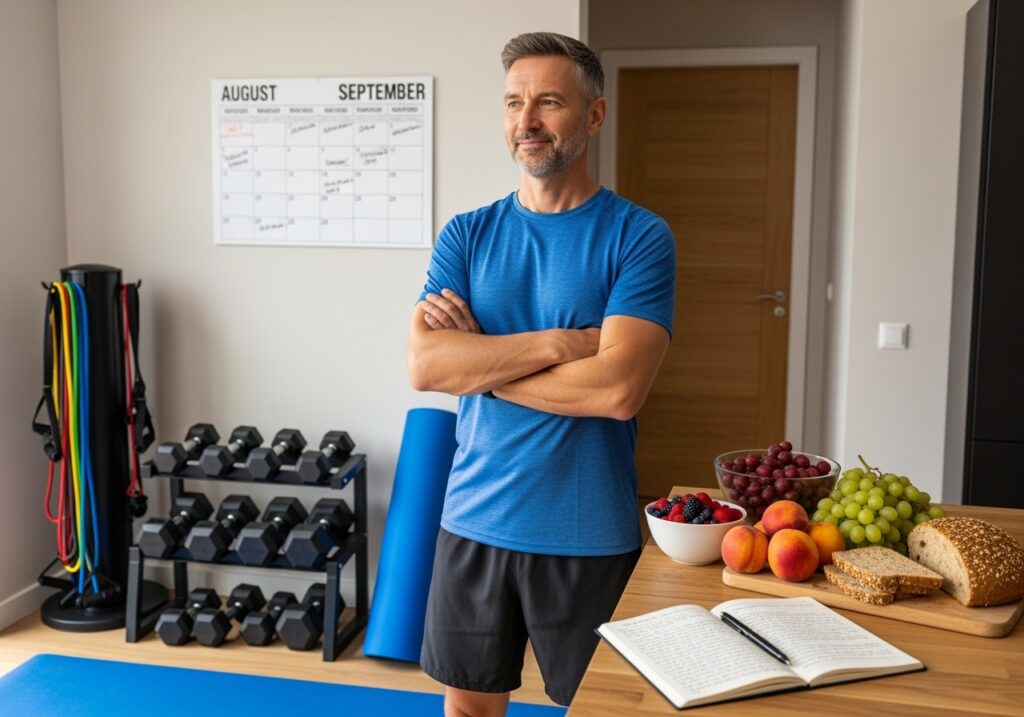
Fitness space optimization works in any size space. A 6×6 foot area is enough for most bodyweight exercises. Use vertical space for storage – hooks on walls for resistance bands, a small shelf for water bottles and towels. Keep equipment visible and easily accessible. If you have to dig through closets to find your workout gear, you probably won’t use it.
Motivation and inspiration setup can be as simple as a motivational quote on the wall or as elaborate as a vision board with your fitness goals. The key is surrounding yourself with visual reminders of why you’re doing this and how good you’ll feel when you’re done.
Tracking Progress & Staying Accountable

Measurement Strategies
Progress tracking for men over 40 should focus on how you feel and what you can do, not just what you weigh or how you look. The scale can be misleading because muscle weighs more than fat, and daily fluctuations from hydration, stress, and other factors can be discouraging.
Fitness metrics that actually matter include energy levels throughout the day, sleep quality, how easily you can climb stairs, and whether daily activities feel easier. These functional improvements often happen before visible changes and provide more meaningful motivation for long-term success.
Simple measurement methods include taking body measurements once a month (chest, waist, hips, arms), noting how many push-ups or squats you can do, and tracking how long you can walk or exercise before feeling winded. These numbers tell a much more complete story than weight alone.
Accountability systems work best when they’re simple and don’t add stress to your life. This might be a workout buddy who checks in via text, a simple calendar where you mark completed workouts, or even just taking a daily photo of your workout setup to share with a supportive friend or family member.

Community & Support Systems
Fitness community doesn’t have to mean expensive gym memberships or intimidating group classes. Online communities, neighborhood walking groups, or even family members who support your goals can provide the encouragement and accountability that make the difference between success and giving up.
Support networks can be formal or informal. Maybe it’s a coworker who also wants to get healthier, a neighbor who’s interested in evening walks, or an online group focused on fitness after 40. The key is finding people who understand your challenges and celebrate your victories, no matter how small.
Local options might include community center programs, recreational sports leagues, hiking groups, or even informal meetups organized through social media. Many communities have free or low-cost programs specifically designed for adults looking to improve their health and fitness.
Accountability partners work best when expectations are clear and reasonable. You’re not looking for someone to police your every decision – you want someone who cares about your success and provides gentle encouragement when motivation is low. This might be as simple as a weekly check-in text or as involved as working out together regularly.

Related Articles
For comprehensive strategies on building your support network without expensive memberships or complicated systems, explore our detailed guide on creating your support system with practical, budget-friendly approaches.
Your August Reset Action Plan
Now that you have all the information, let’s make this actionable. August body reset success comes from taking consistent small steps, not trying to change everything at once.
This Week: Complete your fitness assessment and identify your top 3 fall fitness goals. Set up your workout space, even if it’s just clearing a corner of a room. Order one piece of basic equipment if you don’t have anything to work with.
Week 2: Test your new routine schedule. Try working out at different times to see what feels sustainable. Make backup plans for weather or schedule disruptions. Connect with one person who can provide support and accountability.
Week 3: Focus on building strength and mobility with the exercises outlined above. Start with what you can do comfortably and gradually increase intensity or duration. Pay attention to how your body responds and adjust accordingly.
Week 4: Run through your complete fall routine as if it were already September. Fine-tune what works, fix what doesn’t, and prepare for the seasonal transition with confidence.
September and Beyond: Stick to your plan but stay flexible. Life will throw curveballs, weather will be unpredictable, and motivation will fluctuate. That’s normal and expected. The goal is progress, not perfection.
Final Thoughts
Your August body reset isn’t just about preparing for fall – it’s about proving to yourself that transformation is always possible, no matter the season of life you’re in. Whether you’re 42 or 62, whether you have a home gym or just a living room floor, whether you have an hour a day or just 15 minutes, you can build a sustainable fall fitness routine that enhances your life instead of complicating it
The strategies in this article work because they’re based on reality, not perfection. They account for busy schedules, limited budgets, and the fact that motivation comes and goes. Most importantly, they’re designed for men who want to feel strong, energetic, and capable as they navigate the challenges and opportunities that come with being over 40.
“Your August reset isn’t just about preparing for fall – it’s about proving to yourself that transformation is always possible, no matter the season of life you’re in.”
Remember, you don’t have to implement everything at once. Pick one or two strategies that resonate with you and start there. Build momentum with small wins, and gradually add more elements as they become habits.
The men who succeed with fall fitness preparation aren’t the ones who have perfect plans – they’re the ones who start where they are, use what they have, and do what they can. Your August reset begins with your next decision to move your body, fuel it properly, and treat it with the respect it deserves.
Continue your transformation journey with our 90-day challenge designed to help you build lasting habits that extend well beyond the fall season.
Disclosure
This article contains affiliate links. If you choose to make a purchase through these links, we may earn a commission at no additional cost to you.
Important Note: The information in this post is meant to educate and inform, not to replace professional medical advice. While we’ve spent years studying health and wellness, we’re not licensed healthcare providers. Everyone’s body and circumstances are different, so what works for one person might not work for another. Always check with your doctor before starting any new exercise program or making significant lifestyle changes, especially if you have pre-existing conditions. By reading and using this information, you’re taking responsibility for your own health decisions.