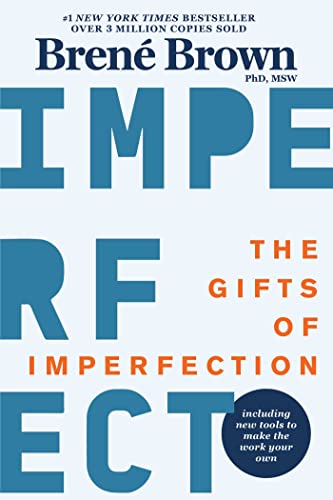
Book Review: “The Gifts of Imperfection” by Brené Brown
Ever feel like you’re not good enough, no matter what you achieve? Like you’re constantly wearing a mask, pretending you’ve got it all together while secretly wondering when everyone will figure out you’re just winging it? If you’re nodding your head right now, you’re not alone—and this book might just change everything for you.
“Owning our story and loving ourselves through that process is the bravest thing that we will ever do.”
– Brené Brown
The Gifts of Imperfection by Brené Brown isn’t your typical self-help book. It’s a raw, honest guide to letting go of who you think you’re supposed to be and embracing who you actually are. For men in their 40s and 50s who’ve spent decades trying to meet everyone else’s expectations, this book offers something rare: permission to be imperfect.
In this Gifts of Imperfection review for men over 40, we’ll break down why this book matters, what you’ll actually learn, and how it connects to building a better life across physical wellness, mental resilience, and financial independence.
Disclosure
This article contains affiliate links. If you choose to make a purchase through these links, we may earn a commission at no additional cost to you.
What This Book Is Really About
Let’s cut through the fluff. The Gifts of Imperfection is about wholehearted living—which basically means living authentically without constantly worrying what others think. It’s about pursuing what matters to you, even if your buddies think it’s “weird” or your family doesn’t get it.
Brené Brown, a research professor who’s spent decades studying shame, vulnerability, and courage, breaks down ten “guideposts” for living wholeheartedly. These aren’t complicated theories or corporate buzzwords—they’re practical principles backed by real research and real stories.
The core message? You are enough, exactly as you are. Not when you lose 20 pounds. Not when you make six figures. Not when you finally get your life “together.” Right now. Today.
For guys who’ve spent their lives chasing the next achievement, thinking that’s when they’ll finally feel worthy, this message hits different.
Why This Book Matters for Men Over 40
Here’s the thing about hitting your 40s and 50s: you start realizing that the game you’ve been playing—the one where you’re supposed to have it all figured out, never show weakness, and always be “strong”—is exhausting. And worse, it’s not even working.

This self-acceptance book for men addresses the elephant in the room: perfectionism is killing your joy, your relationships, and your peace of mind.
The Gifts of Imperfection review wouldn’t be complete without acknowledging what makes this book especially relevant for men in midlife:
- You’ve accumulated enough life experience to know that pretending to be perfect doesn’t work
- You’re tired of the performance—at work, at home, on social media
- You’re ready for something real, even if it’s uncomfortable
- You want deeper connections but don’t know how to get there without looking “weak”
This isn’t about becoming soft or giving up on your goals. It’s about building authentic confidence—the kind that doesn’t crumble when things go wrong because it’s not based on being perfect.
If you’ve been working on building unshakeable confidence in your 40s and beyond, this book provides the mental framework to support that journey.
Key Lessons from The Gifts of Imperfection
1. Vulnerability Is Courage, Not Weakness
Vulnerability means being honest about your struggles and fears instead of pretending everything’s perfect. It’s admitting to a friend that you’re worried about money instead of acting like you’ve got it all figured out.
Brown’s research shows that vulnerability isn’t weakness—it’s actually the birthplace of courage, creativity, and connection. Every meaningful relationship, career risk, or personal transformation requires vulnerability.
Real-world example: Instead of saying “I’m fine” when you’re struggling, you tell your partner, “I’m feeling overwhelmed and could use some support.” That’s vulnerability. And it’s brave as hell.
2. Shame Resilience Changes Everything
Shame resilience is the ability to bounce back when you feel “not good enough.” It’s making a mistake at work and learning from it instead of beating yourself up for days.
Brown identifies shame as the silent killer of dreams, relationships, and progress. For men, shame often sounds like: “Real men don’t struggle with this,” “You should have it together by now,” or “What’s wrong with you?”
Building shame resilience means recognizing these thoughts, talking about them (yes, out loud), and refusing to let them define you.
This connects directly to the power of progressive mindset—understanding that growth happens through imperfection, not despite it.
3. Let Go of Perfectionism
Perfectionism isn’t about healthy striving or self-improvement. It’s about trying to earn approval and avoid shame, criticism, and judgment.
Here’s the brutal truth: perfectionism is a 20-ton shield that we carry around thinking it will protect us, but it’s actually preventing us from being seen.
For men over 40, this often shows up as:
- Refusing to try new things because you might not be immediately good at them
- Overworking to prove your worth
- Avoiding difficult conversations because you don’t know the “perfect” thing to say
- Not starting that business, book, or fitness journey until conditions are “perfect”
Brown offers a better approach: healthy striving. This means setting goals and working toward them while accepting that mistakes are part of the process, not proof of failure.
If you’re struggling with overcoming fear of judgment in midlife, this section alone is worth the price of the book.
4. Cultivate Self-Compassion
Self-compassion means treating yourself with the same kindness you’d show a good friend. Instead of calling yourself a failure for missing a workout, you say, “I’m human, I’ll get back on track tomorrow.”
Most men are brutal to themselves in ways they’d never be to anyone else. We have an inner critic that would make a drill sergeant look gentle.
Brown’s research shows that self-compassion isn’t self-indulgence—it’s actually what allows us to acknowledge our mistakes, learn from them, and keep moving forward. People with high self-compassion are more resilient, not less.
Practical application: Next time you mess up, pause and ask yourself, “What would I say to a friend in this situation?” Then say that to yourself.
This principle supports the mental resilience work we discuss in mindset mastery: why most men stay stuck.
5. Embrace Your Authentic Self
Authenticity is the daily practice of letting go of who we think we’re supposed to be and embracing who we are. It’s choosing courage over comfort, what’s right over what’s fun or easy, and practicing values over simply professing them.
For guys who’ve spent decades playing roles—the provider, the tough guy, the guy who has it all together—this is revolutionary.
Real talk: Being authentic doesn’t mean oversharing or having no boundaries. It means your outside matches your inside. You’re not performing a version of yourself; you’re just being yourself.
How This Book Connects to Your Three Pillars

Mental Resilience
The entire book is essentially a masterclass in mental resilience.
Brown’s guideposts teach you how to:
- Recognize and combat shame
- Build emotional strength through vulnerability
- Develop a growth mindset that embraces imperfection
- Create boundaries that protect your peace
- Practice gratitude and joy even during difficult times
These aren’t abstract concepts—they’re practical tools for building genuine confidence that lasts.
Physical Wellness
You might wonder how a book about imperfection relates to physical health. Here’s the connection: perfectionism is one of the biggest obstacles to sustainable fitness habits.
How many times have you started a workout routine, missed a day, and then quit entirely because you “blew it”? That’s perfectionism talking.
Self-acceptance allows you to:
- Start exercising without needing to be immediately good at it
- Miss a workout and get back on track the next day without shame
- Focus on progress over perfection
- Treat your body with compassion instead of punishment
This mindset shift is crucial for the sustainable approaches we discuss in maintaining gains: how to stay consistent.
Financial Independence
Confidence in decision-making is essential for financial independence, and that confidence comes from self-acceptance, not perfection.
When you’re comfortable with imperfection, you can:
- Take calculated risks without fear of judgment
- Learn from financial mistakes instead of hiding from them
- Ask for help or advice without feeling inadequate
- Pursue side hustles or career changes even if you’re not “expert level” yet
Brown’s work on vulnerability and courage directly supports the financial mindset shifts we explore in the mid-life wealth building blueprint.

Who Should Read This Book
The Gifts of Imperfection is perfect for:
- Men in their 40s and 50s who are tired of pretending and ready for something real
- Anyone struggling with self-worth and self-compassion
- Guys who’ve achieved external success but still feel empty inside
- Men ready to let go of perfectionism and embrace growth
- Anyone working on mental health and emotional wellness
- Fathers who want to model healthy emotional habits for their kids
- Men in midlife transformation who are redefining what success means
This is one of the best self-help books for men in their 40s because it addresses the core issues that keep us stuck: shame, perfectionism, and the fear of being seen as we truly are.
Practical Applications: How to Use This Book
Reading is great, but application is everything.
Here’s how to actually use what you learn:
Start Small
Pick one guidepost and focus on it for a month. Don’t try to overhaul your entire life overnight (that’s perfectionism talking).
Journal Your Thoughts
Brown includes exercises and questions throughout the book. Actually do them. Write down your answers. This isn’t busy work—it’s the real work.
Share With Someone
Talk about what you’re learning with a trusted friend, partner, or therapist. Vulnerability requires practice, and this is a safe way to start.
Notice Your Shame Triggers
Pay attention to when you feel “not good enough.” What situations trigger it? What stories do you tell yourself? Awareness is the first step to change.
Practice Self-Compassion Daily
Set a reminder on your phone: “How would I talk to a friend right now?” Use that as your guide for self-talk.
Connect It to Your Goals
Whether you’re working on creating your personal success ecosystem or tackling the 90-day summer challenge, apply these principles to your specific journey.
What We Loved About This Book
Honest and Relatable: Brown doesn’t position herself as someone who has it all figured out. She shares her own struggles with vulnerability and perfectionism, which makes the book feel like a conversation with a wise friend rather than a lecture.
Research-Backed: This isn’t just opinion or motivational fluff. Brown’s insights come from years of research, interviews, and data. For guys who are skeptical of “touchy-feely” self-help, this evidence-based approach matters.
Practical and Actionable: Each chapter includes specific practices and exercises. You’re not left wondering “okay, but what do I actually DO?”
Short and Accessible: At around 150 pages, it’s not a massive time commitment. You can read it in a weekend, but you’ll be thinking about it for months.
Potential Drawbacks
Not a Quick Fix: If you’re looking for “10 easy steps to instant confidence,” this isn’t it. Real change requires ongoing practice and self-reflection.
Requires Vulnerability: You can’t just intellectually understand this book—you have to feel it and apply it. That’s uncomfortable, especially for men who’ve been taught to avoid emotions.
Repetitive at Times: Some concepts are revisited multiple times throughout the book. While this reinforces key ideas, some readers might find it repetitive.
Limited Financial/Career Focus: While the principles apply to all areas of life, the book doesn’t specifically address career or financial challenges. You’ll need to make those connections yourself.

Final Verdict: Is The Gifts of Imperfection Worth Reading?
Absolutely yes, especially if you’re a man over 40 who’s tired of the perfectionism trap.
This vulnerability and courage book offers something rare: a research-backed, practical guide to embracing imperfection in midlife and building a life based on authenticity rather than approval.
If you’ve been working on your mental resilience, struggling with self-doubt, or simply feeling like something’s missing despite external success, this book provides the framework for real, lasting change.
The bottom line: You don’t need to be perfect. You need to be real. And this book shows you how.
Our Rating: 9/10
The Gifts of Imperfection is a powerful, transformative read for any man ready to stop performing and start living authentically. It’s not perfect (ironically), but it’s honest, practical, and potentially life-changing.
It gets a 9/10 because while it’s excellent for mental and emotional growth, it could benefit from more specific applications for men dealing with career transitions, financial stress, or physical health challenges. The core principles absolutely apply to these areas—you just need to connect the dots yourself.
Ready to Start Your Journey?

Grab your copy of The Gifts of Imperfection here and start your journey toward wholehearted living today.
Authenticity is the daily practice of letting go of who we think we’re supposed to be and embracing who we are.”
– Brené Brown
Other Books You Might Like:
- Daring Greatly by Brené Brown (deeper dive into vulnerability)
- The Subtle Art of Not Giving a F*ck by Mark Manson (raw, practical life advice)
- Atomic Habits by James Clear (building sustainable change)
- Can’t Hurt Me by David Goggins (mental toughness and resilience)
Check out our full recommendations page for more personal growth books for men over 40.
Your Turn
What’s one area where perfectionism is holding you back? Drop a comment below—I’d love to hear your thoughts.
And if you found this review helpful, share it with a friend who might need to hear this message. Sometimes the most courageous thing we can do is admit we don’t have it all figured out.
Related Posts:
Disclosure
This article contains affiliate links. If you choose to make a purchase through these links, we may earn a commission at no additional cost to you.
Important Note: The information in this post is meant to educate and inform, not to replace professional mental health care or psychological advice. While we’ve spent years studying mental resilience and personal development, we’re not licensed mental health professionals or therapists. Everyone’s life circumstances and mental health journey are unique, so what works for one person might not work for another. If you’re experiencing serious mental health challenges, please reach out to a qualified mental health professional. Some of the strategies discussed may not be suitable for everyone, and it’s important to assess your own situation carefully. By reading and using this information, you’re taking responsibility for your own decisions. Remember, seeking help is a sign of strength, not weakness. Stay resilient!