The Mindset Library: Essential Reads for Mental Resilience
If you’re a man over 40 feeling like life threw you a curveball, you’re not alone. Whether it’s career changes, family pressures, health concerns, or just that nagging feeling that you’re stuck in neutral, building mental resilience is your secret weapon for bouncing back stronger.
“The mind is everything. What you think you become
– Buddha
Think of mental resilience like building physical muscle – it takes consistent training with the right tools. And just like you wouldn’t walk into a gym without a plan, you shouldn’t tackle mental strength without the right guidance. That’s where your mindset library comes in.
Disclosure
This article contains affiliate links. If you choose to make a purchase through these links, we may earn a commission at no additional cost to you.
Why Mental Resilience Books Matter for Men Over 40

Today, we’re sharing 12+ essential books for building mental resilience after 40 – psychology-backed recommendations that have helped thousands of men transform their thinking, overcome challenges, and develop unshakeable confidence. These aren’t just feel-good reads; they’re practical guides that meet you where you are, regardless of your background or budget.
Let’s be honest – life hits different after 40. You’ve got responsibilities, expectations, and probably a few battle scars from decisions that didn’t pan out. But here’s the thing: your experience is actually your superpower. Mental resilience books for men over 40 work because they build on what you already know while giving you new frameworks to handle whatever comes next.
Mental resilience (think of it as your mind’s ability to bounce back from setbacks) isn’t about being tough all the time. It’s about developing cognitive flexibility – basically, training your brain to adapt and find solutions instead of getting stuck in problems.
Related Article
As discussed in The Power of Progressive Mindset, the key is building mental strength gradually, just like physical fitness. These books provide the roadmap.

The Foundation: Core Psychology and Mindset Books
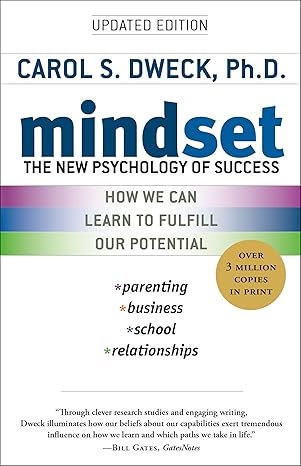
This is the granddaddy of mindset transformation books. Dweck explains the difference between a “fixed mindset” (believing your abilities are set in stone) and a “growth mindset” (believing you can develop through effort and learning).
Why it works for men over 40: You’ve probably heard “you can’t teach an old dog new tricks.” This book proves that’s complete nonsense. Whether you’re learning new technology at work or trying to get in shape, understanding that your brain can literally rewire itself (neuroplasticity) is game-changing.
Real-world example:
Instead of thinking “I’m terrible with money,” a growth mindset says “I’m learning to be better with money.” Small shift, huge difference.
Note: Prices and availability may vary. Always check current Amazon pricing and read recent reviews before purchasing.

Holiday breaks down ancient Stoic philosophy (don’t worry, it’s not boring philosophy class stuff) into practical strategies for turning problems into opportunities. This is pure resilience-building material.
Perfect for:
Guys dealing with career setbacks, divorce, health scares, or any major life disruption. The book shows you how to use obstacles as stepping stones instead of roadblocks.
Key takeaway:
Every problem contains the seed of its own solution – you just need to shift how you look at it.
Note: Prices and availability may vary. Always check current Amazon pricing and read recent reviews before purchasing.

While technically a habits book, this is really about mental strength and emotional regulation. Clear shows how tiny changes compound into massive results over time.
Why it’s essential:
At 40+, you don’t need dramatic life overhauls. You need sustainable systems that work with your busy schedule and responsibilities. This book is your blueprint for building mental wellness habits that stick.
Note: Prices and availability may vary. Always check current Amazon pricing and read recent reviews before purchasing.
Stress and Adversity: Handling Life’s Curveballs
4. “The Resilience Factor” by Karen Reivich and Andrew Shatté

This book breaks down the seven key skills of psychological resilience. Think of it as a toolkit for your mind – each skill is like a different tool you can use depending on the situation.
Simplified explanation:
The authors identify specific thinking patterns that either build or destroy resilience. For example, “catastrophic thinking” (assuming the worst will happen) versus “realistic optimism” (acknowledging problems while focusing on solutions).
Perfect for:
Men dealing with work stress, family pressures, or major life transitions. The techniques work whether you’re a CEO or a construction worker.
Note: Prices and availability may vary. Always check current Amazon pricing and read recent reviews before purchasing.

Written after Sandberg’s husband died suddenly, this book is about building resilience after life-changing setbacks. It’s not just about grief – it covers any situation where Plan A falls apart.
Why it resonates:
Every man over 40 has faced moments where life didn’t go according to plan. This book shows you how to build mental fortitude and find meaning in difficult times.
Key insight:
Resilience isn’t about bouncing back to where you were – it’s about bouncing forward to somewhere better.
Note: Prices and availability may vary. Always check current Amazon pricing and read recent reviews before purchasing.
Related Article
This is covered in Stress-Proofing Your Life: A Mid-Life Man’s Guide, having multiple strategies for handling adversity is crucial for long-term mental wellness.

Confidence and Self-Worth: Building Unshakeable Self-Belief
6. “The Confidence Code” by Kay and Shipman

Don’t let the fact that it’s written by women fool you – the science of confidence is universal. This book breaks down what confidence actually is (hint: it’s not what you think) and how to build it systematically.
Key learning:
Confidence isn’t about feeling good all the time. It’s about taking action despite uncertainty. Perfect for guys who second-guess themselves or struggle with imposter syndrome (feeling like a fraud despite your accomplishments).
Note: Prices and availability may vary. Always check current Amazon pricing and read recent reviews before purchasing.
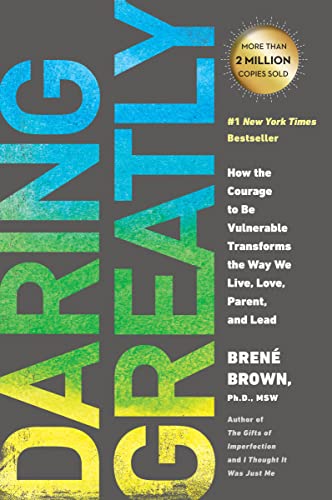
Brown’s research on vulnerability might seem touchy-feely, but it’s actually about mental toughness. She shows how embracing vulnerability (being honest about struggles and uncertainties) actually builds strength.
For the skeptical guy:
This isn’t about becoming emotional or weak. It’s about having the courage to take risks, admit mistakes, and keep growing. That takes real strength.
Connection to your life:
Whether you’re starting a new career, dating again after divorce, or trying to improve relationships with your kids, vulnerability is what allows for real connection and growth.
Note: Prices and availability may vary. Always check current Amazon pricing and read recent reviews before purchasing.
Related Article
For more on building confidence after 40, check out:

Decision Making: Books for Clearer Thinking
8. “Thinking, Fast and Slow” by Daniel Kahneman
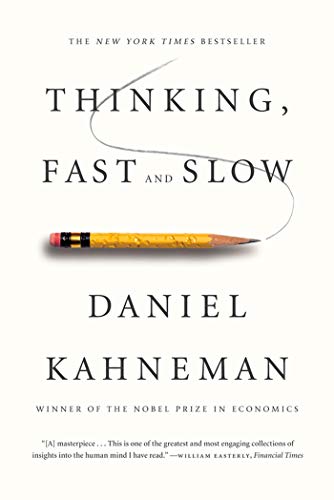
Nobel Prize winner Kahneman explains how your brain makes decisions. Spoiler alert: it’s not as rational as you think. Understanding your mental shortcuts and biases helps you make better choices.
Simplified version:
Your brain has two systems – System 1 (fast, automatic, emotional) and System 2 (slow, deliberate, logical). Most mistakes happen when System 1 takes over. This book teaches you when to slow down and engage System 2.
Practical application:
Before making big decisions (job changes, investments, relationship moves), use the techniques to avoid common mental traps.
Note: Prices and availability may vary. Always check current Amazon pricing and read recent reviews before purchasing.

The Heath brothers provide a simple four-step process (WRAP) for making better decisions. This is cognitive flexibility in action – training your brain to consider more options and avoid tunnel vision.
Perfect for:
Guys who tend to overthink decisions or those who make impulsive choices they later regret. The framework works for everything from career moves to family decisions.
Note: Prices and availability may vary. Always check current Amazon pricing and read recent reviews before purchasing.
Related Article
This book connects with our discussion of Creating Multiple Income Streams After 40.

Stress Management and Emotional Intelligence
10. “Emotional Intelligence 2.0″ by Travis Bradberry
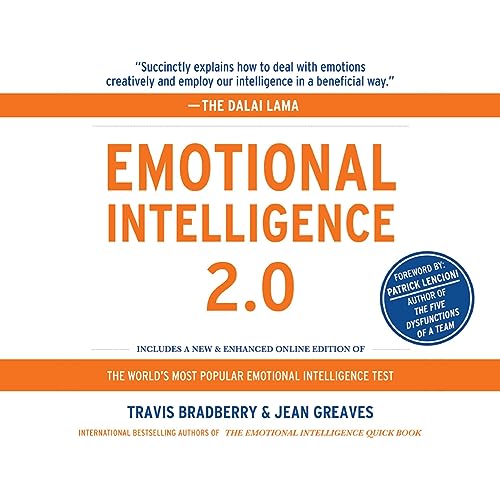
Emotional intelligence (EQ) is your ability to understand and manage emotions – both yours and others’. Research shows EQ is more important than IQ for success and happiness.
Why it matters for men 40+:
You’ve got relationships to maintain, teams to lead, and your own stress to manage. High EQ helps you navigate all of it more effectively.
Bonus:
The book includes an access code for an online EQ assessment, so you can see where you currently stand.
Note: Prices and availability may vary. Always check current Amazon pricing and read recent reviews before purchasing.

Before you roll your eyes at “spiritual stuff,” hear me out. This book is really about stress adaptation and mental wellness. Tolle shows how most anxiety comes from living in the past or future instead of the present.
Practical takeaway:
Simple mindfulness techniques that you can use during stressful workdays, difficult conversations, or when your mind won’t shut off at night.
Real-world application:
Instead of spiraling about what might happen or what you should have done, you learn to focus on what you can control right now.
Note: Prices and availability may vary. Always check current Amazon pricing and read recent reviews before purchasing.
Advanced Mental Strength and Psychology
12. “Man’s Search for Meaning” by Viktor Frankl

Frankl survived Nazi concentration camps and developed a psychological theory based on finding meaning in suffering. This isn’t just historical – it’s practical psychological resilience training.
Core message:
You can’t always control what happens to you, but you can always control how you respond. That response is where your power lies.
Perfect for:
Men dealing with major setbacks, health issues, or feeling like life has lost direction. Frankl shows how to find purpose even in the darkest times.
Note: Prices and availability may vary. Always check current Amazon pricing and read recent reviews before purchasing.

This neuroscientist explains how depression and anxiety work in your brain and provides science-based strategies to break negative cycles. Think of it as mental strength training backed by brain research.
Key insight:
Small positive actions create upward spirals in your brain chemistry. You don’t need massive changes – just consistent small ones.
Practical tools:
Exercise, gratitude, social connection, and decision-making techniques that literally rewire your brain for psychological well-being.
Note: Prices and availability may vary. Always check current Amazon pricing and read recent reviews before purchasing.
Building Your Reading Action Plan
Now that you have your mental resilience reading list, here’s how to actually use it:
Start with Your Biggest Challenge
- Feeling stuck or unmotivated? Start with “Mindset” or “Atomic Habits“
- Dealing with major stress or setbacks? Begin with “The Obstacle Is the Way” or “Option B“
- Struggling with confidence? Try “The Confidence Code” or “Daring Greatly”
- Need better decision-making? Go with “Thinking, Fast and Slow” or “Decisive“
Create a Sustainable Reading Schedule
You don’t need to read for hours daily. Even 15-20 minutes before bed or during lunch breaks adds up. The key is consistency, not speed.
Apply What You Learn
As we discuss in Mindset Mastery: Why Most Men Stay Stuck, reading without application is just entertainment. Pick one concept from each book and practice it for a week before moving on.
Budget-Friendly Options
- Library: Most libraries have these books available for free
- Used books: Amazon, local bookstores, or apps like ThriftBooks
- Audiobooks: Great for commutes; try Audible’s free trial
- E-books: Often cheaper than physical copies
- Book swaps: Trade with friends or join online book exchange groups
Track Your Progress
Keep a simple journal of key insights and how you’re applying them. This reinforces learning and helps you see your mental resilience growing over time.


Your Mental Strength Transformation Starts Now

Building mental resilience after 40 isn’t about becoming a different person – it’s about becoming the best version of who you already are. These psychology-backed recommendations provide the tools, but you have to do the work.
“You have power over your mind – not outside events. Realize this, and you will find strength.”
– Marcus Aurelius
Remember, every expert was once a beginner. Every resilient person faced moments of doubt. The difference is they kept learning, kept growing, and kept moving forward.
Your mindset library is more than just books on a shelf – it’s your toolkit for handling whatever life throws your way. Whether you’re dealing with career changes, relationship challenges, health concerns, or just want to level up your mental game, these reads will meet you where you are and help you get where you want to go.
As discussed in The Triangle of Well-being, mental resilience connects directly to your physical health and financial success. Strengthen your mind, and everything else becomes more manageable.
Start with one book. Apply what you learn. Then move to the next. Your future self will thank you.
Disclosure
This article contains affiliate links. If you choose to make a purchase through these links, we may earn a commission at no additional cost to you.
Important Note: The information in this post is meant to educate and inform, not to replace professional mental health care or psychological advice. While we’ve spent years studying mental resilience and personal development, we’re not licensed mental health professionals or therapists. Everyone’s life circumstances and mental health journey are unique, so what works for one person might not work for another. If you’re experiencing serious mental health challenges, please reach out to a qualified mental health professional. Some of the strategies discussed may not be suitable for everyone, and it’s important to assess your own situation carefully. By reading and using this information, you’re taking responsibility for your own decisions. Remember, seeking help is a sign of strength, not weakness. Stay resilient!