

Paycheck-to-Paycheck to Breathing Room: The 2-Account Budget System (Men 40+)
If you’ve ever looked at your bank account a few days before payday and thought, “How is it already gone?” — you’re not alone.
A lot of men in their 40s and 50s are doing everything they’re “supposed” to do: working hard, handling responsibilities, showing up for family… and still feeling stuck. Not because you’re lazy or bad with money. Usually it’s because your money has no simple system.
This post is a step-by-step guide on how to stop living paycheck to paycheck using a beginner-friendly approach: the 2-account budget system.
No spreadsheets required. No finance jargon. No guilt.
Just a clean setup that helps you:
– pay bills on time,
– stop getting surprised by “random” expenses,
– and build a little breathing room (a small cash cushion) even if your income isn’t perfect.
Disclosure
This article contains affiliate links. If you choose to make a purchase through these links, we may earn a commission at no additional cost to you.
Related Article
Start here if you feel behind and need a clean reset.

What “breathing room” actually means (simple definition)
When we say breathing room, we mean this:
You have enough money set aside that one normal life problem — a tire, a copay, a kid’s school thing, a slow week at work — doesn’t instantly turn into credit card debt or overdraft fees.
Breathing room can start small. Even $100–$300 changes your stress level. Then you build from there.
Why most budgets fail (especially for busy men)
Most budgets fail for one of these reasons:
- They’re too complicated (20 categories, constant tracking).
- They rely on willpower (you’re “supposed” to just stop spending).
- They don’t separate money for bills vs. everyday spending.
- They don’t work for real life (irregular income, overtime changes, unexpected expenses).
So instead of trying to “be perfect,” we’re going to build a system that makes it harder to mess up.
The 2-Account Budget System (explained like a friend would)
Here’s the whole idea:
You use two checking accounts:
- Bills Account — for bills and “must-pay” expenses
- Spending Account — for everyday life (gas, groceries, coffee, etc.)
That’s it.
This works because it solves the biggest paycheck-to-paycheck problem: When everything is in one account, you can’t tell what’s safe to spend.
Quick example (real-life simple)
Let’s say you have $2,400 in your checking account.
Sounds like a lot… until you remember:
- rent is coming ($1,500)
- car insurance ($160)
- phone ($90)
- utilities ($180)
- subscriptions ($40)
Suddenly that $2,400 isn’t “spendable.” But your brain sees the big number and relaxes — and spending happens.
The 2-account method makes the “safe to spend” number obvious.
Step 1: Open (or repurpose) two checking accounts
You can do this at the same bank or two different banks. Same bank is usually easier.
Name them something clear:
- Bills Account
- Spending Account
If your bank lets you nickname accounts, do it today. Clarity matters.
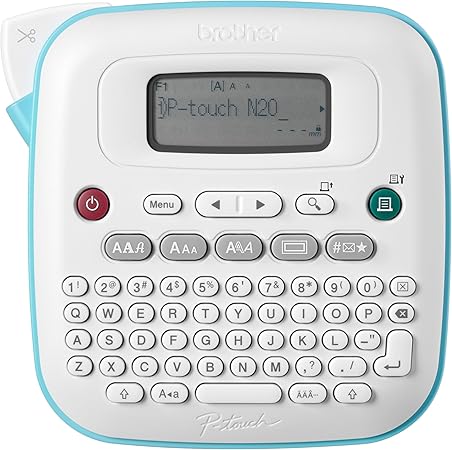
recommendations to make the Spending Account easier
These help you stay organized without getting “finance nerdy”:

Step 2: Build your Bills List (your “must-pay” expenses)
This is where we keep things simple.
Bills = anything that would cause a real problem if you missed it.
Common examples:
- rent/mortgage
- power/water/gas
- phone/internet
- car payment
- insurance
- minimum debt payments (credit cards, loans)
- child support
- basic groceries (yes, some people include groceries as a bill — that’s okay)
Don’t overthink it. You can refine later.
Simple term: “Fixed bills” vs “everyday spending”
- Fixed bills = usually the same amount each month (rent, car payment, insurance)
- Everyday spending = changes week to week (gas, groceries, eating out)
If a bill changes (like electric), it still goes in Bills Account — we just plan for an average.
Step 3: Set up the Bills Account (the “no-touch” account)
The Bills Account has one job: Hold money for bills and pay bills.
That means:
- Your rent comes out of Bills Account.
- Your insurance comes out of Bills Account.
- Your subscriptions (Netflix, etc.) come out of Bills Account (optional, but helpful).
And here’s the rule that changes everything:
You don’t use the Bills Account debit card for everyday spending.
Not for gas. Not for groceries. Not for “just this once.”
Because “just this once” is how the paycheck-to-paycheck cycle stays alive.
How much money should stay in Bills Account?
Start with this beginner formula:
Bills Account Target = Monthly Bills + Small Buffer
Buffer (simple definition): a small cash cushion so one surprise doesn’t wreck the month.
Start with $100 if money is tight. Build to $500, then $1,000 over time.

Set up automatic transfers (plain-English explanation)
An automatic transfer is just money moving on purpose, so you don’t have to rely on memory or motivation.
If you get paid biweekly, you can transfer “half your monthly bills” each paycheck.
Example:
Monthly bills total: $1,800
Paid twice a month: transfer $900 each payday into Bills Account
If your pay schedule is different, don’t worry — I’ll cover irregular income in the next section.
A quick “today” checklist (so you actually start)
If you only do three things today, do these:
- Create/rename the two accounts: Bills + Spending
- Write your bills list (10 minutes, messy is fine)
- Move one small amount into Bills Account (even $25) to start the habit
Progress over perfection.
Related Article
How to stop beating yourself up and start building momentum.

Spending Account, Irregular Income, and the Weekly “Money Check-In”
Now that your Bills Account is set up, you’ve done the hardest part: you separated “must-pay” money from “everyday life” money.
This is where the system starts to feel like relief.
Because the next step answers the question most guys are really asking when they search how to stop living paycheck to paycheck:
“What can I safely spend… without messing up rent?”
Related Article
If you haven’t built even a small buffer yet, start here.

Step 4: Set up Account #2 — Your Spending Account (your “green light” money)
Your Spending Account is for:
- groceries
- gas
- eating out
- coffee
- household stuff
- kids’ stuff
- small fun money
- anything that is not a bill
This account is the one you actually use day-to-day.
Simple rule: If it’s not on your bills list, it comes from Spending Account.
This is what makes this a budget system for beginners. You don’t need 20 categories. You just need a clear line.
Quick example (why this works)
Let’s say you get paid on Friday.
- You move bill money into Bills Account (on purpose).
- What’s left is your Spending Account money.
Now when you open your banking app and see your Spending Account balance, you’re not guessing. You’re not doing mental math. You’re not hoping.
You’re spending from the “safe” pile.
That’s how you start to stop living paycheck to paycheck without feeling deprived.
Step 5: Pick a weekly spending number (so you don’t run out early)
Here’s the simplest way to do it:
- Add up your monthly “everyday spending” basics:
- groceries
- gas/transportation
- household items
- a little personal spending
- Divide by 4 to get a weekly number.
If you’re not sure what you spend, don’t stress. Start with a rough guess and adjust after two weeks.
Simple example (round numbers)
Groceries: $600/month
Gas: $200/month
Household + misc: $200/month
A little fun money: $100/month
Total = $1,100/month
Weekly spending target = about $275/week
So each week, you “load” $275 into Spending Account (or you keep it there and just track weekly).
This is the heart of the simple budget system: you’re giving yourself a weekly “green light” amount.
recommendations to make the Spending Account easier

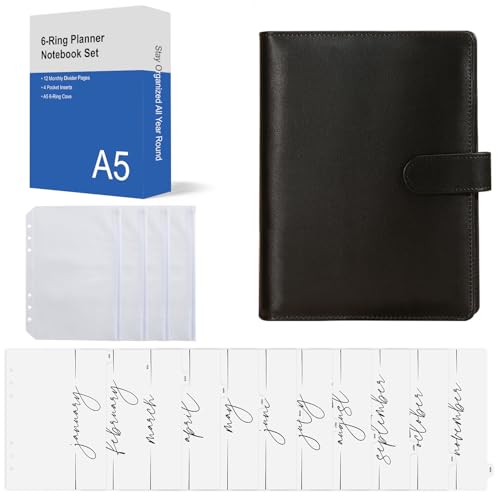
(You can still use the 2-account method—this just adds guardrails.)
Related Article
If you tend to “avoid” money stuff, this helps you break that pattern.

How to do the 2-account budget system if your income is irregular
This is for:
- shift workers
- commission-based jobs
- tipped income
- overtime that changes
- freelancers
- seasonal work
- anyone whose paycheck isn’t the same every time
If that’s you, you’re not broken—you just need a slightly different setup.
Simple term: “baseline pay”
Baseline pay just means: the amount you can count on most months (your “worst normal month”).
Not your best month. Not your overtime month. Your baseline.
Step A: Build your “bare minimum” bills number
Write down the bills you must pay no matter what:
- housing
- utilities
- insurance
- minimum debt payments
- phone/internet
- basic groceries
That total is your “keep the lights on” number.
Related Article
This is where a small buffer fund becomes a superpower.

Step B: Use a “priority order” when money is tight
When a paycheck is smaller than usual, use this order:
- Housing
- Utilities + transportation (so you can work)
- Food basics
- Insurance
- Minimum debt payments
- Everything else
This isn’t “fun,” but it’s clear. Clarity reduces stress.
Step C: Use a mini-buffer to smooth out the swings
If your income varies, your first goal isn’t investing or fancy budgeting.
Your first goal is a buffer (cash cushion).
Start tiny:
- $25 per paycheck
- or $5 per day
- or “round-ups” if your bank does it
The amount matters less than the consistency.
Because once you have even $300–$500 set aside, a low-pay week doesn’t wreck you.
That’s how you start to break the paycheck to paycheck cycle.
Step 6: The 15-minute weekly “money check-in” (the habit that makes it stick)
This is the part most people skip—and it’s the part that makes the system work long-term.
Pick a day. Sunday works for a lot of guys. Friday works too.
Set a timer for 15 minutes and do this:
- Look at Bills Account
- Are the next 7–14 days of bills covered?
- If not, transfer what’s needed.
- Look at Spending Account
- How much is left for the week?
- If you’re low early, you don’t “panic spend.” You adjust.
- Plan one win
- Example: “This week I’m packing lunch 2 days.”
- Example: “No convenience store stops until Thursday.”
- Example: “I’m canceling one subscription.”
That’s it.
This is living paycheck to paycheck help that actually works because it’s small, repeatable, and realistic.
Related Article
If you want a simple weekly routine that stacks habits, this fits perfectly.

Mini “money moves” that create breathing room fast (without feeling broke)
If you’re thinking, “Cool system… but I don’t have extra money,” try one of these:
- Cut one leak: one subscription, one app, one impulse habit for 30 days
- Lower one bill: call insurance, shop phone plans, negotiate internet
- Create a ‘no-spend’ zone: pick one category (coffee, fast food, Amazon browsing) for 7 days
- Use the 24-hour rule: if it’s not urgent, wait one day before buying
These are small, but they build momentum—and momentum is what gets you out of the paycheck-to-paycheck loop.
Related Article
When you’re ready, this is how you add income without burning out.

Common Mistakes, Quick Fixes, and FAQ
At this point, you’ve got a simple budget system that’s actually realistic:
- Bills money is protected in the Bills Account
- Spending money is clear in the Spending Account
- You’re doing a quick weekly check-in
Now let’s make it stick.
Because the truth is: most people don’t fail because they “don’t know what to do.”
They fail because of a few predictable mistakes that quietly pull them back into the paycheck-to-paycheck cycle.
This section will help you spot those traps early and keep building breathing room.
Related Article
If shame or avoidance is your pattern, read this next.

The 7 most common mistakes (and the quick fix for each)
1) Treating the Bills Account like “extra money”
What it looks like:
You dip into Bills Account for gas, food, or a quick purchase because “I’ll replace it later.”
Why it breaks the system:
Later turns into “oops,” and then rent is short.
Quick fix:
Keep the Bills Account card at home (or freeze it in a cup of water—seriously). Only use it for bills.
Optional guardrail: set Bills Account alerts in your bank app (low balance notifications).
2) Not planning for “non-monthly” bills
These are the bills that sneak up:
- car registration
- annual subscriptions
- birthdays/holidays
- school fees
- medical copays
- quarterly insurance
Quick fix (simple):
Create a tiny “Future Bills” line item inside Bills Account.
Example: if you know you’ll spend about $600 over the year on car registration + holidays, that’s $50/month.
You don’t need perfection. You just need a place for those expenses to live.
3) Making the weekly spending number too strict
If your weekly number is unrealistic, you’ll “break” it by Wednesday and feel like you failed.
Quick fix:
Start with a number you can actually hit 70–80% of the time. Then tighten it slowly.
Progress over perfection.
4) Trying to change everything at once
New budget. New diet. New workout plan. New side hustle. New you.
That’s how burnout happens.
Quick fix:
Pick one money win per week (from Section 2) and stack them.
5) Forgetting that groceries are a “bill” for some people
If your household is tight, groceries might need to be treated like a must-pay expense.
Quick fix:
If you keep running out of grocery money, move “basic groceries” into Bills Account as a protected amount, and keep “extras” (snacks, convenience food, eating out) in Spending Account.
This is especially helpful for families.
6) Not having a plan for debt (even a simple one)
Debt is often the reason people feel like they can’t get ahead.
But you don’t need a complicated strategy to start.
Quick fix:
Keep paying minimums, and choose one small “extra” payment target when you can (even $10–$25).
The goal early on is consistency and breathing room, not perfection.
7) Not tracking the “invisible spending”
This is the stuff that doesn’t feel like spending:
- app store charges
- subscriptions
- Amazon “small orders”
- convenience store stops
- food delivery fees
Quick fix:
Do a 10-minute “subscription sweep” once a month.
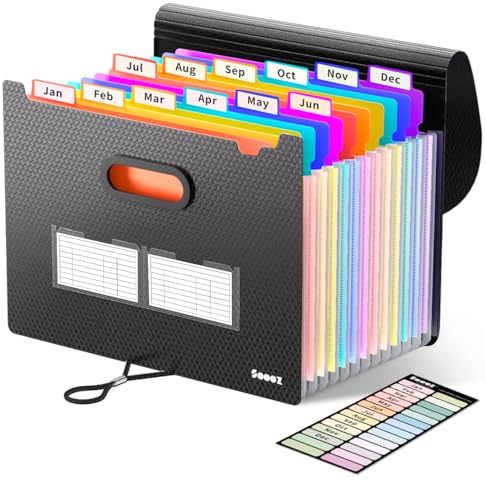
recommendations for this part

A simple 30-day plan (so you don’t overthink it)
If you want a clean “do this next” path:
Week 1:
- Set up the two accounts
- Make your bills list
- Move one small buffer amount into Bills Account
Week 2:
- Pick your weekly spending number
- Do your first 15-minute check-in
Week 3:
- Do a subscription sweep
- Cut one leak for 30 days
Week 4:
- Add a tiny “Future Bills” amount
- Increase buffer by a small step (even $25)
That’s a real plan for how to save money when you’re broke—because it starts where you are.
FAQ: 2-Account Budget System + Paycheck-to-Paycheck Help (Men 40+)
Final encouragement (because this matters)
If you’re in your 40s or 50s and you feel behind, hear this:
You don’t need to “catch up” overnight.
You need a system that works when you’re tired, busy, stressed, and human.
This two account budget system gives you that. And if you stick with the weekly check-in, you’ll be shocked how quickly you start to see breathing room.
If you want the next step, read:
- Tax Season for Regular Guys: The Simple 2026 Checklist (No CPA Speak)
- How to Organize Your Taxes in One Hour (Even If You’re Behind)
Disclosure
This article contains affiliate links. If you choose to make a purchase through these links, we may earn a commission at no additional cost to you.
Important Note: The information provided in this article is for educational purposes only and should not be considered financial advice. Always consult with a qualified financial advisor before making significant financial decisions. Your situation is unique, and these general guidelines may need to be adjusted to your specific circumstances.